Rock history has a funny way of erasing its own footnotes. The bands people picture when a classic song comes on the radio are often not the bands that actually started the whole thing. Founders got replaced, singers walked out, and entire sonic identities got rebuilt from the ground up, sometimes within just a couple of years of forming. What follows is a look at seven groups whose earliest incarnations would surprise most casual fans. Some swapped out a member or two. Others are almost unrecognizable from where they began.
Fleetwood Mac started as a gritty British blues outfit, not a soft rock juggernaut

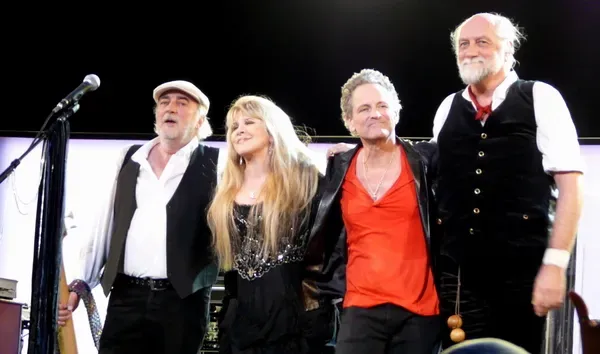
When most people hear “Fleetwood Mac,” they picture Stevie Nicks twirling in a shawl or Lindsey Buckingham’s shimmering guitar work on Rumours. But the band originally consisted of lead guitarist and singer Peter Green, slide guitarist and singer Jeremy Spencer, bassist Bob Brunning and drummer Mick Fleetwood when it formed in July 1967. Green had just left John Mayall’s Bluesbreakers and built the group around his own blues guitar playing, not around pop songwriting.
Brunning played only a few gigs with Fleetwood Mac, as within a few weeks of their first show, John McVie agreed to join the band as permanent bassist. Christine McVie and the California duo of Nicks and Buckingham did not enter the picture until years later, by which point the band had already cycled through several guitarists. The blues purists who saw that first lineup at a London jazz festival in 1967 would barely recognize the pop-rock version that dominated the charts a decade on.
Genesis began as a Charterhouse schoolboy band with a completely different guitarist and drummer

Phil Collins, Tony Banks, and Mike Rutherford are the names most fans associate with Genesis, but the group’s original 1967 lineup told a different story. The group originally consisted of lead vocalist and flautist Peter Gabriel, guitarist Anthony Phillips, bassist and guitarist Mike Rutherford, keyboardist Tony Banks, and drummer Chris Stewart. Collins wasn’t even in the band yet; he wouldn’t join for another two years.
Stewart’s tenure was brief. Shortly after the release of their second single, Stewart had to leave when his parents refused to let him leave school to focus on the band, and he was soon replaced by fellow student John Silver. Phillips himself left in 1970, making way for Steve Hackett, and Collins didn’t take over lead vocals until Gabriel’s departure in 1975. The theatrical, prog-rock Genesis that many remember from Selling England by the Pound is several personnel generations removed from that Surrey schoolboy group.
AC/DC’s original frontman wasn’t Bon Scott or Brian Johnson

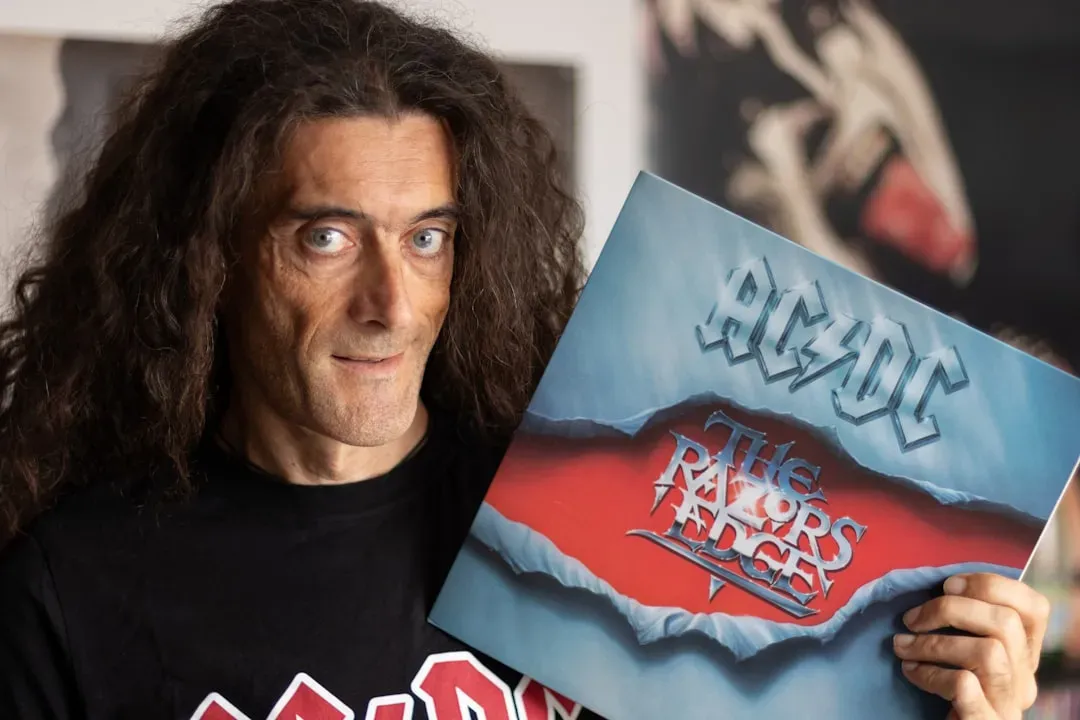
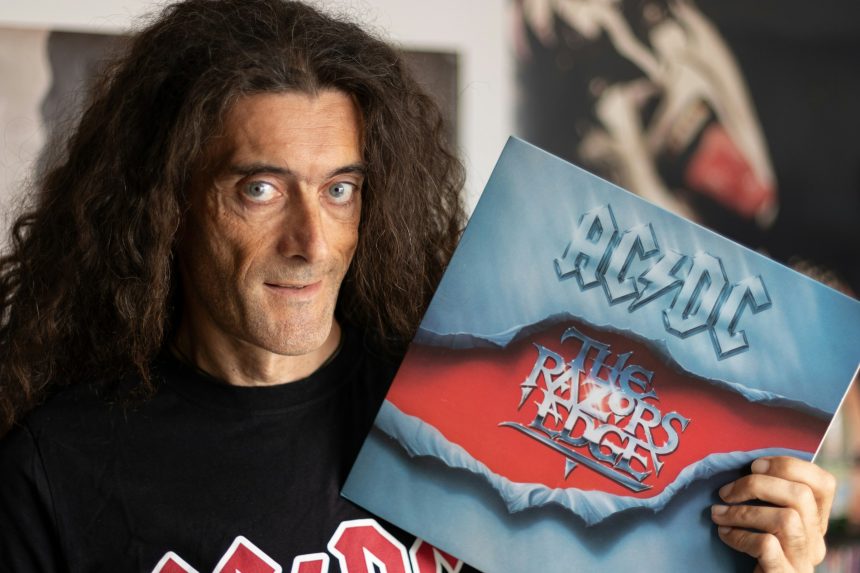
Ask a casual fan who sang for AC/DC and you’ll almost certainly hear Bon Scott or Brian Johnson. Neither was there at the start. Formed in November 1973, the group originally consisted of vocalist Dave Evans, lead guitarist Angus Young, rhythm guitarist Malcolm Young, bassist Larry Van Kriedt, and drummer Colin Burgess.
Evans fronted the band for roughly a year before things fell apart. According to Wikipedia’s AC/DC biography, Dave Evans, the original frontman, left after just one year due to creative differences. Colin Burgess didn’t last much longer either, as Colin Burgess was the original drummer but was fired in 1974 for erratic behaviour. The Young brothers stayed put through it all, quietly building the riff-driven sound that would eventually carry Bon Scott, and later Brian Johnson, to global stardom.
Guns N’ Roses formed around musicians who never appeared on a single studio album

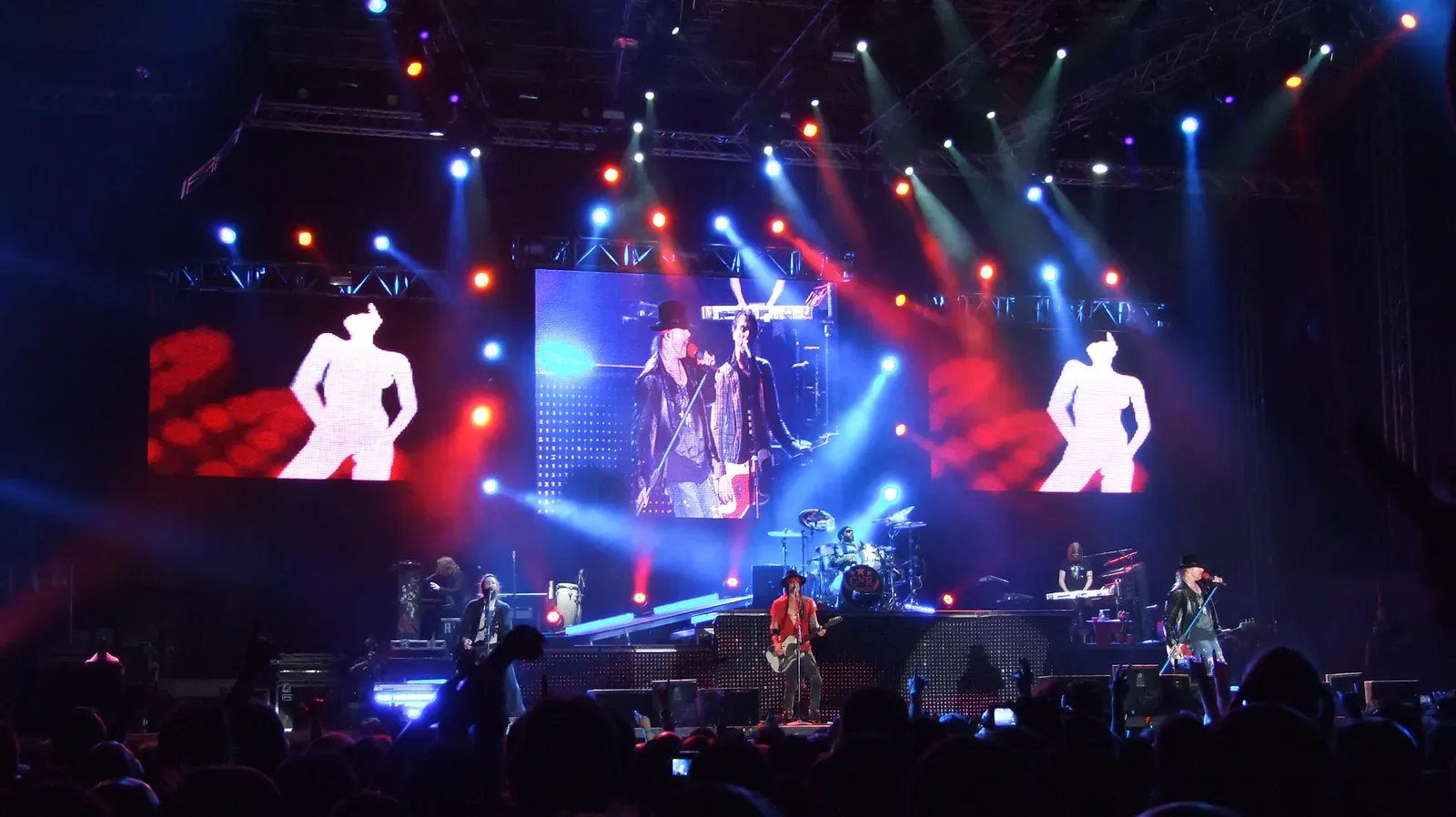
Slash and Duff McKagan feel like permanent fixtures of Guns N’ Roses, yet neither was part of the band’s actual first lineup. Formed in 1985, the group originally consisted of vocalist Axl Rose, lead guitarist Tracii Guns, rhythm guitarist Izzy Stradlin, bassist Ole Beich, and drummer Rob Gardner. The name itself was a mashup of two rival bands, Hollywood Rose and L.A. Guns, merging into one messy, short-lived arrangement.
Partner offer

That arrangement didn’t survive contact with reality. Before the group’s first show on March 26, 1985, Beich was fired and replaced by Duff McKagan, and Tracii Guns soon gave way to Slash while Gardner made room for Steven Adler. By the time Appetite for Destruction dropped in 1987, the band’s founding guitarist and bassist had already been gone for two years, replaced by the five names now etched into rock history.
Metallica’s founding lead guitarist wasn’t Kirk Hammett

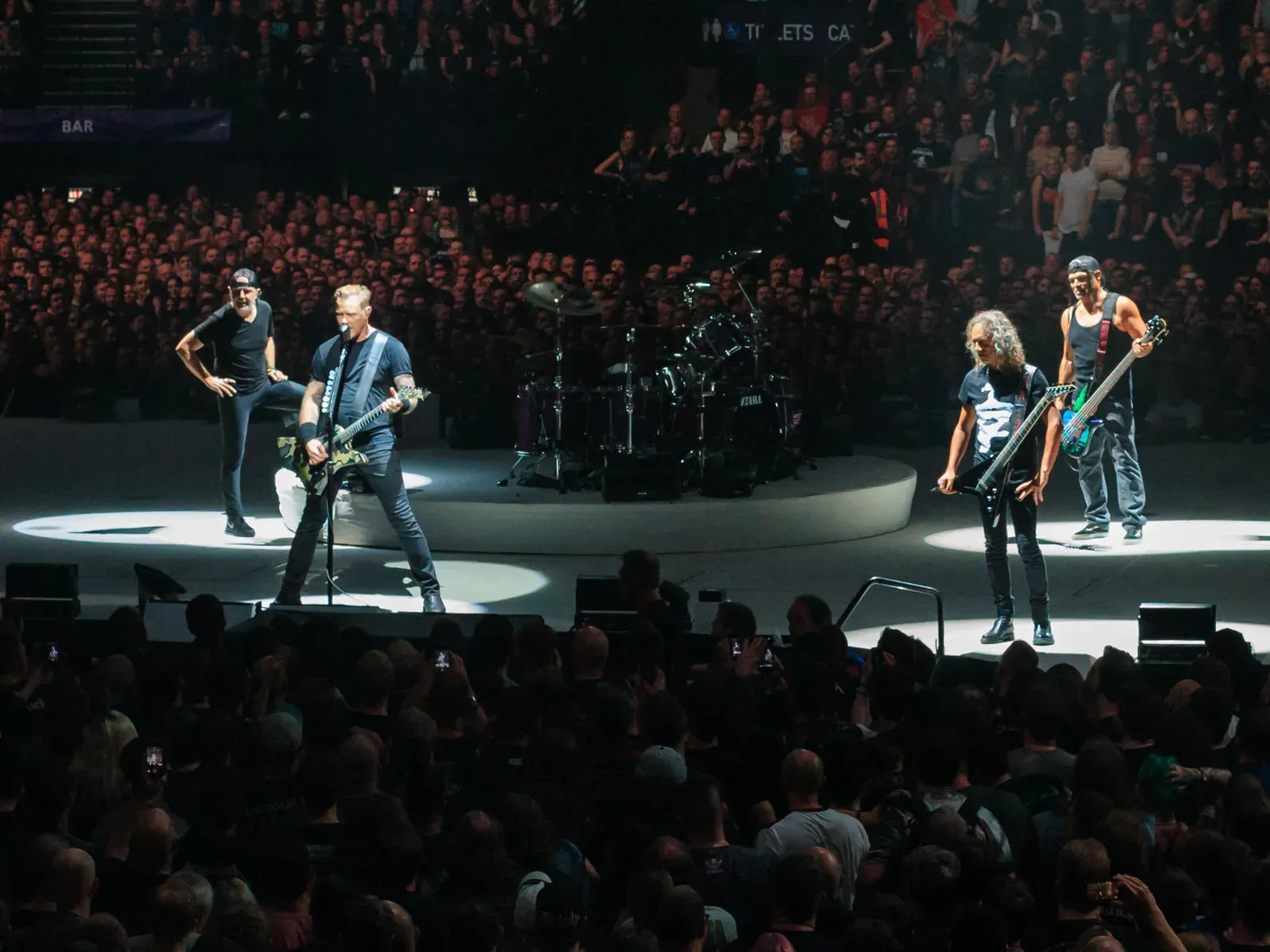
Kirk Hammett has held down lead guitar in Metallica since 1983, but he wasn’t part of the band’s earliest configuration. Metallica was formed in Los Angeles in 1981 by vocalist and guitarist James Hetfield and drummer Lars Ulrich, and the original lineup for its early 1982 shows included Hetfield, Dave Mustaine on lead guitar, and Ron McGovney on bass.
Mustaine’s run with the band was volatile and short. McGovney was a member of Metallica during its first year of gigging and appeared on their early demos before departing late in 1982, prior to the recording of Kill ‘Em All, and was replaced by Cliff Burton. Mustaine’s exit followed soon after, famously leading him to found Megadeth. Cliff Burton’s tragic death in a 1986 bus accident then opened the door for Jason Newsted, and eventually Robert Trujillo, meaning today’s lineup shares only two names with the band that first took the stage in Anaheim in 1982.
Journey’s earliest incarnation was an instrumental band with no Steve Perry in sight

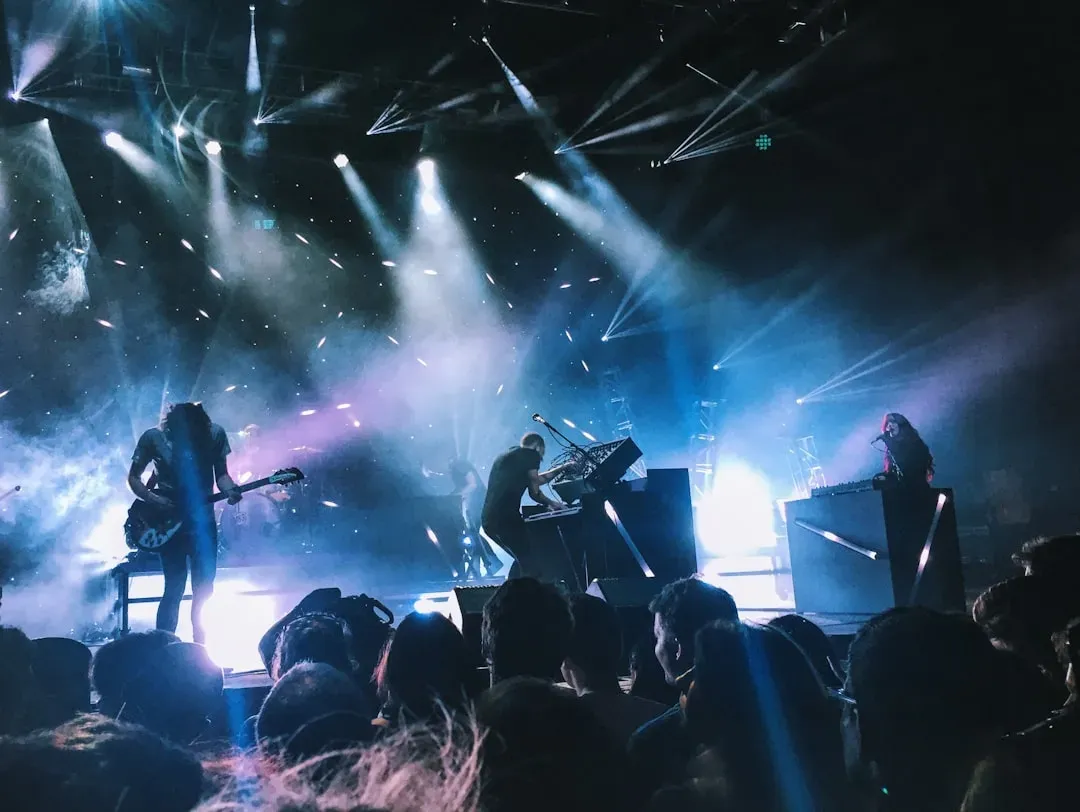
The soaring vocals of Steve Perry are practically synonymous with Journey’s biggest hits, from power ballads to arena anthems. Yet Perry didn’t join until 1977, four years after the band’s 1973 formation in San Francisco. The original group grew out of the disbanded Santana lineup and Frumious Bandersnatch, built around guitarist Neal Schon and keyboardist Gregg Rolie, and it leaned heavily into instrumental, jazz-fusion territory rather than radio-friendly rock.
That early version of Journey released two albums built almost entirely around instrumental jams before management pushed the band toward a more commercial, vocal-driven sound. Rolie handled lead vocals in those first years, a far cry from the layered harmonies and stadium choruses that defined the Perry era. The shift from proggy jam band to hit-making machine remains one of the more dramatic reinventions in classic rock.
Pink Floyd’s original creative force was Syd Barrett, not Roger Waters or David Gilmour

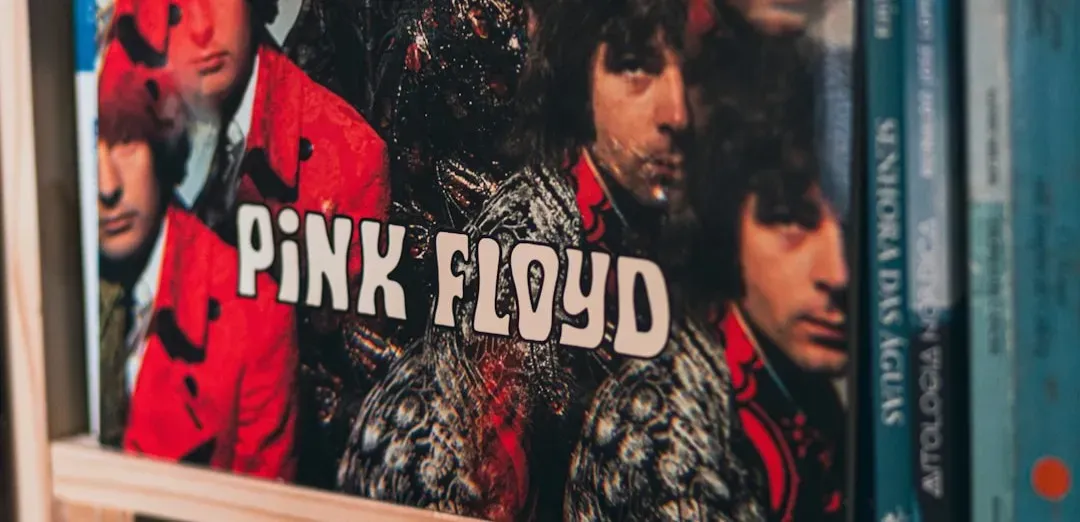
Roger Waters and David Gilmour are the names most associated with Pink Floyd’s landmark albums, but the band’s initial identity belonged almost entirely to Syd Barrett. Formed in London in the mid-1960s, the original lineup paired Barrett on guitar and lead vocals with Roger Waters on bass, Nick Mason on drums, and Richard Wright on keyboards. Barrett wrote and sang most of the material on the band’s 1967 debut, The Piper at the Gates of Dawn, steering the group’s early psychedelic sound.
Barrett’s mental health declined rapidly, and by 1968 his erratic behavior made touring and recording increasingly difficult. David Gilmour was brought in initially to supplement, then replace him, and Barrett quietly exited the band he had essentially built from scratch. The moody, conceptual Pink Floyd that produced Dark Side of the Moon and The Wall bears little resemblance to the whimsical, Barrett-led group that started it all.
These stories share a common thread: the bands that end up defining a genre are rarely the ones that started it. Lineups shifted because of creative clashes, health struggles, bad luck, or simple ambition outgrowing the people in the room. What stuck around, in nearly every case, was a name and an idea flexible enough to survive whoever happened to be playing the instruments at the time.Partner offer
Planning a trip to Vegas?
Compare hotel rates and show tickets on VEGAS.com.