Winning the top prize at the Academy Awards is supposed to settle a film’s place in history. Decades later, though, that verdict often gets reopened, sometimes by critics, sometimes by the very filmmakers and communities the movies claimed to represent.
The seven winners below aren’t necessarily bad films. Several still have fans and real craft behind them. What links them is that critics and historians have taken a harder look at how they handle race, history, or the competition they beat.
Gone with the Wind (1939)
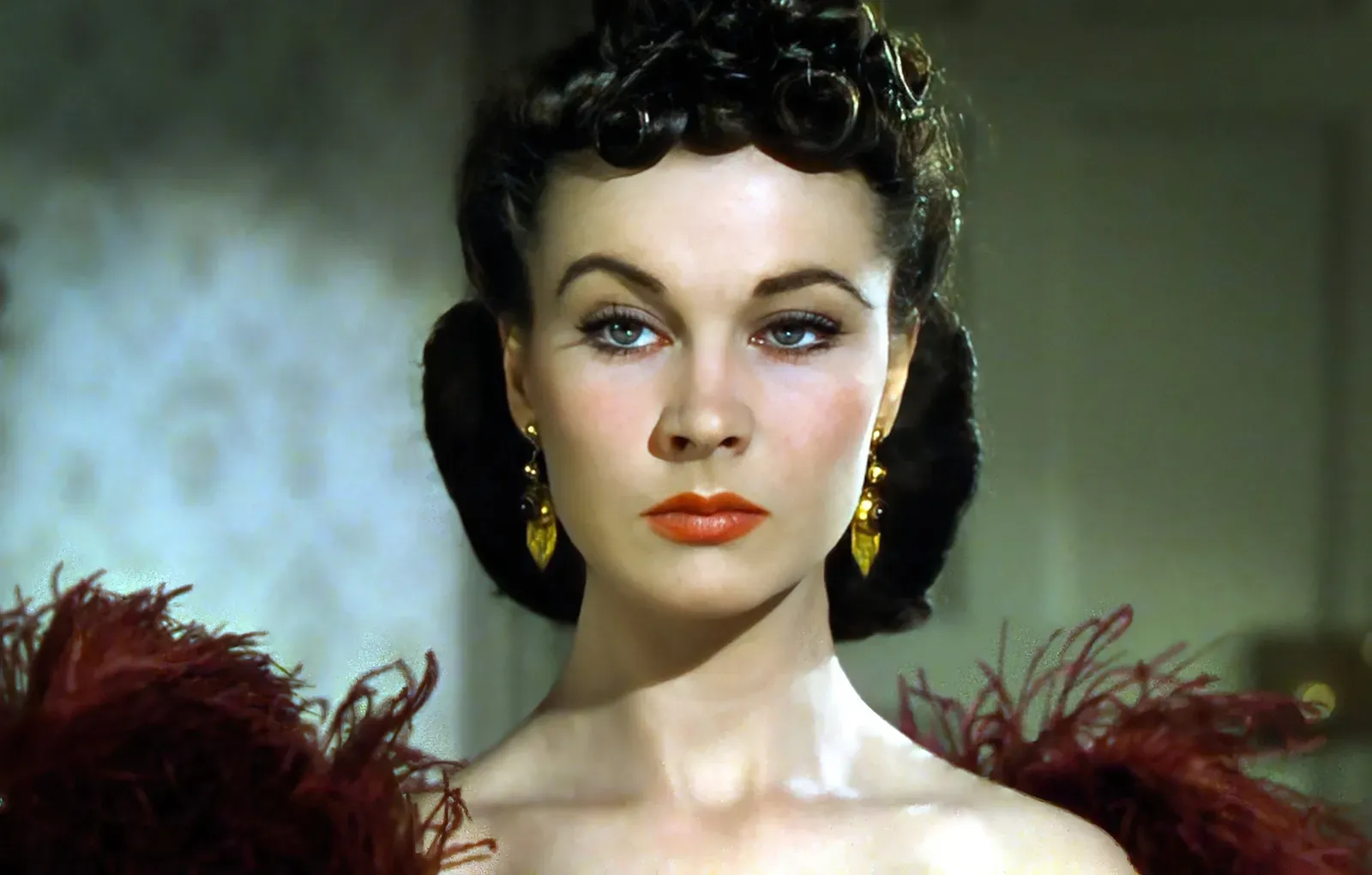
The sweeping Civil War epic won Best Picture at the ceremony held in early 1940, and it remains one of the most commercially successful films ever made. It’s also the clearest example of a classic whose portrait of the antebellum South has been widely criticized for romanticizing slavery and the Confederacy.
In June 2020, HBO Max temporarily pulled the film from its library. It came back with added historical context, including an introduction by film scholar Jacqueline Stewart. Hattie McDaniel won Best Supporting Actress for it, the first Black performer to win an Oscar, yet she was reportedly seated at a segregated table at the ceremony.
The Greatest Show on Earth (1952)

Cecil B. DeMille’s circus spectacle is a different kind of problem. Its issue isn’t offense so much as endurance, since it’s frequently named among the weakest Best Picture winners ever chosen. Critics tend to describe it as bloated and sentimental, with a melodramatic plot propped up by real circus footage.
The sting comes from who lost. It beat High Noon and The Quiet Man, and both of those films have enjoyed far stronger reputations over the years. Few people revisit DeMille’s winner for pleasure now, while the runners-up remain staples of classic film lists.
Driving Miss Daisy (1989)

This gentle story of a wealthy Jewish woman in Georgia and her Black chauffeur, spanning decades, took Best Picture and won over many viewers at the time. Critics later argued that it frames racism as a matter of personal politeness and eventual friendship, steering clear of the structural violence of the era.
Spike Lee was among the most vocal skeptics. His film Do the Right Thing was released the same year and was not nominated for Best Picture, which became a common reference point in debates about Oscar blind spots. Director Bruce Beresford wasn’t nominated either, an unusual gap for a film that went on to win the top prize.
Dances with Wolves (1990)

Kevin Costner’s western was praised for casting Lakota actors and using the Lakota language with subtitles, which felt groundbreaking in 1990. Over time, though, many critics have labeled it a white savior story, in which a white soldier becomes the emotional center of a Native American community’s narrative.
It also carries a competitive footnote. It beat Martin Scorsese’s Goodfellas for Best Picture, a result that many film writers now consider one of the more lopsided misjudgments of that decade. The film’s good intentions are rarely disputed, yet its perspective feels dated.
Shakespeare in Love (1998)

This witty period romance was a crowd pleaser, and it won several Oscars, including Best Picture. Its reputation has soured less because of the movie itself than because of how it won. Miramax, the studio behind it, ran an aggressive awards campaign that reshaped how studios pursue Oscars.
The film it beat, Steven Spielberg’s Saving Private Ryan, had been the widely expected favorite. Spielberg did win Best Director that night, which only sharpened the sense that the top prize had gone somewhere unexpected. Many critics still point to this as a textbook case of campaigning overpowering consensus.
Crash (2004)

Paul Haggis’s ensemble drama about race in Los Angeles won Best Picture at the ceremony in 2006, and the upset has become one of the most cited in Oscar history. It beat Brokeback Mountain, which had been considered the frontrunner and is now often seen as the more important film of that year.
Critics have argued that Crash treats racism through coincidence and speeches, flattening complex social issues into neat, manufactured encounters. In many retrospective rankings of the worst Best Picture winners, it lands near the top. The film is often used as an example of how a movie can feel important in the moment and thin on a second viewing.
Green Book (2018)
Green Book won Best Picture at the 2019 ceremony, telling the story of Black pianist Don Shirley and his white driver, Tony Lip, on a tour of the segregated South. It drew immediate criticism for centering the white character’s growth, echoing the complaints made about Driving Miss Daisy decades earlier.
Shirley’s surviving family publicly disputed the film’s portrayal of him and his relationships, saying it was inaccurate and that they hadn’t been consulted. Mahershala Ali won Best Supporting Actor for his performance, which is still widely praised. Even so, the film is now routinely cited as a recent example of the Academy rewarding a comfortable take on race.