Turn on the television during the first week of December and there’s a good chance you’ll stumble across a cartoon that your grandparents watched as kids. That’s not nostalgia marketing at work, it’s simply how American holiday broadcasting has always worked. A handful of specials from the 1960s never really left the airwaves, and decades later they still show up on schedule, almost like clockwork.
What makes these seven shows different from the countless holiday specials that came and went is staying power. Networks tried plenty of Christmas programming across that decade, and most of it faded within a few years. These seven didn’t, and understanding why offers a small window into how television built its own version of tradition.
1. Mister Magoo’s Christmas Carol (1962)
Before Rudolph, before Charlie Brown, there was a nearsighted cartoon character playing Ebenezer Scrooge on a fictional Broadway stage. The special first aired on December 18, 1962, on NBC and was the first animated Christmas special to be produced specifically for television. It set the template that every other entry on this list would eventually follow.
This 1962 animated TV special was re-broadcast during prime time on NBC for five years and then went into syndication. Its network run wasn’t unbroken. The program was broadcast as a TV special many times during the Christmas season from the 1960s through the 1980s, though not always on NBC, before being released on VHS in 1994 and on DVD in 2001. Today it circulates through streaming and occasional network slots rather than one fixed annual date, but it has never truly disappeared from holiday viewing since that first broadcast.
2. Rudolph the Red-Nosed Reindeer (1964)

It first aired December 6, 1964, on the NBC television network in the United States and was sponsored by General Electric under the umbrella title of The General Electric Fantasy Hour. The stop-motion misfit reindeer story, narrated by Burl Ives as Sam the Snowman, was an immediate hit and never left the schedule afterward.
For eight years the special aired on NBC, after which it moved to CBS, where it stayed for decades. Interestingly, the special returned to its original home in 2024. Rudolph aired annually on NBC until switching to CBS in 1968, and it remained on CBS until this year when it moves back to NBC, according to a 2024 report marking its 60th anniversary. It remains, by most accounts, the longest continuously broadcast Christmas special in American television history.
3. A Charlie Brown Christmas (1965)
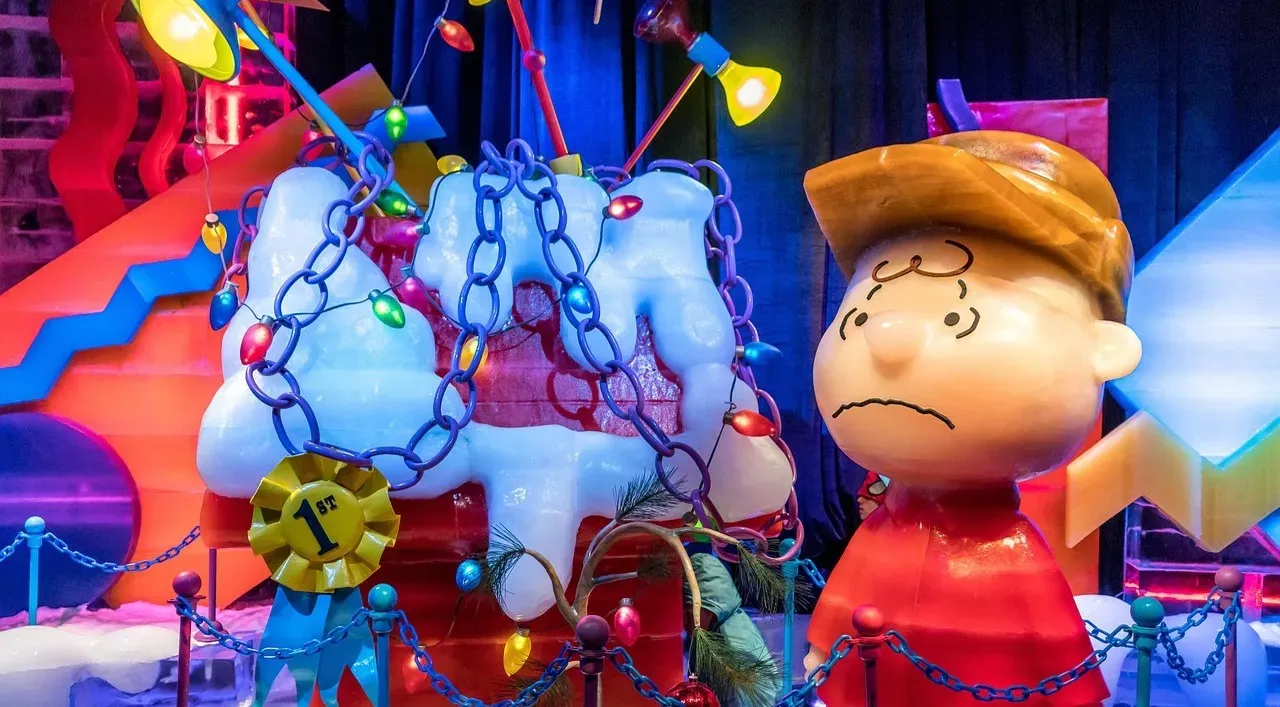
Nobody involved thought this one would work. When “A Charlie Brown Christmas” first aired on December 9, 1965, TV executives, and even some of the show’s creators, were convinced it was going to flop. A children’s cartoon with real child voice actors, a jazz score instead of orchestral music, and a lengthy Bible passage broke every convention of the era, yet it worked anyway.
For more than five decades it was a fixture of free network television. A Charlie Brown Christmas became a staple of the holiday season and was broadcast on CBS around Christmas for 56 years. That changed in 2020 when streaming rights shifted. From 1965 to 2019, A Charlie Brown Christmas could be seen every year on network television for free, but in 2020, Apple TV+ acquired the exclusive rights to the special. It still airs annually, just through a different arrangement, typically with a limited free broadcast window around the holidays alongside its Apple TV+ streaming home.
4. How the Grinch Stole Christmas! (1966)
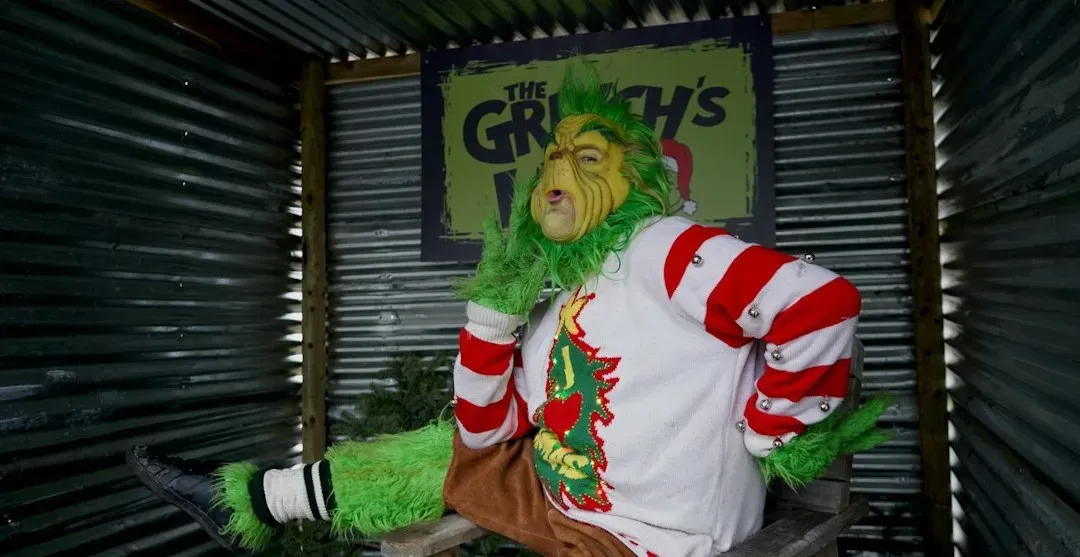
Boris Karloff’s growling narration turned Dr. Seuss’s book into arguably the most quoted holiday cartoon ever made. It completed production in a year and originally aired in the United States on CBS on December 18, 1966. Director Chuck Jones, a veteran of the Looney Tunes shorts, gave the special a visual flow that set it apart from its stop-motion contemporaries.
Partner offer
Its broadcast history has moved around more than most, but it has rarely gone missing from December schedules. CBS repeated it annually during the Christmas season until 1988, then it was seen multiple times per year on Turner-owned properties, first TNT, then TBS, and then Cartoon Network, and The WB returned it to broadcast television by adding its own annual screening in 2001. Whichever network holds the rights in a given year, viewers can generally count on catching it at least once each holiday season.
5. The Little Drummer Boy (1968)

This Rankin/Bass entry is quieter and more solemn than its stablemates, built around the tale of an orphaned boy who plays his drum for the newborn Jesus. “The Little Drummer Boy” debuted in 1968, a religious tale of an orphan whose dying lamb is saved when the lad plays his drum for the newborn baby Jesus. It aired on NBC in its original run and became a fixture of the network’s holiday lineup for years afterward.
Compared to Rudolph or the Grinch, this one keeps a lower profile these days, often surfacing on cable holiday blocks or streaming collections rather than a single marquee network slot. Still, animation historians consistently group it with the other landmark 1960s specials, noting it joined a wave of other 1960s productions that have come to be regarded as classics. Its short runtime and gentle, almost hymn-like tone have kept it in circulation even as flashier specials dominate ratings.
6. Frosty the Snowman (1969)

Closing out the decade, Rankin/Bass switched from stop-motion to traditional cel animation for this one, giving the melting snowman story a softer, storybook look. The company became famous for its quirky stop-action puppet animation, as well as traditional animated cartoons such as “Frosty the Snowman” from 1969. Jimmy Durante’s narration gave the special its distinctive warmth and made the theme song instantly recognizable.
Frosty has stayed on CBS’s holiday schedule for most of its existence, frequently paired with Rudolph during the same broadcast week. Its sequels, including a Christmas-in-July special and a television series spin-off, never displaced the original from its annual slot. Even in an era of streaming abundance, CBS still treats the 1969 original as appointment viewing each December.
7. The WPIX Yule Log

Not every Christmas tradition needs characters or dialogue. New York’s WPIX television station began airing a looped film of a crackling fireplace on Christmas Eve back in 1966, an idea born from a station executive’s wish to give apartment dwellers without a fireplace something festive to put on screen. There’s no plot, no dialogue, just burning logs and quiet holiday music playing in the background for hours at a stretch.
The broadcast disappeared for roughly a decade starting in 1990 before returning by popular demand in the early 2000s, and it has since expanded well beyond its original New York market to cable and streaming platforms nationwide. It remains one of the strangest and most enduring pieces of 1960s holiday television, proof that sometimes the simplest idea is the one that lasts.
Taken together, these seven specials trace the birth of an entire genre of television. What started as risky, low-budget experiments by animators and station managers turned into an institution that outlived the decade that created it, and outlived most of the networks’ original expectations for how long a Christmas cartoon could hold an audience. Each December, families still gather around screens for these same stories, a habit now old enough to have grandchildren of its own.
Partner offer
Planning a trip to Vegas?
Compare hotel rates and show tickets on VEGAS.com.