Every so often a movie reaches theaters looking nothing like the version its director actually wanted to make. Sometimes it’s a quiet compromise nobody notices. Other times it turns into a public war, with full page newspaper ads, lawsuits, and directors trying to scrub their own names off the credits.
The history of cinema is full of these standoffs between vision and studio control. What follows are seven cases where the gap between what a filmmaker intended and what audiences actually saw became impossible to ignore.
1. Orson Welles and The Magnificent Ambersons (1942)
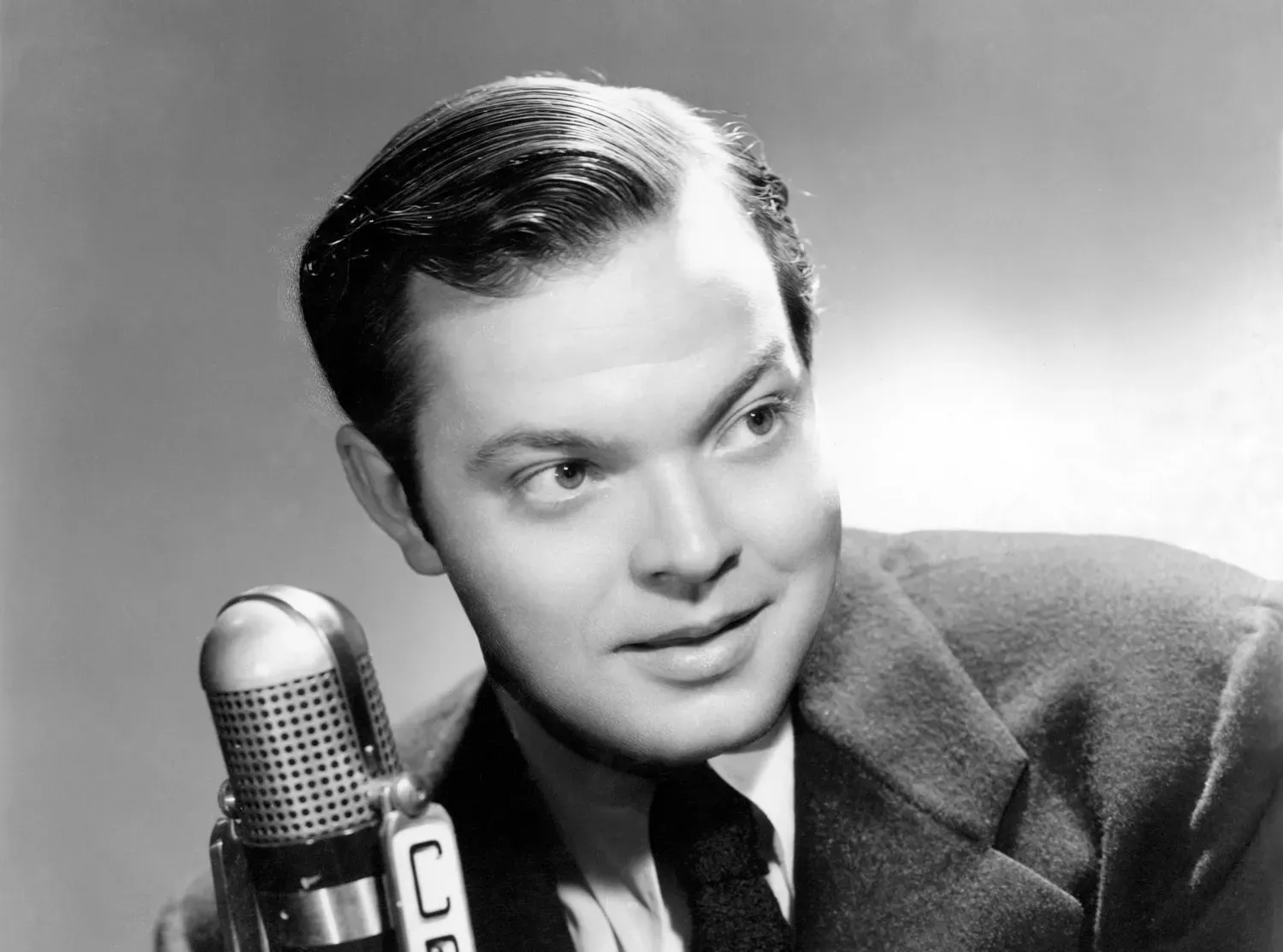
Coming off the critical triumph of Citizen Kane, Welles chose to adapt The Magnificent Ambersons, a story of a once affluent Midwestern family on the brink of financial ruin. When RKO screened his dense, somber cut for a test audience full of teenagers who did not respond well, the studio panicked. In panic, RKO took over editing and cut the movie down to 88 minutes, adding a happier ending than Welles had intended.
The studio ended up excising 43 minutes from the film and reshooting the ending to be more uplifting. What makes the story even sadder is that RKO reportedly did not just eliminate the footage but destroyed it, melting the nitrate down for wartime material. Decades later, Welles reportedly said the recut effectively ended his ability to get directing work for years, a claim that still shapes how film historians talk about studio interference today.
2. Sam Peckinpah and Pat Garrett and Billy the Kid (1973)
Peckinpah had a well earned reputation for clashing with studios, and his 1973 Western pushed that tension to its breaking point. MGM president James Aubrey pushed back against nearly everything Peckinpah did, and the director and his crew even had to secretly shoot on weekends to capture what they wanted. When editing began, the studio simply took the film away from him. Aubrey and MGM then brought in six editors to rework Peckinpah’s vision, eliminating dozens of minutes from his original cut.
The theatrical release that reached audiences in 1973 was a truncated version largely disowned by the cast and crew. It struggled at the box office and with critics who had hoped for something closer to Peckinpah’s earlier work. A closer approximation of his intentions only surfaced on home video in 1988, and Criterion’s 2024 restoration finally gave audiences a version built from what is said to have been retrieved from MGM back in 1973.
3. Terry Gilliam and Brazil (1985)
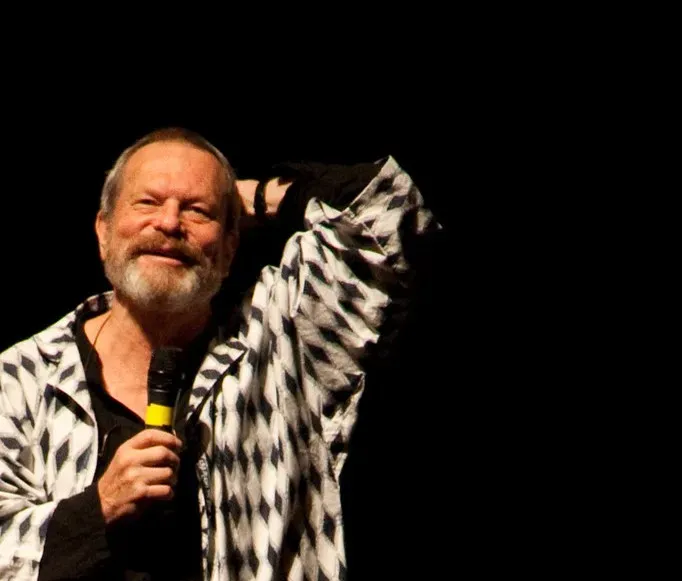
Gilliam’s dystopian satire became one of the most famous studio standoffs in Hollywood history. Universal executive Sid Sheinberg disliked Gilliam’s ending and commissioned his own 94 minute cut, nicknamed the Love Conquers All version, where the leads escape together and live happily. Gilliam considered this a betrayal of the film’s entire point and refused to quietly go along with it.
Rather than accept the change, Gilliam told Sheinberg he would be happy to let the shortened cut go out under a new title, “Sid Sheinberg’s Brazil,” as long as his own name was removed. When Universal kept sitting on the film, Gilliam took out a full page ad in Variety publicly asking Sheinberg when he planned to release the movie. The pressure worked well enough that the Los Angeles Film Critics Association ultimately championed Gilliam’s vision, leading to the release of a 132 minute compromise cut in American theaters.
4. David Lynch and Dune (1984)
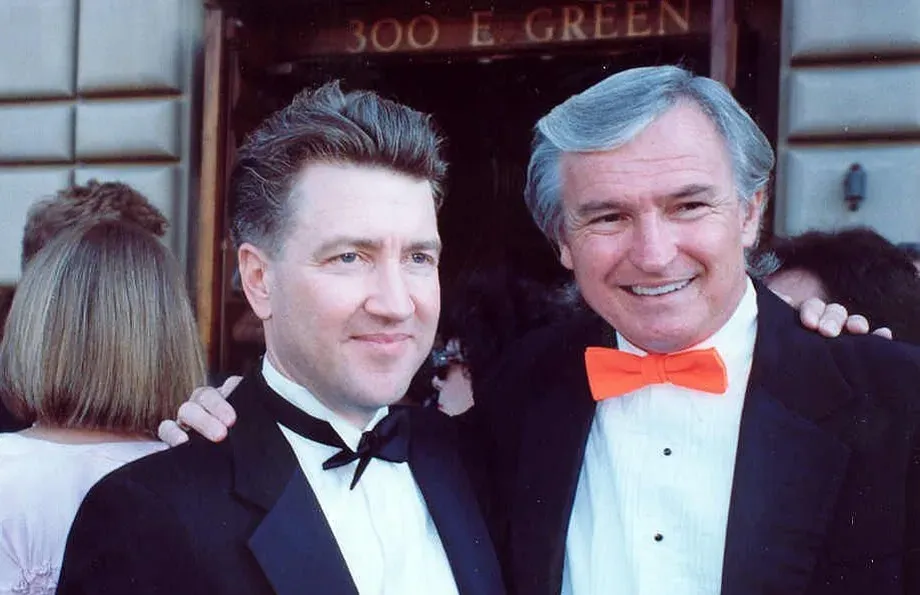
Lynch has never been shy about how he feels about his big budget adaptation of Frank Herbert’s novel. He has described the 1984 film as a heartache and a total failure for himself personally, largely because he did not have final cut. The theatrical version was trimmed down substantially from his original assembly to fit a commercial runtime dictated by the studio.
Things got worse years later when a longer television cut was prepared with added narration and outtakes Lynch had never approved of. That extended version, prepared under protest and eventually disowned by Lynch, credited the pseudonym Alan Smithee as director instead of his own name. By his own account, Lynch refused to even watch the cut, saying he never wanted to see what the studio had done with footage he had shot. The experience is widely cited as the reason Lynch has insisted on creative control for nearly every project since.
5. Tony Kaye and American History X (1998)
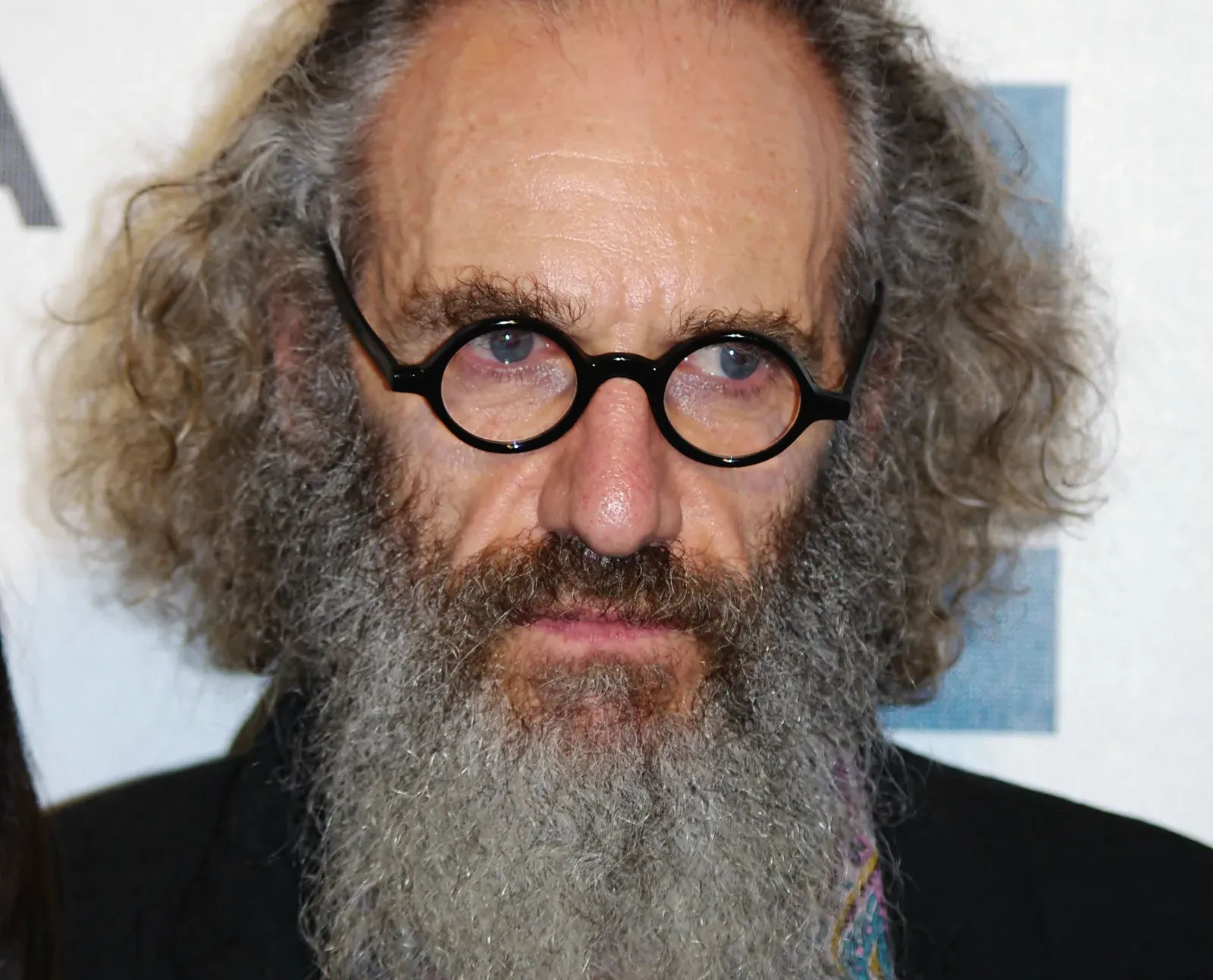
Few directing debuts have imploded as publicly as Tony Kaye’s did on this drama. After New Line rejected his preferred cut, star Edward Norton worked directly with an editor on a new version that became roughly 40 minutes longer than Kaye’s original 95 minute cut, a change that led Kaye to publicly disown the film through dozens of trade paper advertisements. Those ads reportedly quoted everything from Shakespeare to John Lennon in an effort to shame the studio into reconsidering.
Kaye then tried to have his directing credit swapped for the industry’s disowning pseudonym. When New Line rejected Alan Smithee, he asked to be credited instead as Humpty Dumpty, a request that was flatly denied. The fight escalated into a lawsuit against New Line seeking more than 200 million dollars in damages. Kaye later admitted his ego had gotten the better of him during the dispute, though by his own account he avoided watching the finished film for years afterward.
6. Richard Donner and Superman II (1980)
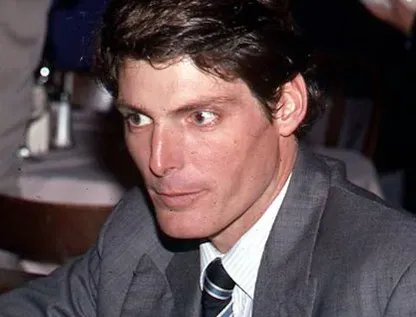
Richard Donner had already delivered the beloved 1978 Superman when he began work on its sequel, shooting a large portion of the footage before a dispute with producers led to his removal from the project. Director Richard Lester was brought in to finish the film, and under Directors Guild rules at the time, Lester received sole directing credit even though a substantial amount of Donner’s original footage remained in the released version.
Donner spent decades wanting audiences to see the film the way he had actually shot it, with a tone and character focus closer to the first movie. That version finally reached fans in 2006 as Superman II: The Richard Donner Cut, assembled from Donner’s footage and test screenings rather than a full new edit. The long gap between production and release remains one of the clearest examples of a director watching a theatrical cut go out under someone else’s creative stamp.
7. Josh Trank and Fantastic Four (2015)
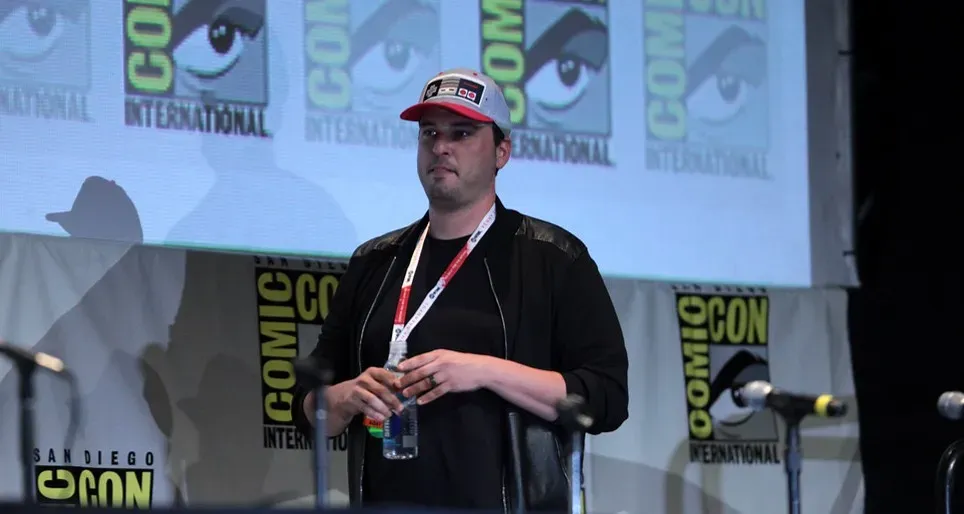
Trank’s reboot of the Marvel property arrived in theaters after a famously turbulent production, with reports of extensive reshoots and studio notes reshaping large portions of the story in its final stretch. Twentieth Century Fox brought in significant changes during post production, and the finished cut diverged noticeably from the darker, more grounded tone Trank had reportedly been developing throughout filming.
On the eve of the film’s release, Trank posted a message distancing himself from the finished product, saying the version reaching theaters was not the one he had actually made. The post was deleted almost immediately, but it had already been widely screenshotted and covered by entertainment outlets. The film went on to underperform critically and commercially, and Trank did not direct another studio feature for nearly a decade afterward.
Studio filmmaking has always involved compromise, and most disagreements between directors and executives never make headlines. What connects these seven cases is how visible the conflict became, whether through a Variety ad, a lawsuit, a fake pseudonym, or a director who simply refused to watch his own movie for years. Each one is a reminder that the version audiences see in a theater is not always the version its creator actually finished.