Every year, a handful of games arrive with big budgets, glowing previews, and every reason to expect success, only to fizzle out at retail within weeks. Sometimes the timing is wrong, sometimes the marketing missteps, and sometimes players simply need a few years to catch up to what a game was trying to do. What follows is a look at eight titles that stumbled commercially at launch but eventually earned the kind of reputation most developers only dream about.
Psychonauts (2005)
Double Fine’s debut title arrived with strong reviews but weak retail numbers. Psychonauts did not sell well with only about 400,000 retail units sold at the time of release, leading to a severe financial loss for Majesco and their departure from the video game market. The publisher’s exit from the console business became one of the more painful cautionary tales of the mid-2000s.
Yet the game refused to disappear. Double Fine reported that their own sales of the game have far exceeded what was initially sold, with nearly 1.7 million cumulative sales as of December 2015. A crowdfunded sequel followed a decade later, and today Psychonauts is frequently cited among the best platformers ever made, proof that a cult following can eventually outlast a bad sales quarter.
Titanfall 2 (2016)
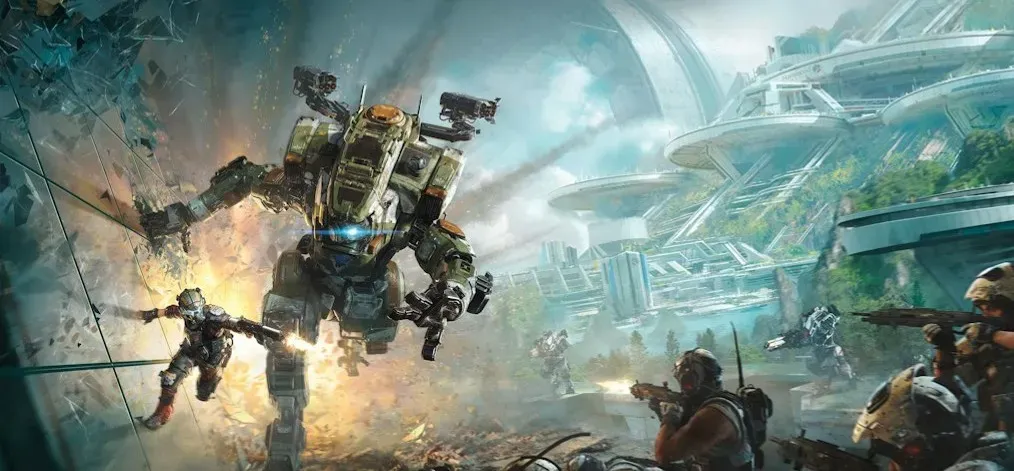
Respawn Entertainment built a genuinely inventive shooter with wall running, mech combat, and a surprisingly tight single player campaign. The problem was scheduling. The game’s October 28 release date was sandwiched between Battlefield 1 on October 21 and Call of Duty: Infinite Warfare on November 4, which one analyst firm predicted would lead to “substantially disappointing” sales.
That prediction largely held up. Despite mostly great reviews of the console and PC versions of the game, Titanfall 2 vastly underperformed in terms of sales. Years later, opinion has shifted considerably, with the game now remembered as a technically brilliant shooter that simply launched in the worst possible week.
Deus Ex (2000)

Ion Storm’s cyberpunk role-playing shooter asked players to think their way through missions rather than simply shoot everything in sight, a design philosophy that confused plenty of buyers used to more straightforward action games at the time. It sold modestly for a title with such an ambitious scope, and Ion Storm itself would later collapse under the weight of other troubled projects.
Despite the muted commercial reception, Deus Ex steadily built a reputation among PC gaming enthusiasts as one of the most influential titles of its generation. Its blend of stealth, dialogue choice, and branching level design became a template that later immersive sims, including its own sequels, would try to replicate. Today it regularly appears near the top of lists ranking the greatest PC games ever released.
Beyond Good and Evil (2003)
Michel Ancel’s adventure game about a photojournalist uncovering a government conspiracy was a critical favorite the moment it launched, praised for its charm, its sharp writing, and its willingness to break away from the era’s obsession with grim, gritty protagonists. Commercially, it barely registered, and Ubisoft quietly shelved plans for further entries in the series for years.
The gap between critical praise and sales performance eventually became part of the game’s legend. Ubisoft rereleased it multiple times on newer platforms, and a long-promised sequel has been in development for well over a decade, a testament to how much affection lingers for the original despite its rough commercial debut. Few games illustrate the disconnect between quality and sales quite as clearly.
Okami (2006)

Clover Studio’s watercolor-inspired action adventure, starring a sun goddess in the form of a wolf, was one of the most visually distinctive games of its console generation. It arrived late in the PlayStation 2’s life cycle, competing against next generation hardware that had already stolen much of the industry’s attention, and sales suffered as a result.
Partner offer
Capcom shut down Clover Studio not long after release, a decision widely seen as a reaction to the game’s soft commercial performance despite its critical acclaim. Okami has since been remastered multiple times across PlayStation 3, PlayStation 4, Switch, and PC, each rerelease introducing the game to a new audience that continues to regard it as one of the finest art directions in gaming history.
EarthBound (1994/1995)
Nintendo’s quirky role-playing game, known as Mother 2 in Japan, arrived in North America at a point when the Super Nintendo was already losing shelf space to newer 32-bit consoles. Its offbeat humor and unconventional battle system did not connect with a mass audience at the time, and it sold poorly enough that Nintendo declined to release its sequel outside Japan for years.
The game’s reputation grew almost entirely through word of mouth and later emulation, as fans discovered a title with more heart and personality than most role-playing games of its era. Nintendo eventually rereleased EarthBound on the Wii U and Nintendo Switch Online service, decisions that would have seemed unlikely given its original sales figures. It is now widely regarded as one of the most beloved and influential Japanese role-playing games ever made outside Japan.
Prey (2017)
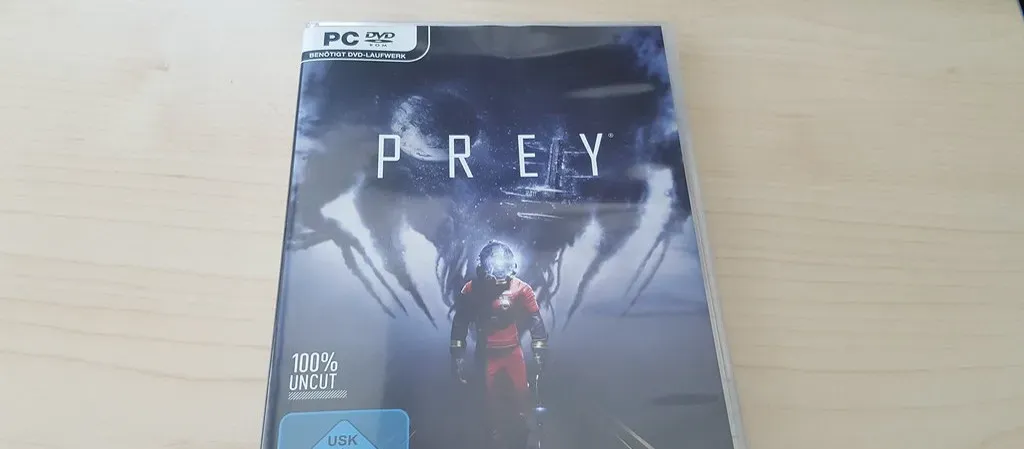
Arkane Studios reimagined the Prey name entirely, delivering a sprawling space station immersive sim with a strong emphasis on player choice and environmental storytelling. Reviews were largely positive, praising its atmosphere and mechanical depth, but the game struggled to find an audience, partly due to confusion over its unrelated name and partly due to a crowded early 2017 release calendar.
Bethesda’s parent company Zenimax reportedly considered the sales disappointing enough that a planned expansion’s scope was affected, and further entries in the series stalled. Since then, the game has steadily gathered a devoted following among fans of systemic design, often mentioned alongside genre touchstones like System Shock and Dishonored. Its reputation has only grown as more players discover it through subscription services and sales.
Shenmue (1999)
Sega poured an enormous budget into Shenmue, reportedly one of the most expensive games produced up to that point, aiming to create a living, breathing world on the Dreamcast. The Dreamcast itself struggled against competition from the PlayStation 2, and Shenmue never reached the audience Sega had hoped for, contributing to the console’s eventual discontinuation.
What could have been dismissed as an expensive misstep instead became one of the most fondly remembered experiments in game design, praised for its ambition even decades later. Its influence on open world and life simulation mechanics is still visible in modern games, and a crowdfunded third entry eventually arrived in 2019, driven almost entirely by lingering fan devotion. Shenmue remains a favorite example of a game whose vision outpaced the technology and market of its time. The pattern across these eight games is remarkably consistent. Poor timing, unfamiliar mechanics, or simple bad luck with release scheduling kept them from finding an audience when it mattered most commercially. Word of mouth, rereleases, and a more patient community eventually gave each one the recognition it deserved, long after the original sales reports had already been written off.
Partner offer
Planning a trip to Vegas?
Compare hotel rates and show tickets on VEGAS.com.