There’s a moment in almost every big action movie where you catch yourself wondering if that was really the star up there, or just a well-disguised professional. Sometimes it’s the latter. Sometimes, though, the person hanging off a biplane or drifting a muscle car around a Paris roundabout is exactly who the poster says it is. A handful of performers have built entire careers on blurring that line, training for months and risking real injury so the footage feels unmistakably genuine. Here are eight of them, and the stunts that prove it.
Tom Cruise and the burning parachute jumps
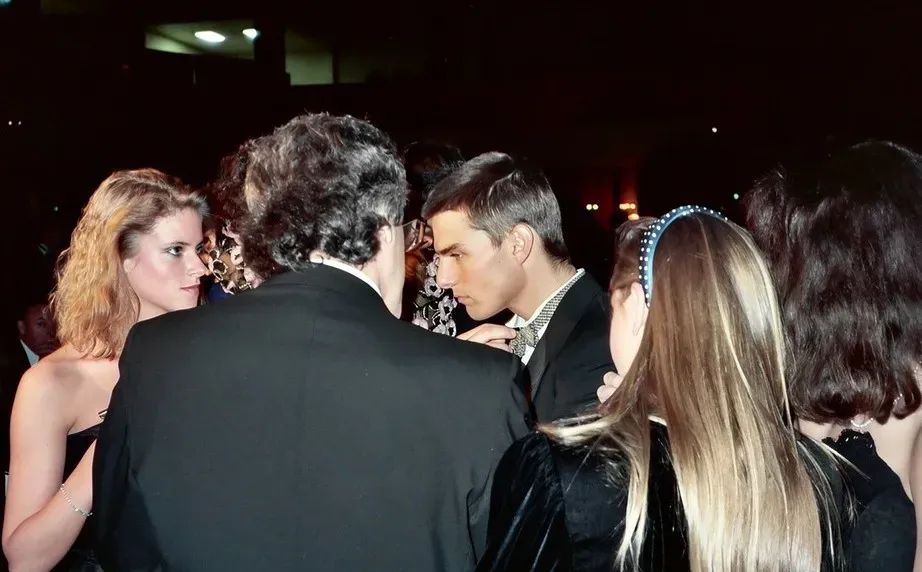
Tom Cruise has spent the better part of two decades turning Mission Impossible into a personal stunt reel, and The Final Reckoning may have topped everything that came before. In the film, Cruise notched a Guinness World Record for doing 16 burning parachute jumps while filming a plane sequence, a stunt that was technically demanding and inherently dangerous because the parachute could not be allowed to twist while burning. That kind of detail tells you how little margin for error there was on set.
The plane work didn’t stop there. Cruise had already teased breathtaking action for the film, including an underwater submarine sequence and a scene where he dangles from a plane. He’s also spoken candidly about the physical toll of that footage, explaining that sticking his face out of an airplane going over 120 to 130 miles an hour meant he wasn’t getting oxygen, so he had to train himself how to breathe, and there were times he passed out and was unable to get back into the cockpit. Few actors would treat a stunt sequence like a second job requiring its own training regimen, but Cruise clearly does.
Keanu Reeves and the Arc de Triomphe car chase
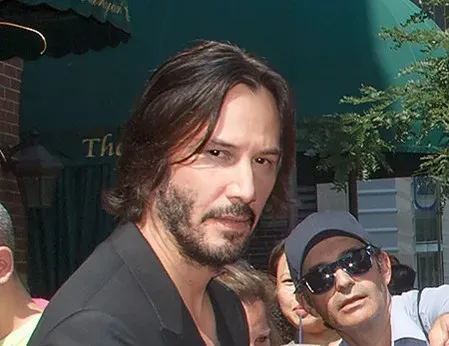
Keanu Reeves didn’t just show up and hit his marks for John Wick: Chapter 4. He spent roughly three months preparing, and by his own account, he is well known for performing as many of his own stunts as humanly possible, which is why he spent nearly three months just training for the film. That commitment is unusual even by action-movie standards, where stars often lean on doubles for anything beyond basic choreography.
The standout sequence was a car chase around the Arc de Triomphe, and Reeves handled the driving himself. Stunt driver Tanner Foust, who trained him, said plainly that it was revealed that beloved actor and all-around-car-guy Keanu Reeves performed all of his own driving stunts. Foust also noted the difficulty of the choreography, since Reeves had to do it all one-handed while holding a gun and sometimes reloading it mid-drift. For a man in his late fifties learning reverse 180s on a closed set, that’s no small feat.
Jackie Chan and a lifetime of broken bones
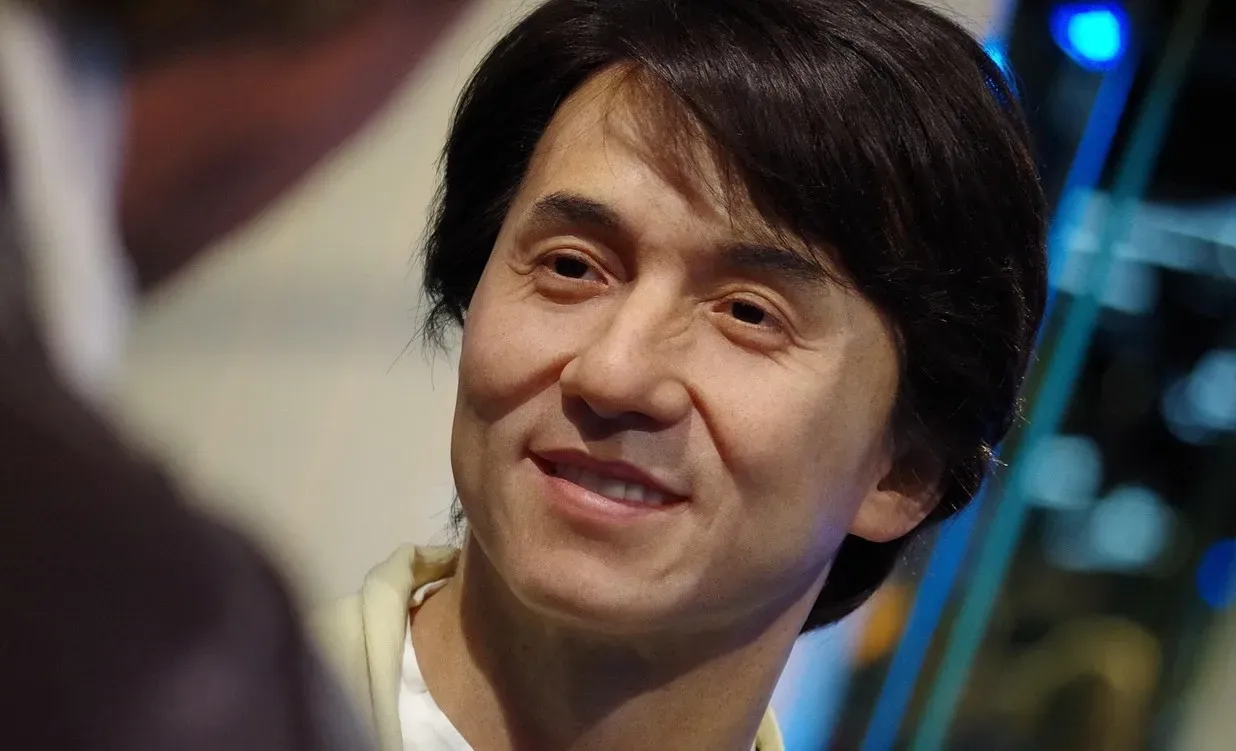
No list like this can skip Jackie Chan, since his entire brand was built on doing things stunt coordinators would normally refuse to greenlight. His injury history is staggering by any measure. Chan has suffered from numerous broken bones, many concussions, burns, and was even in a coma for seven days. That’s not a highlight reel exaggeration, it’s a documented career of physical punishment.
The worst of it came during Armour of God, when a stunt went wrong in a way that nearly ended his life. The branch he was climbing snapped on impact, sending him falling to the ground where his head collided with a rock, and he was rushed to the hospital after blood started spurting from his ear, later learning his skull had partially collapsed with a piece of bone lodged in his brain. Even now, well into his seventies, Chan hasn’t fully stepped away. At a 2025 premiere he admitted that every action movie, everybody gets hurt, even him, and everybody gets hurt.
Michelle Yeoh and the multiverse fight scenes

By the time Michelle Yeoh made Everything Everywhere All at Once, she’d already spent decades proving her physical credentials in Hong Kong cinema. Directors on the film leaned into that history rather than working around it. Yeoh, no stranger to doing her own stunts, as seen in her films Supercop and Silver Hawk, took on most of the stunts for this film. That’s a rare case of a director trusting an actor’s decades-old reputation enough to hand her the bulk of the action.
Yeoh has also explained why she never wanted a substitute in the first place, saying it was just totally unacceptable that someone else would do her stunts, since it was supposed to be her, so why should anybody else do it. Her stunt coordinator on Everything Everywhere reinforced that the production actively avoided doubling her whenever possible, noting the team wanted to use the actors, instead of stunt people, as much as possible in every shot that included their characters. Winning her first Oscar for that same performance only underlined how much the physical work mattered to the role.
Charlize Theron and the stairwell brawl in Atomic Blonde

Atomic Blonde asked Charlize Theron to fight through an entire apartment building in what appears to be a single unbroken take, and she trained for months to make it believable. Her stunt coordinator Sam Hargrave gave a specific breakdown of just how much of it was really her, saying Theron did 98 percent of her own action including fighting and running, with substitutes stepping in only for stunts she couldn’t legally perform under insurance, like falling down stairs or swinging from a height. That’s an unusually precise figure for an industry that often keeps such details vague.
The preparation wasn’t gentle, either. Theron has described training that left lasting damage, explaining she brawled with eight trained fighters every day for ten weeks before filming during grueling training so she could do her own stunts, and was kicked, punched, and flung face first into a wall, cracking two back teeth in the process. Her director David Leitch, himself a former stuntman, later called her one of the top percentile of actors who do their own action.
Jason Statham and his underwater and driving sequences
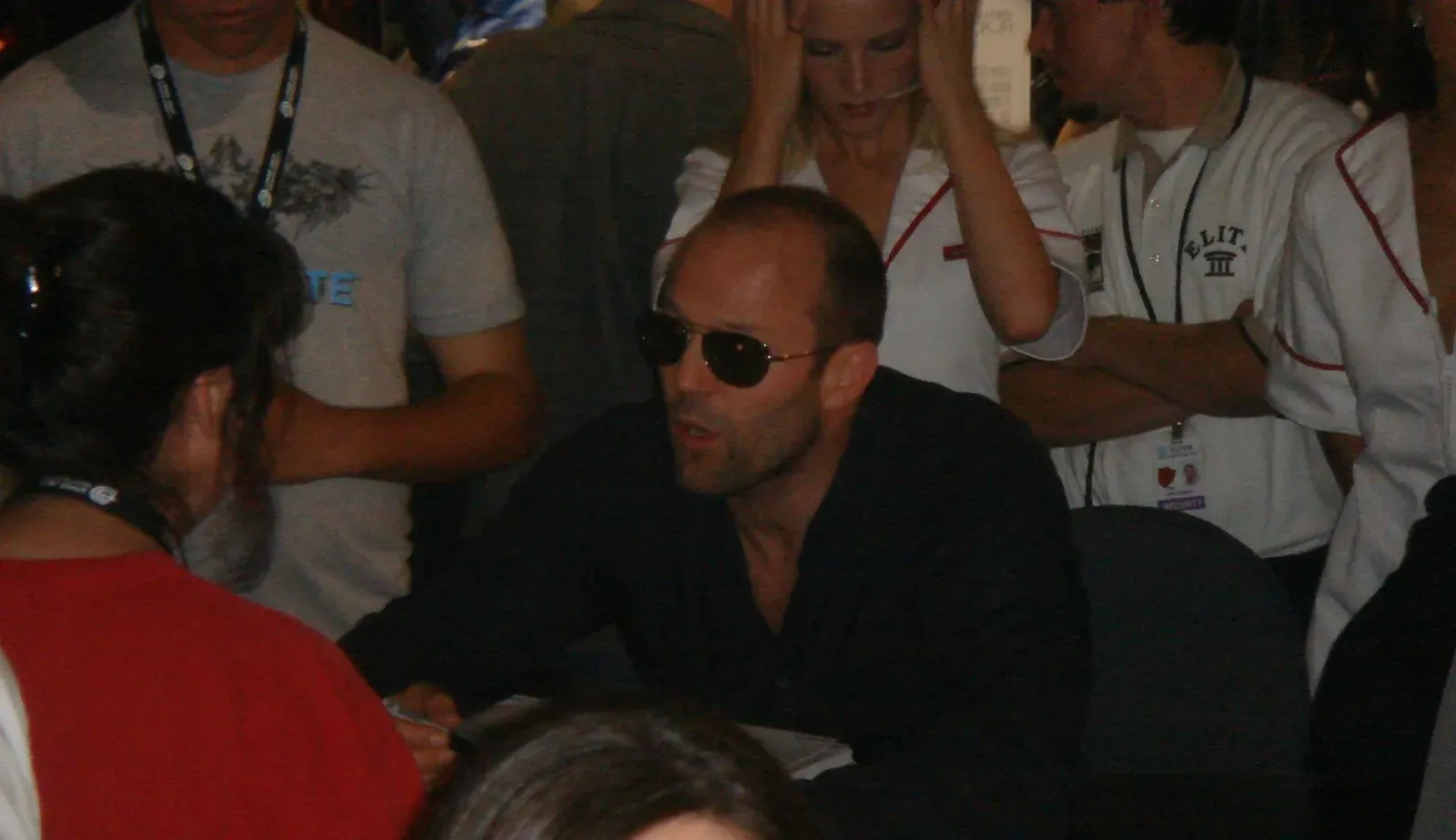
Jason Statham’s action career actually started before acting, as a competitive diver on Britain’s national team, and that background shows up constantly in his films. He’s routinely handled his own driving in the Transporter and Fast and Furious franchises, using real high-performance driving skills rather than relying entirely on a double for chase sequences. His underwater work in The Meg franchise also drew on his diving background rather than purely on visual effects.
What sets Statham apart from a lot of action stars is consistency rather than one standout headline stunt. Over more than two decades he’s built a reputation for close-quarters fight choreography performed with minimal cutting away to a double, which action directors have often cited as a reason his fight scenes read as more grounded than flashier CGI-heavy alternatives. It’s a quieter kind of commitment, but it’s shaped an entire style of modern action filmmaking.
Daniel Craig and the practical stunts of No Time to Die
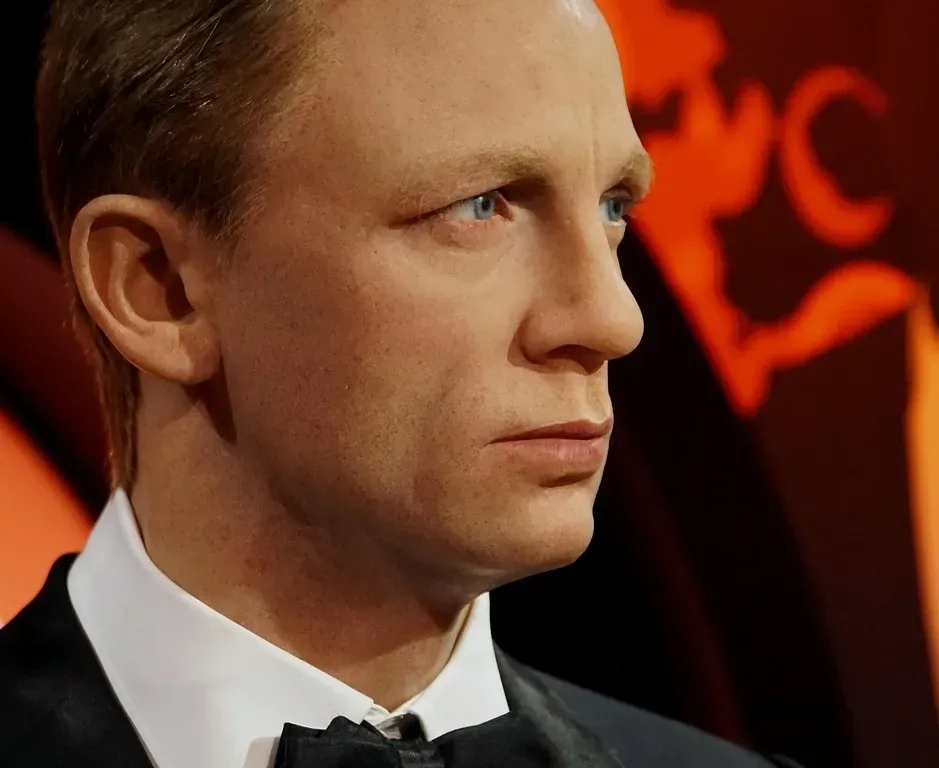
Daniel Craig’s tenure as James Bond leaned heavily on practical stunt work rather than digital doubling, particularly in his final outing, No Time to Die. He trained extensively for the film’s motorcycle chases and hand-to-hand combat sequences, working with the production’s stunt team to handle much of the physical performance himself despite recovering from a prior on-set ankle injury sustained during Bond filming years earlier.
That injury history is part of what makes his commitment notable. Craig had already undergone ankle surgery after an earlier Bond stunt went wrong, yet he continued pushing for realistic, hands-on action rather than scaling back his involvement in later films. Directors on the Bond series have spoken about designing sequences around what Craig could physically execute, treating his athleticism as a storytelling tool rather than a liability to manage around.
Tom Hardy and the practical chaos of Mad Max: Fury Road
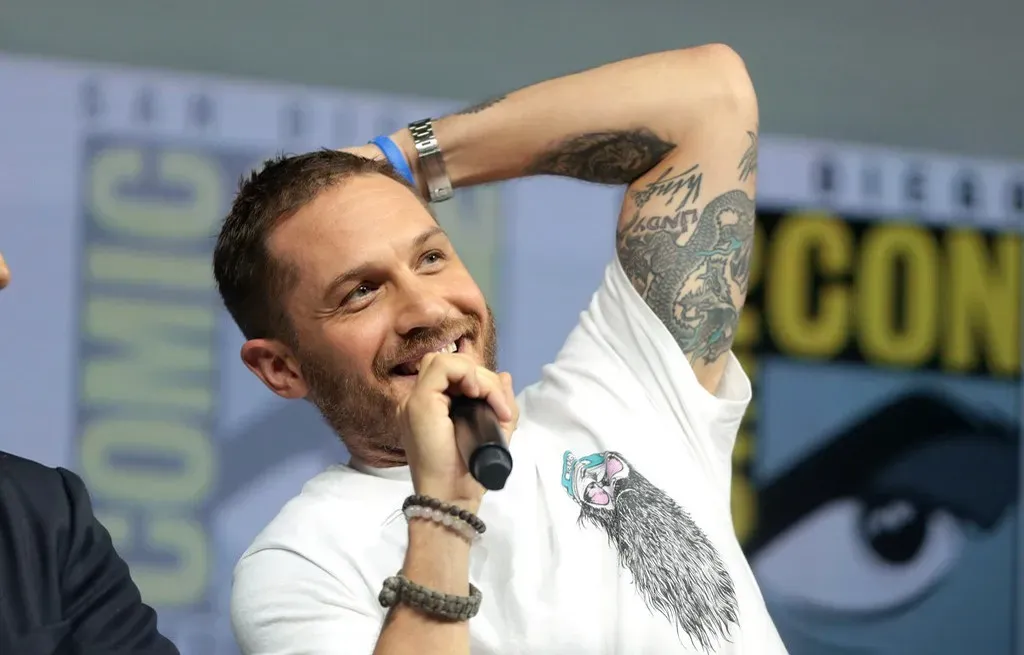
Tom Hardy stepped into the Mad Max franchise for a production famous for using minimal digital effects, favoring real vehicles, real desert terrain, and real stunt work whenever the shoot could manage it safely. Hardy performed a significant portion of his own physical action throughout the film, including sequences involving moving vehicles and hand-to-hand combat filmed largely practically rather than against green screen.
The production’s philosophy under director George Miller was built around authenticity, and that meant asking its leads to be physically present in the chaos rather than composited into it afterward. Hardy’s willingness to do so fit a career pattern, since he’s taken a similarly hands-on approach in other physically demanding roles, treating the discomfort of real stunt work as part of getting a performance right rather than something to be avoided.
Across all eight of these careers, the pattern is the same even when the stunts look nothing alike. Training for months, tolerating real risk, and trusting a director enough to stay in front of the camera rather than step aside for a double. It’s not the only way to make a good action movie, but it’s the reason certain scenes stick in people’s memories decades later.