Jazz has a reputation for being difficult, and that reputation keeps plenty of curious people away. In practice, a lot of the best-known records are warm, melodic, and surprisingly easy to sit with.
The seven albums below are well-documented classics that critics and listeners have returned to for decades. Each one offers a different doorway into the music, so you can follow whichever sound grabs you first.
Kind of Blue by Miles Davis
Released in 1959, Kind of Blue is the album most people point to first, and it’s often described as the best-selling jazz record of all time. Miles Davis recorded it for Columbia with a band that included John Coltrane, Cannonball Adderley, Bill Evans, and Paul Chambers. The sessions took place in March and April of 1959.
The music leans on modes rather than dense chord changes, which gives it a spacious, unhurried feel. That’s why it works so well for beginners. Nothing rushes you, and tracks like So What and Blue in Green leave plenty of room to simply listen.
Time Out by The Dave Brubeck Quartet
Time Out came out in 1959 on Columbia and became a surprise crossover hit. Its best-known track, Take Five, was written by saxophonist Paul Desmond and reached a wide pop audience. The album is built around unusual time signatures such as five-four and nine-eight.
Despite the rhythmic experiments, it sounds relaxed and tuneful. Desmond’s smooth alto tone carries the melodies, while Brubeck’s piano keeps things grounded. If you’ve heard Take Five in a film or a café, this is the full record behind it.
A Love Supreme by John Coltrane
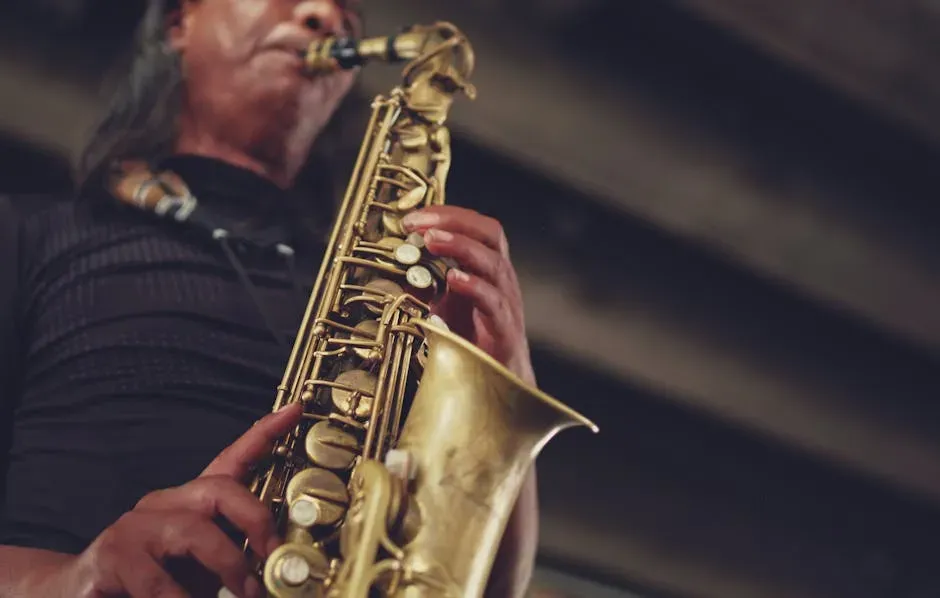
Recorded in December 1964 and released in 1965, A Love Supreme is a four part suite by saxophonist John Coltrane. He conceived it as a spiritual offering, and the parts are titled Acknowledgement, Resolution, Pursuance, and Psalm. His classic quartet performs it, with McCoy Tyner, Jimmy Garrison, and Elvin Jones.
It’s more intense than the albums above, yet it’s surprisingly approachable thanks to the opening bass motif that returns throughout. At roughly thirty three minutes, it’s also short enough to hear in one sitting. Try it once you’ve settled into the genre a bit.
Ella and Louis by Ella Fitzgerald and Louis Armstrong
Recorded in 1956 for Verve, this album pairs two of the most recognizable voices in jazz. Ella Fitzgerald sings standards, Louis Armstrong adds his gravelly voice and trumpet, and the Oscar Peterson Trio provides backing. Songs include Cheek to Cheek and Moonlight in Vermont.
If instrumental jazz feels like a leap, vocal records like this are a gentle way in. The songs are familiar, the lyrics are easy to follow, and the two singers clearly enjoy trading lines. It’s a good reminder that jazz was once simply popular music.
Moanin’ by Art Blakey and the Jazz Messengers

Released on Blue Note in 1958, Moanin’ showcases hard bop at its most soulful. The title track was composed by pianist Bobby Timmons, and the lineup includes trumpeter Lee Morgan and saxophonist Benny Golson. Golson also wrote Along Came Betty and Blues March for the record.
The grooves are strong and the melodies stick. You can tap your foot from the first bars, which makes it an easy entry point for rock or R&B fans. Drummer Art Blakey drives the band with plenty of energy.
Getz/Gilberto by Stan Getz and João Gilberto

This 1964 Verve album helped bring bossa nova to a worldwide audience. Saxophonist Stan Getz teamed with Brazilian guitarist and singer João Gilberto, with Antonio Carlos Jobim on piano. The Girl from Ipanema, featuring Astrud Gilberto’s vocal, became its signature hit.
It won the Grammy Award for Album of the Year at the 1965 ceremony, a rare honor for a jazz record. The mood is soft and breezy, so it suits background listening as easily as focused attention. For many people, it’s the gentlest introduction on this list.
The Köln Concert by Keith Jarrett
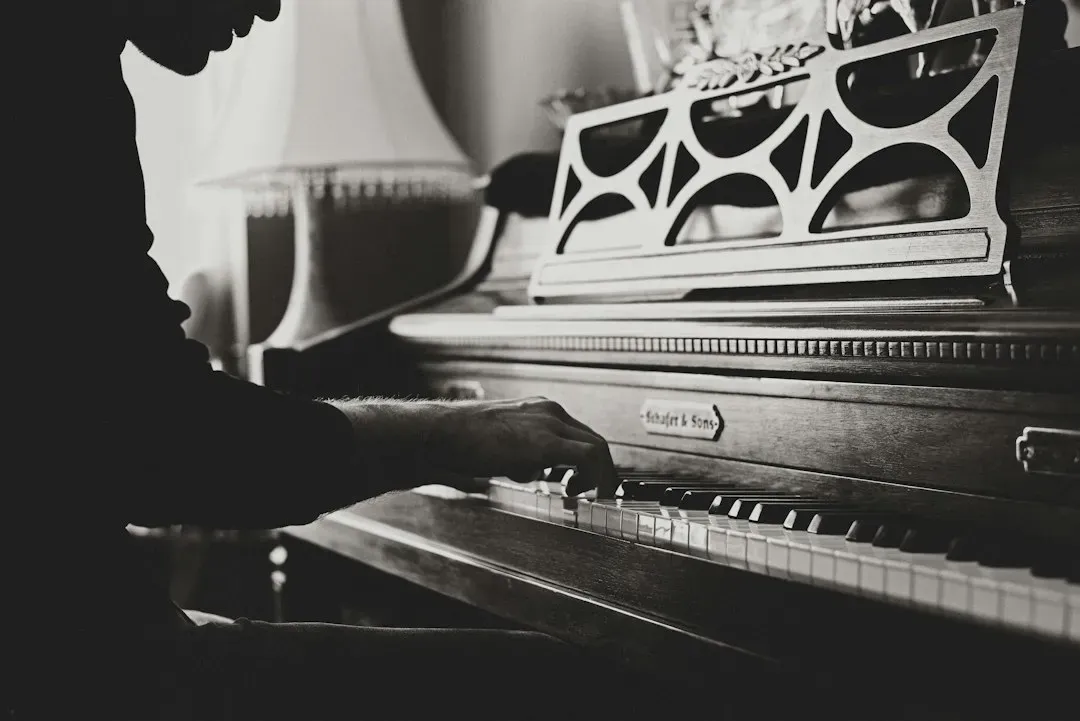
Recorded live in Cologne, Germany, on January 24, 1975, and released by ECM, this is a solo piano concert improvised on the spot. Pianist Keith Jarrett performed in less than ideal conditions, reportedly on a substitute piano, and still produced something memorable. It has since become one of the best-selling solo piano albums ever.
There are no bandmates or vocals to follow, only one player developing ideas in real time. The music moves from lyrical passages to driving, almost gospel like grooves. It’s an ideal late night album for listeners who like to get lost in a single sound.