
Every so often a movie comes along that turns into its own kind of experiment. Critics file their reviews, audiences buy their tickets, and somewhere in the gap between the two, a genuine argument breaks out. Sometimes it’s about tone, sometimes it’s about nostalgia, and sometimes nobody can quite agree on why the split happened at all. What follows are seven films where the usual consensus never showed up. Instead, the professional reviewers and the people actually paying for popcorn ended up telling two very different stories about the same two hours.
1. Star Wars: The Last Jedi (2017)
Few films illustrate the critic-audience divide better than this one. Rian Johnson’s entry landed with critics almost universally, with 42 of the first 44 reviews positive, giving the film a score of 85 on Metacritic and a 93 percent fresh rating on Rotten Tomatoes. That kind of reception, for a Star Wars sequel, looked like a home run heading into opening weekend.
Then the audience numbers came in, and the story flipped. The Last Jedi settled at a 56 percent audience rating from over 100,000 user ratings on Rotten Tomatoes, tying it with Attack of the Clones for the lowest audience-rated Star Wars film. Fans argued over Luke Skywalker’s arc, the film’s humor, and its handling of legacy characters, and that argument has never fully gone away.
2. Venom (2018)

Venom arrived to a rough critical reception, with reviewers calling out its uneven tone and messy plotting. Rotten Tomatoes gave the film a critical score of 32 percent, with a consensus that it turned out chaotic and noisy. On paper, that should have sunk it.
Audiences disagreed almost completely. The film’s critical score sat around 30 percent positive, while its audience score claimed 89 percent liked it, a gap so wide it became one of the most talked-about disconnects in modern blockbuster history. Tom Hardy’s odd, committed performance seems to have carried the film for regular viewers in a way it never did for reviewers.
3. Megalopolis (2024)
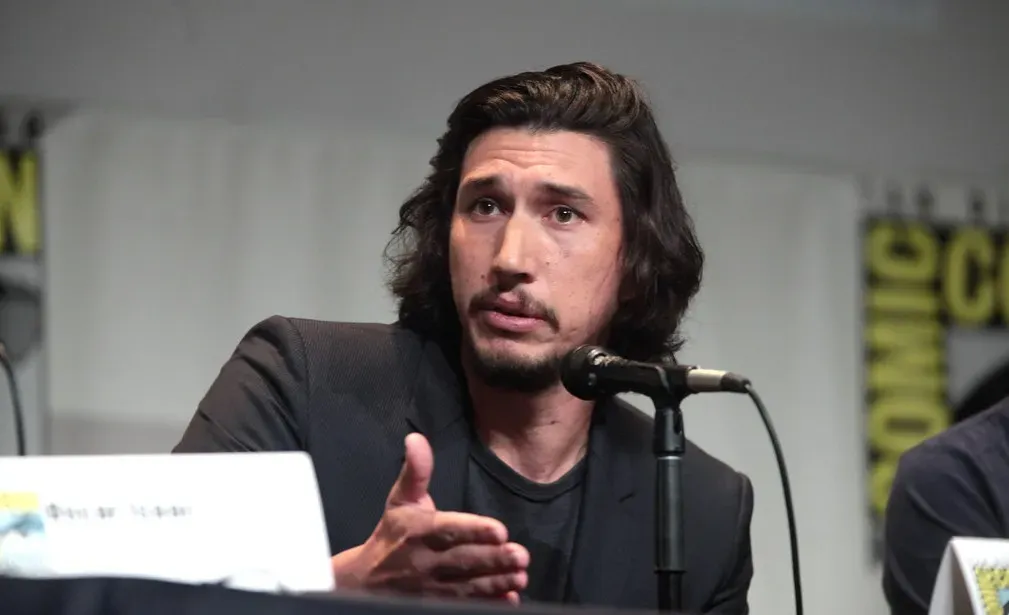
Francis Ford Coppola spent decades trying to get this passion project made, eventually funding much of it himself. When it finally premiered, the reaction was less a consensus than a shrug split in two directions. The film garnered a 51 percent approval rating on Rotten Tomatoes and a score of 56 out of 100 on Metacritic, indicating a mixed or average response from critics.
Audiences were noticeably tougher on it than critics were. The movie held an audience score of 40 percent with over 100 user ratings, slightly worse than the critical score of 49 percent from 190 reviewers. Even critics who admired its ambition often admitted the film was, in their own words, a beautiful mess.
4. Joker: Folie à Deux (2024)
Todd Phillips’ sequel to his billion-dollar hit took a hard left turn into musical territory, and reactions splintered almost immediately after its Venice premiere. On Rotten Tomatoes, Joker: Folie à Deux currently holds a critics score of 39 percent, making it rotten, and an even lower audience score of 37 percent. That’s an unusual case where critics and audiences landed close together, but both were sharply divided internally.
The reviews themselves ranged from dismissive to enthusiastic, sometimes for the same scenes. One critic called it a punishingly dull affair with very little plot, while another described it as a masterpiece, not a once-in-a-generation masterpiece but an ambitious and emotionally intelligent film that challenges everything it touches. Few recent films have generated such a wide spread of honest opinion under one Rotten Tomatoes page.
Partner offer
5. Disney’s Snow White (2025)

Disney’s live-action remake became a lightning rod months before anyone had actually seen it, thanks to casting debates and cast members’ public comments about the original story. Once reviews landed, critics were unimpressed. The movie was panned by critics and sat at a disappointing 44 percent score on the Tomatometer.
Ticket buyers, though, told a different story almost right away. Audiences were considerably more favorable, leading to a 71 percent Popcornmeter score, a 27 percent difference that was described as stark. Some of that audience enthusiasm was later complicated by reports of review-bombing on unverified platforms, which only added another layer to an already messy reception.
6. Batman v Superman: Dawn of Justice (2016)
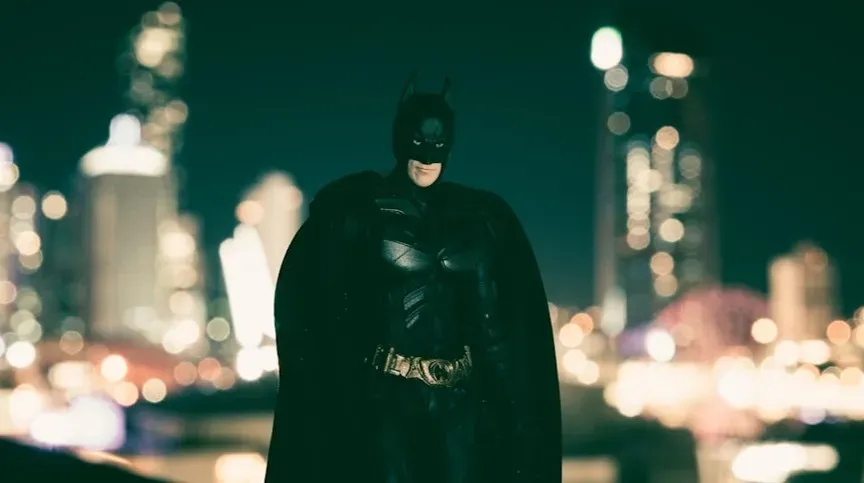
Zack Snyder’s attempt to merge DC’s two biggest icons landed with a thud among reviewers, who criticized its murky plotting, grim tone, and overstuffed runtime. Critics largely considered it a disappointing start to the DC Extended Universe, with reviews frequently pointing to muddled storytelling and an underused Superman.
Regular moviegoers were noticeably more forgiving. Audience scores landed well above the critical consensus, with many viewers praising the visuals, the Wonder Woman introduction, and the sheer scale of it, even while acknowledging the script’s problems. The gap became one of the go-to examples whenever people debate whether critics and casual fans are simply looking for different things.
7. Ghostbusters (2016)

Paul Feig’s reboot, led by an all-female cast, walked into a reception that had almost nothing to do with the movie itself before it even opened. Critics were generally kind to it, appreciating the chemistry between its leads and its willingness to update a beloved franchise for a new era.
Audience scores told a messier story, weighed down by a wave of review activity tied to backlash over the film’s casting and marketing rather than the content on screen. It became one of the clearest examples of how outside noise, not just the film itself, can widen the distance between what critics say and what shows up in audience numbers. Taken together, these seven films are a reminder that a single score, whether from a critic or from an anonymous audience rating, rarely tells the whole story. Sometimes the gap comes down to genuine differences in taste. Other times it’s shaped by expectations, controversy, or simply what people wanted a franchise to be. Either way, the split itself often ends up being more interesting than the verdict on either side.
Partner offer
Planning a trip to Vegas?
Compare hotel rates and show tickets on VEGAS.com.