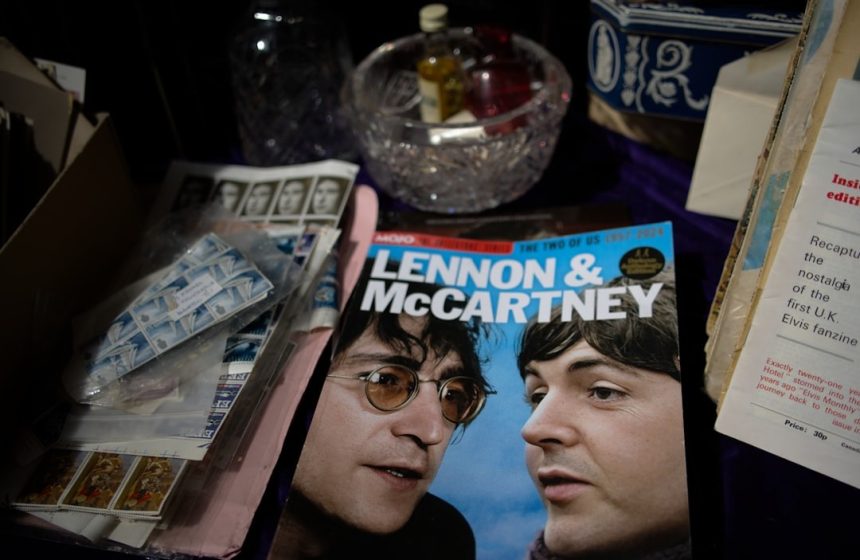
Most people know these names from radio hits, sold-out stadium tours, or iconic album covers. What’s far less obvious is the size of their bank accounts, which in many cases have little to do with music at all. The fortunes built by today’s wealthiest musicians are staggering, and in several cases they’ve been quietly compounding for years.
According to Forbes, as of March 2026, seven music artists have reached billionaire status, with Jay-Z leading the list at $2.8 billion, Taylor Swift recognized as the richest female musician, and Rihanna noted as the first female artist to become a billionaire. Here’s the full picture, ranked from lowest to highest.
7. Dr. Dre – $1 Billion
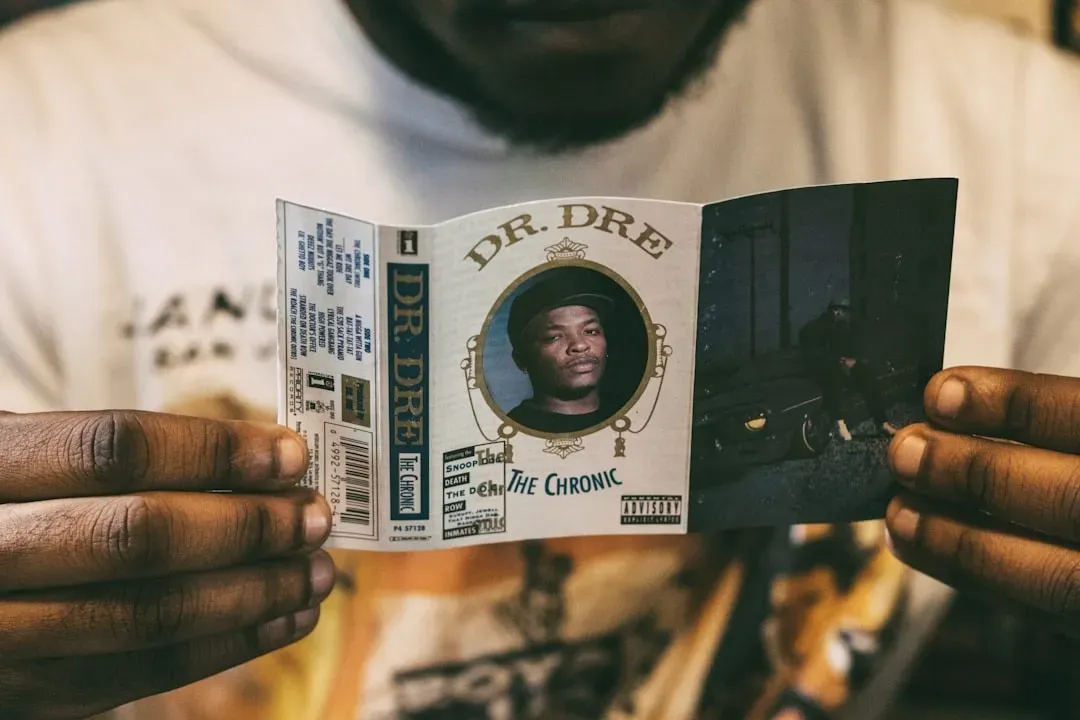
Andre Romelle Young, better known as Dr. Dre, sits on Forbes’ World’s Billionaires List with an estimated net worth of $1 billion as of April 2026, making him one of only a handful of performers to achieve that status, joining Jay-Z, Beyoncé, Taylor Swift, Rihanna, and Bruce Springsteen. The bulk of that fortune traces back to a single defining deal. Dre cofounded headphone maker Beats Electronics and streaming service Beats Music, which he and other investors sold to Apple for some $3 billion in cash and stock in 2014.
Dre founded Aftermath Entertainment in 1996 and played a pivotal role in launching the careers of Eminem, 50 Cent, and Kendrick Lamar. His production royalties from those acts continue to generate income decades later. While Dre’s massive 2014 sale of Beats to Apple is responsible for the bulk of his wealth, that’s only the beginning of the story. His ongoing influence in music and business keeps his fortune growing well past the studio floor.
6. Bruce Springsteen – $1.1 Billion
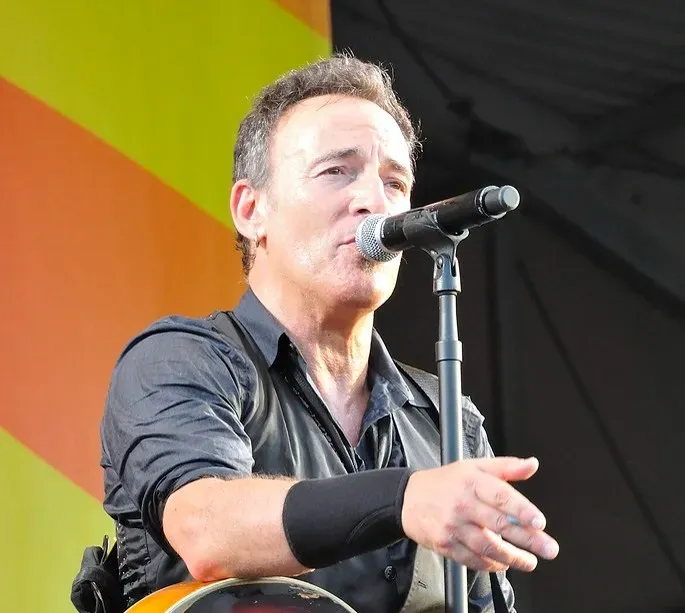
Bruce Springsteen reached billionaire status through exceptionally savvy financial decisions, most notably selling his entire musical catalogue, including more than 300 songs and 20 albums, to Sony in 2021 for a figure close to $750 million, which represents the largest amount ever paid for a musical catalogue and comprises most of his net worth. The timing of that sale raised eyebrows in the industry, but it proved to be the kind of move that separates wealthy artists from genuinely wealthy ones.
Springsteen’s touring career has grossed nearly $2.3 billion across over a thousand shows, with his 2023 to 2025 tour with the E Street Band alone earning close to $730 million. Few legacy artists can claim those numbers. He joins Jay-Z, Taylor Swift, Beyoncé, and Rihanna in the exclusive group of musician billionaires recognized by Forbes. The Boss, it turns out, also has a head for business.
5. Paul McCartney – $1.2 to $1.3 Billion
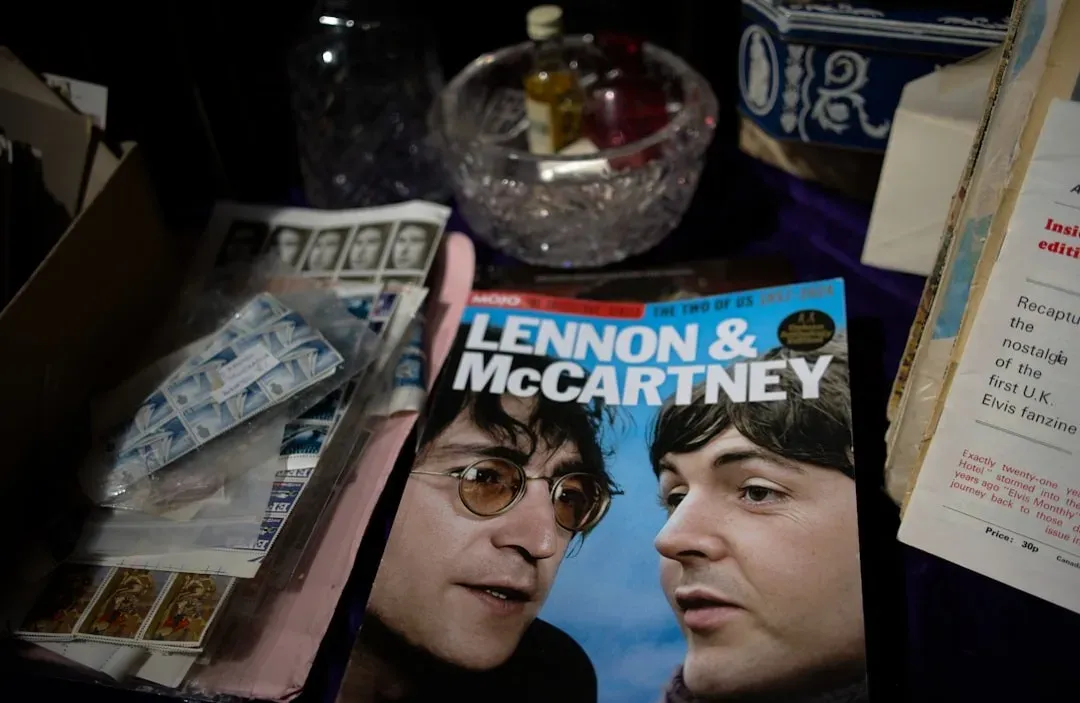
Paul McCartney’s net worth in 2026 is estimated at roughly $1.3 billion, with most of his fortune coming from Beatles royalties, solo music, touring, publishing ownership, licensing agreements, and long-term catalogue value accumulated over more than six decades in the industry. He’s a rare case where the money never stopped arriving. Sir Paul and wife Nancy saw their personal fortune rise from £1.025 billion in 2025 to £1.055 billion in 2026, according to the Sunday Times Rich List.
The Beatles remain one of the most commercially successful bands ever, meaning McCartney still earns from streaming, vinyl reissues, documentaries, merchandise, licensing, and global media use tied to the group’s music. That passive income alone would sustain a comfortable life. McCartney’s publishing company owns over 25,000 song copyrights, a portfolio that quietly compounds in value year after year while he continues performing well into his eighties. Worth noting, McCartney is listed as a billionaire by the Sunday Times Rich List, though he has not been officially accorded that status by Forbes.
4. Rihanna – $1.4 Billion
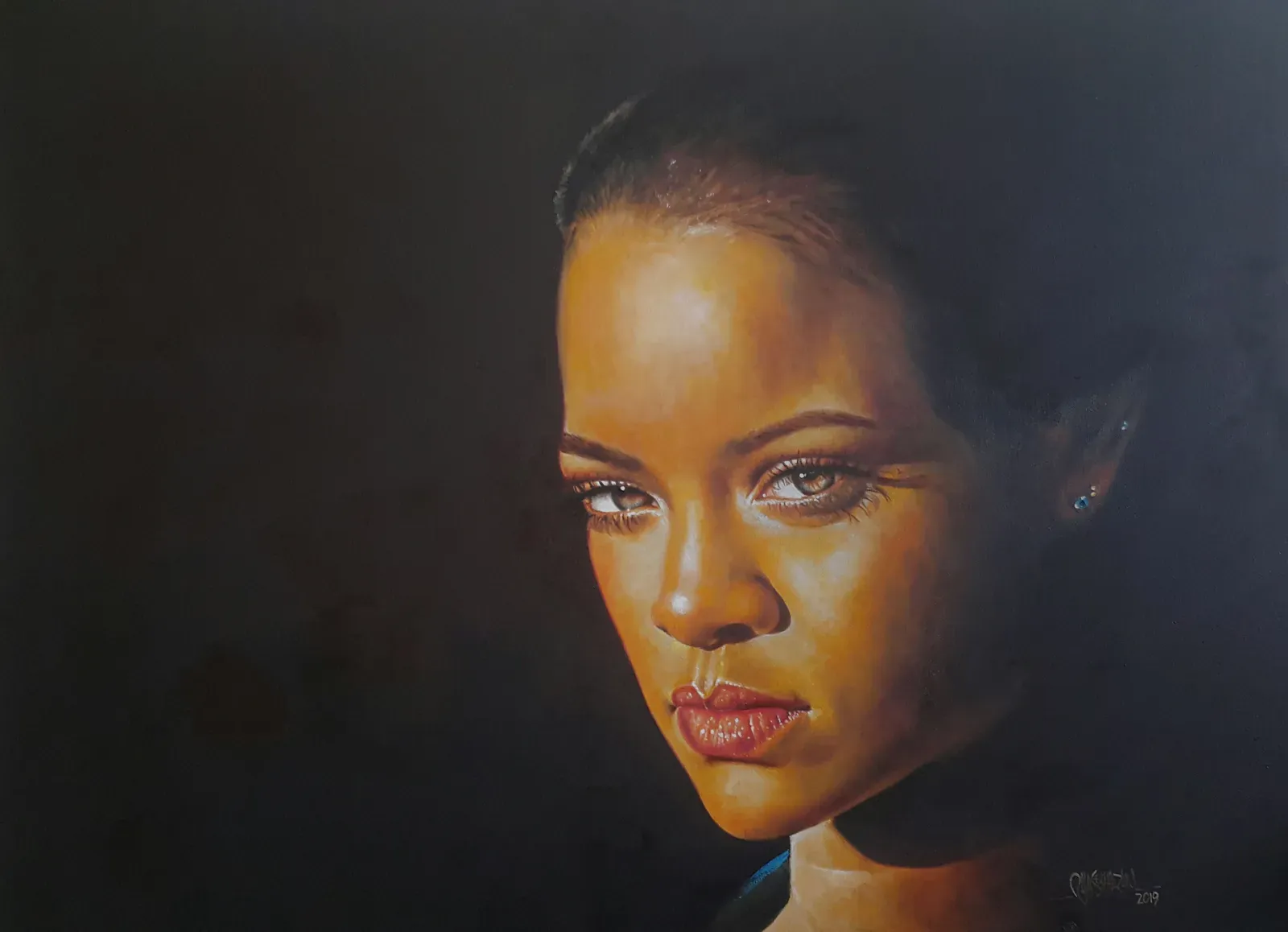
While Rihanna keeps fans guessing about new music after a decade without a new album, her fortune was largely built offstage, with her biggest asset being Fenty Beauty, the cosmetics company she co-owns with LVMH, whose stake the conglomerate is reportedly exploring selling in a deal that could value the company between $1 billion and $2 billion. The gap between her musical output and her financial output is striking. Fenty Beauty revolutionized the cosmetics industry with inclusive shade ranges, while Savage X Fenty disrupted lingerie retail, and these brands generate the majority of her $1.4 billion valuation, making her the first female artist to reach billionaire status.
Partner offer
Rihanna owns roughly half of Fenty Beauty and about a third of Savage X Fenty. Those ownership stakes are the real engine. The billionaire musicians, Swift and Rihanna included, all found ways to own appreciating assets rather than simply collect depreciating royalty streams. Rihanna understood this before most artists even thought to ask the question.
3. Taylor Swift – $1.6 to $2 Billion
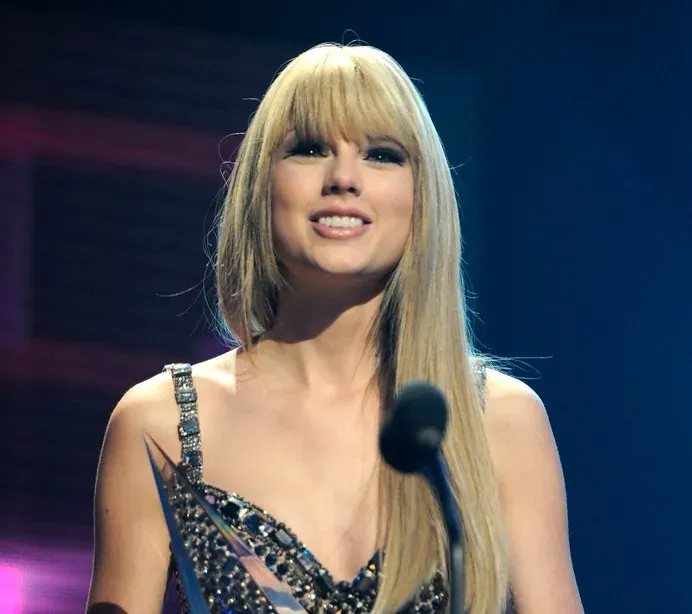
Taylor Swift’s net worth reached $1.6 billion in 2026, according to Forbes, cementing her position as the wealthiest musician who built her fortune primarily through music. That distinction matters. Unlike her billionaire peers on this list, Swift became a billionaire in October 2023 primarily through the value of her music catalog and the runaway success of her most recent stadium tour, making her the first musician to become a billionaire primarily based on songs and live performances.
Her multibillion-dollar net worth stems in part from over $800 million from royalties and touring, a 12-album catalog valued at around $600 million, and over $110 million in real estate, while the Eras Tour ran from March 2023 to November 2024 and grossed over $2 billion at the box office, making it the highest-grossing tour in world history. Her strategic decision to re-record albums after a dispute with her former label not only boosted her earnings but also inspired artists globally to regain control of their work. Few business decisions in recent music history have been as financially effective.
2. Beyoncé – $1 Billion+
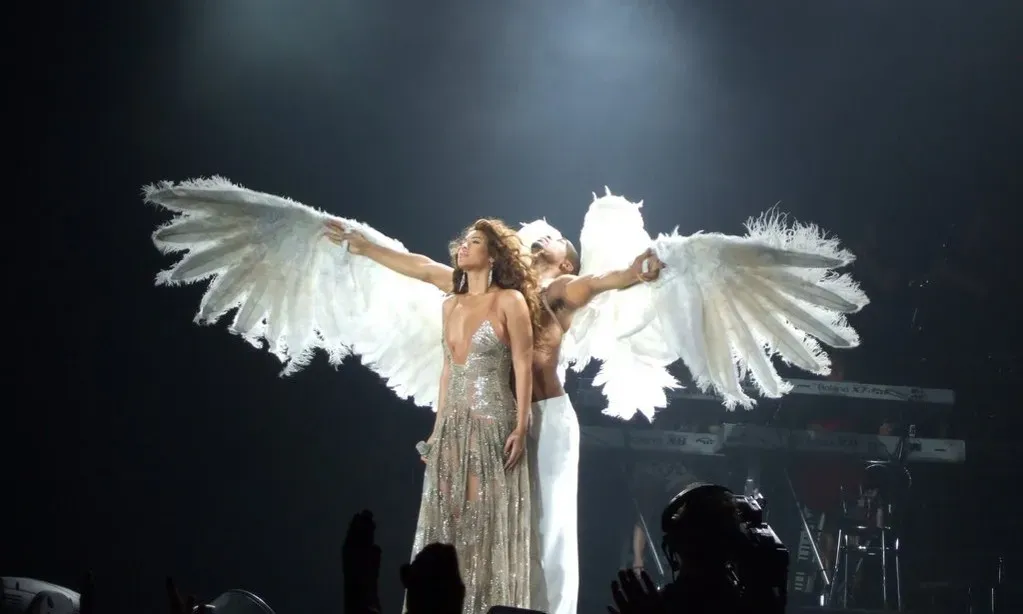
Beyoncé Giselle Knowles-Carter became only the fifth musician in history to reach billionaire status in December 2025, according to Forbes. Her path there was notably different from her peers. The majority of Beyoncé’s net worth comes from her roughly three decades as a solo performer and a member of Destiny’s Child, and she holds the record for the most Grammy wins ever with 35, including her first Album of the Year trophy in 2025.
Beyoncé’s wealth was built through compounding ownership across dozens of revenue streams, none of which required her to sell a major asset, and she still owns her catalog, still controls Parkwood, and still holds equity in her brands. That structural approach is what separates her story from nearly everyone else on this list. In addition to her musical success, Beyoncé enhanced her wealth with ventures like her Ivy Park clothing line and Cécred hair brand. The billion arrived not through a single windfall, but through decades of refusing to leave money on the table.
1. Jay-Z – $2.8 Billion
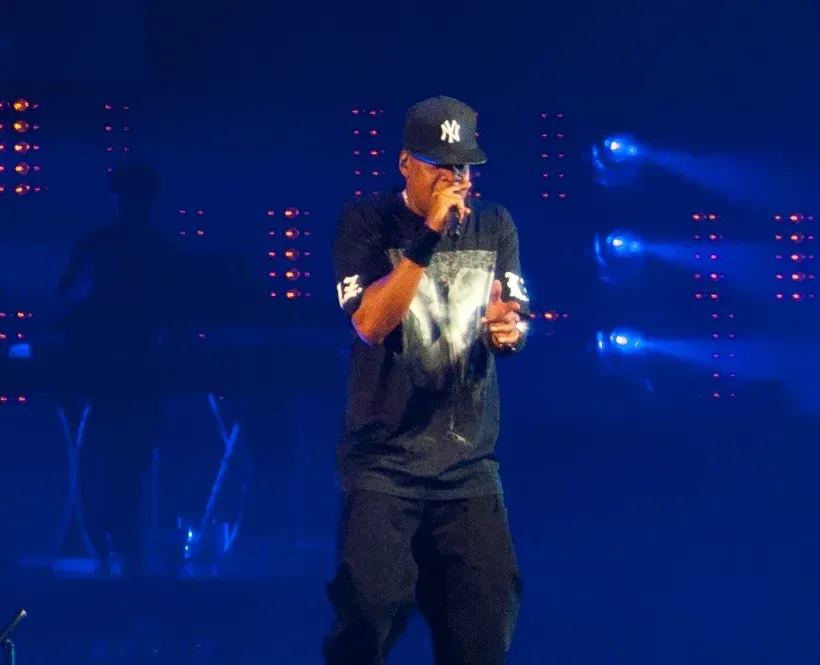
Jay-Z is the world’s wealthiest musician, with an estimated net worth of $2.8 billion. His music catalog, impressive as it is, accounts for a relatively small fraction of that total. Since becoming hip-hop’s first billionaire in 2019, Jay-Z has more than doubled his fortune, thanks largely to his lucrative liquor businesses, having sold 50% of spirits brand Armand de Brignac to LVMH in 2021 and a majority stake in cognac brand D’Usse to Bacardi in 2023.
He is also chairman and cofounder of entertainment company Roc Nation, and holds stakes in music streaming giant Tidal and the 40/40 Club sports bar, with other assets ranging from a fine art collection including works by Jean-Michel Basquiat to shares in companies like Block and Uber. His music catalog is worth only approximately $95 million, representing less than 4% of his total net worth, with the real money coming from ownership rather than royalties. That’s the cleanest summary of how modern musician wealth actually works.
The throughline across all seven names is ownership. Catalogs, equity stakes, brand deals structured as partial ownership rather than endorsements. The artists who crossed the billion-dollar mark didn’t just perform well. They understood, sooner or later, that the real leverage was in holding the asset, not just creating it.
Partner offer
Planning a trip to Vegas?
Compare hotel rates and show tickets on VEGAS.com.