Walk into a multiplex today and the basics look familiar: a lobby, a popcorn machine, a dark room with a big screen. Spend a few minutes there, though, and the differences start to show. They’re in the seats, the menus, the projectors and even how a ticket gets bought.
Some of this change was gradual, and some came in sharp bursts after the pandemic and the rise of streaming. Here are seven of the shifts that matter most, with recent figures from 2024 to 2026 where they exist.
Recliners Replaced the Fold Down Seat
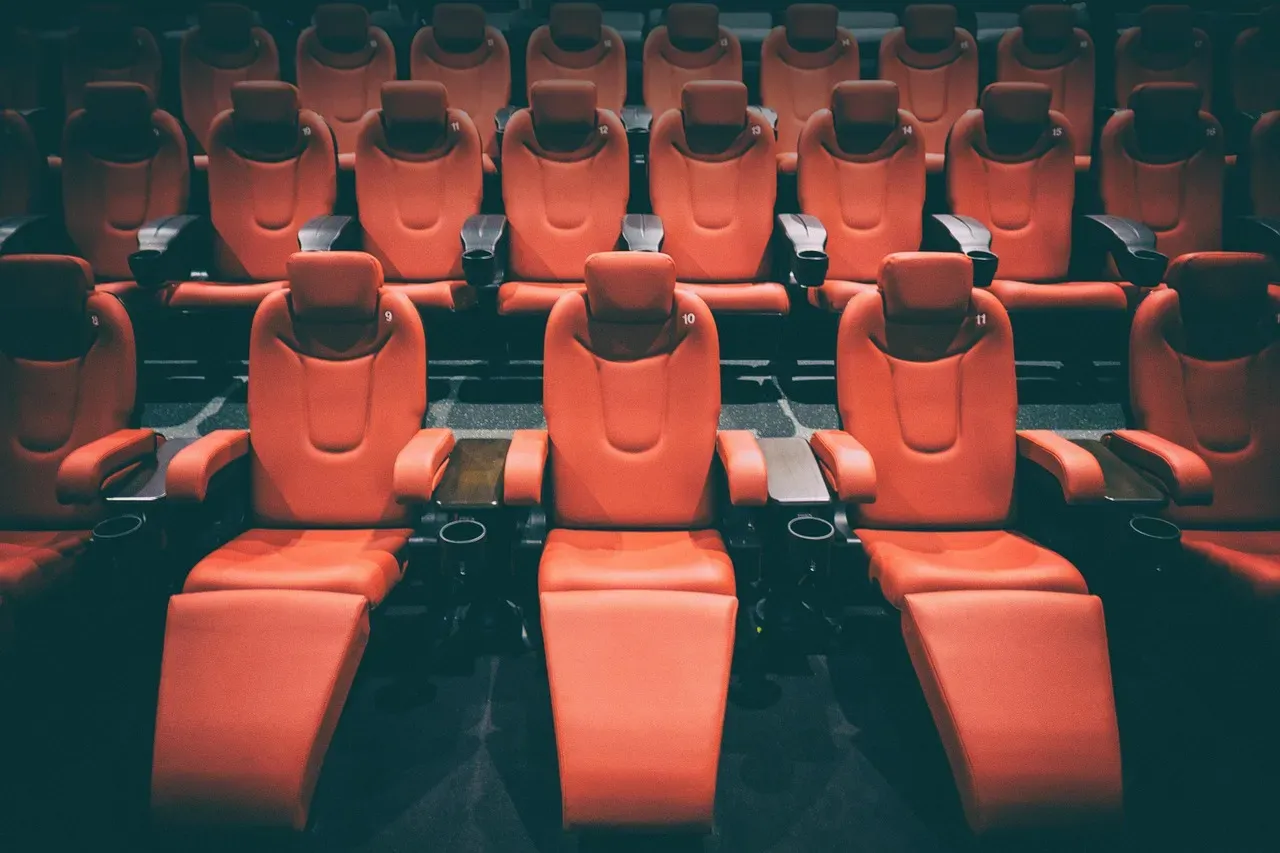
In the 1990s, stadium seating was the big upgrade, and it gave most people a clear view over the heads in front of them. The seat itself was still a modest, fold up cushion. Today, heated recliners are a selling point on their own.
The numbers show how far this has gone. Cinemark says it features luxury lounger recliners in 69% of its total domestic circuit. Marcus Theatres reported all recliner seating in 66 theatres as of the end of 2025, roughly 86% of its company owned theatres. Reading International says 67% of its U.S. screens have luxury recliners.
Film Prints Gave Way to Digital and Laser Projection
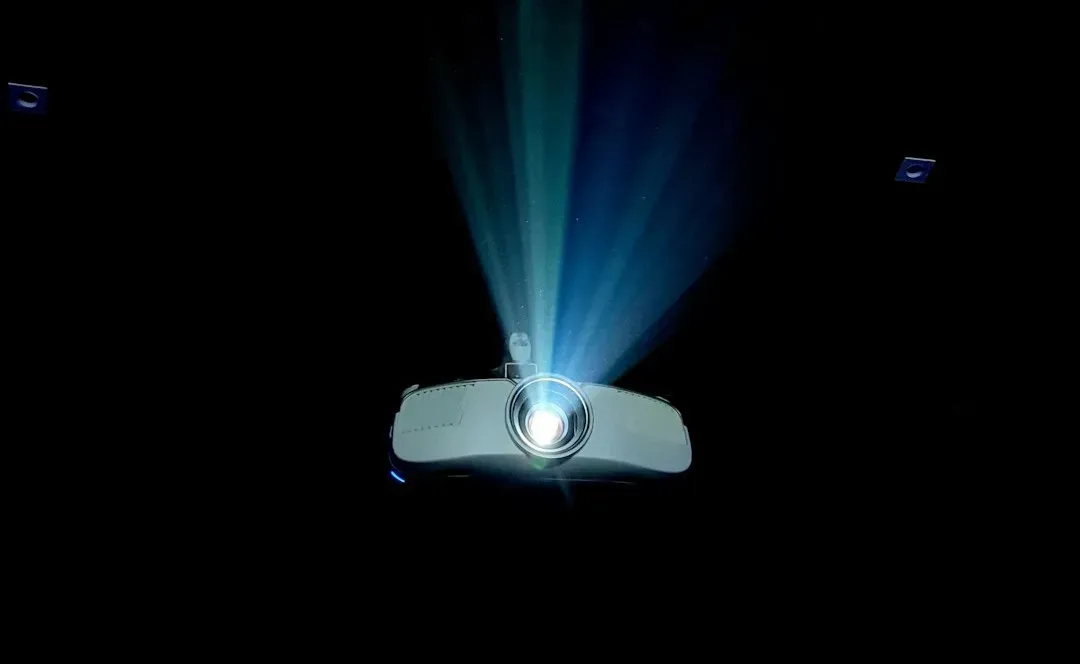
Through the 1990s, movies reached theaters as heavy reels of 35mm film. Prints scratched, faded and wore out over a long run. Digital projection has since replaced film in nearly all mainstream cinemas, and the picture stays the same from the first showing to the last.
The newest step is laser projection, which offers brighter images and deeper contrast. Cinemark said that premium experiences, including laser projection, D-BOX motion seats, XD auditoriums and recliners, now represent approximately 20% of its global circuit. Sound has moved along too, from the early digital formats of the 1990s to object based systems such as Dolby Atmos, which is installed in the premium screens at chains like Marcus.
Premium Large Formats Became a Major Draw
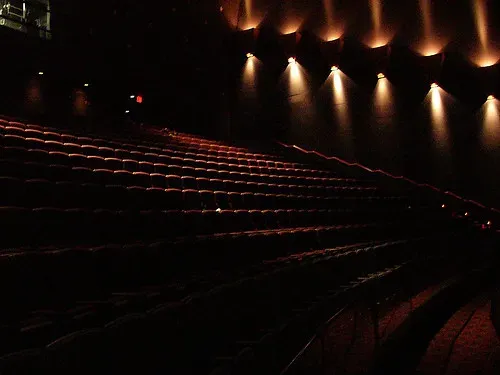
IMAX existed in the 1990s, but it was mostly a novelty found in science museums and a few special venues. Now premium large format screens, often shortened to PLFs, are a core part of the business. They include IMAX, Dolby Cinema, 4DX and chain owned brands such as AMC’s PRIME and Cinemark’s XD.
The audience is following. In 2025, more than 16% of tickets sold for domestic showtimes were for these types of theaters, according to EntTelligence data. IMAX generated a record $1.28 billion at the global box office that year, more than 40% above 2024 and 13% higher than its previous record from 2019. General tickets averaged $13.29 in 2025, while PLF tickets went for around $17.65.
The Concession Stand Turned Into a Full Menu
The classic 1990s order was popcorn, soda and maybe candy. Many theaters now serve hot meals, beer, wine and cocktails, sometimes delivered to your seat. The theater has moved closer to a restaurant that also shows films.
Operators have put real money behind this. Variety reports that theaters are investing in full service bars, expanded food and beverage services, heated reclining seats and premium large formats. Marcus operated in-lobby concession stands at six of its 20 in theatre dining locations as of the end of 2025, a sign that even dine in venues are blending the two models.
Tickets Moved From the Box Office Window to Your Phone

In the 1990s, you went to the theater, stood in line and hoped the show hadn’t sold out. If you wanted to plan ahead, you could call a recorded phone line to hear showtimes. Online ticketing began to appear near the end of that decade and has since become routine.
Reserved seating, once mostly a feature of special engagements, is now common at many chains. Subscription and loyalty programs add another layer. Cinemark grew its Movie Club by 10% in 2024 to nearly 1.4 million members, who represented 25% of its 2024 box office.
Streaming Reshaped What Plays and When
A 1990s film could stay in theaters for months before it reached home video. Today, home viewing is instant and cheap, so the window between theaters and streaming matters a great deal. Studios have taken different approaches to it.
For example, Universal Pictures kept a traditional release strategy in 2025, with all its films debuting in theaters before reaching Peacock. Exhibitors have also widened their schedules beyond studio blockbusters. Cinemark generated more than 10% of its box office from foreign, faith based, concert and repertory films for the third year in a row in 2024.
Fewer People Go, and Theaters Are Betting on Quality
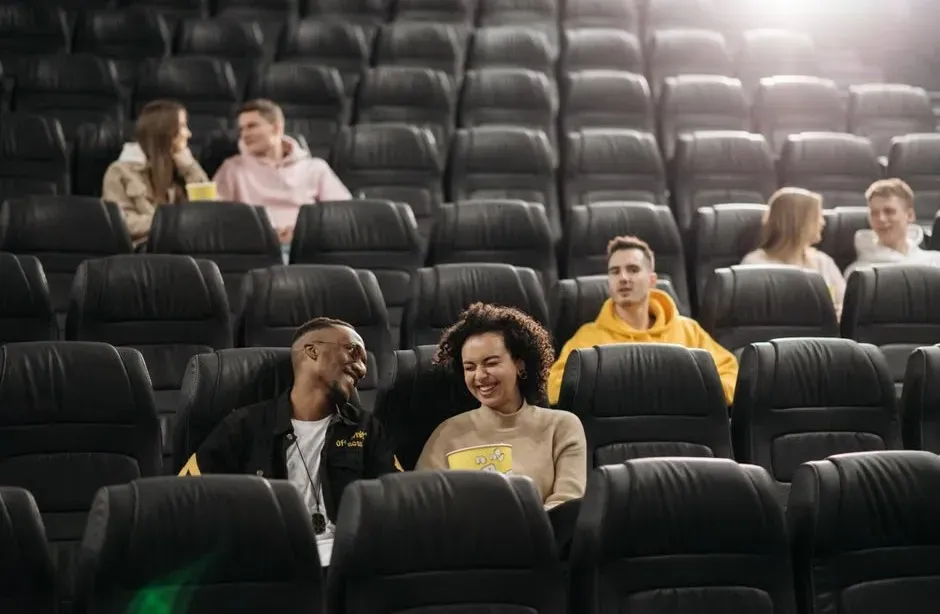
The biggest change may be how often people go. One industry research estimate puts the 2025 U.S. box office at about $8.8 billion, still 22% below 2019, with admissions down 37%. The same analysis argues that a return to the old levels looks unlikely without a major change in consumer behavior.
Theaters are responding by improving the experience rather than only adding screens. At CinemaCon in April 2025, the eight largest chains pledged $2.2 billion over three years for modernization, including recliners, premium formats and food upgrades. There are signs of recovery in 2026: the domestic box office reached $7.3 billion as of Sept. 7, about 20.8% ahead of the same point in 2025.