
Most of us hand over our keys with a mix of hope and mild dread. The phone rings a few hours later, someone rattles off part names, and a number lands at the end. You’re expected to say yes quickly.
That moment is where a little preparation pays off. Plenty of mechanics say the best customers aren’t the ones who know engines, but the ones who ask clear, calm questions. Here are six worth keeping in your back pocket.
What exactly is wrong, and how did you find out?
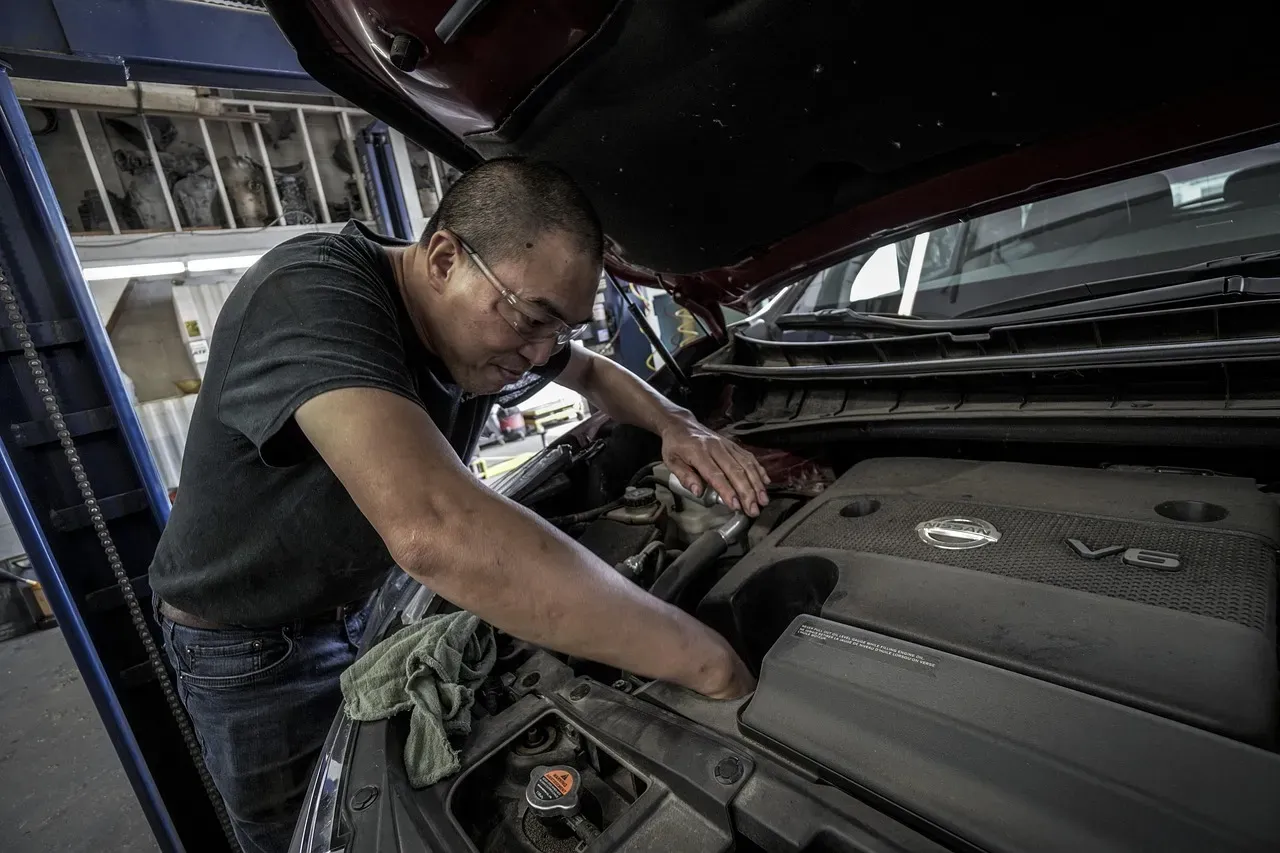
Start with the diagnosis itself. A good shop can explain the problem in plain language and tell you what test confirmed it, whether that was a scan of the trouble codes, a pressure test, a road test, or a visual inspection. A trouble code alone rarely names a failed part. It usually points to a system that needs further testing.
This matters because replacing parts based on a guess is one of the more common ways repair bills grow. If the explanation stays vague, ask the shop to show you the worn part or the test results. Reputable shops are generally happy to do that, and many will walk you out to the car.
Can I get a written estimate before work begins?

A verbal quote is easy to misremember and hard to dispute. A written estimate should break out parts, labor, shop fees, and taxes. The Federal Trade Commission advises consumers to get repair details in writing, and a number of states, including California, have rules requiring written estimates and customer authorization before work starts.
Ask, too, what happens if the shop finds something else once the car is opened up. A sensible policy is that they call you and get approval before adding anything. Having that agreed in advance keeps the final invoice from drifting far from the original number.
Is this repair urgent, or can it wait?

Not every recommendation carries the same weight. Brakes that are nearly worn through or a failing steering component are safety issues, while a minor seep from a gasket may be something to monitor. Asking a mechanic to sort the list into “fix now,” “fix soon,” and “keep an eye on” gives you a usable plan.
It also helps with budgeting. If a shop lists several items, you can ask which ones affect safety or could cause further damage if ignored. Spreading out the non urgent work is often perfectly reasonable, provided you understand the risk of waiting.
What kind of parts are you using, and what do they cost?
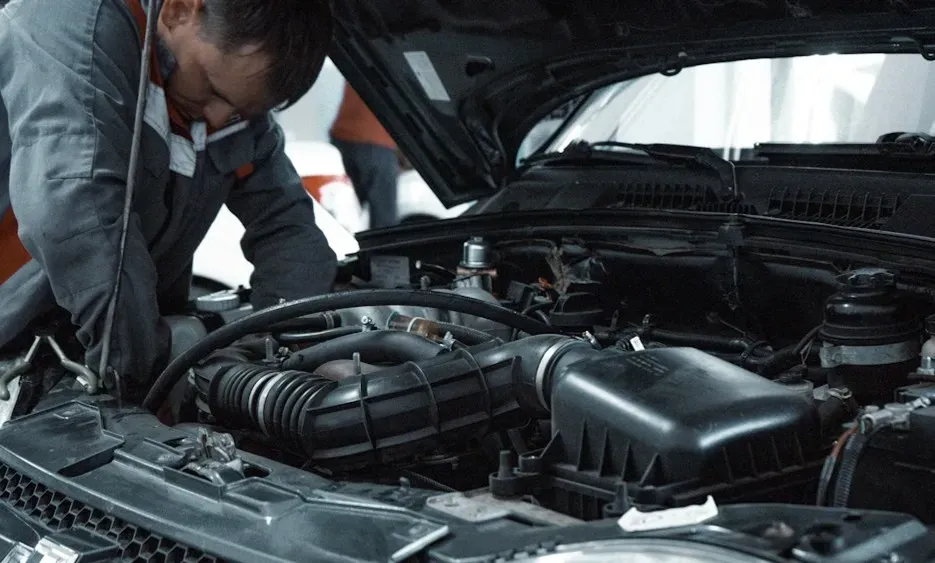
Parts come in several types: original equipment from the carmaker, aftermarket parts from other manufacturers, and sometimes remanufactured or used components. Each has a different price and quality range. Aftermarket parts can be a good value, though quality varies by brand, so it’s fair to ask which brand the shop plans to install.
Your car’s age and your plans for it matter here. A newer vehicle still under a warranty may require specific parts or documented service to keep coverage intact. On an older car you plan to drive for only a short while, a lower cost option can make more sense.
What warranty comes with the parts and the labor?

Warranties differ a lot from shop to shop. Some cover parts only, some cover labor too, and the length is set by time, mileage, or both. Get the terms in writing on the invoice so you know what to expect if the same problem comes back.
Ask whether the warranty is honored only at that location or at other shops in a network. That detail matters if you travel often or move. A repair that fails a month later is much less stressful when you already know who pays for the fix.
Can I see the old parts, and should I get a second opinion?
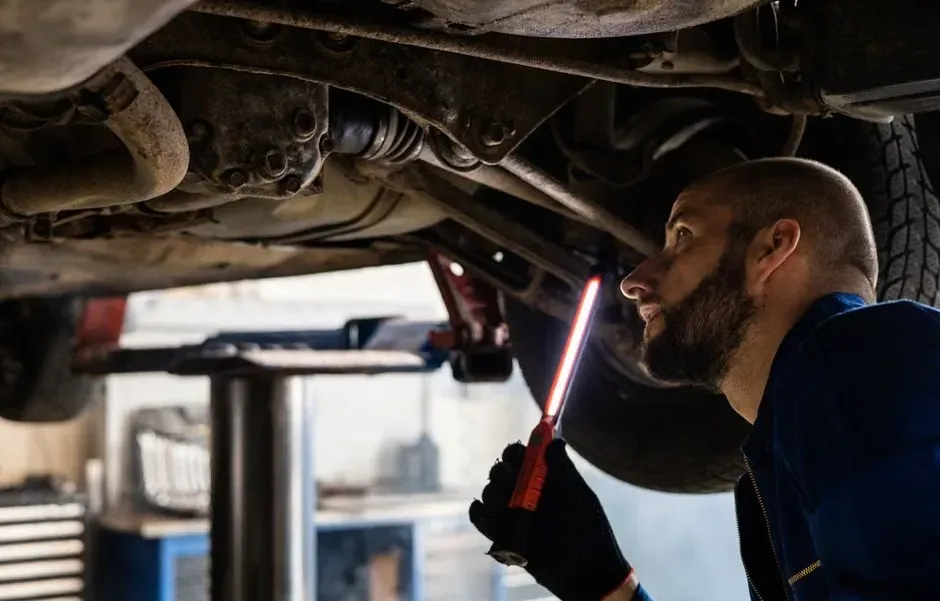
Asking to have the replaced parts returned is a long standing consumer tip, and some states require shops to offer it when you request it in advance. Seeing a cracked belt or a leaking water pump makes the repair feel concrete. It also gently signals that you expect the work to be done as described.
For larger jobs, a second opinion is not an insult. A quick call to another shop with the written diagnosis lets you compare the scope and price on equal terms. Spending a little time on that step can be worthwhile when the estimate runs into the thousands.