Cabin crews spend more hours in the air than almost anyone. Over time they pick up routines that make a long flight easier on the body, and many of those routines are simple enough for any passenger to copy.
None of them need special equipment or an upgraded ticket. Here are seven habits that come up again and again in advice from flight attendants and travel health guidance.
Drink Water Before and During the Flight
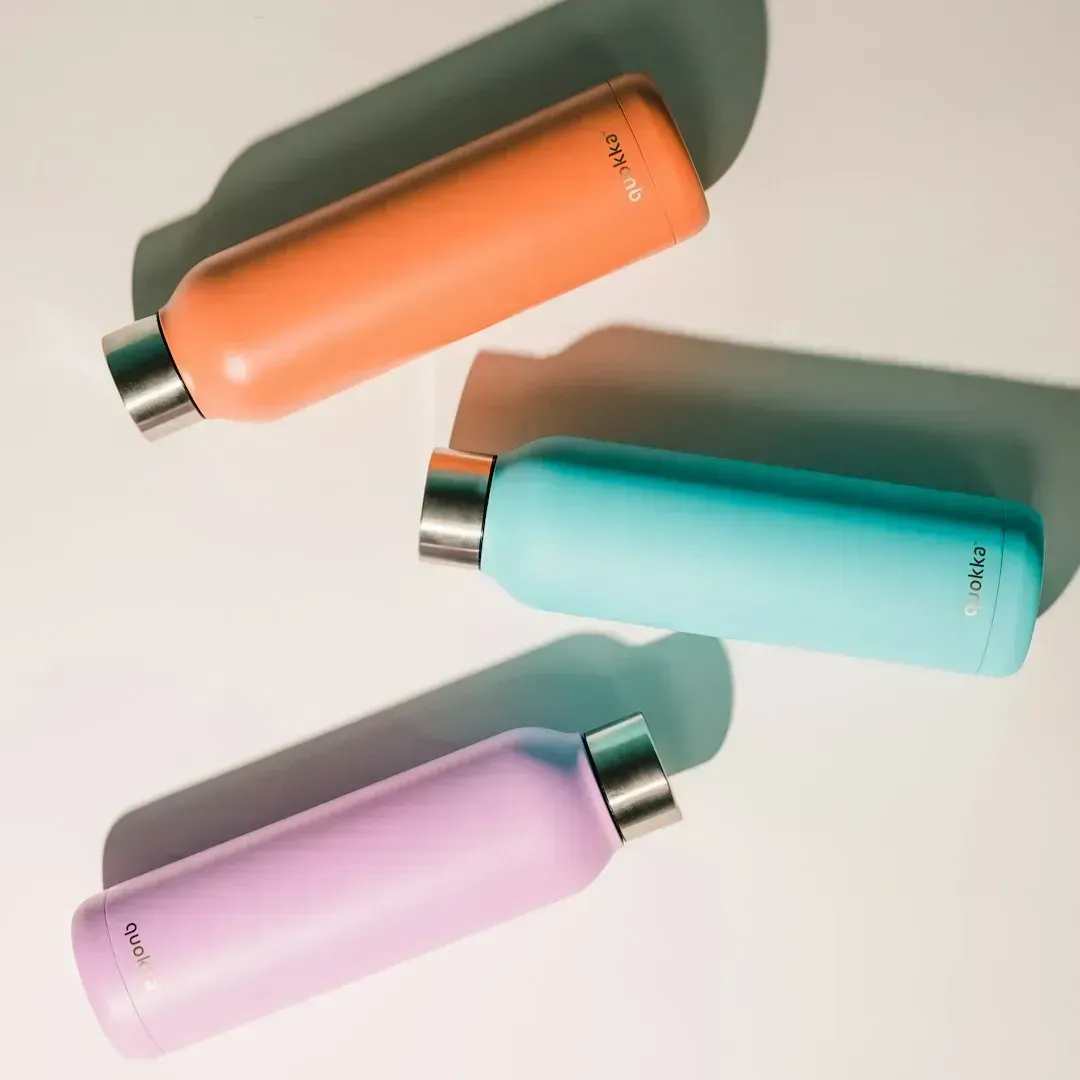
Cabin air is dry. Humidity in a plane usually hovers around 20 percent, while typical indoor humidity sits between 30 and 50 percent. That gap helps explain why many travelers land with headaches, tired eyes and dry skin.
Flight attendants often suggest a refillable bottle that you can top up on board. Crew will refill it during beverage service and at other times. Skipping water to avoid bathroom trips is a common mistake, since you lose water faster on a plane.
Wear Compression Socks
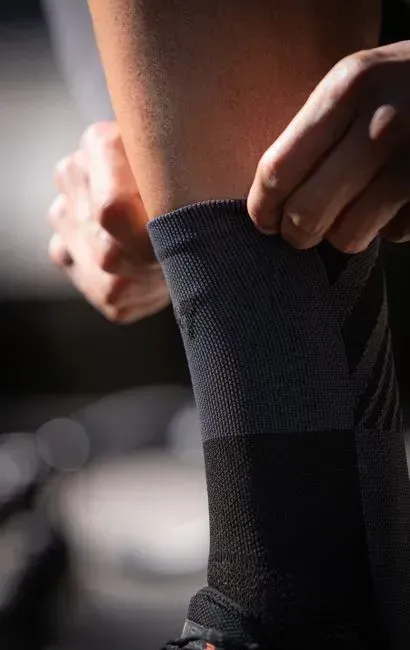
Sitting still for hours slows circulation in the legs. That can cause swelling and, in rare cases, deep vein thrombosis. Compression socks apply gentle pressure to the lower legs, which promotes better circulation.
One crew-sourced tip is to put them on before takeoff and take them off after landing. The same source says medical-grade compression of 15 to 20 mmHg works best. If you have a circulation condition, check with a doctor first.
Move Around Every Hour or So
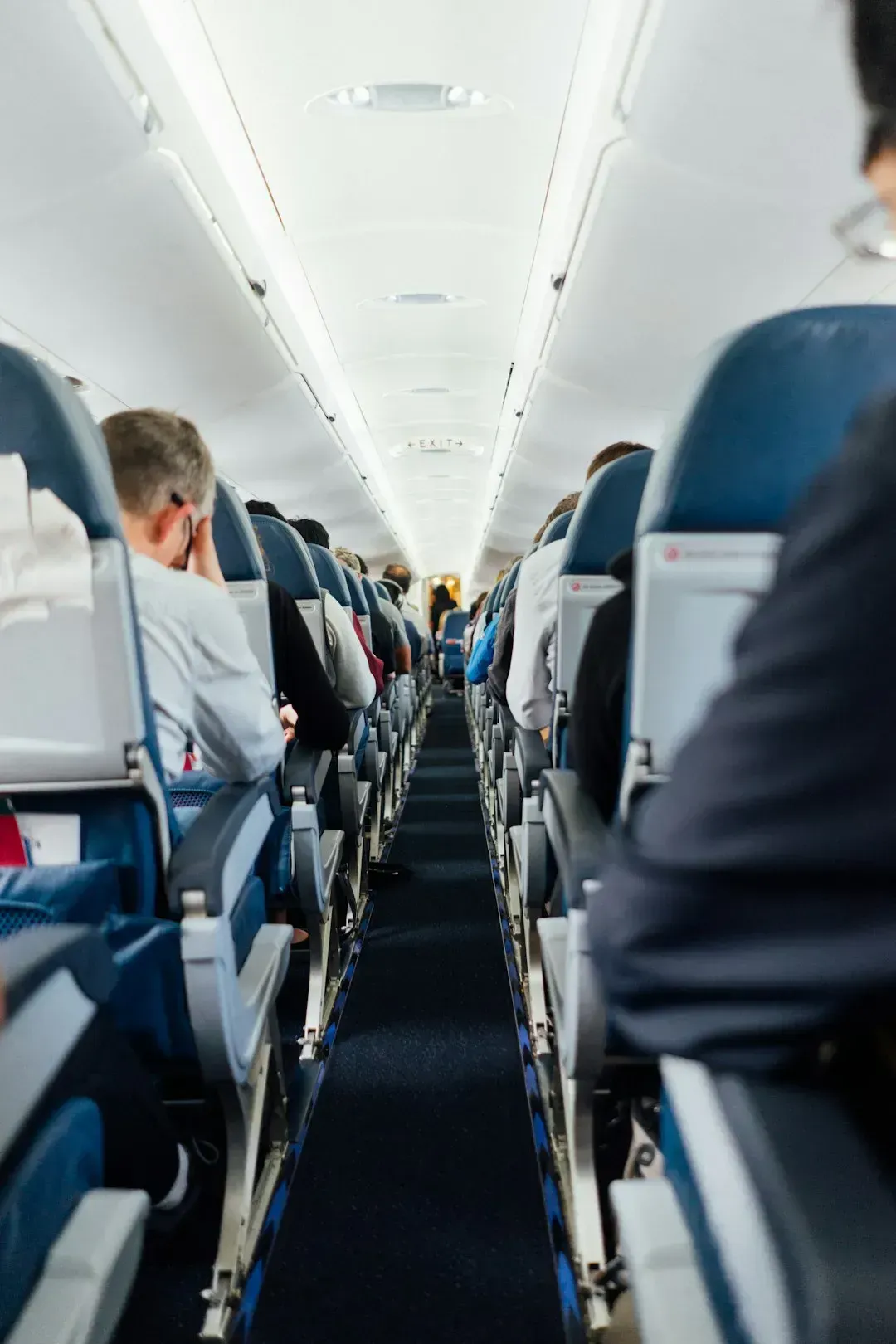
The seat belt sign isn’t on all the time, so you’ve got chances to stand. One guide suggests moving about every 90 minutes by walking the aisle or stretching your ankles. Even a short stroll to the galley helps.
If you’re stuck in a window seat, try seated stretches. Long flights can leave you stiff and sluggish, and small movements, such as ankle circles and shoulder rolls, take the edge off. After landing, forward fold and downward facing dog are two yoga poses recommended for countering the seated position.
Choose Your Snacks Carefully
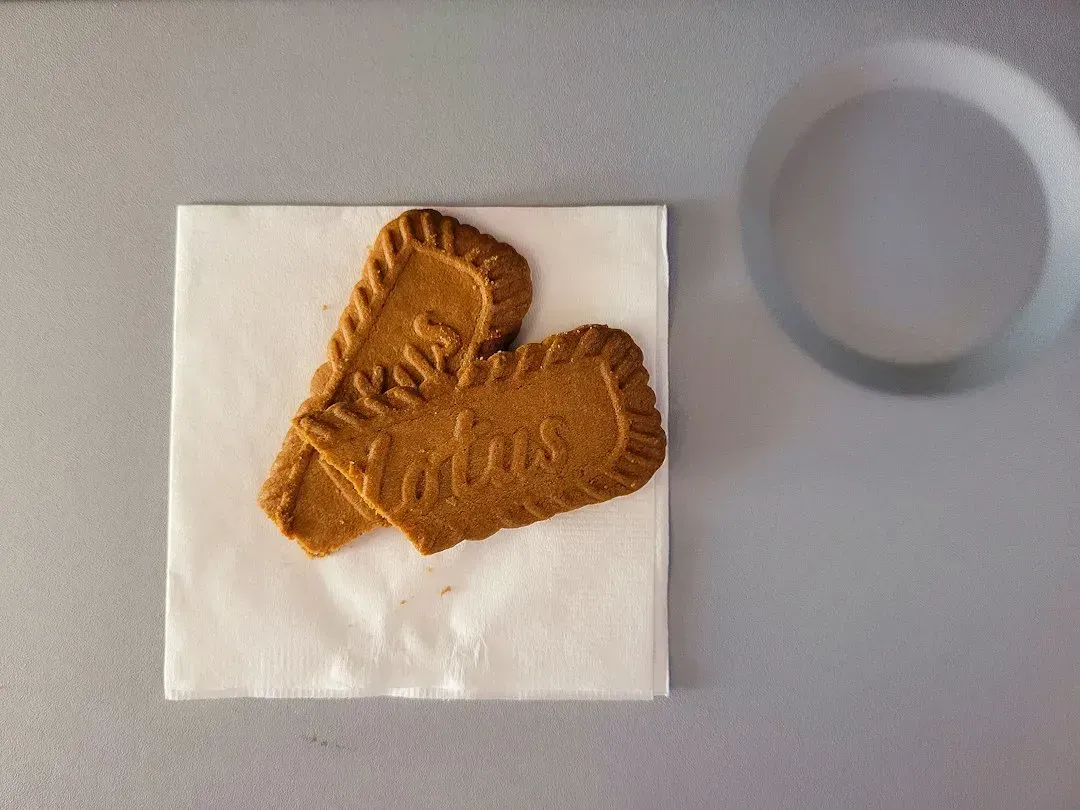
Airplane food can be hit or miss, so many crew members bring their own. One frequent traveler’s guide advises avoiding salty snacks like chips and pretzels on long flights to limit dehydration and swelling.
Packing fruit, nuts or a proper meal gives you control over what you eat and when. One packing roundup even recommends bringing instant ramen and asking for hot water, which is a practical comfort food for a cold cabin.
Dress in Comfortable Layers

Cabin temperatures swing, and you can’t count on getting the right blanket. Multiple light layers are the best choice on a long haul flight, regardless of the climate at your destination. A cardigan or a light jacket covers most situations.
Loose, breathable clothing matters too. Dressing in loose, breathable clothing is a standard comfort recommendation. Tight waistbands and stiff fabrics get annoying after eight hours.
Protect Your Skin and Keep a Small Wellness Kit
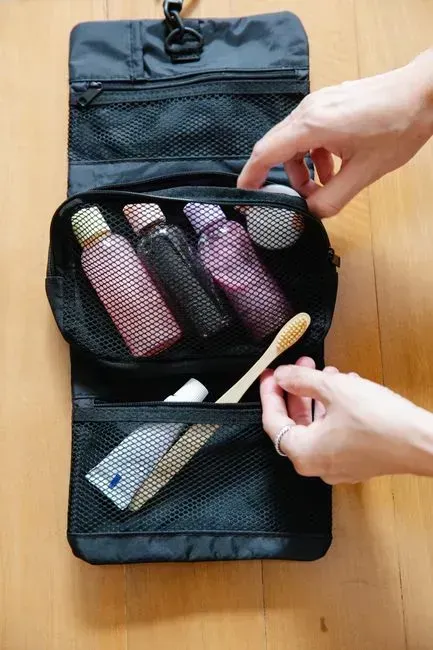
Dry air also hits your skin. Flight attendants recommend a good moisturizer along with plenty of water. Lip balm and a travel-size hand cream are easy to pack.
Many crew members also swear by keeping a wellness kit within reach. Think moisturizer, tissues, hand sanitizer and any medication you need. Keeping it in the seat pocket or under the seat means you won’t be digging through the overhead bin mid flight.
Prepare for Sleep and Time Your Requests
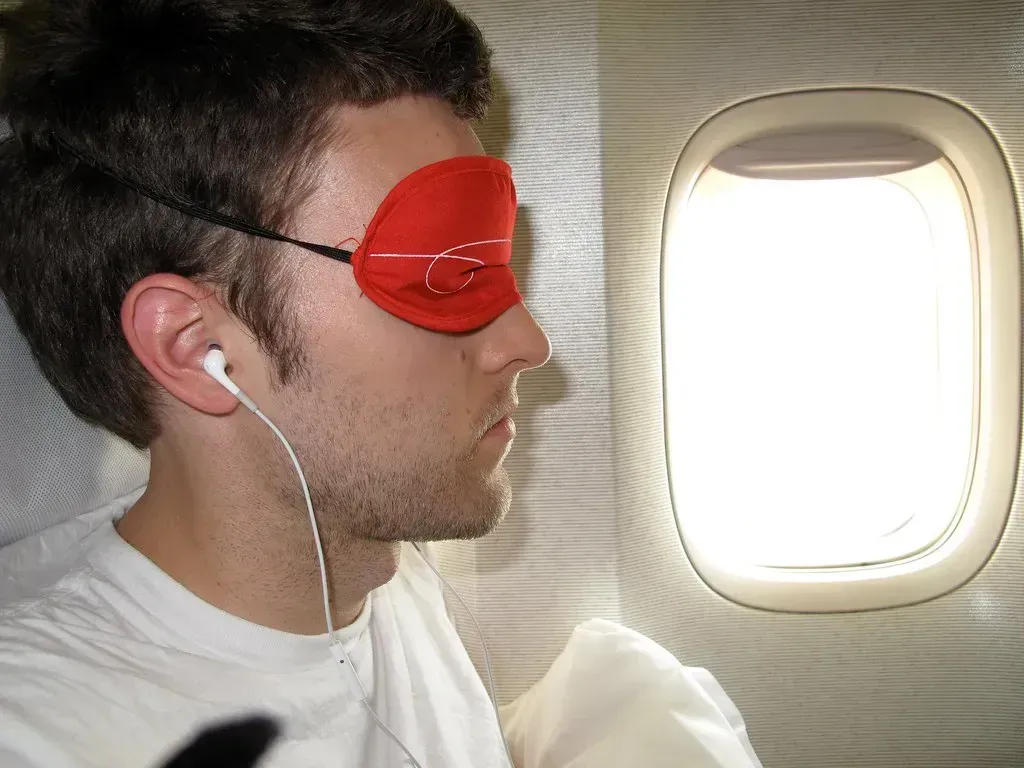
Sleep is easier when you plan for it. One traveler’s tip is to use the same sound or playlist to fall asleep every night leading up to your flight. Noise-canceling headphones and an eye mask can then help you rest on board.
Manners with the crew help as well. One flight attendant suggests waiting until after takeoff to ask about changing seats, not during boarding. The cabin is calmer then, and the crew can give your request proper attention.