Walk into any record shop and you’ll hear the same claims drifting between the racks. Vinyl is warmer, more natural, more honest than anything on a phone. Some of that comes from real enjoyment, and some of it hardens into folklore.
Mastering and mixing engineers spend their days looking at what actually happens between a recording and a groove. Their view is rarely anti vinyl, but it does complicate the popular story. Here are eight claims that technical evidence and working practice push back on.
Vinyl Has Higher Resolution Than Digital
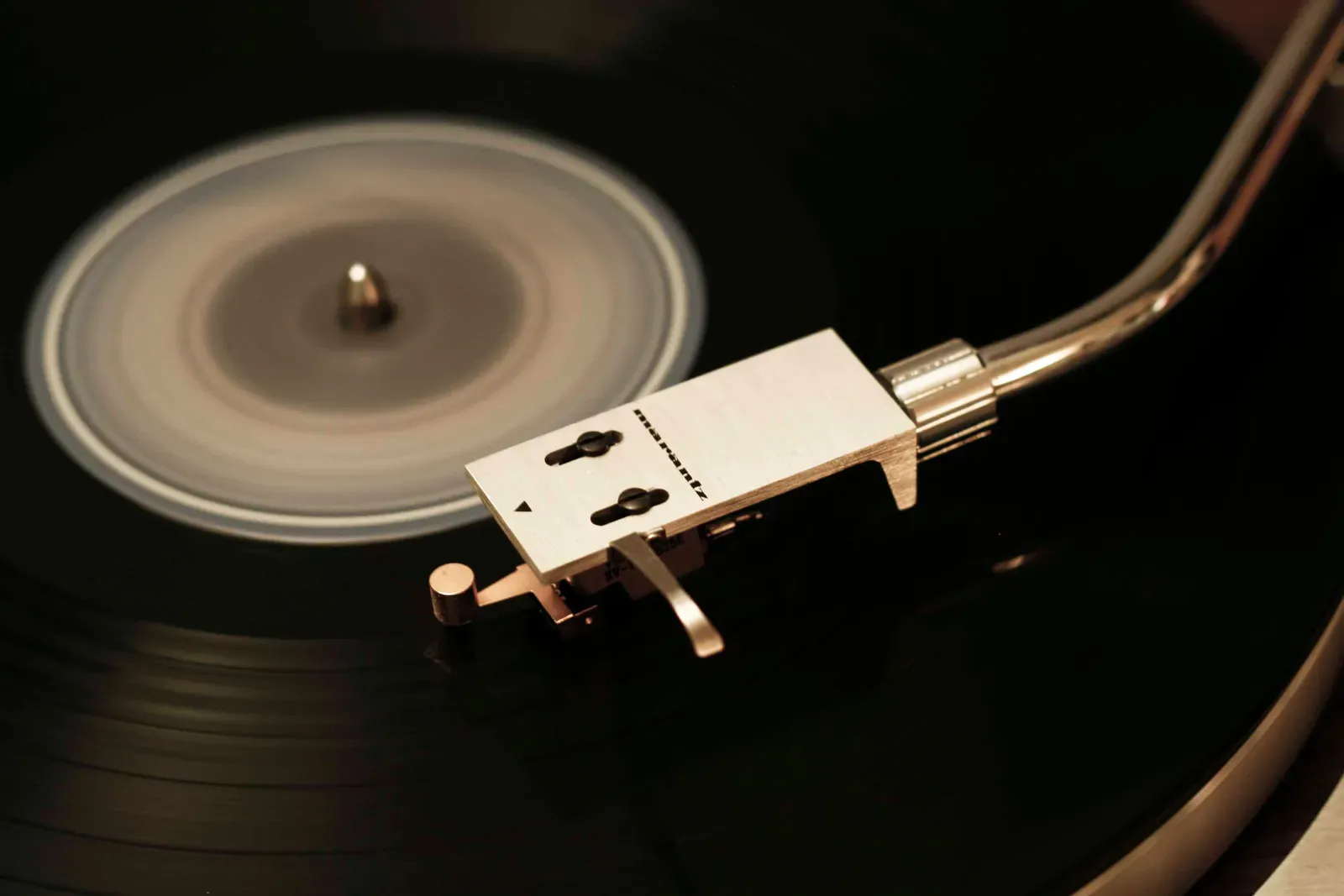
It’s an appealing idea, since a groove looks like a continuous physical copy of a wave. In practice, a vinyl record has a limited dynamic range, commonly estimated at somewhere around sixty to seventy decibels. A standard CD, with sixteen bit audio, can theoretically deliver about ninety six decibels.
The noise floor of vinyl is set by surface noise, rumble, and the limits of the cutting process. Vinyl can carry some content above twenty kilohertz, but distortion rises as the stylus tracks fine detail. Resolution in the measurable sense usually favors digital, which is why engineers hesitate to call vinyl the higher fidelity format.
Vinyl Sounds Warmer Because It Is Analog
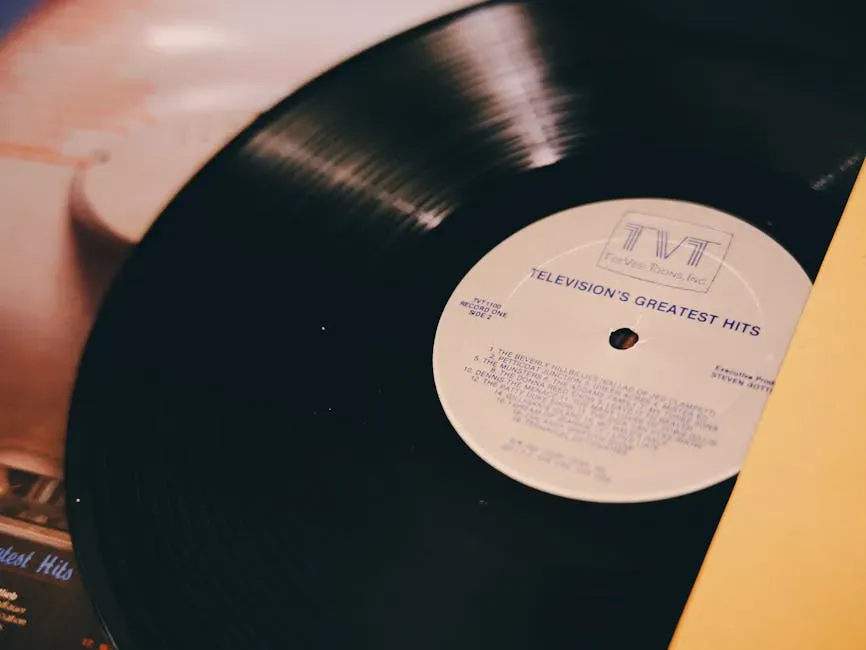
Many listeners do hear warmth, and engineers don’t dispute the experience. They dispute the cause. Playback adds harmonic distortion, a gentle loss of extreme highs, and surface noise, and these can read as a softer, thicker tone.
The format also relies on RIAA equalization, which cuts bass and boosts treble during recording and reverses the process in playback. Cartridge choice, phono preamp, and speaker setup all shape the result as well. In other words, the warmth is often a coloration, and a pleasant one, not proof of greater accuracy.
Digital Audio Is Made of Jagged Stair Steps
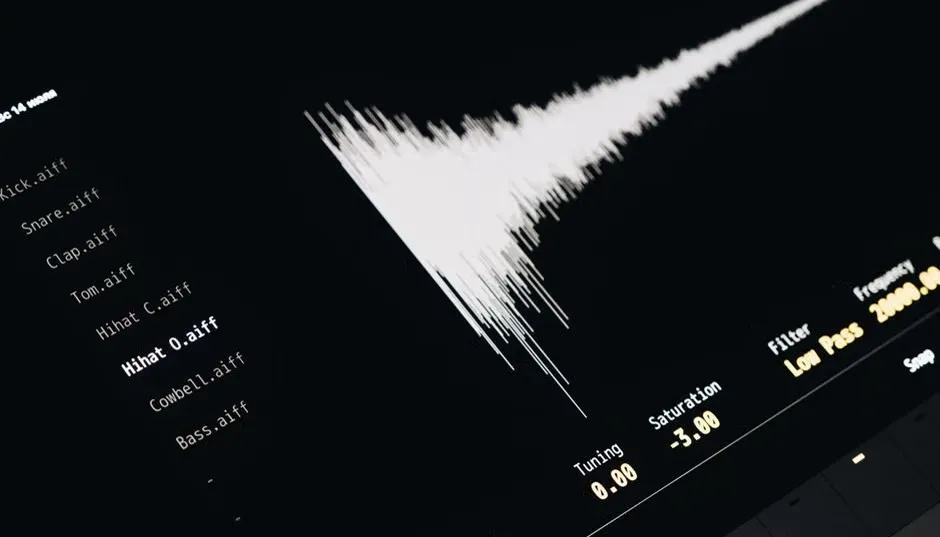
This myth gets repeated with diagrams that show a smooth analog curve next to a blocky digital staircase. That picture misrepresents how digital to analog conversion works. According to the Nyquist Shannon sampling theorem, a signal sampled at more than twice its highest frequency can be reconstructed exactly.
The converter’s reconstruction filter outputs a smooth continuous waveform, not steps. Engineers often demonstrate this on an oscilloscope, where a properly converted sine wave looks clean. The argument that digital is inherently crude doesn’t hold up on measurement.
Every Record Comes From an Analog Master
Most people assume pressing a record means going back to the original tape. Much modern music, however, is recorded, edited, and mixed on computers, so the source for the lacquer is a digital file. Even many reissues of older albums are cut from digital transfers of the tapes.
This isn’t automatically a flaw, and plenty of digitally sourced records sound excellent. The point is that the vinyl label alone says nothing about the chain behind it. Credits, mastering notes, and engineer interviews are a better guide than the format.
Vinyl Escapes the Loudness War
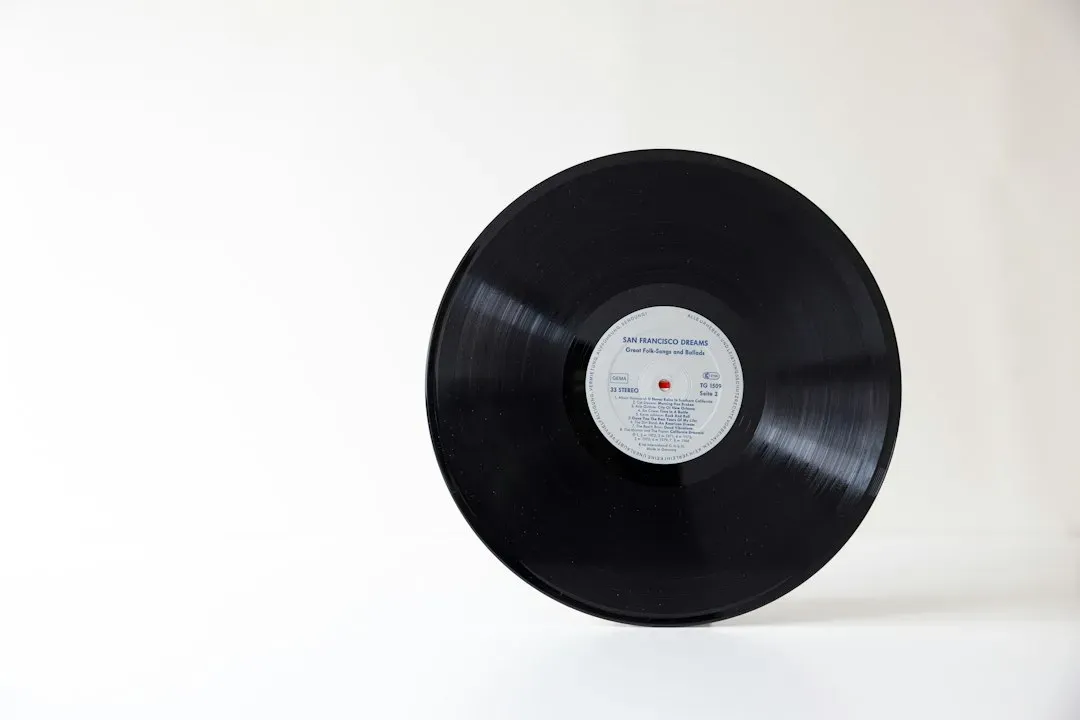
There’s a common belief that records are free of the heavy compression that flattened many CDs. Cutting engineers do face physical limits, such as centered bass, controlled sibilance, and care near the inner grooves. Those limits sometimes lead to a different master with more dynamic range.
Yet it isn’t guaranteed. Some pressings use the same loud master prepared for streaming and CD, and the limits of the format can then add problems like distortion or reduced level. Comparing a particular record to its digital counterpart, not assuming, is the reliable way to know.
Vinyl Never Wears Out
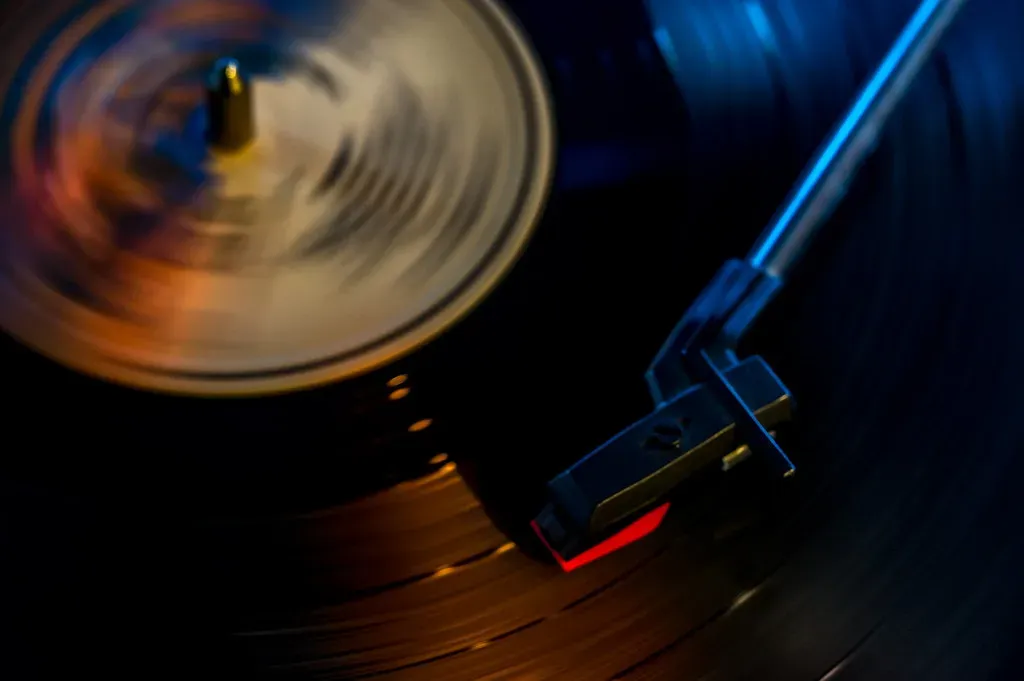
Because a record is a physical object, some people treat it as permanent. Every play drags a diamond stylus through the groove, and over time that causes microscopic wear. Dust, static, and a worn or misaligned stylus make the damage worse.
A well cared for record can last for decades, and careful handling matters more than any special treatment. Warping, scratches, and mold also threaten collections. Longevity depends on storage, cleaning, and equipment, not on the medium being immune to aging.
Heavier 180 Gram Records Sound Better

Heavy vinyl is often marketed as a premium option, and the extra weight feels reassuring in the hand. The weight of a disc, though, doesn’t determine the quality of the audio in the groove. That depends on the mastering, the lacquer cutting, the stampers, and the pressing plant’s quality control.
A heavier record may resist warping more, and it may be less likely to flex on a turntable, but a thin record from a good plant can still outperform a thick one from a poor plant. Engineers often point to pressing quality as the real variable. Weight is mostly a marketing signal.
Vinyl Has Overtaken Digital Listening
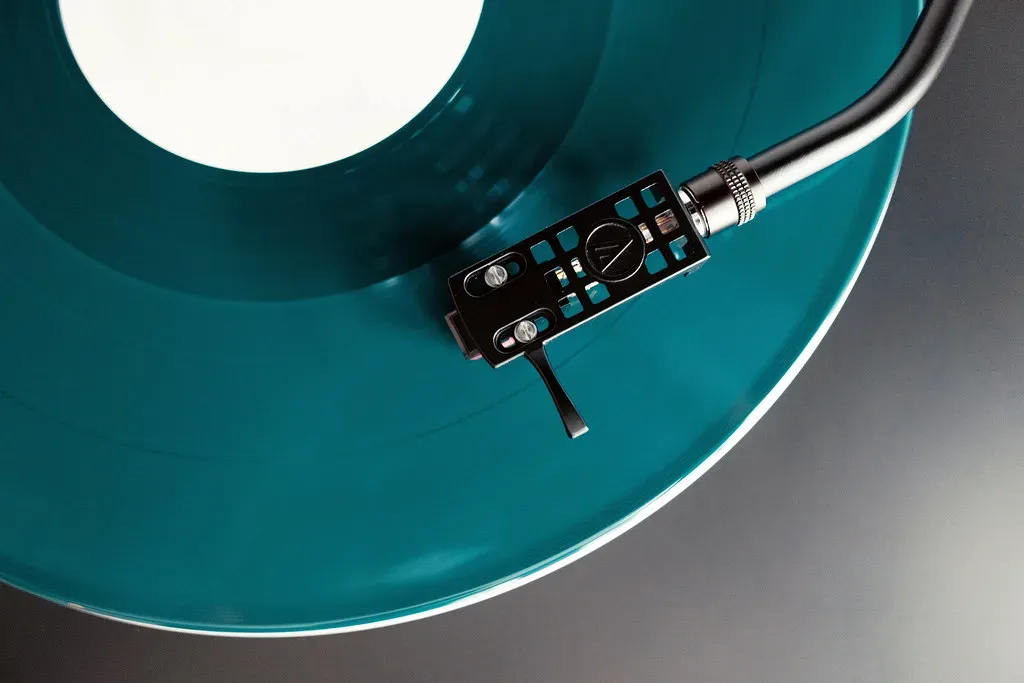
The revival has been real. In the United States, vinyl revenue has climbed for many years, and records have outsold CDs in recent years according to industry reports from the RIAA. Annual vinyl revenue in the country has been well over a billion dollars.
Still, streaming makes up the vast majority of recorded music revenue in the US, and vinyl is only a small slice of the total. Many buyers also treat records as collectibles or keepsakes, not as their main way to listen. The growth is meaningful, but it hasn’t displaced digital as the primary format.