Some of the most recognizable songs in popular music never started out sounding finished. They began as scratchy cassette recordings, half formed piano sketches, or placeholder lyrics scribbled down just to keep the melody straight. Looking back at these early drafts says something interesting about how creativity actually works, often messier and more accidental than the polished final product suggests.
1. Hotel California by the Eagles
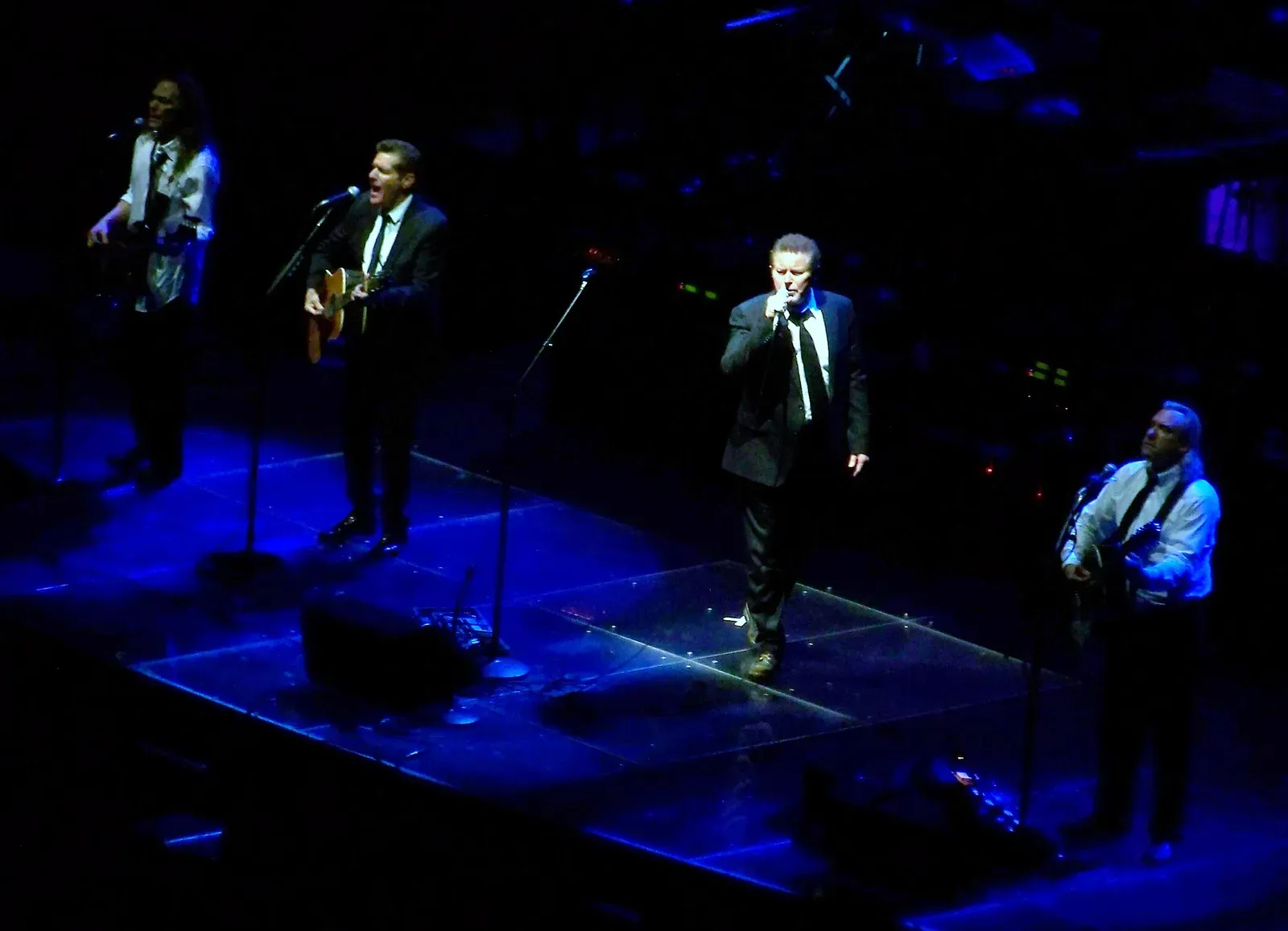
Long before it became a rock radio staple, “Hotel California” existed only as an instrumental sketch that guitarist Don Felder recorded on cassette at a rented beach house in Malibu. The song started out as an instrumental demo by The Eagles lead guitarist Don Felder, while renting a beach house in Malibu during the summer of 1976. Felder had been following advice from former bandmate Bernie Leadon, who suggested writing instrumental “musical beds” that Don Henley and Glenn Frey could later build lyrics on top of.
The demo caught Henley’s ear immediately, though not by its eventual name. Before the song found its words, it was referred to by the band as “Mexican Reggae,” a nickname Henley gave it after hearing the demo’s Latin and reggae inflected feel. Remarkably, when it came time to record the famous dueling guitar solo with Joe Walsh, Henley insisted it match Felder’s original cassette almost exactly. Felder had to call his housekeeper to find the original cassette and play it over the phone into the Miami studio so he could relearn the solo note for note, saying that over half of the final solo came directly off his original demo.
2. Yesterday by the Beatles
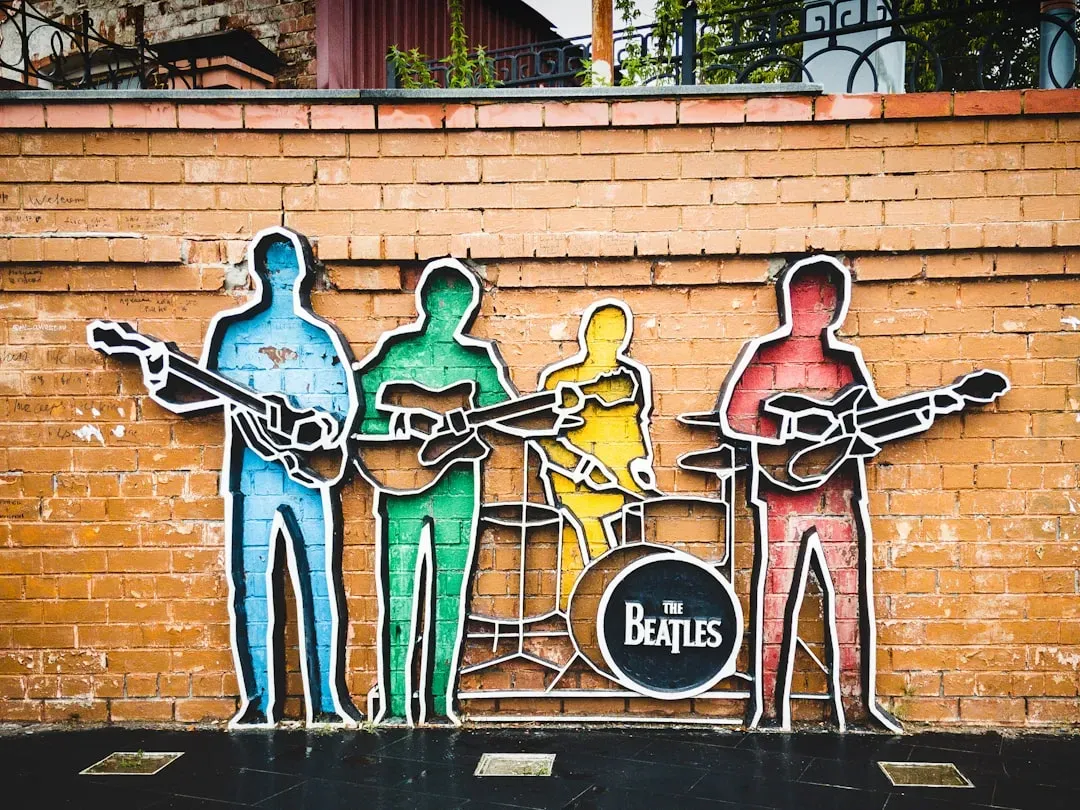
One of the most covered songs in recorded history spent months going by a working title that had nothing to do with heartbreak. Paul McCartney woke up with the melody already in his head but no words to match it, so he filled in the gaps with something entirely unrelated. McCartney originally referred to “Yesterday” as “Scrambled Eggs” because he could not think of any lyrics for the melody.
The placeholder lyrics were silly on purpose, just a way to keep the syllable count and phrasing intact while the real words came together. During a 2010 appearance on Late Night, McCartney even performed the original version with host Jimmy Fallon, revealing lines about scrambled eggs and loving someone’s legs. The final recording featured McCartney’s vocal and acoustic guitar together with a string quartet, and with roughly 2,200 cover versions, it remains one of the most covered songs in recorded music history. It is a reminder that even legendary songwriters sometimes need a culinary shortcut to get from melody to finished lyric.
3. Bohemian Rhapsody by Queen
Freddie Mercury built “Bohemian Rhapsody” piece by piece on his own piano long before Queen ever stepped into a studio together. He composed the 1975 epic on his treasured black Yamaha piano at his London home. Friends who knew him described the instrument as central to how he worked out ideas, treating it almost like a sacred tool rather than furniture.
The song’s early manuscript shows just how much evolved between demo and final cut, including its title. The handwritten manuscript reveals that Mercury originally intended to call the song “Mongolian Rhapsody” before settling on the name everyone knows today. Those working sketches, now part of music history, eventually sold for well over a million pounds at auction, a testament to how much value collectors place on seeing a masterpiece in its rawest form.
4. Nothing Compares 2 U, written by Prince
Sinead O’Connor’s devastating 1990 rendition made this song a global phenomenon, but it began years earlier as a quick demo Prince recorded for a side project. Prince recorded the demo tape in July 1984 for his band The Family to learn, and their version, which included strings arranged by Clare Fischer, appeared on the group’s 1985 self-titled album. At the time, nobody outside Prince’s camp thought much of it.
The original tape sat unreleased for decades until Prince’s estate finally shared it in 2018. The demo had been recorded in what Prince called “the Warehouse” on Flying Cloud Drive in Eden Prairie, with engineer Susan Rogers. What is striking about that early version is how fully formed it already was, complete with saxophone and backing vocals, even though the song would not become a worldwide hit until Sinead O’Connor’s cover six years later.
Partner offer
5. Every Breath You Take by the Police
Sting wrote this song at a Jamaican resort and initially imagined it very differently from the version that dominated radio for years. Sting wrote the song at Ian Fleming’s Goldeneye resort in Jamaica, and in October 1982 he recorded a solo demo at London’s Utopia Studios using a keyboard and drum machine rather than his bandmates. That early version leaned much sunnier and more synth driven than the moody classic that followed.
According to bandmate Andy Summers, the track almost didn’t survive past the demo stage. Summers revealed that the song was going to be thrown out because Sting and drummer Stewart Copeland could not agree on how the bass and drums should go. It was only after Summers added his now iconic arpeggiated guitar line, reportedly nailed in a single take, that the song found the tension and elegance that eventually made it one of the most played songs in radio history.
6. Hallelujah by Leonard Cohen
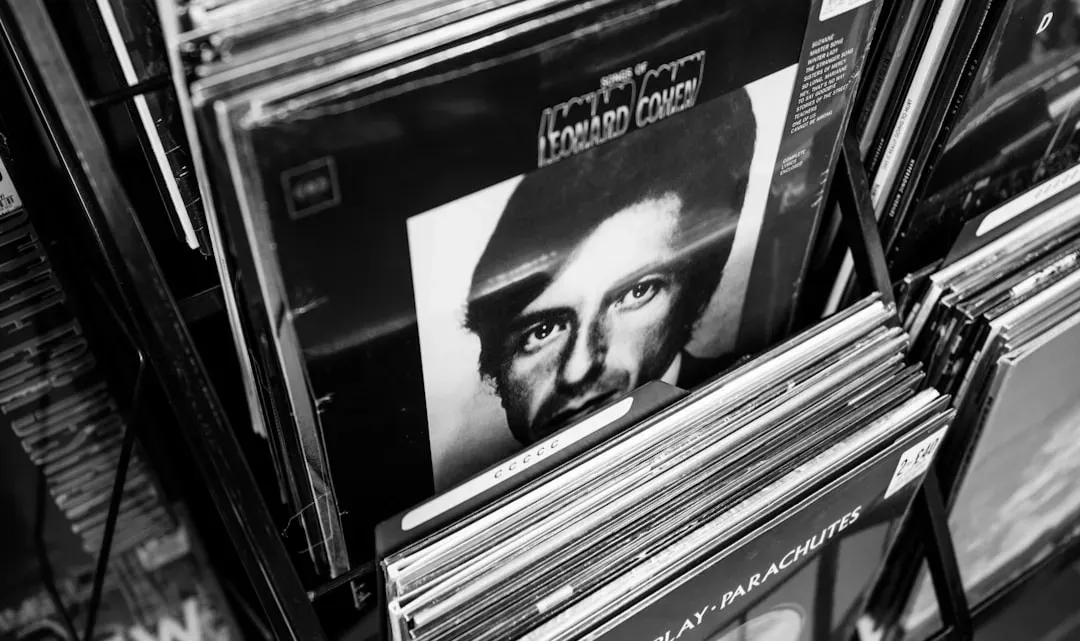
Few songs illustrate the slow, grinding nature of songwriting quite like “Hallelujah.” Leonard Cohen spent years wrestling with the song, reportedly filling notebooks with dozens of possible verses long before settling on the version most people know. The original recorded version, produced with a spare and understated arrangement, appeared on his 1984 album Various Positions, initially to little fanfare.
It would take other artists, most notably Jeff Buckley years later, to reveal just how much emotional weight the melody could carry once stripped down further. The song’s journey from a modest album track to a cultural touchstone covered at weddings, funerals, and everything in between shows how a demo level arrangement can sometimes outlast its own era before finding its true audience.
7. Total Eclipse of the Heart, written by Jim Steinman
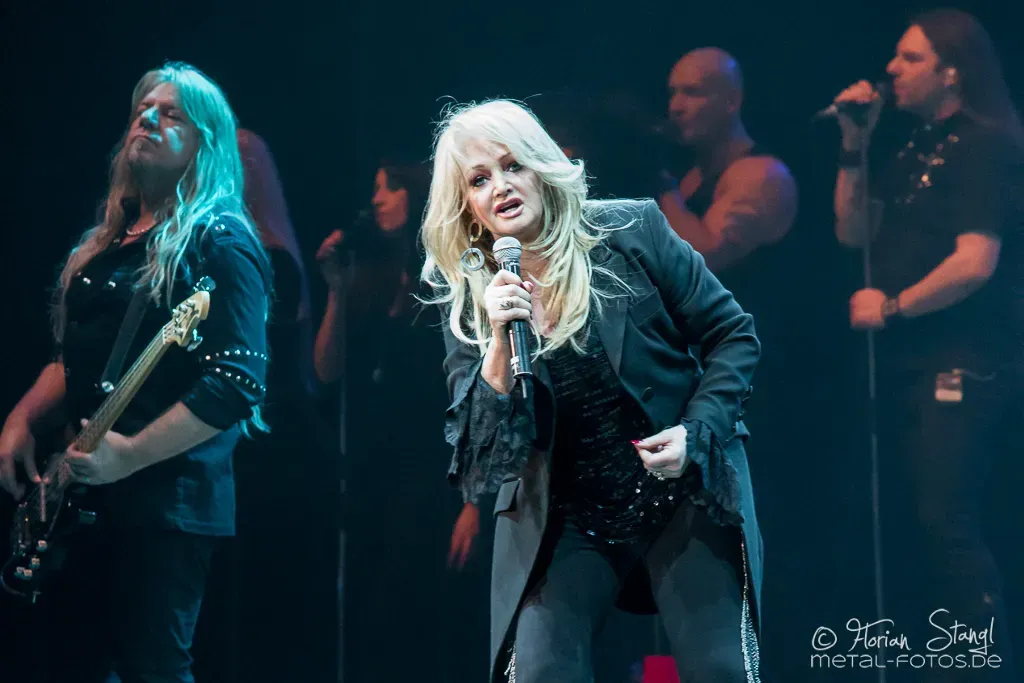
Before Bonnie Tyler turned this into a dramatic 1983 anthem, songwriter Jim Steinman had originally conceived it for a very different project, a stage musical inspired by vampire mythology. Early working versions of the song carried different lyrics tied to that theatrical concept before Steinman reworked it into the heartbreak ballad audiences would eventually hear on the radio. Demo recordings from that period, sung by session vocalist Rory Dodd, show a version of the song still finding its emotional center.
Once Tyler recorded her take with Steinman’s signature bombastic production, the song became inseparable from her raspy delivery and became one of the biggest hits of the decade. It stands as a good example of how a song can be entirely repurposed from its original creative intent and still land with audiences in a way its writer may not have anticipated.
8. Purple Rain by Prince
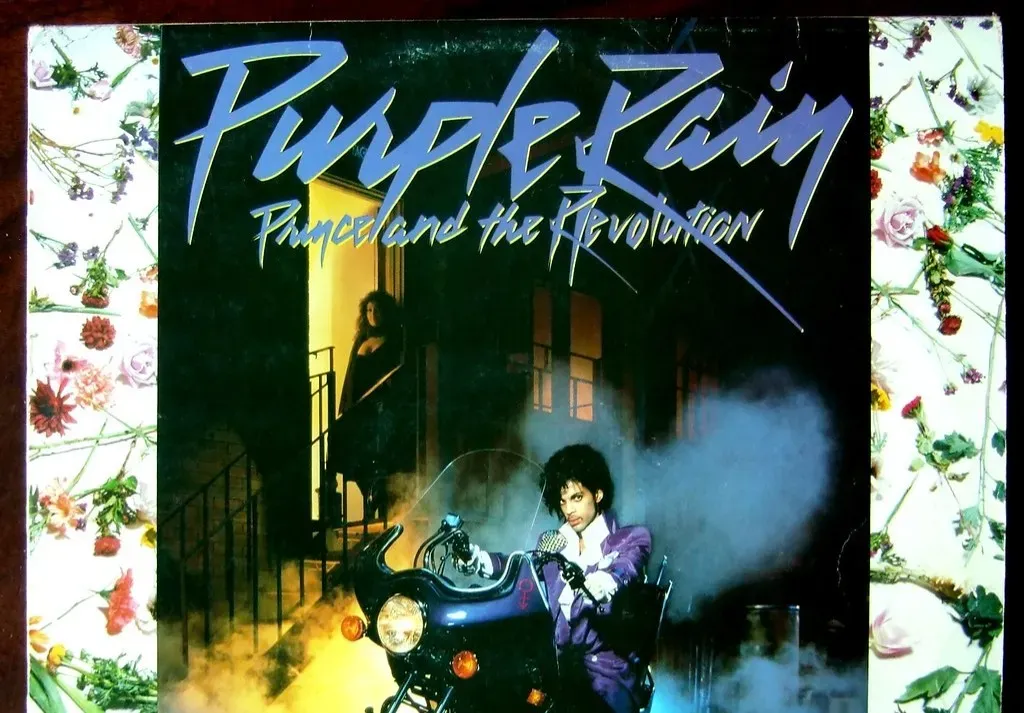
Unlike most studio ballads, “Purple Rain” essentially began as a jam session that Prince and his band, the Revolution, worked out during rehearsals in Minneapolis. The arrangement grew organically on stage rather than being meticulously built up piece by piece in a recording booth first. That looseness is part of why the eventual studio recorded version still carries a live, in-the-moment energy.
The most famous recording of the song was actually captured live at First Avenue nightclub in August 1983, later edited and refined for the film and soundtrack release. Knowing that the version fans hear on the album is rooted in an actual live performance, rather than a purely studio constructed track, adds a layer of authenticity to a song already considered one of the most emotionally resonant ballads of its era.
These eight songs share a common thread despite spanning different decades and genres. What sounded like throwaway sketches, placeholder lyrics, or quick rehearsal jams often held the emotional core that made the finished versions so lasting. The gap between a rough demo and a beloved classic, it turns out, is sometimes smaller than listeners might expect.Partner offer
Planning a trip to Vegas?
Compare hotel rates and show tickets on VEGAS.com.