Some stories arrive on screen looking almost exactly like the page they came from, right down to the final line. Others take a hard turn in the third act, giving readers who thought they knew what was coming a genuinely different experience. The gap between a book’s ending and its film version can come from studio pressure, a director’s personal vision, or simply the demands of a two-hour runtime, and the results range from quietly divisive to outright legendary.
1. The Mist (2007)
Frank Darabont’s adaptation of Stephen King’s 1980 novella is often praised for staying close to its source material for most of its runtime, right down to the claustrophobic supermarket setting and the creeping dread of the Lovecraftian creatures outside. The Mist is often highly ranked among Stephen King fans for its largely faithful adaptation of the literary horror master’s 1980 novella, though there is one very different change in the big screen adaptation, as the movie’s twist ending was written specifically for the film version. The novella closes on a note of uncertain hope, with survivors driving toward a possible refuge.
The Mist novella ends on a more hopeful, open-ended note, with the protagonist picking up a radio signal, whereas Darabont’s adaptation ending is much bleaker. Darabont’s version instead delivers one of horror cinema’s most devastating gut punches, and remarkably, Stephen King loves of Frank Darabont’s The Mist, which concludes on a much bleaker note than the author’s original novella. It remains a rare case of an author openly preferring the adaptation’s conclusion to his own.
2. I Am Legend (2007)
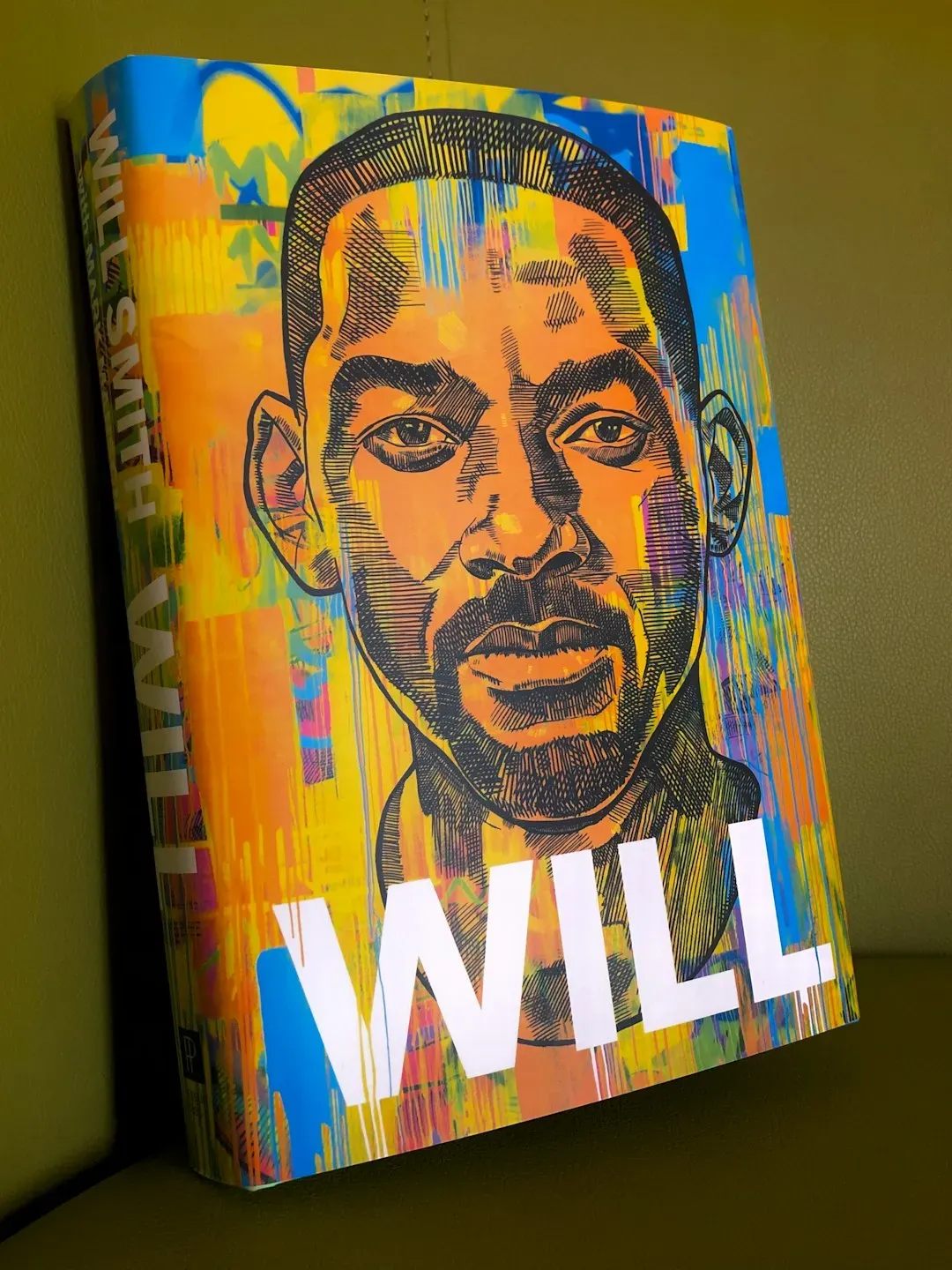
Richard Matheson’s 1954 novel ends with a haunting reveal, protagonist Robert Neville realizes the infected creatures he has been hunting see him as the true monster, the last relic of a dying world. The film’s original cut, directed by Francis Lawrence and starring Will Smith, actually stayed faithful to that idea before it ever reached theaters.
Test audience members booed the original ending, which was faithful to the novel’s conclusion by Richard Matheson. Will Smith later explained the fallout directly, recalling that it was the lowest scoring movie he’d ever had, with the movie scoring 51 in the top two boxes while the complaints were all about . The studio scrapped the philosophical twist and replaced it with an altered ending where the protagonist sacrifices himself to save others, implemented just six weeks before the movie’s release, a far more conventional, heroic sendoff than Matheson ever wrote.
3. Fight Club (1999)
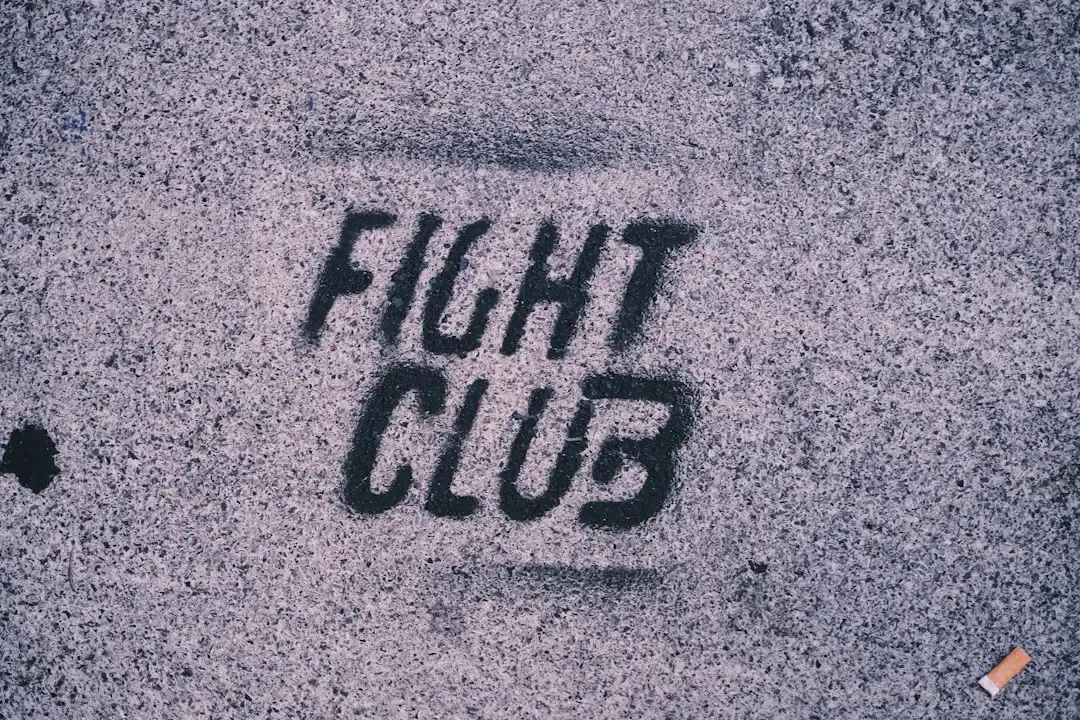
Chuck Palahniuk’s 1996 novel ends on a genuinely bleak note. The unnamed narrator survives his attempt to stop Tyler Durden’s plan but wakes up in what he believes is a psychiatric hospital, suggesting the buildings never actually came down and his fight against the system essentially fizzled into institutionalization.
David Fincher’s film swaps that quiet, ambiguous defeat for a far more visually explosive conclusion. The narrator shoots himself to kill off his Tyler Durden alter ego, survives, and then stands hand in hand with Marla watching a skyline of buildings actually collapse, set to music that turned the moment into an era-defining piece of cinema. The novel’s message about the narrator’s ideas outliving him regardless of institutionalization gets reworked into something more cathartic and cinematic, trading psychological ambiguity for a literal explosion of consequence.
4. Stardust (2007)

Neil Gaiman’s 1998 novel follows a fairly melancholic path for its central romance. Tristran and Yvaine do find each other, but the book spends its final chapters emphasizing the passage of time, aging, and the quiet, bittersweet nature of Tristran eventually dying and Yvaine continuing on alone as an immortal star, ruling the kingdom of Stormhold without him.
Matthew Vaughn’s film adaptation opts for a much brighter, fairy tale finish. Tristran and Yvaine defeat the witch queen together, claim the throne, and the film ends implying a long, magical life together rather than the novel’s more wistful meditation on mortality and separation. It is a change that fits the film’s lighter, more adventure-driven tone, even if it sands down some of the novel’s melancholy charm.
Partner offer
5. The Golden Compass (2007)

Philip Pullman’s His Dark Materials trilogy opens with Northern Lights, a novel that ends on a genuinely dark and unresolved note. Lyra’s father, Lord Asriel, kills her friend Roger in a ritual to open a portal between worlds, and Lyra sets off after him in a moment loaded with betrayal and moral weight, setting up the darker themes of the following books.
New Line Cinema’s film adaptation cut that entire sequence, ending instead on a more triumphant note with Lyra and her allies celebrating a victory over the Magisterium’s forces. The studio reportedly wanted a more crowd-pleasing conclusion to set up sequels, but the film underperformed and no further installments were made, meaning audiences never saw the franchise continue past this softened opening chapter. The choice to remove Roger’s death and Asriel’s betrayal remains one of the more debated ending changes among fans of the books.
6. World War Z (2013)
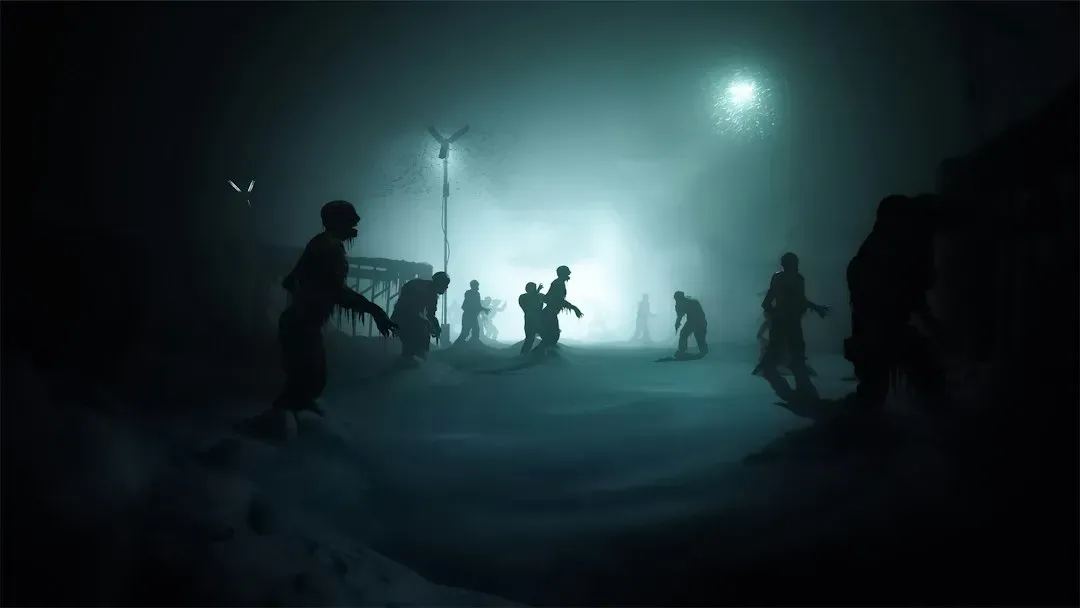
Max Brooks’s 2006 novel is structured as an oral history, a series of interconnected first-person accounts collected after a global zombie pandemic has already been survived, with no single protagonist and no traditional narrative arc leading to one big climax. The book’s ending is really a reflection on humanity rebuilding across many different countries and perspectives.
The film, starring Brad Pitt, abandons that structure almost entirely in favor of a single-hero narrative following UN investigator Gerry Lane as he searches for a way to survive the outbreak. The movie ends with Lane discovering that injecting oneself with a deadly but survivable pathogen can render a person invisible to the infected, a solution invented entirely for the screen and nowhere present in Brooks’s book. It is arguably one of the widest gaps between source material and film ending on this list, given how little of the novel’s structure survived the adaptation process at all.
7. The Devil Wears Prada (2006)
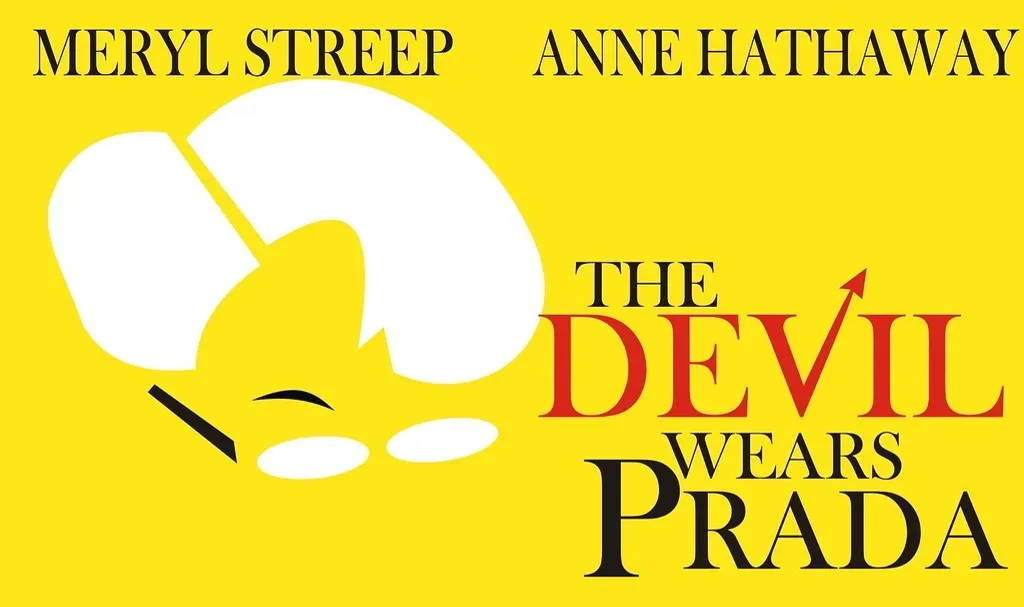
Lauren Weisberger’s 2003 novel ends with its protagonist, Andy, storming out of her job at Runway mid-assignment in Paris after finally reaching her breaking point with editor Miranda Priestly, cutting ties abruptly and without much of a formal resolution between the two women. The book treats Miranda as more consistently villainous through to the very end.
The film softens that conclusion considerably. Andy still leaves the magazine, but the movie adds a moment where Miranda, from inside a car, offers a small nod of respect toward Andy after recommending her for another job, along with a later scene where Andy sees a slightly more sympathetic side of Miranda’s private life. The film’s ending suggests grudging mutual respect rather than the novel’s cleaner break, a change that reportedly aligned with Meryl Streep’s approach to making Miranda a more layered character on screen.
8. Ella Enchanted (2004)
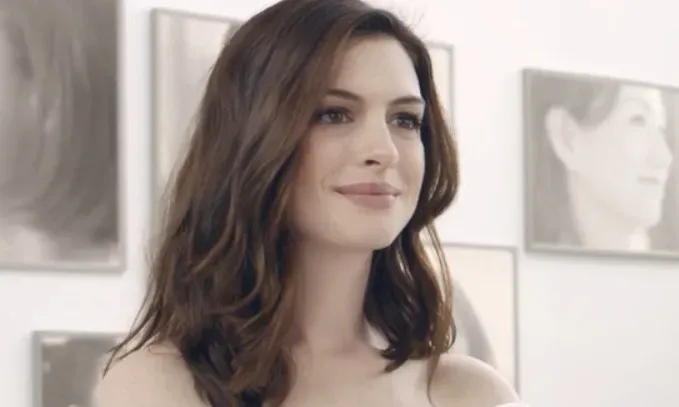
Gail Carson Levine’s 1997 novel, a Cinderella retelling with a curse-of-obedience twist, ends with Ella breaking her curse herself through sheer force of will and love, refusing to marry Prince Charmont under duress and instead choosing him freely once the spell is lifted through her own determination. The book’s climax is fairly grounded within its fantasy setting.
The film adaptation starring Anne Hathaway heads in a very different direction tonally and narratively, introducing a political subplot involving the prince’s uncle plotting to seize the throne and oppress ogres and other creatures. The movie’s climax becomes a much broader, more comedic showdown involving giants, elves, and a public wedding-turned-confrontation, a significant departure from the novel’s smaller, more personal resolution. Fans of the book have long noted how little of Levine’s original ending made it to the screen, with the film using the premise mostly as a jumping-off point for its own story.
Adaptation is rarely a straight copy-paste job, and endings tend to be where the differences show up most sharply. Studios chase test audience approval, directors chase their own creative instincts, and authors sometimes get a say, sometimes don’t. What’s clear across all eight of these cases is that a changed ending doesn’t automatically mean a worse one. Sometimes, as with The Mist, it means the author himself walks away wishing he’d thought of it first.Partner offer
Planning a trip to Vegas?
Compare hotel rates and show tickets on VEGAS.com.