Ask any vocal coach, open mic host, or wedding band leader what songs they’d trust a singer to carry, and a few titles come up again and again. They’ve lasted because they teach something: breath control, phrasing, restraint, or how to hold a room.
This list isn’t about what’s trendy. It’s about eight songs that reward the time you spend learning them, whether you sing in the shower or on a stage.
Amazing Grace
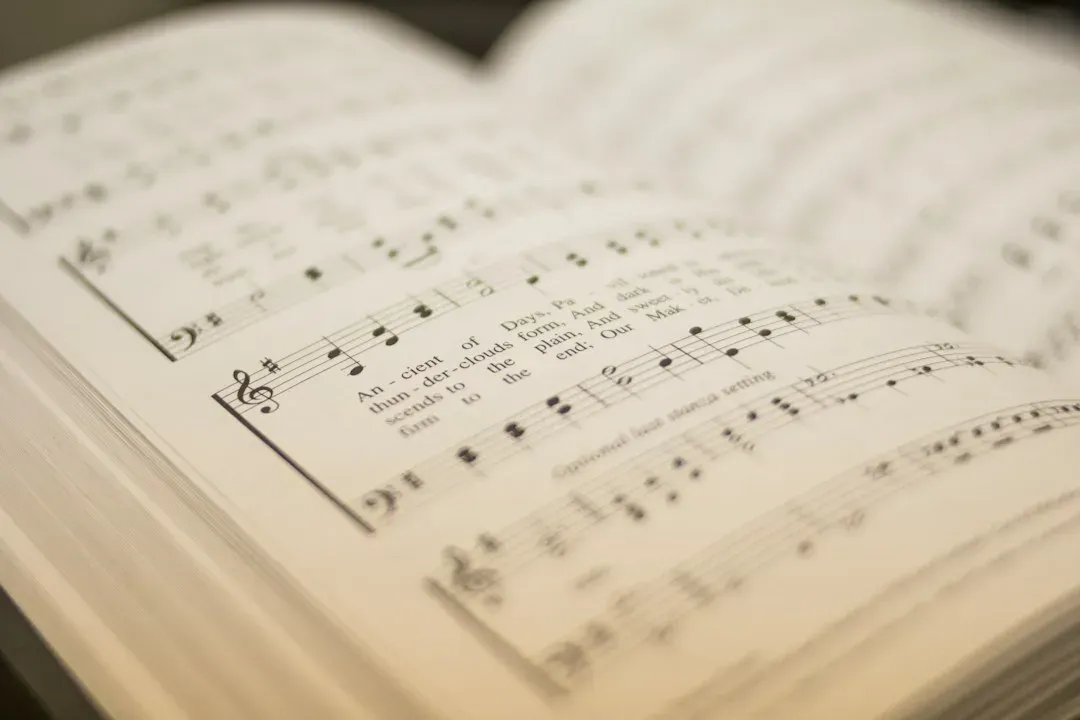
This hymn is the best place to practice singing without accompaniment. Its text was written by John Newton, and the melody most people know today is an American folk tune paired with his words. The range is modest, so you can focus on tone instead of survival.
Because the melody is so simple, every choice you make is audible. You decide where to breathe, how long to hold a note, and how softly to start. Singing it well is a lesson in phrasing.
Over the Rainbow

Harold Arlen composed it and Yip Harburg wrote the words for the 1939 film The Wizard of Oz, sung there by Judy Garland. The opening leap of an octave is one of the most recognizable intervals in popular music. It’s a quick test of whether you can land a big jump cleanly.
Beyond that opening, the song asks for a smooth, connected line. Garland sang it with plain, unforced sincerity, and that’s the model worth studying. Many singers over-decorate it, and the song usually suffers.
Summertime

George Gershwin wrote it for the 1935 opera Porgy and Bess, with lyrics credited to DuBose Heyward. It has since become one of the most recorded songs ever written. Jazz, soul, and rock singers have all claimed it.
That flexibility makes it a great teaching piece. You can sing it straight, bend the rhythm, or improvise around the melody. It shows you how a single tune can change with your personal style.
Fly Me to the Moon

Bart Howard wrote it in 1954, and Frank Sinatra’s 1964 recording with Count Basie’s orchestra made it a standard. It’s a swing song, so timing matters more than volume. Sitting slightly behind the beat is what gives it that relaxed feel.
The melody moves in small steps and repeating patterns, which makes it easy to memorize. Learning it also introduces you to the Great American Songbook style. Once you can swing this one, other standards come easier.
Let It Be
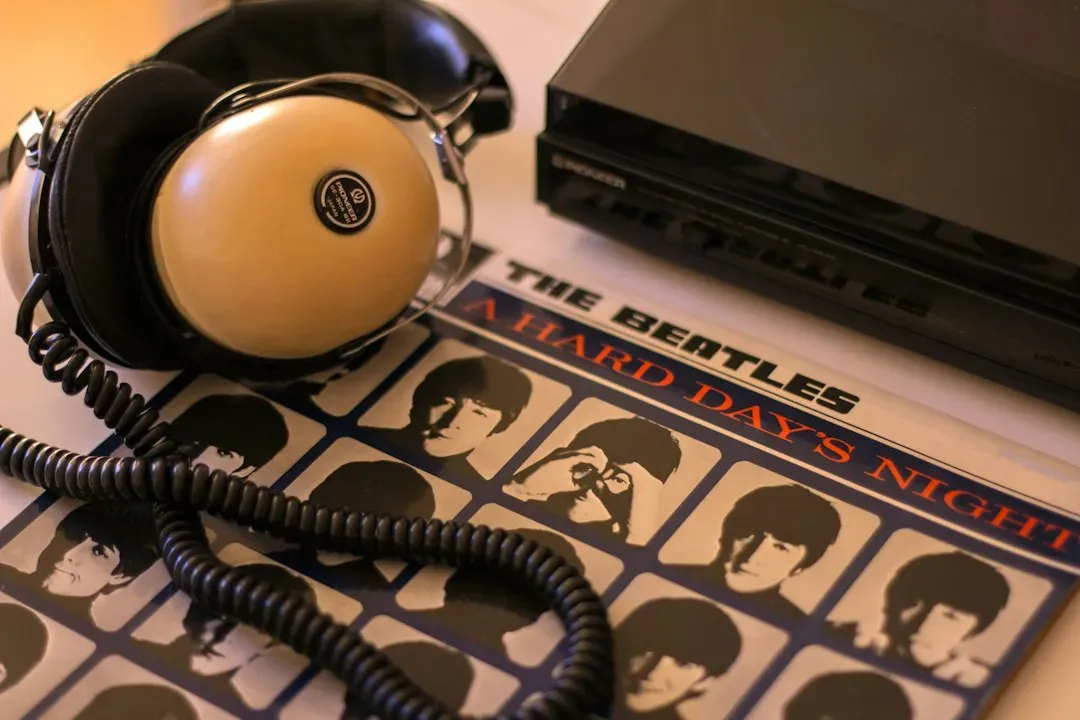
The Beatles released it in 1970, and Paul McCartney has said the song came from a dream about his mother. It sits comfortably in a mid range, which suits many voices. The piano chords are simple enough to accompany yourself.
The challenge is the build. The song begins quietly and grows in intensity through the final choruses, so you have to save energy early. It’s a good exercise in dynamics.
Stand by Me

Ben E. King recorded it in 1961, and he co-wrote it with Jerry Leiber and Mike Stoller. Its bass line is among the most famous in pop, and the melody sits in a friendly range. Countless singers have covered it, including John Lennon.
Its strength is rhythm and warmth. You can sing it with a guitar, a piano, or a small group, and it still works. It’s also a reliable crowd song, since nearly everyone knows the chorus.
Hallelujah
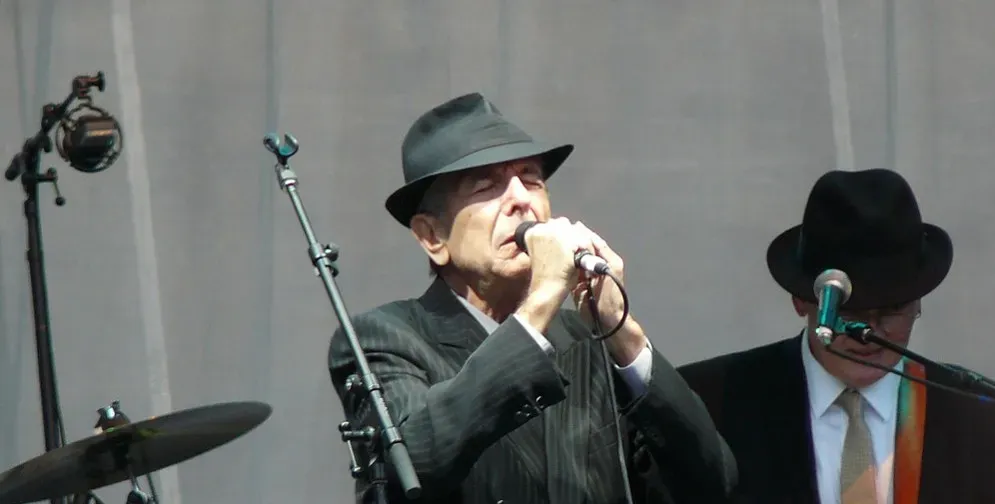
Leonard Cohen wrote it, and it first appeared on his 1984 album Various Positions. Jeff Buckley’s 1994 version helped bring it to a wider audience. Today it exists in many versions, with different verses chosen by different singers.
The slow six eight rhythm gives you room to shape each line. It rewards patience and a quiet delivery more than power. If you learn it, you’ll also learn how to let silence do some of the work.
I Will Always Love You
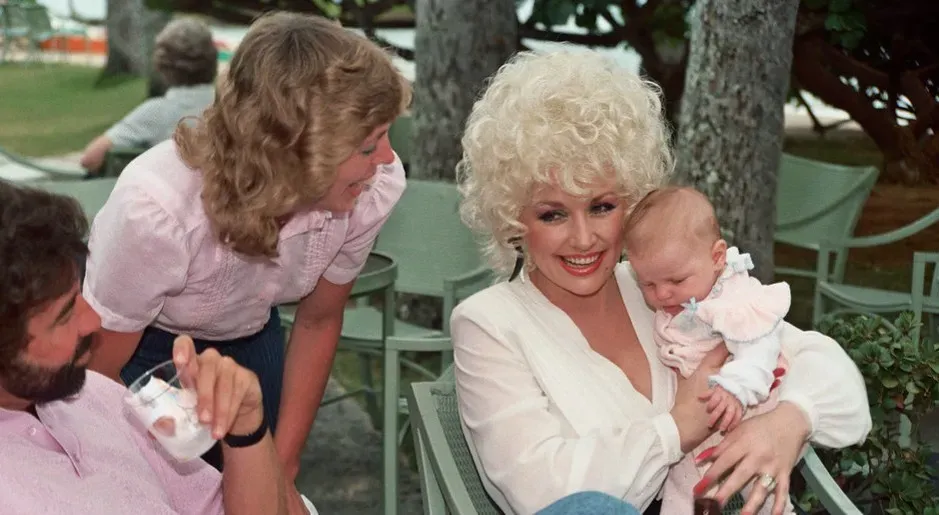
Dolly Parton wrote and recorded it in 1973. Whitney Houston’s 1992 version for The Bodyguard became one of the best selling singles of all time. Both versions are worth studying because they treat the same song so differently.
Parton’s reading is gentle and intimate, while Houston’s builds to a dramatic key change. Starting the song softly and saving the big moment for the end is the real challenge. Learn it in a comfortable key first, then decide how far you want to push.