There’s a strange trick certain songs pull off. They land on the radio, climb the charts, and somehow sound like they’ve been around for decades already. Maybe it’s a horn section that feels lifted from a smoky club in 1983, or a vocal delivery that seems to channel a gospel choir from another era entirely. Whatever the mechanism, some of the most successful pop songs of the last twenty years have built their appeal on borrowing textures from music that came long before them.
This isn’t nostalgia by accident. Producers and songwriters often go looking for those older sounds on purpose, chasing a warmth or grit that modern production tends to smooth away. The nine songs below are proof that sounding old and being current aren’t mutually exclusive. If anything, the tension between the two is often exactly why they worked.
1. Uptown Funk – Mark Ronson feat. Bruno Mars (2014)
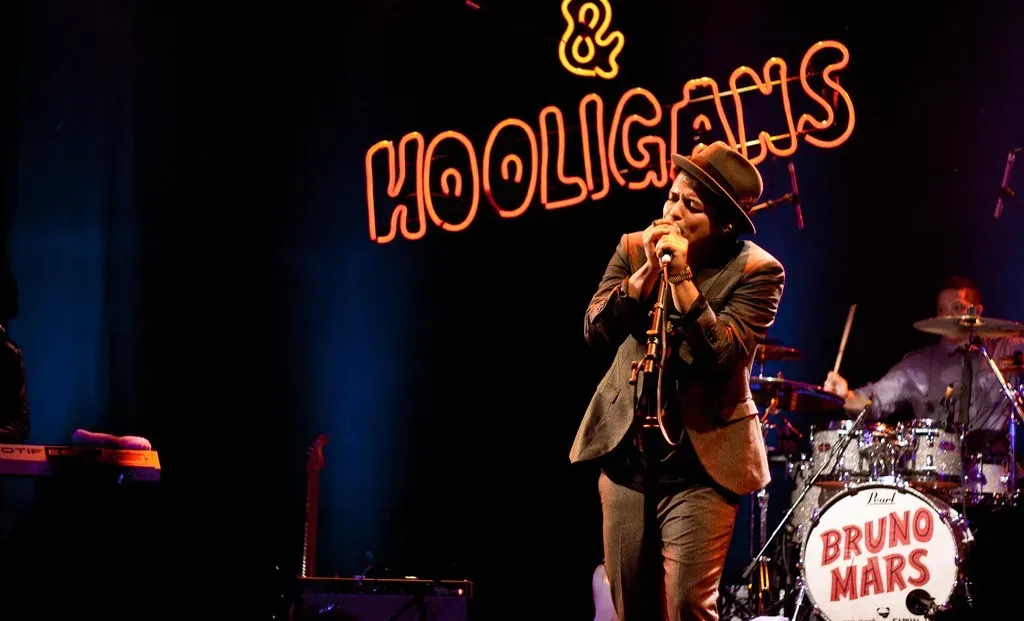
Released in November 2014, this song became one of the biggest hits of the decade, and its sound has almost nothing to do with 2014. “Uptown Funk!” is a song by British DJ/producer Mark Ronson, featuring American singer Bruno Mars, and it was heavily influenced by the Minneapolis sound from the early 1980s. Critics and fans alike immediately noticed the resemblance to a specific era of funk.
The song’s DNA traces back further than most listeners realize. It features heavy inspiration from the Minneapolis sound of 1980s era funk music, having a spirit akin to works by Prince as well as Morris Day and The Time. That borrowing got the songwriters into legal trouble more than once, with a Minneapolis funk group even filing suit over similarities to their 1983 track. It’s a reminder that when a song sounds this convincingly retro, sometimes there’s a very literal reason why.
2. Blinding Lights – The Weeknd (2019)

Few songs of the streaming era wear their influences as openly as this one. The synth stabs, the driving bassline, and the falsetto vocal all point straight back to 1980s synth pop, evoking the sound of artists like Michael Jackson and new wave acts of that decade. It became one of the most streamed songs in Spotify’s history, proving that a deliberately vintage sound can still dominate a thoroughly modern platform.
What makes the song interesting is how unapologetic it is about its source material. There’s no attempt to disguise the retro synth work under modern production tricks. Instead, the throwback sound became the entire selling point, turning a niche revivalist aesthetic into mainstream radio staple.
3. Feel It Still – Portugal. The Man (2017)

This one has a documented paper trail connecting it to the past. The song draws on the melody from the Marvelettes’ 1961 hit “Please Mr. Postman,” and includes a credit for Motown songwriter Brian Holland. That’s not a vague stylistic echo. It’s a formal songwriting credit tying a 2017 alternative rock hit directly to a song that predates it by fifty six years.
The 2017 song “Feel It Still” by Portugal. The Man has significant similarities to “Please Mr. Postman” and includes a credit for Brian Holland. The band was candid about the connection when questioned about it publicly, describing the resemblance as intentional and something they had cleared with the original rights holders. The result is a song that topped alternative radio charts while carrying a genuine piece of Motown history inside it.
4. Take Me to Church – Hozier (2013)

Andrew Hozier Byrne’s breakthrough single leans hard into blues and gospel phrasing, built around a piano riff and vocal delivery that feels closer to a church revival than a 2013 pop chart. The lyrics deal with themes of religion and repression, but it’s the musical arrangement, that mournful, soulful build, that gives the song its aged quality. It doesn’t sound like a modern singer imitating old blues; it sounds like the blues never left.
Part of what sells the illusion is Hozier’s own voice, which carries a rasp and weight that feels inherited rather than performed. The song became a massive international hit and earned a Grammy nomination, proving that audiences in the 2010s were more than willing to embrace something that sounded decades removed from typical chart pop of that moment.
5. Ho Hey – The Lumineers (2012)
Handclaps, stomping percussion, and a shouted refrain give this song the feel of a front porch singalong from a much earlier American folk tradition. Released in 2012, it became an unlikely radio hit at a time when most pop music leaned toward polished electronic production. The stripped down, almost rustic arrangement stood out precisely because it refused to sound contemporary.
The Lumineers built much of their early identity around this kind of old timey Americana aesthetic, drawing comparisons to folk revival movements from decades earlier. “Ho Hey” wasn’t just a fluke single; it set the tone for a broader wave of neo folk acts that followed in the years after, many chasing that same weathered, acoustic warmth.
6. Do I Wanna Know? – Arctic Monkeys (2013)
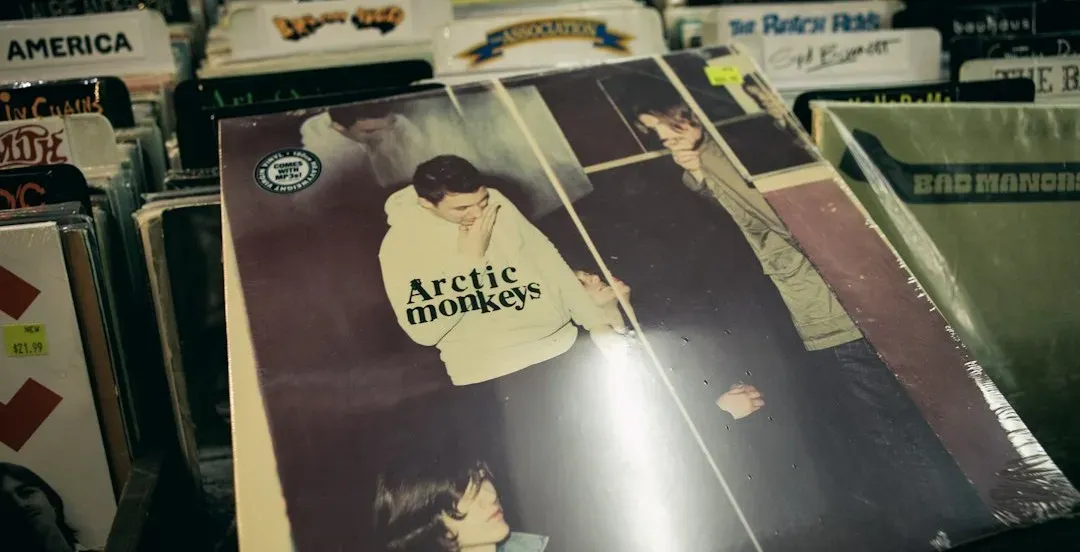
The opening riff alone does most of the work here, a slow, bluesy guitar line that feels pulled from a much older rock tradition than the band’s earlier, punchier indie rock material. Released as the lead single from their album AM in 2013, the song marked a deliberate shift toward heavier, slower, more atmospheric rock songwriting. Alex Turner’s vocal delivery, low and unhurried, adds to the sense that this song belongs to an earlier era of rock.
The band has spoken about drawing from hip hop influenced beats and classic rock guitar tones for that album, blending them in a way that doesn’t sound like a straightforward tribute to any single decade. Instead, it lands somewhere between eras, familiar enough to feel timeless without copying any one specific sound too closely.
7. Riptide – Vance Joy (2013)

A ukulele driven melody and a loose, almost campfire style arrangement give this song a charm that feels plucked from an earlier folk tradition, despite being written and released in the early 2010s. It became a sleeper hit, slowly climbing charts over the course of more than a year after its original release. The simplicity of the instrumentation is part of the appeal; there’s very little modern production sheen layered on top.
Vance Joy has cited a mix of influences ranging from older folk and pop songwriting to more contemporary indie acts, but the finished product leans distinctly toward the former. Its slow burn commercial success suggests that listeners responded to something that felt more handmade and less engineered than most other songs competing for airplay at the time.
8. Budapest – George Ezra (2014)
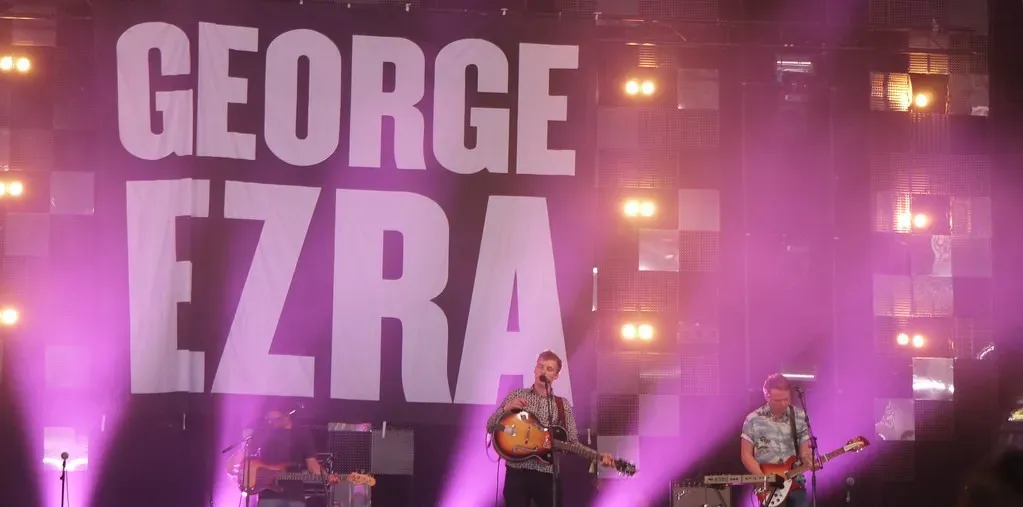
George Ezra’s deep, resonant baritone is the first thing anyone notices about this song, and it immediately calls to mind older blues and folk singers rather than anything typical of mid 2010s pop. The acoustic guitar arrangement is simple and unadorned, giving the vocal room to carry most of the song’s character. Ezra wrote the track while traveling through Europe, and the folk troubadour quality of the songwriting reflects that kind of journeyman inspiration.
The song became a global hit, helped in part by exactly this contrast between Ezra’s youthful appearance and his unusually mature, weathered sounding voice. That mismatch between the singer and the sound is a big part of why the track has aged so gracefully; it never really sounded like it belonged to one specific modern moment to begin with.
9. Valerie – Amy Winehouse (2007)
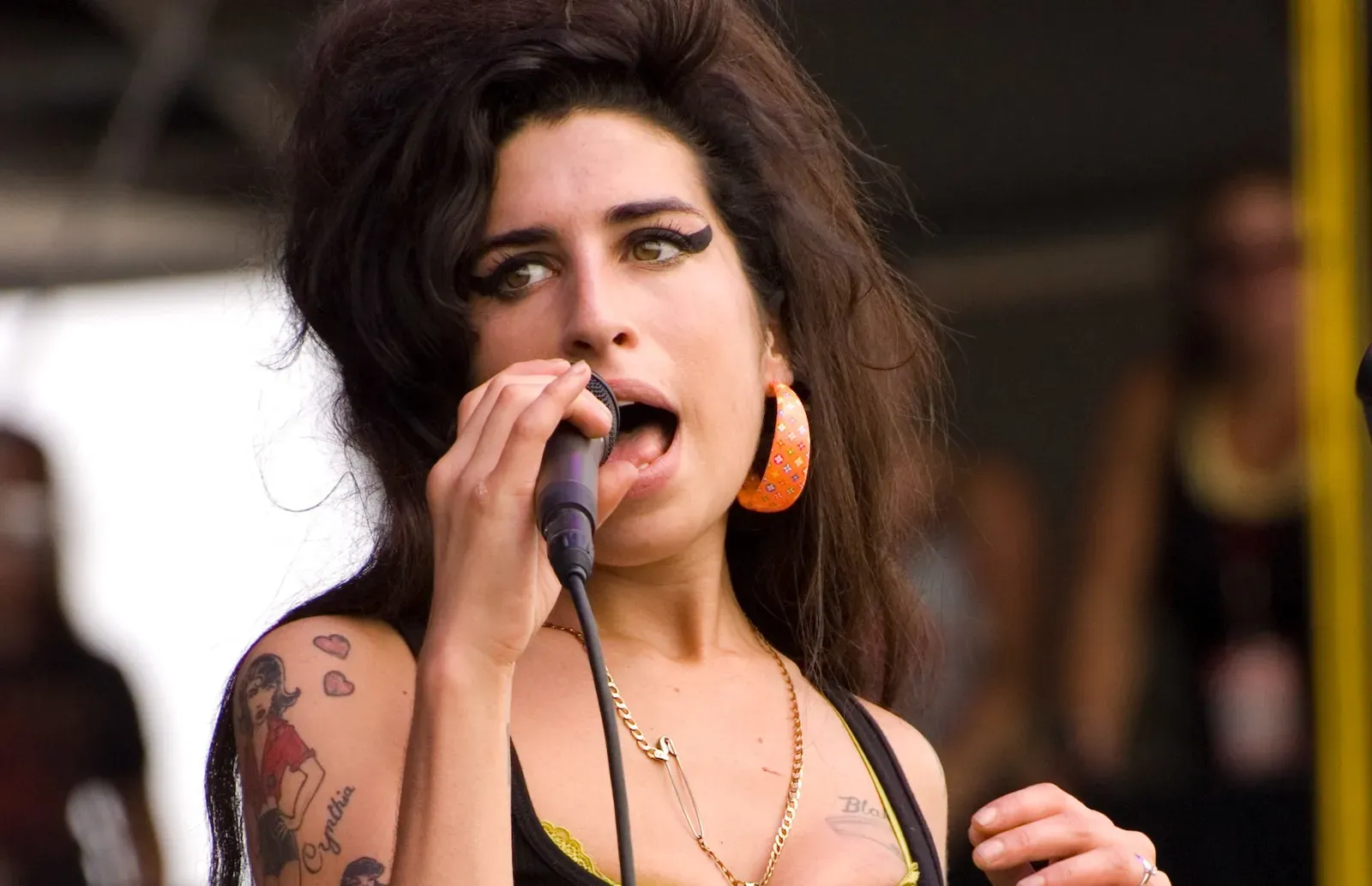
Amy Winehouse’s version of this song, originally written and recorded by the Zutons in 2006, transformed it into something that sounds like a lost Motown or Stax recording from the 1960s. Produced by Mark Ronson for his album Version, the arrangement leans into horn sections, a tight rhythm section, and Winehouse’s own smoky, soulful vocal delivery. It became one of her signature performances, despite technically being a cover of a fairly recent indie rock song.
What’s notable is how thoroughly the reinvention worked. Most casual listeners assume “Valerie” is an old soul standard rather than a song written in the mid 2000s, which says a lot about how convincingly Ronson and Winehouse recreated that vintage sound. It’s a good closing example of how production choices, more than the actual age of a song, are often what decide whether something sounds old or new.
Across all nine of these tracks, the pattern holds. Age isn’t really about the calendar year stamped on a release date. It’s about horn arrangements, vocal grit, guitar tone, and rhythm choices that reach back toward earlier decades, sometimes with a formal songwriting credit to prove it, sometimes just through careful production instinct. These songs succeeded commercially in their own time precisely because they didn’t sound like they belonged to it.