
There’s a strange kind of afterlife that happens to certain movies. They limp out of theaters with disappointing numbers, get written off by studios, and then quietly resurrect themselves on a shelf at Blockbuster or a streaming queue years later. Home video, DVD sales, rentals, and even Blu-ray reissues have rescued more films than most casual moviegoers realize, turning theatrical flops into some of the most quoted, most rewatched titles in film history. What follows is a look at eight movies where the couch, not the cinema, is where the real money and the real legacy were made.
1. The Shawshank Redemption (1994)

Few films illustrate the theater-to-living-room turnaround better than this one. Its initial box office run earned the film only $16 million against a $25 million budget, a rough outcome for a movie now regularly ranked among the greatest ever made. Competition that year was brutal, since it opened against Pulp Fiction and Forrest Gump, and The Shawshank Redemption’s $2.4 million opening weekend paled next to Pulp Fiction’s $9.3 million debut.
Warner Bros. made an unusual bet the following year. Over 320,000 VHS rental copies were shipped throughout the United States, and on the strength of its award nominations and word of mouth, it became the top video rental of 1995. Once the broadcast rights were acquired following the purchase of Castle Rock Entertainment by Turner Broadcasting System, and it was shown regularly on the TNT network starting in 1997, further increasing its popularity, the film’s second life was basically locked in.
2. Idiocracy (2006)

Mike Judge’s satire about a dumbed-down future had one of the smallest theatrical rollouts imaginable. Due to its lack of a major theatrical release, it resulted in a $495,000 box-office gross, a number so tiny it barely registers as a real release. Fox reportedly pulled back on marketing partly out of nervousness about the film’s corporate satire, and partly because, as the studio apparently expected, it would find its real audience later.
That’s exactly what happened. Idiocracy only grossed $495,303 at the box office, but made $9 million in DVD rentals, a gap that turns the film’s theatrical run into a rounding error next to its home video performance. Two decades later, it’s often cited less as a comedy and more as an accidental piece of political commentary, which only helped keep it circulating on disc and streaming.
3. Donnie Darko (2001)

Richard Kelly’s time-bending high school drama arrived at the worst possible moment, just weeks after the September 11 attacks, with a plot centered on a plane crash. Filmed with a small budget of only $3.8 million and nearly sent straight to home video by the distributing studio, “Donnie Darko” debuted with a limited theatrical release on only 58 screens domestically. Its international rollout was delayed almost a year because of the attacks, which further limited its reach.
The film’s real audience showed up later, largely through disc rentals and repeat viewings. Once the DVD started circulating in 2002, everyone knew someone who told them about this hard-to-describe movie that was fun but also meaningful. That slow-building word of mouth, rather than any theatrical push, is what turned Jake Gyllenhaal’s breakout role into a defining performance for a generation of home viewers.
4. Office Space (1999)

Mike Judge’s workplace comedy is now so embedded in pop culture that its box office numbers feel almost unbelievable. According to reporting on the film, Office Space only made $800,000 more than it cost to produce, a margin that in Hollywood terms counts as a failure rather than a hit. Theatrical audiences largely stayed away.
What changed things was cable reruns and rental shelves. Without a meaningful Blu-ray/DVD market and with the demise of cable TV, studios don’t get second chances to recoup on a flop, and films don’t get second chances to find their audience, which is precisely the kind of second chance Office Space received in the early 2000s. It became one of the clearest examples of a movie whose real fanbase formed entirely outside the multiplex.
5. Fight Club (1999)

David Fincher’s adaptation of the Chuck Palahniuk novel opened to mixed reviews and a lukewarm box office. The film ultimately grossed $102.4 million worldwide against a budget in the $63 to $65 million range, numbers that failed to meet the studio’s expectations at the box office and polarized critics at the time.
Partner offer
Home video told an entirely different story. Fight Club sold more than six million copies on DVD and video in its first ten years, a number which makes it one of the largest-selling home media titles in 20th Century Fox’s history. On top of those sales, the film banked more than $55 million in video and DVD rentals, and by 2009 The New York Times was calling it the defining cult movie of its era.
6. The Big Lebowski (1998)
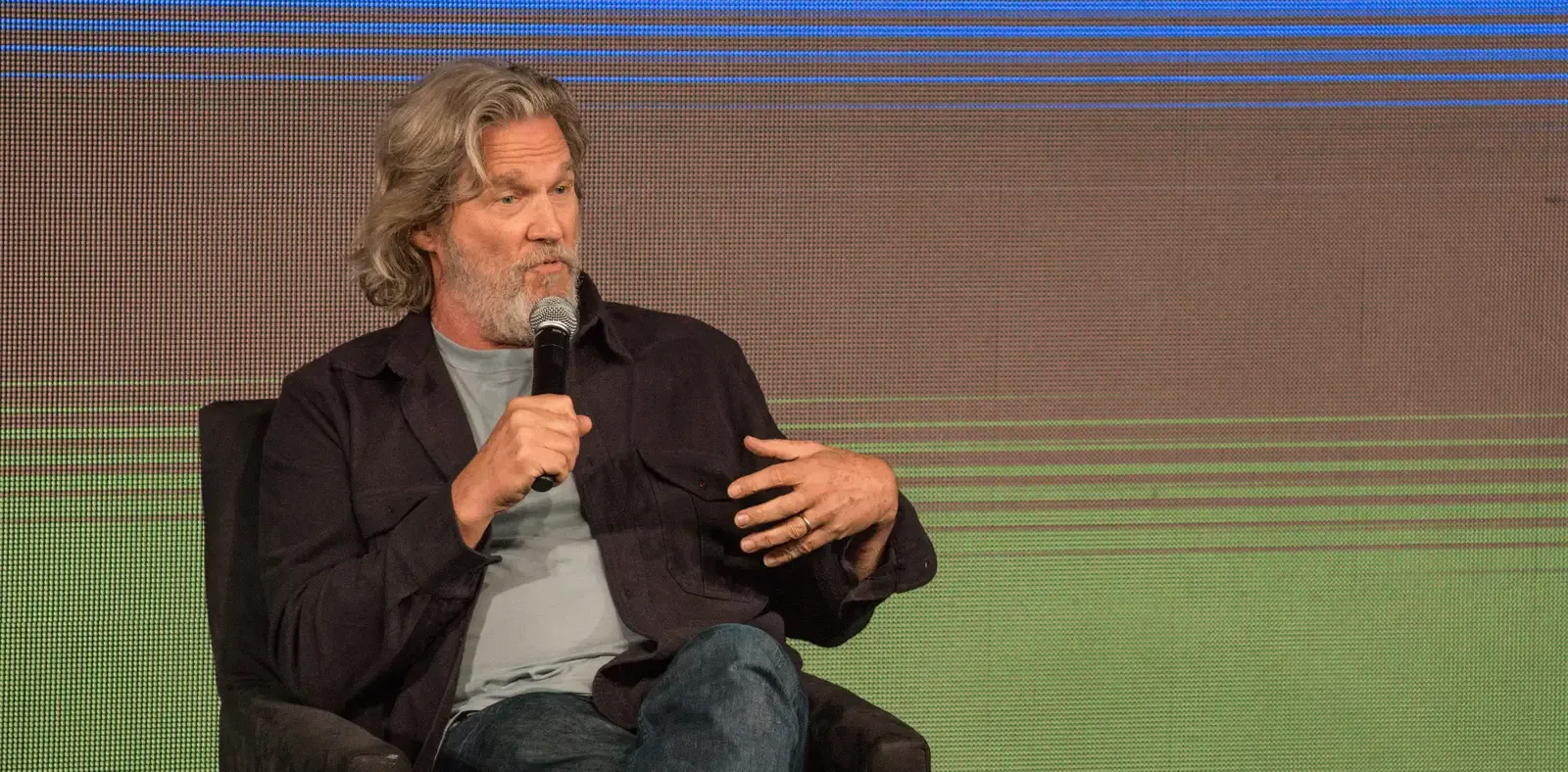
The Coen brothers’ shaggy-dog detective comedy didn’t bomb outright, but it underwhelmed relative to expectations. The film’s $15m to make but made only $2m profit at the American box office reflects a movie that barely cleared its costs during its theatrical window. Reviews at release were mixed rather than glowing.
Its afterlife tells a different story entirely. Analysis of the film’s earnings notes that barely a third of its box office came from US cinemas, and despite its underwhelming performance, The Big Lebowski has become one of the most influential cult films ever, with home media sales that almost total the film’s box office success. The fandom eventually got so devoted it spawned its own festival and even an informal philosophy inspired by the Dude himself.
7. Napoleon Dynamite (2004)

Jared Hess’s deadpan indie comedy about an awkward Idaho teenager never became a theatrical juggernaut, but it built a devoted following almost entirely through repeat home viewings. Industry analysis of the DVD era specifically groups it alongside other cult titles, noting that cult classics like Napoleon Dynamite, The Big Lebowski, or Fight Club earned as much, or even twice as much, from physical media as they did in theaters. That pattern was common enough during the mid-2000s DVD boom that studios came to expect it from a certain kind of low-budget, oddball comedy.
Napoleon Dynamite fit that mold almost perfectly. Its low production cost meant even modest home video numbers represented a real financial win, and its quotable, meme-ready dialogue made it an ideal candidate for the repeat-rental habits that defined the DVD golden age described in that same analysis.
8. Blade Runner (1982)

Ridley Scott’s now-iconic science fiction noir struggled badly on its initial theatrical run. Production costs ballooned to $28m from a planned estimate of $13m, but recouped only $6m in its first week in American cinemas, numbers that at the time looked like a straightforward disaster for a big-budget studio picture.
The film’s reputation grew almost entirely through home viewing and repeated re-edits. When director Ridley Scott put out a Director’s Cut in 1992 and a Final Cut in 2007, they became two of the most popular and talked-about home releases ever. Each new home video edition brought fresh critical reappraisal, eventually elevating a theatrical disappointment into one of the most influential science fiction films ever made. These eight titles share a common thread: they needed time, repetition, and a private setting to actually land with audiences. Theatrical runs are fast and unforgiving, built around opening weekends and quick word of mouth, while home video rewards patience, curiosity, and the kind of slow-building buzz that a single week in cinemas rarely allows for. It’s worth remembering, especially now that streaming has largely replaced the DVD shelf, that a movie’s first commercial verdict is rarely its final one.
Partner offer
Planning a trip to Vegas?
Compare hotel rates and show tickets on VEGAS.com.