Some of the biggest songs in music history started as almost nothing at all. A scribble on a wall, a half-remembered dream, a joke shouted between friends. The gap between how massive these tracks became and how modest their beginnings were is part of what makes pop music history so strange and satisfying to dig into.
1. “Yesterday” by The Beatles began as a melody Paul McCartney literally dreamed up
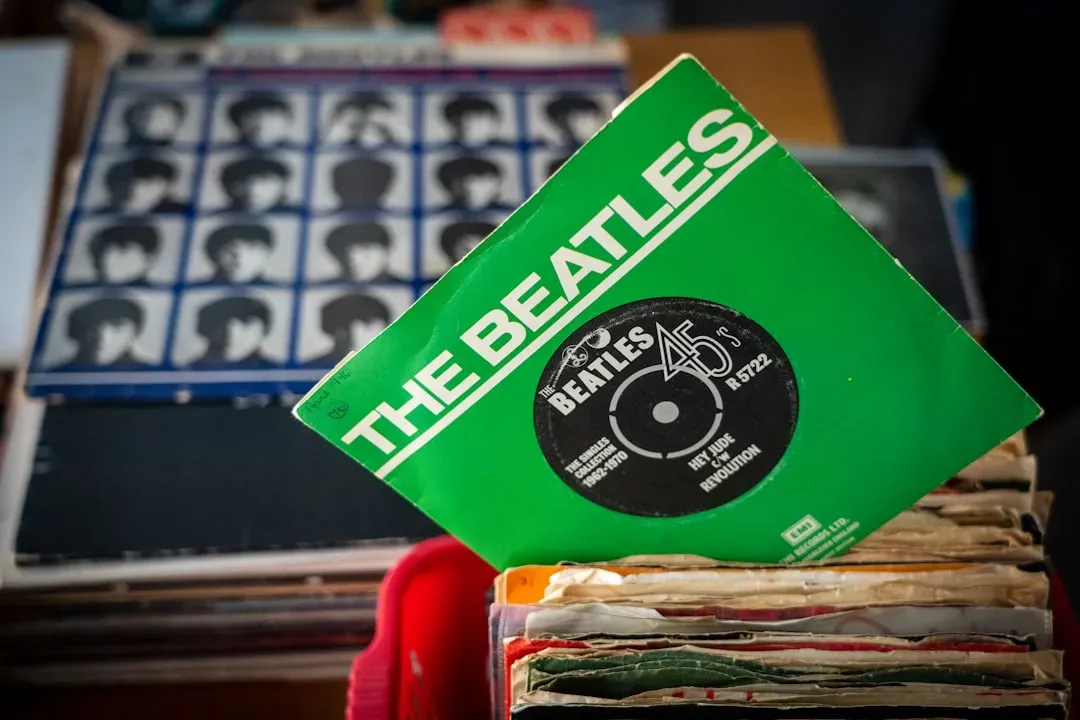
The most famous origin story in rock history might be the simplest one on this list. McCartney claims to have awoken with the timeless melody after a dream and ad-libbed the words “scrambled eggs” in order not to forget it. He was so unsure it was original that he spent weeks asking bandmates and even producer George Martin if they recognized the tune before accepting it as his own.
The words came together far more slowly than the music. McCartney played it so often on the set of The Beatles’ first movie, Help!, that director Richard Lester once threatened that he’d throw the piano off the set if McCartney didn’t complete it. The real lyrics eventually arrived on a long car ride through Portugal, months after that first sleepy piano session.
2. “Smells Like Teen Spirit” by Nirvana grew out of graffiti written on a wall during a drunken night
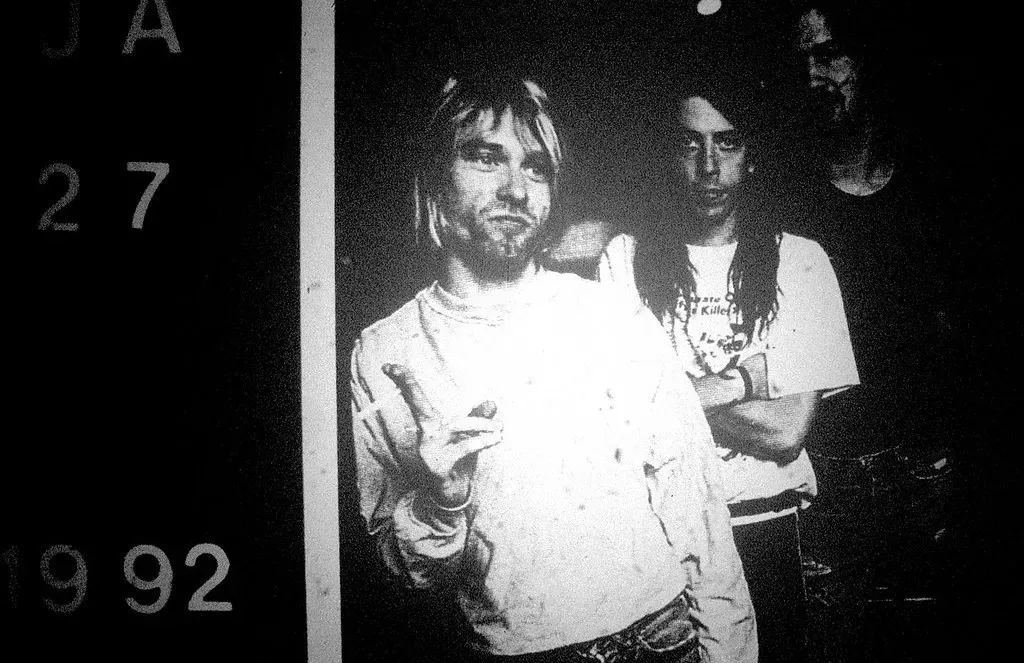
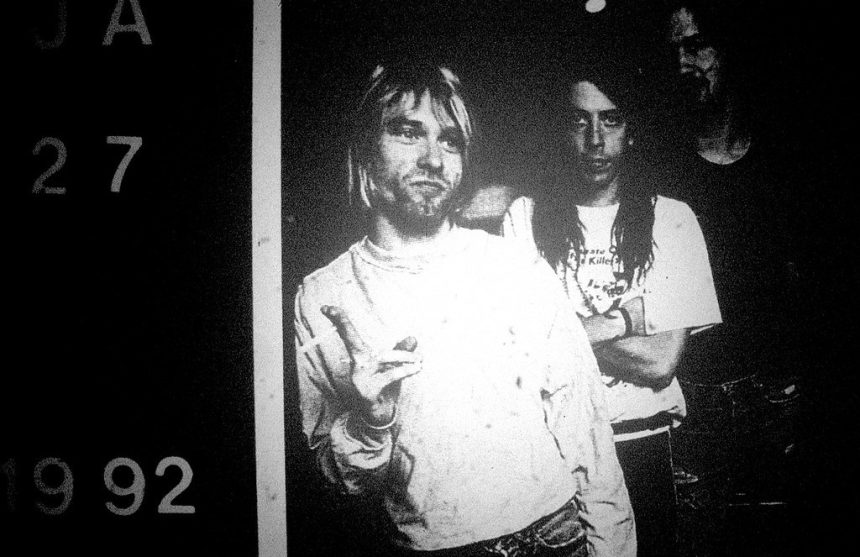
Kurt Cobain didn’t set out to write a slogan for a generation. Kathleen Hanna started writing stuff on the walls with Sharpies, and wrote, “Kurt is the keeper of the kennel,” which is just a drunken thing to do. And then she wrote, “Kurt smells like teen spirit.” Hanna was referencing a deodorant her friend wore, a joke Cobain apparently never fully understood at the time.
Months later, while working on new material with Nirvana, Cobain remembered the line and asked if he could use it. He called her and was like, “Hey, can I use that line?” And she had no idea how he was going to use “Smells Like Teen Spirit” in a song. That half-remembered bit of drunken wall art became the title of one of the defining rock singles of the 1990s.
3. “Tutti Frutti” by Little Richard started as a phrase he used to greet people
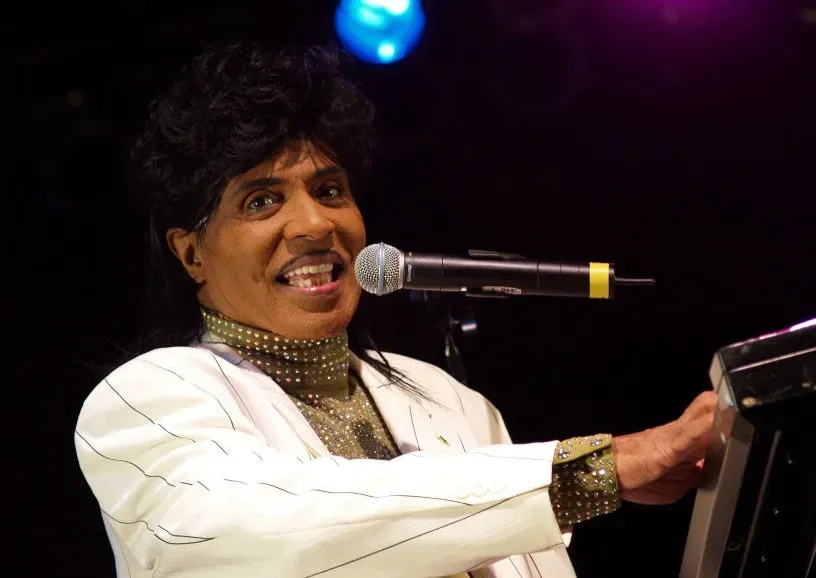
Long before it was a chart hit, the song’s signature nonsense chant was just something Little Richard said. According to accounts from the era, “Awap bop a lup bop a wop bam boom” was kind of his catch phrase, something he would reply to folks who asked him how he was doing. He had been performing a raunchier version of the song for years on the Chitlin’ Circuit before anyone thought to record it.
The recording only happened because a session was going nowhere. The first eight tracks Richard put down were blues numbers which weren’t wowing his producer Bumps Blackwell, who took a break and brought Richard to a local bar. Richard, feeling more relaxed with an audience to play for, sat down at a piano and started playing his live favorite “Tutti Frutti.” Songwriter Dorothy LaBostrie was brought in on short notice to clean up the original lyrics so radio stations would actually play it.
4. “Louie Louie” by The Kingsmen traces back to a Latin dance tune played backstage

Richard Berry, who wrote the original version years before the Kingsmen made it famous, didn’t invent the song’s rhythm out of thin air. While “El Loco Cha Cha” influence is immediately apparent from the opening notes of “Louie Louie,” Berry didn’t just copy Touzet’s song; instead, he built on that riff, pulling parts from a multicultural grab bag of influences. He was sitting backstage listening to another band’s warm-up set when the bassline caught his ear.
Berry himself described the blend plainly. “So what I did was mix some Latin with some calypso and some R&B, and I came up with ‘Louie Louie,’ which was actually the B-side of the record that I really thought was going to be a big seller for me.” The Kingsmen’s muddled, barely intelligible 1963 recording later sparked an FBI obscenity investigation, proof that simple songs can still cause complicated trouble.
5. “Twist and Shout” was recorded and rewritten multiple times before it worked
The song didn’t arrive fully formed as the party anthem everyone knows today. “Twist and Shout” is a 1961 song written by Phil Medley and Bert Berns, later credited as “Bert Russell.” It was originally recorded by The Top Notes, but it did not become a hit in the record charts until it was reworked by the Isley Brothers. The first version, produced early in Phil Spector’s career, was widely considered a mess.
Partner offer
Co-writer Bert Berns effectively saved his own song by producing the Isley Brothers’ version himself a year later, leaning into a rhythmic, cha-cha-tinged groove that finally clicked. The Beatles then covered it almost as an afterthought, recording it in a single take at the tail end of a marathon session for their debut album. It became one of the most electric vocal performances of their early career, built on a song that had already been rejected once.
6. “Wild Thing” by The Troggs was written on the spot using three basic chords
Songwriter Chip Taylor has long described writing “Wild Thing” quickly, almost as a throwaway demo, using a simple three chord structure that gave the song its raw, garage rock feel. The Troggs picked it up soon after and recorded it with minimal fuss, adding a memorable ocarina solo that became just as iconic as the guitar riff. Its simplicity was never a weakness. That bare bones arrangement is exactly why bands have found it so easy to cover for decades, from punk acts to novelty performers.
The song’s lack of polish is part of its lasting appeal. Where other hits of the mid 1960s leaned on lush production, “Wild Thing” stayed stripped down and immediate, closer to a chant than a composition. That plainness helped it survive changing musical trends far better than more elaborately arranged singles from the same period.
7. “Happy Birthday to You” began as a simple classroom melody with different words
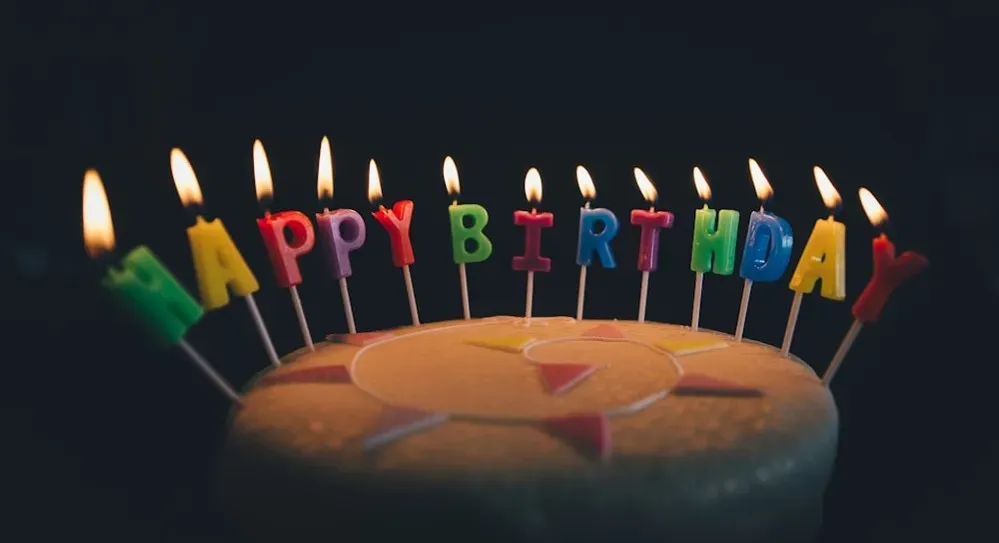
Before it became the most sung song in the world, the tune behind “Happy Birthday to You” started life as “Good Morning to All,” a gentle teaching song written by sisters Patty and Mildred Hill in the 1890s for use in kindergarten classrooms. The melody was designed to be easy enough for small children to learn and repeat, nothing more ambitious than that. Somewhere along the way, new lyrics were attached to the same tune, and the birthday version slowly took over as the dominant use of the melody.
The song’s ownership became far more complicated than its origin ever was, with decades of legal disputes over who actually held the copyright. Courts eventually determined the song had fallen into the public domain, closing a legal saga that lasted longer than most pop careers. It is a strange twist for a melody that began as nothing more than a polite way to greet children in the morning.
8. “Iko Iko” grew out of a New Orleans street chant tied to Mardi Gras Indian tradition

The song’s roots go back to the call and response chants used by Mardi Gras Indian tribes parading through New Orleans neighborhoods, a tradition built on rhythm and repetition rather than conventional verse writing. Musician James “Sugar Boy” Crawford heard these chants and adapted them into a recorded song in the 1950s, originally releasing it under a different title. The lyrics themselves remain only loosely translatable, closer to rhythmic phrasing passed down through community tradition than to standard songwriting.
The song found new life decades later when The Dixie Cups recorded a version almost by accident, reportedly performing it informally in a studio before anyone realized the tape was rolling. That casual, half rehearsed take became the version most people know today. It is a rare case of a hit single being born from a chant nobody originally intended to copyright, let alone turn into a lasting piece of pop culture.
These eight songs share a common thread despite their different decades and genres. None of them needed elaborate backstories or complicated studio experiments to become unforgettable. A dream, a scrawled joke, a chant heard through a wall, sometimes that is genuinely all it takes.Partner offer
Planning a trip to Vegas?
Compare hotel rates and show tickets on VEGAS.com.