Opening weekends can be harsh. A film gets a few days, sometimes less, to prove itself before theaters hand its screens to the next release. Plenty of movies that vanished quickly were not failures so much as misunderstood.
The eight films below all had disappointing or short theatrical runs. Home video, television, repertory screenings, and word of mouth later gave them a second life.
The Shawshank Redemption
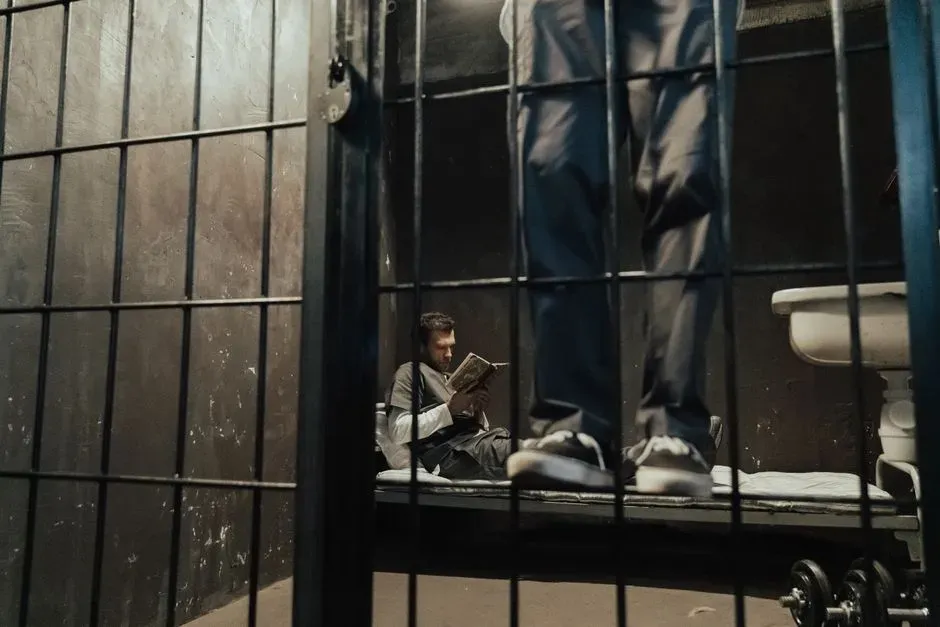
Released in September 1994, this prison drama earned only about 16 million dollars in its initial domestic run, against a budget of roughly 25 million. It faced strong competition that fall, and audiences didn’t quite know how to approach a long, quiet story with a hard to remember title.
Things changed after it received seven Academy Award nominations, which brought it back to some theaters. Strong video rental numbers followed, and repeated cable airings built a loyal audience over the years. It now regularly sits near the top of viewer rated lists on sites like IMDb.
Fight Club

David Fincher’s 1999 film cost around 63 million dollars to make and took in roughly 37 million domestically. Reviews were split, and the studio struggled to market its dark satire. Its theatrical run was seen as a letdown.
The DVD release changed its fortunes, and the film sold strongly on home video. College audiences in particular adopted it, and it became one of the most discussed movies of its generation. Its worldwide total eventually reached about 100 million dollars, with much of the later revenue coming from home formats.
Blade Runner

Ridley Scott’s science fiction film arrived in June 1982 with a budget reported at around 30 million dollars. It earned roughly 27 million in the United States, partly because it opened against E.T. the Extra-Terrestrial and other crowd pleasers. Critics were divided, and many viewers found the pace too slow.
Cable and video turned it into a favorite among film fans. Scott released a director’s cut in 1992, and a Final Cut followed in 2007. The film’s reputation grew enough to justify the sequel Blade Runner 2049 in 2017.
The Thing
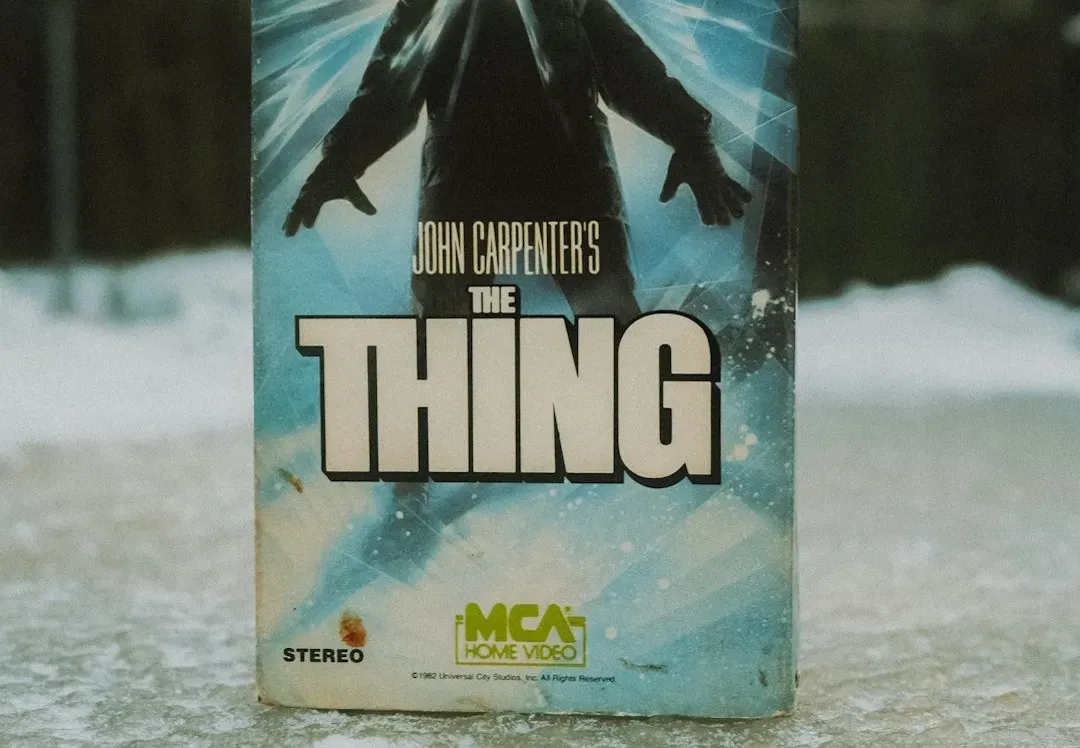
John Carpenter’s creature feature opened in late June 1982, the same stretch that saw E.T. dominate theaters. Its grim tone and graphic effects put off many critics and viewers, and it earned only around 20 million dollars in the United States. Reviews at the time were often harsh.
Partner offer
Home video and television gave audiences a chance to see it again. Many critics have since praised Rob Bottin’s practical effects and the film’s sense of paranoia. It is now widely regarded as one of the best horror films of its era.
Donnie Darko

Richard Kelly’s puzzle box drama played at Sundance in January 2001, then reached theaters that October. The timing was awkward, since the story involves a jet engine falling from the sky just weeks after the September 11 attacks. It opened on a small number of screens and made only around half a million dollars domestically.
Midnight screenings and DVD sales kept it alive. A director’s cut arrived in theaters in 2004, giving it a second theatrical run and a larger audience. The film is now a staple of cult cinema discussions.
Office Space

Mike Judge’s workplace comedy came out in February 1999 and grossed about 12 million dollars in the United States on a budget of roughly 10 million. Fox didn’t push it hard, and it left theaters without much notice. At the time, few expected it to leave a mark.
Cable reruns and DVD sales proved otherwise. Office workers recognized their own cubicle frustrations in the story, and quotable scenes spread through word of mouth. It has since become one of the best known comedies about corporate life.
Willy Wonka and the Chocolate Factory

The 1971 musical adaptation of Roald Dahl’s book earned around 4 million dollars on a budget of about 3 million. It did not impress at the box office, and Dahl himself was reportedly unhappy with the changes made to his story. Paramount’s release received a muted reaction from audiences.
Television changed its fate. Regular broadcasts introduced the film to new generations of children, and later home video releases cemented its status as a family favorite. Gene Wilder’s performance as Wonka is now widely praised.
Hocus Pocus

Disney released this Halloween comedy in July 1993, an odd time of year for a movie about witches. It earned under 40 million dollars domestically and received poor reviews. Many viewers assumed it would quickly be forgotten.
Television airings around Halloween, especially on Disney Channel and later Freeform, gradually built a devoted audience. Fans grew up watching it every October. That popularity led to a sequel, Hocus Pocus 2, which debuted on Disney+ in September 2022.
Partner offer
Planning a trip to Vegas?
Compare hotel rates and show tickets on VEGAS.com.