Most readers remember how a book begins. Opening lines get anthologized, tattooed, quoted at dinner parties. Endings are trickier. They tend to blur together after the emotional weight of a story has already landed, which is exactly why testing yourself on final lines is such a strange and satisfying exercise. Below are eight closing lines from novels that have shaped literature for well over a century. Some you’ll recognize instantly. Others might surprise you once you see how quietly, or how boldly, a great writer chose to end things.
1. A Tale of Two Cities

Charles Dickens closes his 1859 novel with Sydney Carton’s interior monologue as he faces the guillotine, a passage built around the line “It is a far, far better thing that I do, than I have ever done.” The sentence works because it recontextualizes everything readers just witnessed, turning a flawed, wasted man into someone who finally finds purpose in sacrifice.
What makes this ending endure is its rhythm. Dickens leans on repetition and long, rolling clauses, which was a common device in Victorian prose but rarely landed with this much emotional precision. It remains one of the most quoted endings in English literature classrooms today.
2. Pride and Prejudice
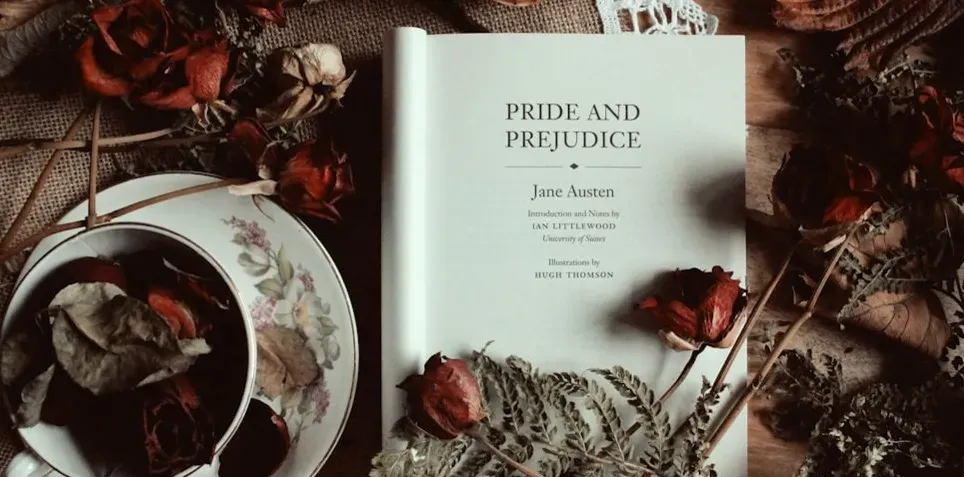
Jane Austen wraps up her 1813 novel not with romance but with domestic detail, describing how the Gardiners “had been the means of uniting them.” It’s a deliberately understated choice for a book so driven by wit and tension between Elizabeth and Darcy.
Austen resists a grand emotional flourish and instead settles into practical resolution, tying up family relationships and social standing. That restraint is very much the point. She spent the entire novel critiquing performative sentiment, so ending on something measured and grounded fits her style perfectly.
3. The Great Gatsby

F. Scott Fitzgerald’s 1925 novel entered the public domain in 2021, which means its ending has become even more widely reprinted and discussed in recent years. The final line, about boats and the past, is often cited as one of the most quietly devastating closings in American fiction.
The line works because it pulls back from Gatsby’s individual story to something larger about ambition and memory. Literary scholars have long pointed to this shift in scope as the moment the novel becomes less about one man and more about an entire cultural mood.
4. Moby-Dick
Herman Melville’s 1851 epic ends not with Ishmael’s grand philosophical musings but with a spare, almost clinical description of the wreckage of the Pequod and Ishmael’s survival, floating on a coffin turned life buoy. After hundreds of pages of dense digression, the abruptness is jarring on purpose.
Melville had spent the entire novel building toward obsession and destruction, so ending with quiet survival rather than triumph or total tragedy was unusual for its time. Modern critics often note that this restraint is part of why the book has aged so well compared to more melodramatic 19th century sea narratives.
Partner offer
5. Anna Karenina
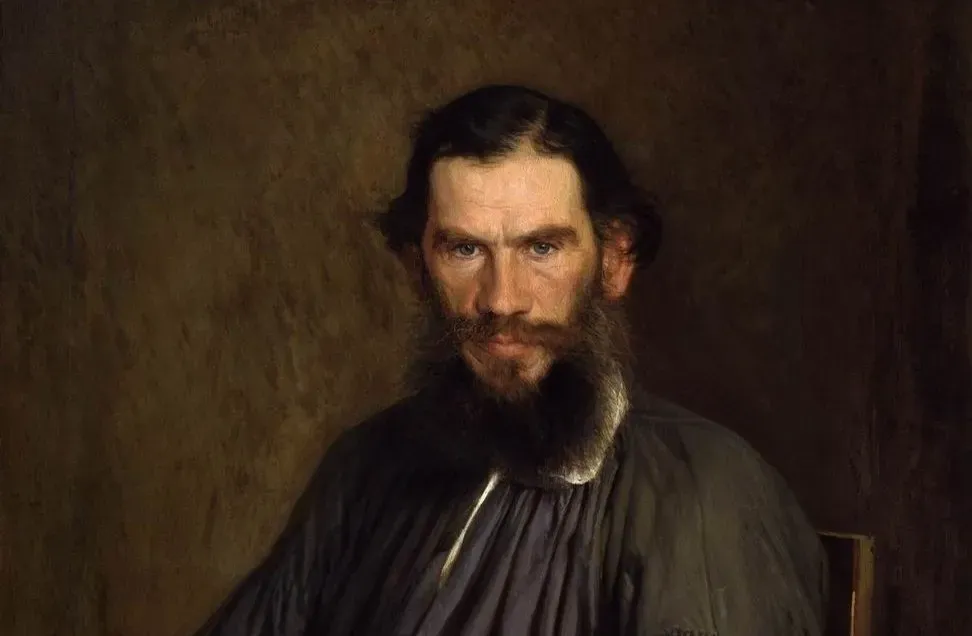
Leo Tolstoy’s 1877 novel doesn’t end with Anna’s fate at all. Instead, it closes with Levin reflecting on faith and meaning in his own life, a structural choice that surprises readers expecting the book’s central tragedy to carry through to the final page.
This decision reflects Tolstoy’s broader intent. The novel was never solely about Anna’s downfall, it was about contrasting paths toward meaning, and Levin’s quiet spiritual resolution offers a counterweight to the devastation that came before.
6. Ulysses
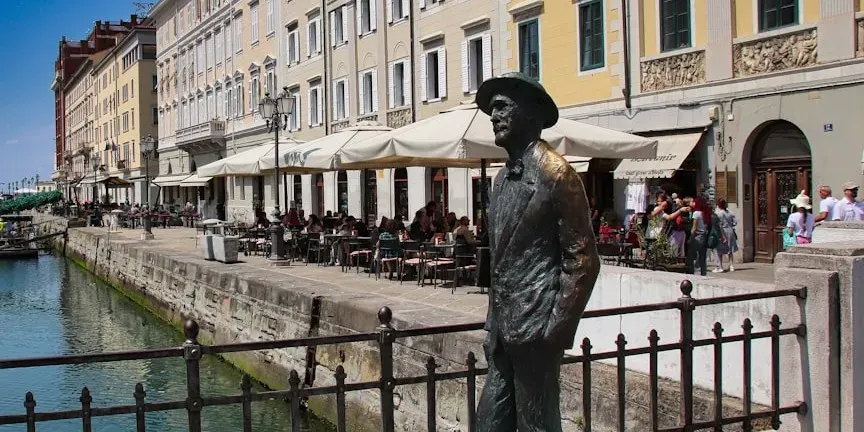
James Joyce’s 1922 novel ends Molly Bloom’s famous unpunctuated stream of consciousness with an emphatic, affirming “yes.” After nearly 700 pages of fragmented, wandering narrative, the ending lands as a moment of clarity and assertion.
Because Ulysses entered the public domain decades ago, its final section is one of the most studied passages in modernist literature. Scholars frequently point to that closing word as a rare moment of unambiguous emotional resolution in a novel otherwise defined by ambiguity.
7. Little Women

Louisa May Alcott’s 1868 to 1869 novel ends on a scene of the March family gathered together, with Marmee reflecting on the blessings surrounding her daughters. It’s a warm, deliberately sentimental close for a book that had spent chapters exploring hardship, loss, and growing up.
Alcott wrote the novel partly as a response to publisher demands for a story that would appeal to young readers, and the ending reflects that commercial and emotional balancing act. The final domestic image has remained one of the most recognizable closing scenes in American literature for young audiences.
8. Frankenstein
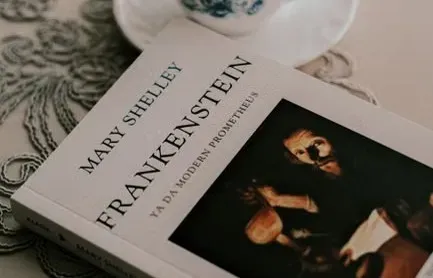
Mary Shelley’s 1818 novel ends with the creature vanishing into darkness and distance after Victor Frankenstein’s death, described as being “lost in darkness and distance.” It’s an ending that refuses easy resolution, leaving the creature’s fate deliberately unresolved.
Shelley wrote the novel when she was still a teenager, and the ambiguity of this final scene has fueled two centuries of debate about sympathy, monstrosity, and responsibility. Unlike many gothic novels of the era, there’s no clean moral punishment or redemption, just an open, unsettled departure.
Partner offer
Planning a trip to Vegas?
Compare hotel rates and show tickets on VEGAS.com.