It started, as these things usually do, with a bad idea and too much free time. A three-day weekend, a streaming subscription I was already paying for, and a nagging curiosity about whether a franchise that’s been running since 1993 actually holds together when you binge it start to finish. So I picked the Jurassic Park series, seven films deep now that Jurassic World Rebirth landed in 2025, and decided to watch every single one back to back.
What followed was less a cinematic journey and more an endurance test involving raptors, questionable science, and an alarming number of characters who should really know better than to wander into tall grass. Here’s what happened, movie by movie, and what an entire weekend of dinosaurs actually taught me.
Why I picked the Jurassic Park franchise
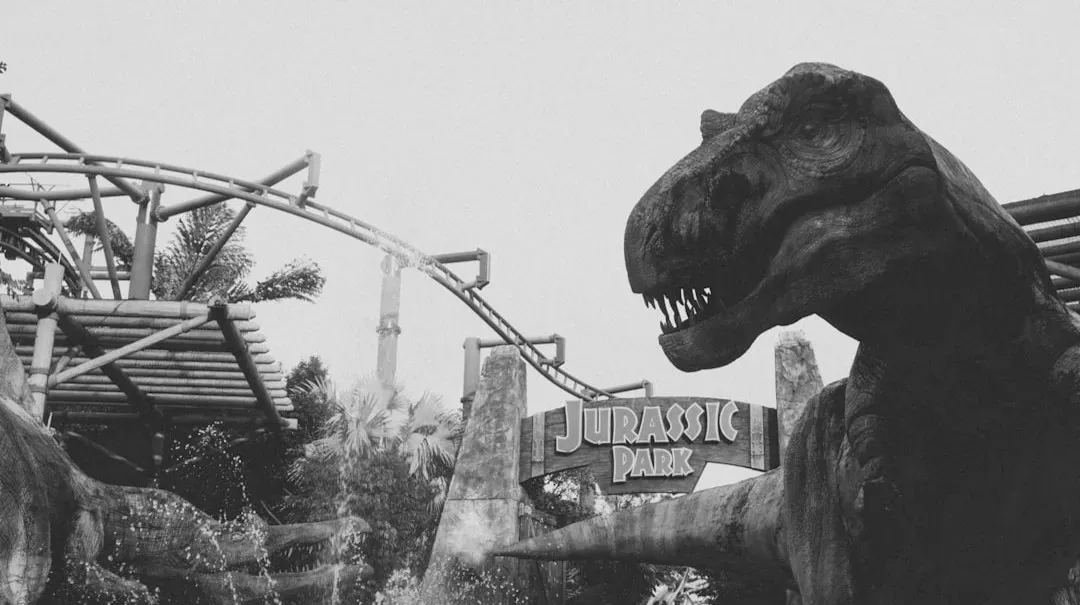
I needed a franchise long enough to feel like a real commitment but not so sprawling it would eat my whole month. Seven movies felt right, and the Jurassic series has the added bonus of spanning over three decades of visual effects history, from practical animatronics to fully digital creature work. It’s also a franchise built by two different generations of filmmakers, which meant I’d get to watch the tone shift in real time.
There was also the fact that the movie is the sixth sequel to Steven Spielberg’s 1993 blockbuster Jurassic Park, meaning this wasn’t some scrappy indie series cobbled together over the years. It’s one of the most commercially dominant franchises in Hollywood history, and I wanted to see if the quality held that same line.
Jurassic Park (1993): the one that still works
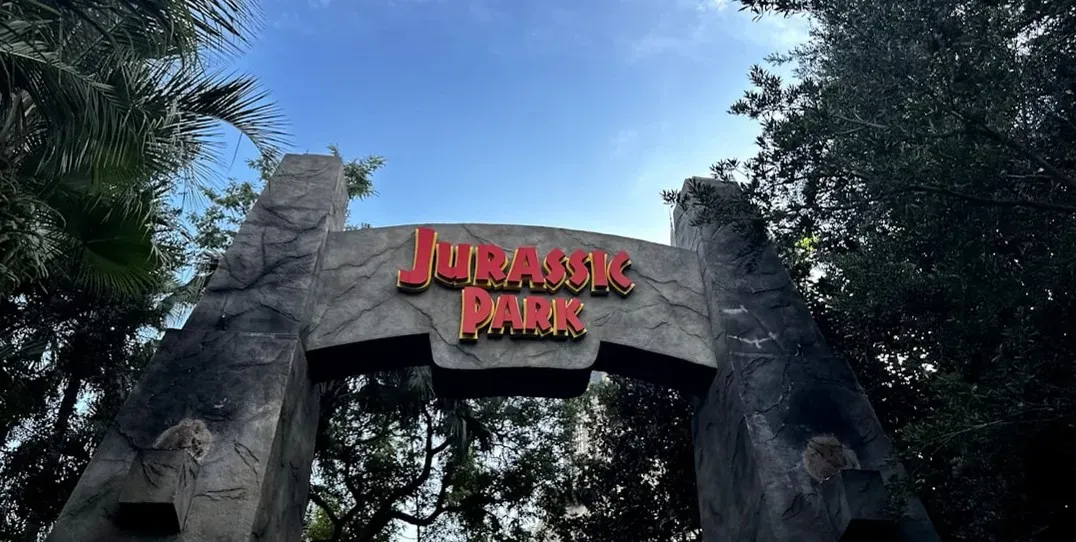
Watching the original again, cold, on a Friday night, was genuinely humbling. The pacing is patient in a way modern blockbusters rarely allow themselves to be, and the dinosaurs still look convincing decades later because so much of the effect relies on practical models and careful editing rather than wall to wall CGI.
There’s a reason this film became the template. Every sequel in this franchise, including the newest one, is still chasing the feeling this movie created in its first hour, and none of them have quite managed it.
The Lost World: Jurassic Park (1997): ambitious but uneven
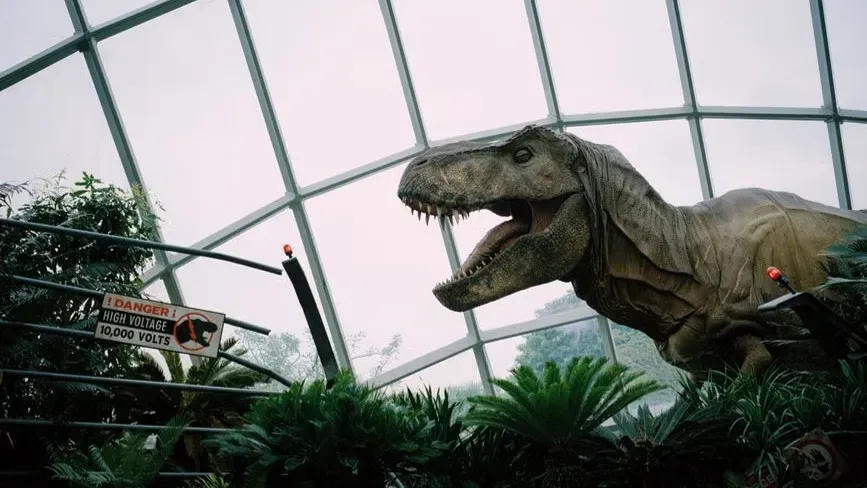
The second film swings for something bigger and messier, tossing in more dinosaurs, more human conflict, and a subplot about corporate greed that never fully lands. It’s not a bad movie, but it lacks the discipline of the first one, and the shift toward action spectacle over suspense is where you can feel the franchise starting to change shape.
Still, there’s something charming about how earnest it is. The film clearly wants to say something about human arrogance toward nature, even if the message gets buried under stampeding brachiosaurs and a T-Rex rampage through a suburban neighborhood.
Jurassic Park III (2001): the short, forgettable one
At under ninety minutes, this is the leanest entry in the series, and honestly, that’s both its strength and its weakness. It moves fast, doesn’t overstay its welcome, but also doesn’t leave much of an impression once the credits roll.
Watching it in the middle of a marathon, it functions almost like a palate cleanser between two more ambitious eras of the franchise. It’s competent, occasionally tense, and largely forgettable, which is a strange thing to say about a movie with pterodactyls chasing people through a jungle.
Jurassic World (2015): the reboot that actually worked
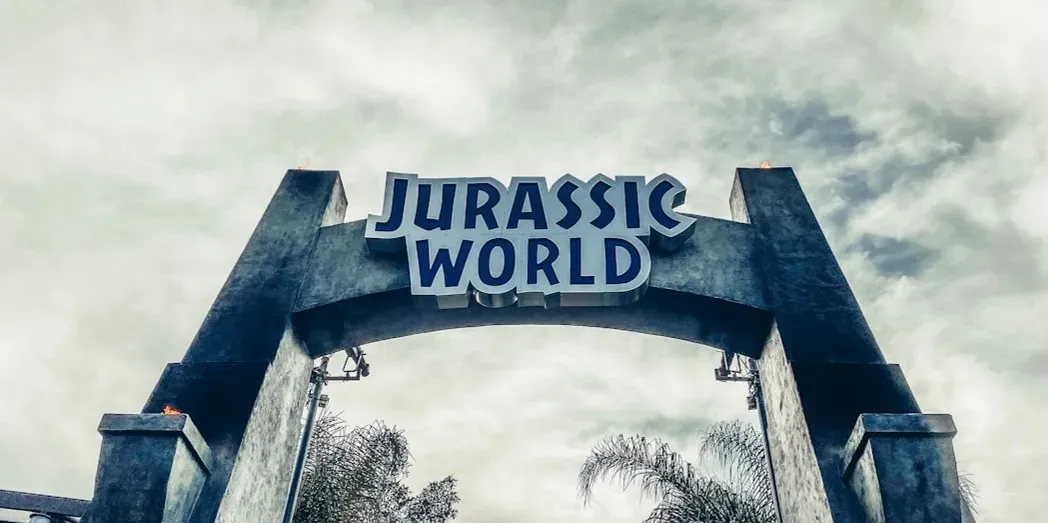
After a fourteen year gap, the franchise came roaring back with a film that understood exactly what audiences wanted: bigger dinosaurs, a theme park gone wrong again, and just enough nostalgia to feel connected to the original without copying it outright. The opening weekend numbers reflected that appetite, with the film debuting well ahead of every previous entry in the series.
What struck me watching it fresh is how confidently it blends spectacle with self awareness. It knows it’s a sequel to a beloved property and leans into that knowledge rather than pretending it doesn’t exist, which is part of why it became the highest grossing entry in the franchise’s history at the time.
Partner offer
Jurassic World: Fallen Kingdom (2018): louder but hollower
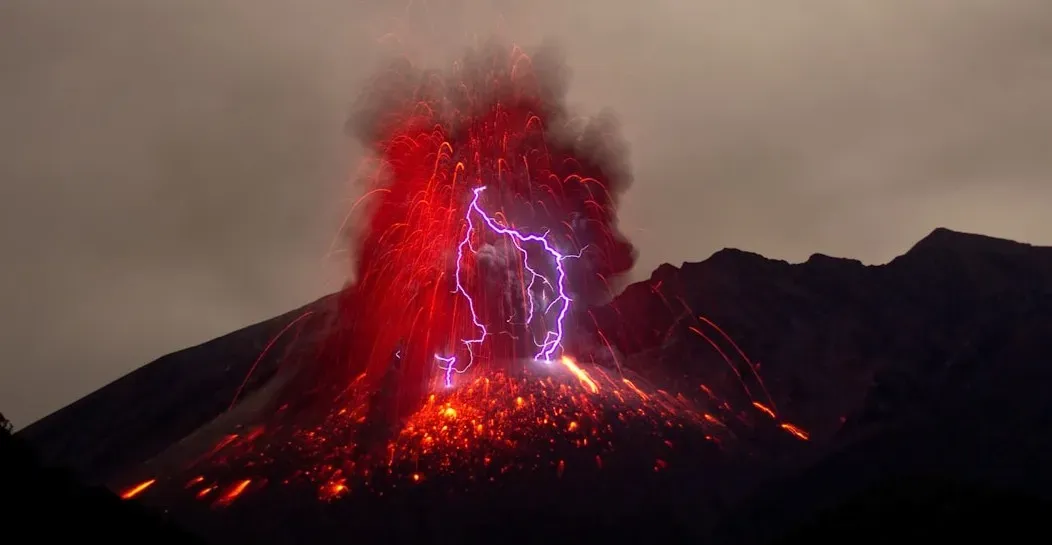
This is where the marathon started to wear on me a little. The film piles on volcano eruptions, illegal dinosaur auctions, and a genetically engineered hybrid villain, and somewhere in that chaos, the sense of wonder that made the original special starts to feel like an afterthought.
It’s not without merit. The middle act, set on the collapsing island, has some genuinely tense sequences. But the back half, which relocates to a gothic mansion, feels like a completely different movie stitched onto the front half.
Jurassic World Dominion (2022): the messy finale that wasn’t
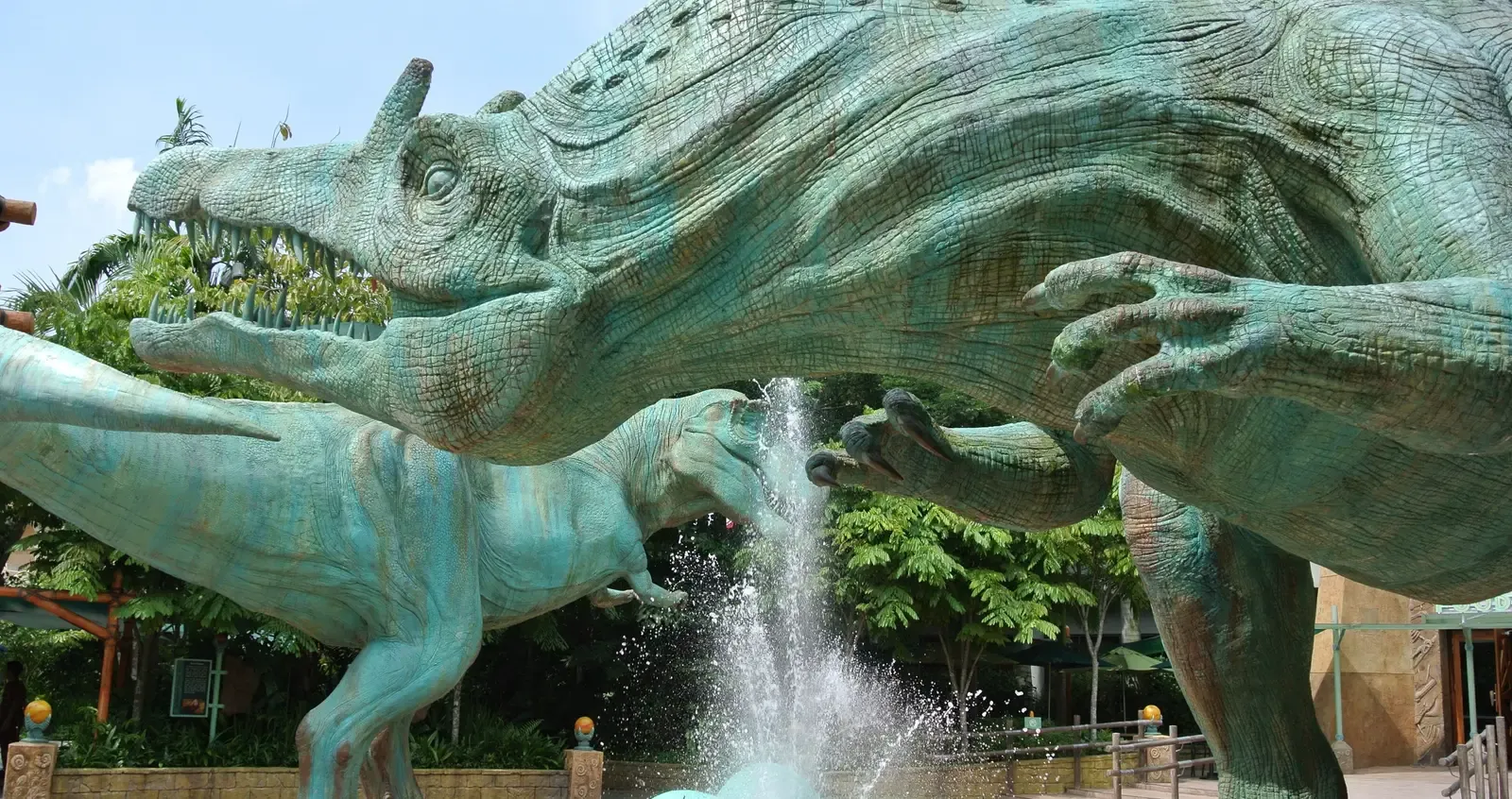
Billed as the conclusion to the rebooted trilogy, Dominion tries to do too much at once, juggling locust swarms, black market dinosaur trafficking, and a reunion of the original 1993 cast that feels more like fan service than narrative necessity. By this point in the weekend, I was running on coffee and a stubborn refusal to quit.
The film isn’t without its charms, particularly whenever the legacy characters share the screen. Still, it’s the entry where the franchise’s ambitions and its execution feel furthest apart, closing out the trilogy on a note that’s serviceable rather than satisfying.
Jurassic World Rebirth (2025): a genuine course correction
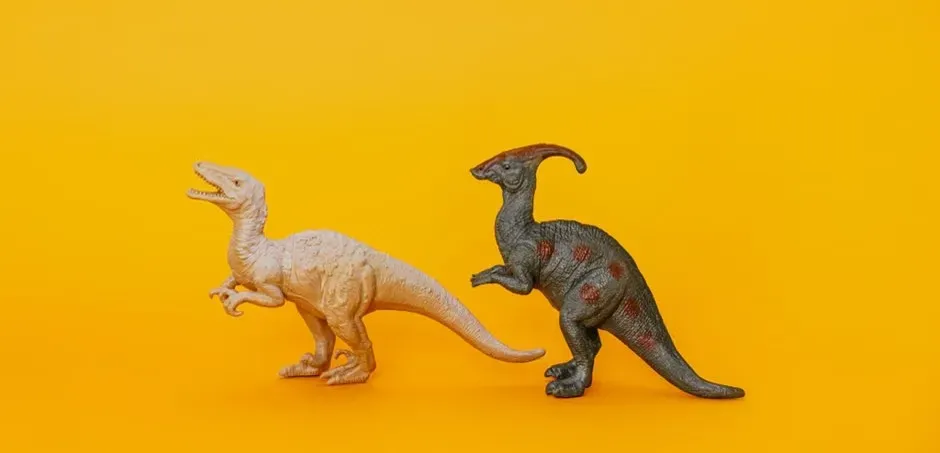
By the time I got to the newest film, I expected fatigue to set in completely. Instead, Rebirth surprised me by feeling like an actual attempt to reset the formula rather than repeat it, swapping theme park chaos for an expedition thriller centered on extracting DNA from massive, previously unknown creatures. The film was released in the United States and Canada by Universal Pictures on July 2, and it became the sixth-highest-grossing film of 2025, grossing over 869 million dollars worldwide.
Critically, it fared better than some of its immediate predecessors too. It received mixed reviews from critics, though some deemed it an improvement over previous entries, and it became the first film in the franchise since The Lost World to receive an Oscar nomination in any category, earning a nod for Best Visual Effects. That’s a meaningful signal for a franchise that had started to feel creatively exhausted.
What the box office numbers actually reveal
Sitting with the numbers after the marathon was almost as interesting as watching the films themselves. Jurassic Park’s domestic total sits at 415.4 million dollars, while The Lost World brought in 229 million, Jurassic Park III made 181.2 million, Jurassic World hit 652.3 million, Fallen Kingdom reached 417.7 million, and Dominion closed at 376.8 million domestically. Rebirth’s opening alone tells its own story, with the film posting the biggest global debut of that entire summer season.
Rebirth stomped to 147.3 million dollars over its first five days in 4,308 North American theaters, a number that outpaced most of its predecessors at the same stage. It’s a reminder that even seven movies deep, audiences haven’t fully tired of dinosaurs, even if critics occasionally have.
Patterns you only notice on a full binge
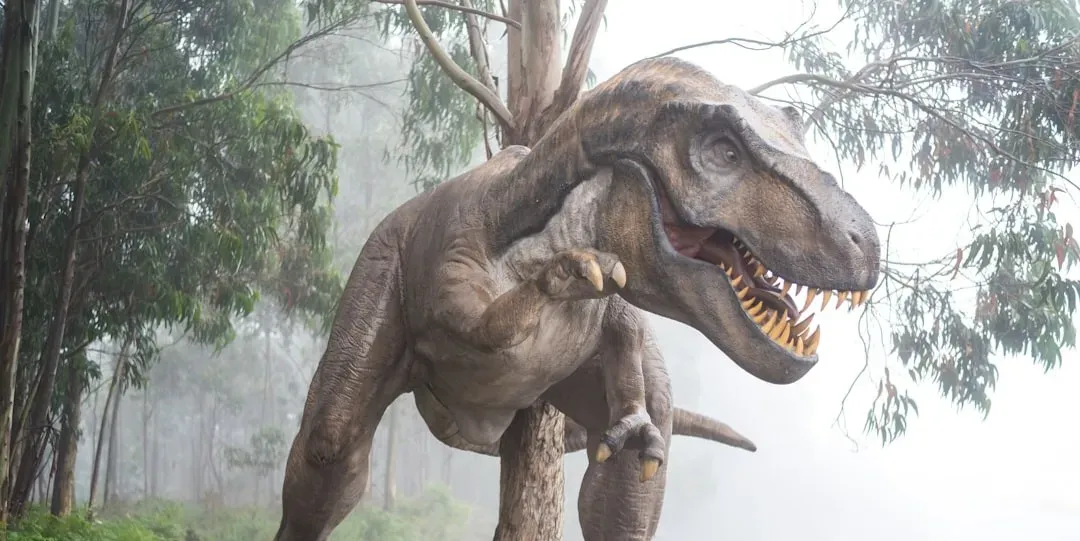
Watching all seven films in quick succession exposes rhythms you’d never catch spacing them out over years. Every single entry, without exception, includes a scene where a character ignores an obvious warning sign and wanders somewhere they clearly shouldn’t. The franchise also has a habit of introducing a new “smarter” or “scarier” dinosaur hybrid almost every couple of films, as if the writers assume audiences need an ever escalating threat to stay engaged.
There’s also a visible generational shift in tone. The earlier films treat dinosaurs with something close to reverence, while the later entries increasingly frame them as action set pieces or plot devices, which says something about how blockbuster filmmaking priorities have changed since the nineties.
Was the marathon worth it
Honestly, yes, though I wouldn’t recommend doing it in a single weekend unless you enjoy waking up on a Monday with dinosaur roars still echoing in your head. The exercise clarified something that’s easy to lose sight of when you watch these films years apart: the franchise has never been consistently great, but it has been consistently confident, and that confidence is part of why it keeps working on audiences even now.
If you’re going to attempt something similar with any long running franchise, pace yourself better than I did. Space the films across a couple of weekends, take notes on what shifts between eras, and maybe skip the popcorn after the fourth movie. Your stomach and your sanity will thank you.
Partner offer
Planning a trip to Vegas?
Compare hotel rates and show tickets on VEGAS.com.