Every classic album has a tidy origin story, at least the version that ends up in liner notes and anniversary specials. The messier truth is that a surprising number of beloved records nearly never existed at all, killed by budget fights, burnout, or an artist who simply lost faith in what they’d made. What follows are nine cases where the finished product we know today came within inches of staying in a vault, a trash can, or a lawyer’s filing cabinet. Producers, engineers, and the label executives who bankrolled these sessions have talked for years about just how close things came to falling apart.
Fleetwood Mac’s Tusk nearly became a very expensive breakup record
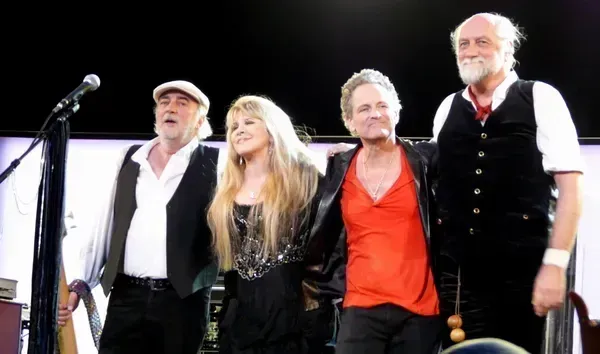
Coming off the enormous success of Rumours, Fleetwood Mac faced the classic problem of what to do next. Lindsey Buckingham decided the answer was to blow up the formula entirely, and according to producer Ken Caillat, the sessions turned into something closer to captivity than collaboration. They worked under duress with Lindsey saying if they didn’t do what he says, he was going to quit, and Caillat felt like they were almost in a prison camp for 12 months.
The album stretched into a sprawling double LP, and the numbers alone tell you how close it came to derailing. Production costs were initially estimated to be about one million dollars but many years later were revealed to be about 1.4 million dollars, making it the most expensive rock album ever made at the time. Compared to Rumours, which sold ten million copies by February 1978, Tusk was regarded as a commercial failure by the label, selling four million copies. The band survived, barely, and the record is now considered one of their boldest artistic statements.
Guns N’ Roses’ Chinese Democracy spent fourteen years on the edge of oblivion
Few albums have a stranger production history than this one. In 1994, the band began writing new material, but bassist Duff McKagan said nothing got finished due to drug use, and Slash accused Rose of running the band like a dictatorship while Rose claimed collaboration was impossible, leading to the material being scrapped. That was just the first false start of many.
By 2004 the label had genuinely pulled the plug on funding. In February 2004, having already spent a reported 13 million dollars on the project, Geffen finally pulled all further funding for Chinese Democracy, telling the band’s management that it was Rose’s obligation to fund and complete the album, not Geffen’s. A rotating cast of producers, including Roy Thomas Baker and Sean Beavan, cycled through the sessions before the record finally emerged in 2008, more than a decade after it was supposed to arrive.
My Bloody Valentine’s Loveless almost took its own record label down with it

Kevin Shields wasn’t trying to bankrupt Creation Records, but that’s essentially what happened during the making of Loveless. Shields said Creation first believed the album could be recorded in five days, and when it became clear that wasn’t going to happen, the label freaked. Sessions dragged on for two years across nearly twenty different studios, with engineers hired and fired along the way.
The financial damage was severe enough to become part of music folklore. Label head Alan McGee later accused Shields of spending over 260,000 pounds, almost bankrupting the label, and causing McGee to turn prematurely grey. The album eventually came out in 1991 to muted commercial reception but lasting critical acclaim, and Creation limped on just long enough to sign Oasis two years later.
The Beach Boys’ Smile collapsed under its own ambition

Brian Wilson set out to make what he called a teenage symphony to God, and for a while it looked like he might actually pull it off. Instead, the pressure caught up with him. Corporate pressures, technical difficulties, internal conflicts, legal stalling, and Wilson’s deteriorating mental health led to the shelving of Smile, and after months of work, Wilson determined that its esoteric nature would not appeal to the public and opted to produce simpler music.
The scrapped sessions were quietly folded into a stripped down substitute. Smiley Smile was conceived as a simpler and more relaxed version of the unfinished Smile album, though it sold poorly in the U.S., peaking at number 41, the band’s lowest chart placement to that point. Wilson wouldn’t revisit the original vision publicly for decades, finally releasing a rerecorded version in 2004 and the original session tapes in 2011.
Prince’s Black Album was recalled after it had already gone to pressing plants
This one is unusual because the album wasn’t just shelved during recording, it was actively pulled back after physical copies already existed. Prince pulled The Black Album from release at the last moment, ordering his label to destroy a half-million albums that had already been pressed. The decision reportedly came from a mix of personal and spiritual reservations about the record’s darker tone.
For years the album circulated almost entirely as bootlegs, gaining a reputation that arguably outpaced the music itself. It wasn’t given an official release until 1994, seven years after Prince had already tried to erase it from existence, making it one of the rare cases where an artist’s own second thoughts, rather than a label’s cold feet, nearly buried the project for good.
The Beatles’ Get Back sessions splintered before becoming Let It Be

What started as an attempt to strip the Beatles back to their raw, unpolished roots turned into one of the most fraught periods in the band’s history. Get Back was shelved amid tensions and creative disagreements, though it was intended to strip away the polish of the recording studio and could have redefined the band’s late era image, showcasing raw energy and unity.
Instead of the lean, live-sounding record the sessions were meant to produce, the tapes sat unused for over a year. The material eventually morphed into Let It Be under Phil Spector’s lush production, altering its spirit and leaving fans to imagine how the unvarnished statement might have shifted rock’s trajectory. By the time it was released in 1970, the band had already broken up.
Neil Young’s Homegrown was too personal for Neil Young himself
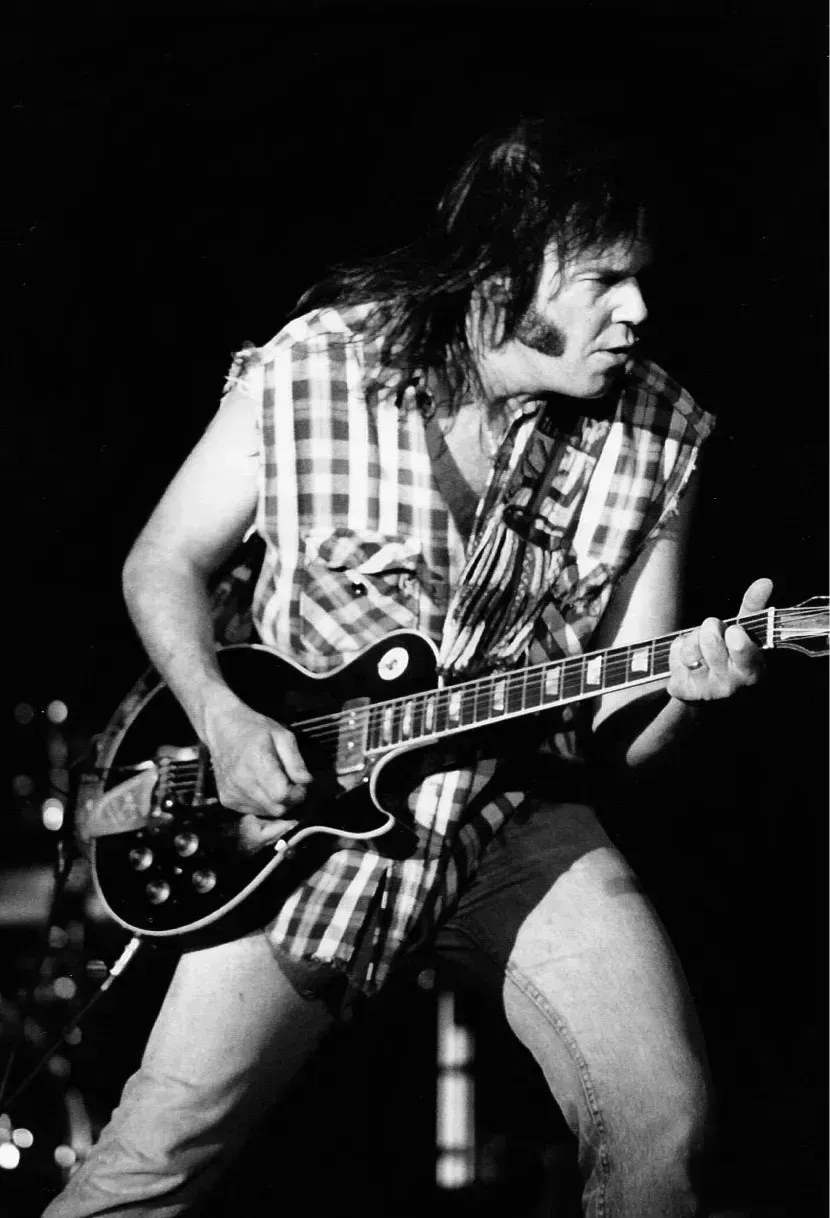
Sometimes an album gets scrapped not because it fails, but because it succeeds too well at capturing something the artist wasn’t ready to share. That was the case with Homegrown, recorded in the mid-1970s in the aftermath of a painful breakup. Young shelved the album, telling Rolling Stone it was too personal and that it scared him.
Rather than release the finished record, Young opted for the bleaker, more oblique Tonight’s the Night instead. Homegrown was intended as Young’s next release after On the Beach, but was shelved in favor of the darker Tonight’s the Night, and its warm, country-inflected songs could have redefined his mid-1970s image. The album finally saw an official release in 2020, forty-five years after it was recorded, giving fans a long-delayed look at what almost was.
David Bowie’s Toy got caught in a label dispute and vanished for two decades
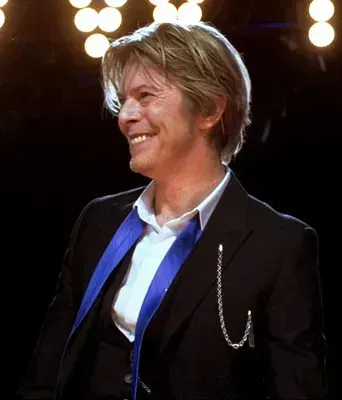
By the early 2000s, Bowie had assembled a full album of reimagined versions of his lesser-known 1960s songs, complete with fresh arrangements and a clear sense of purpose. It was meant to come out quickly. Instead, business politics intervened. David Bowie completed Toy in 2001, an album reimagining lesser-known 60s songs with fresh arrangements intended for quick release, but label disputes over its commercial viability shelved it.
For years the record existed only through leaked tracks and bootlegs that circulated among devoted fans. Bootlegs kept its legend alive until its eventual official release in 2021. By the time it finally arrived, two decades had passed and Bowie himself had already died, turning what was once meant as a quick creative refresh into something closer to a posthumous artifact.
Joni Mitchell’s leaner Dreamland vision was overtaken by a bigger, stranger album

Not every scrapped album disappears completely, sometimes it just gets swallowed by a more ambitious version of itself. In 1977, Joni Mitchell had a tighter, jazz-infused project in mind before she changed course. Mitchell planned Dreamland as a leaner, jazz-infused album before expanding it into Don Juan’s Reckless Daughter.
The original, more contained concept never saw the light of day in its intended form. This earlier version, with a sharper tracklist and tighter focus, might have been more accessible while retaining her artistic daring, and released at the height of her critical acclaim, it could have strengthened her commercial standing. Instead, the expanded double album that replaced it became one of the more divisive entries in her catalog, admired by some critics and considered a sprawling detour by others.
The takeaway from nine near misses