There’s a peculiar kind of scrutiny that attaches itself to women who don’t have children. It doesn’t matter how accomplished they are, how much they’ve contributed to the world, or how clearly they’ve articulated their own reasoning. The questions keep coming, often wrapped in a veneer of concern but carrying a real edge of judgment.
The nine women below are household names, each remarkable in her own field. What they also have in common is that they’ve had to defend a deeply personal choice that, if they were men, would barely have registered as a topic of public conversation. Their stories say less about them than about the cultural expectations they had to navigate.
1. Jennifer Aniston
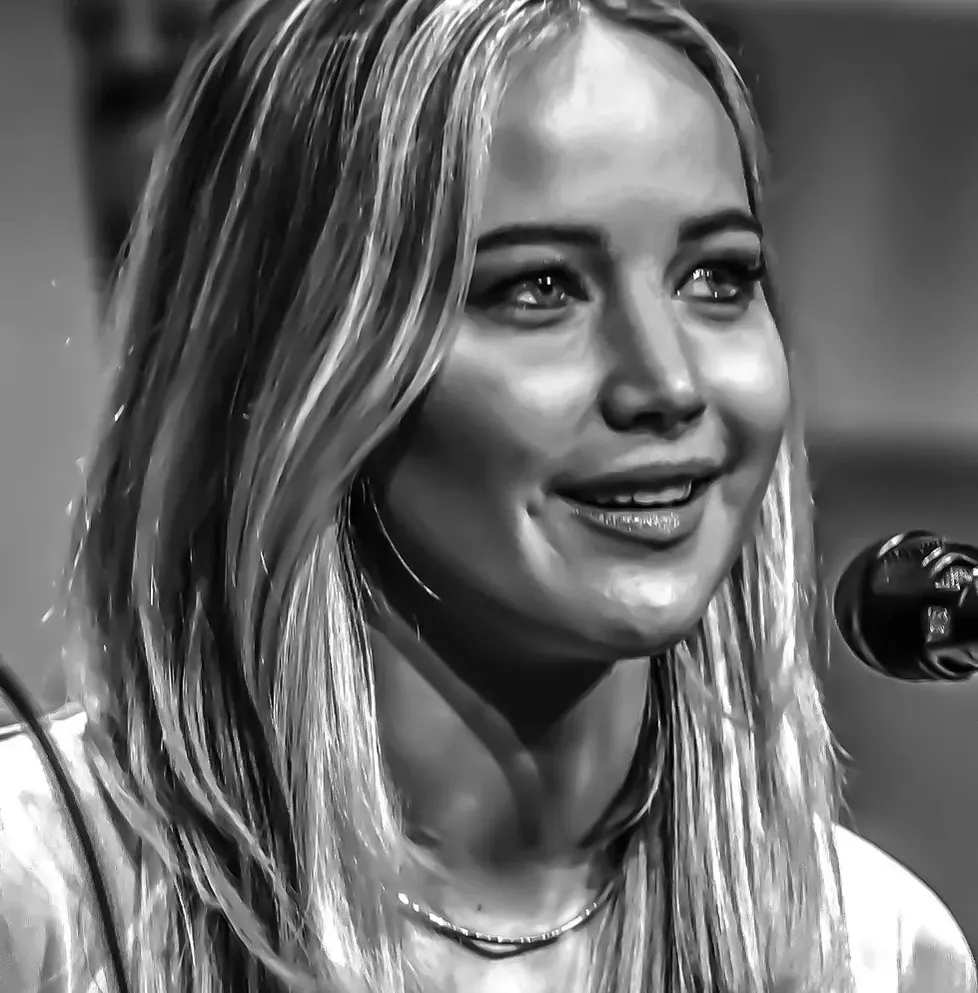
For years, public narratives suggested Jennifer Aniston had decided not to have children due to her focus on her career, especially following her 2005 divorce from Brad Pitt. The tabloid machine spun a story of a cold, career-obsessed woman who had traded family for fame. Paparazzi focused with cutting precision on the shape of her abdomen, speculating constantly, while Aniston endured this media frenzy and kept her personal fertility journey private.
The reality was something entirely different, and far more painful. Aniston told Harper’s Bazaar U.K. that people didn’t know her story or what she had been going through over 20 years trying to pursue a family, because she didn’t share her medical struggles publicly. “But there comes a point when you can’t not hear it,” she said, “the narrative about how I won’t have a baby, won’t have a family, because I’m selfish, a workaholic.” In reality, Aniston had privately been trying IVF, which was ultimately unsuccessful. In a 2016 op-ed, she slammed the media for defining “a woman’s value based on her marital and maternal status.”
2. Oprah Winfrey
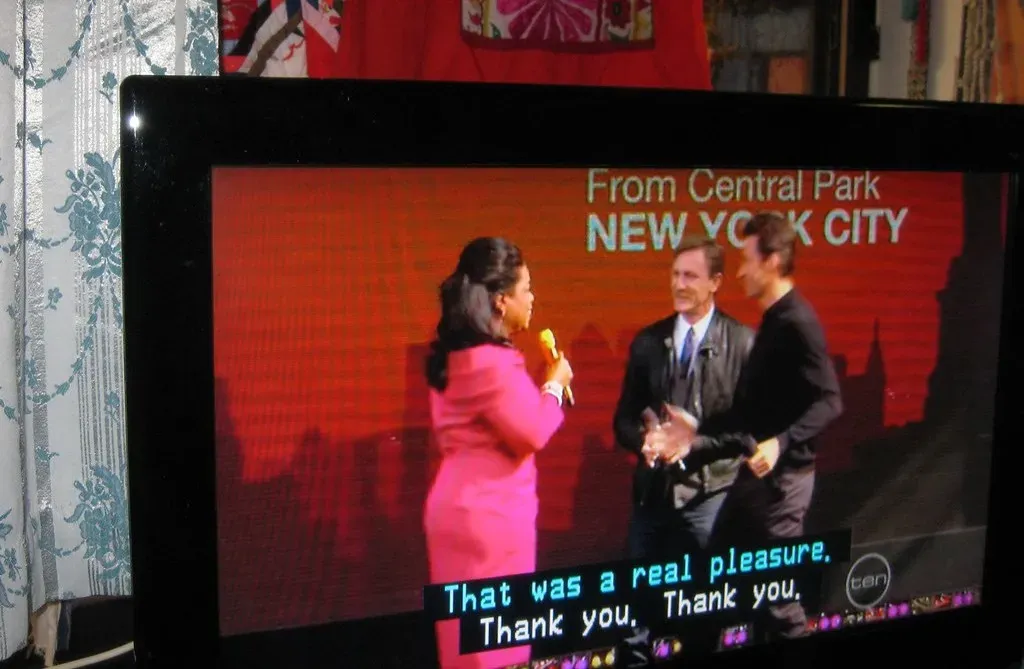
Famous women “of a certain age” in the public spotlight frequently face intrusive inquiries about whether they intend to start a family, and media magnate Oprah Winfrey is one of those celebrities who has been bombarded with questions about marriage and motherhood. Despite building one of the most influential media empires in history, the conversation kept returning to what she didn’t have. Winfrey is 71, and despite having been in a relationship for nearly four decades, she has no children. Recently, the truth behind her decision came further into focus.
In a documentary titled “Barbara Walters: Tell Me Everything,” Winfrey shared how Walters served as a cautionary example. Despite the late journalist’s encouragement to experience parenthood, Oprah says she looked closely at Walters’ complex relationship with her adopted daughter and decided that motherhood wasn’t for her. Instead of having her own children, Winfrey channeled her love toward hundreds of young girls through the Oprah Winfrey Leadership Academy for Girls, which opened in South Africa in 2007. The students call her “Mom O,” and she has described the school as her greatest legacy.
3. Helen Mirren
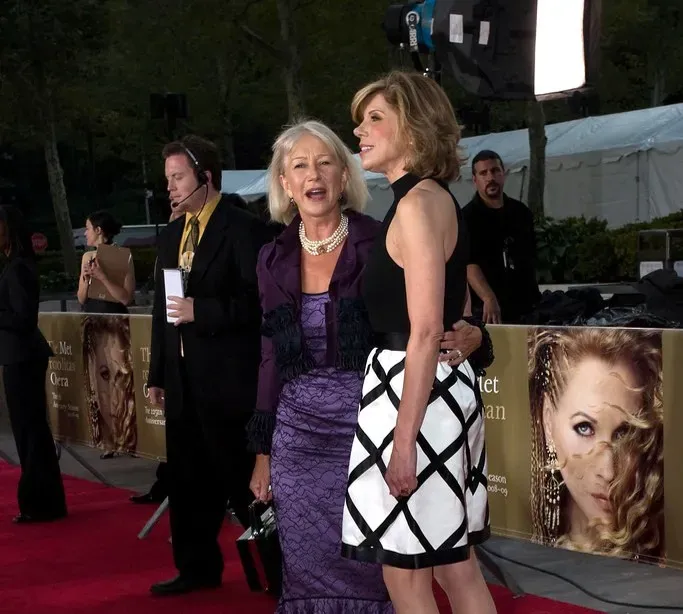
One female star who has called out the sexism and double standards surrounding this topic is the legendary Helen Mirren. In 2013, she told British Vogue that it was only “boring old men” who would point out her ticking biological clock. Her response to those men was characteristically blunt and unapologetic, and it made headlines precisely because women in the spotlight are rarely given permission to be that direct. Mirren told British Vogue, “Motherhood was not my destiny. I kept thinking it would be, waiting for it to happen, but it never did, and I didn’t care what people thought.”
Mirren built a career defined by fierce, complex roles and won an Academy Award for playing Queen Elizabeth II. None of that seemed to quiet the questions about her reproductive life. Confident that legacy isn’t about continuing bloodlines but can be about personal achievements, Helen has said she wants people to look back at her work the way audiences look back at Ingrid Bergman or Katharine Hepburn, and simply say, “She was brilliant.” That framing is quiet and persuasive at once.
4. Dolly Parton
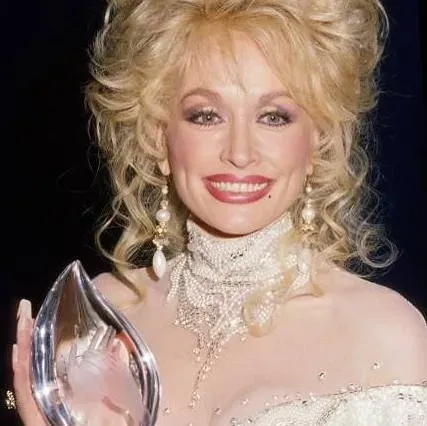
Perhaps one of the most famous women on the planet never to become a mom, Dolly Parton has spoken several times about how not having children benefited her career. Speaking to The Guardian in 2014, the Grammy-award winning star shared she would have found it difficult to leave children behind in order to work and tour. She reiterated that she has zero regrets about her decision, adding that for herself and her husband Carl Dean, “It wasn’t meant to be. Now that we’re older? We’re glad.”
The Queen of Country Music may never have welcomed her own children, but she has given back to other people’s kids tenfold. Since the mid-1990s, Parton’s Dollywood Foundation has funded a scholarship program that provides students in Sevier County, Tennessee who graduate high school with a financial grant through the Imagination Library. The program has gifted millions of books to children around the world. Yet the question of why she never had children of her own has followed her for decades, as if all of that simply wasn’t enough.
5. Kim Cattrall
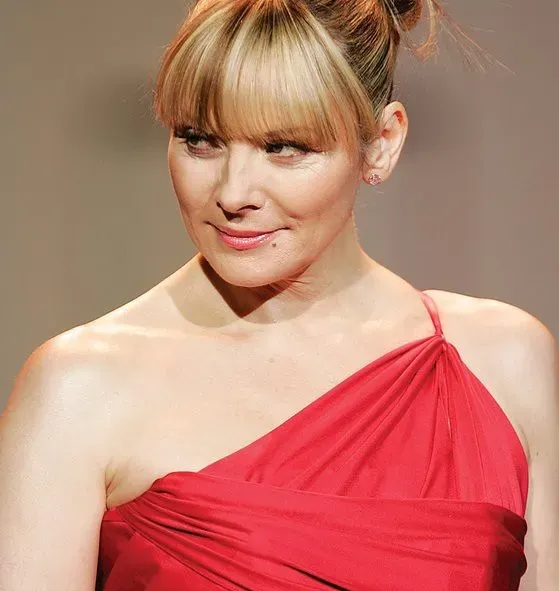
When Kim Cattrall was five years old, she once said her fantasy was to have “a hundred dogs and a hundred kids.” Life, timing, and priorities took a different shape. She went on to explain why she hadn’t become a biological parent. “I have been married and I enjoy very much being married, but we never really got to the point where it seemed a natural progression in our relationship that we would become parents,” she said. “So for me, timing-wise, it was never right.”
Kim Cattrall chose career and independence, explaining that focusing on acting allowed her to build the life she truly wanted. Her role in a famous television series made her a household name and gave her financial freedom. Still, her identity in public conversation was consistently reduced to her status as a woman without children. Kim believes that personal fulfillment looks different for everyone, and her openness about her decision has helped normalize the idea that women can live complete, meaningful lives without becoming mothers.
6. Gloria Steinem
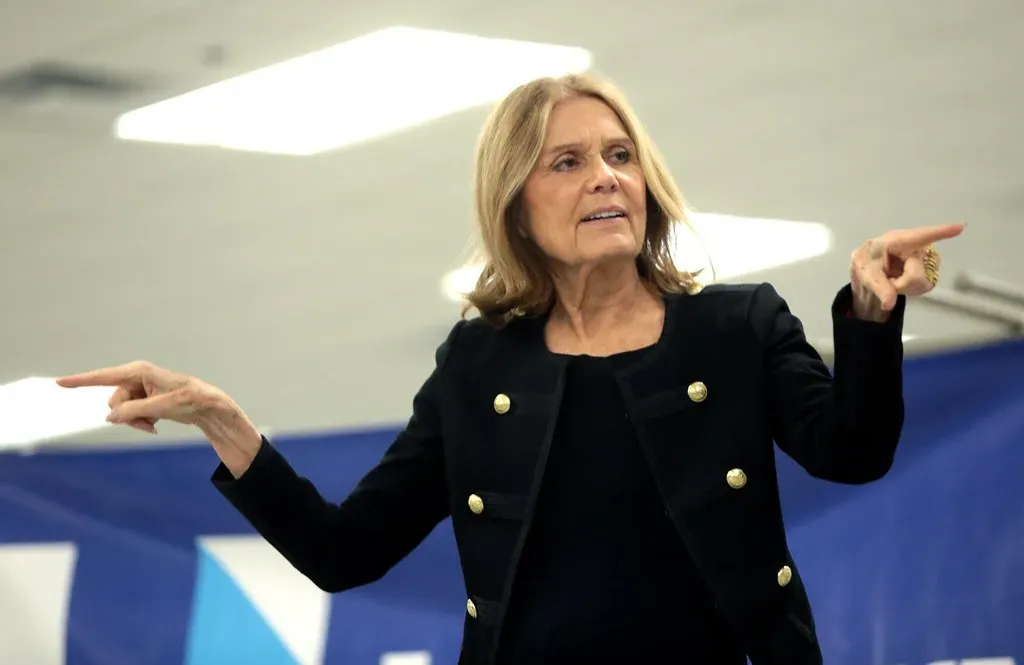
Gloria Steinem spent decades arguing that women deserved to define their own lives, and her personal choices reflected that. When asked by journalist Elizabeth Day if she ever regretted not having children, Steinem replied simply: “Not for a millisecond, no.” She added that some people assume she must be unhappy or unfulfilled, noting that they wouldn’t make the same assumption about a man. That double standard, articulated so cleanly, is exactly what made her such an effective voice on the topic.
Speaking on Chelsea Lately in 2013, the activist told viewers she was completely happy without children. “Everybody does not have to live in the same way,” she said, adding a memorable observation that everybody with a womb doesn’t have to have a child any more than everybody with vocal cords has to be an opera singer. The logic is obvious. The fact that it still needed to be said, by one of the most prominent feminist thinkers in American history, says a great deal about how persistent the judgment actually was.
7. Tracee Ellis Ross
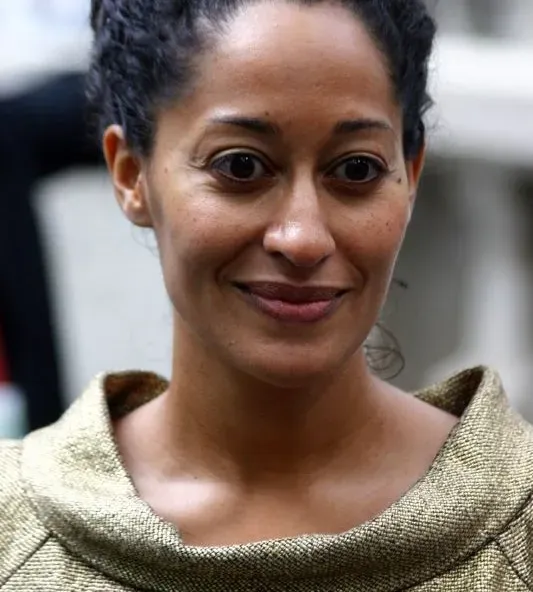
Tracee Ellis Ross has fought back against the pressure women face to become mothers, speaking candidly about choosing a child-free life and encouraging others to make their own decisions without guilt. Her willingness to discuss the topic publicly, rather than deflect it, has made her something of an anchor for women navigating similar experiences. When all the “childless cat lady” commentary about Kamala Harris was circulating during the 2024 election cycle, Ellis Ross spoke up in defence, addressing both Harris and Oprah Winfrey. “I would like to say to you two women, ‘Thank you for what you represent,'” she said, adding that “childless women have been mothering the world and elevating the world as aunties, godmothers, teachers, mentors, sisters and friends.”
Black-ish actor Tracee Ellis Ross also spoke about being child-free in her 50s on Glennon Doyle’s We Can Do Hard Things podcast. She challenged the very language used to describe women without children, questioning what the word “fertile” actually means when applied to a woman’s worth. Society often questions women who do not want children, but Ross refuses to apologize. She built a successful acting career and became a fashion icon on her own terms. Her message is clear: women deserve respect for their choices, whether they include children or not.
8. Ashley Judd
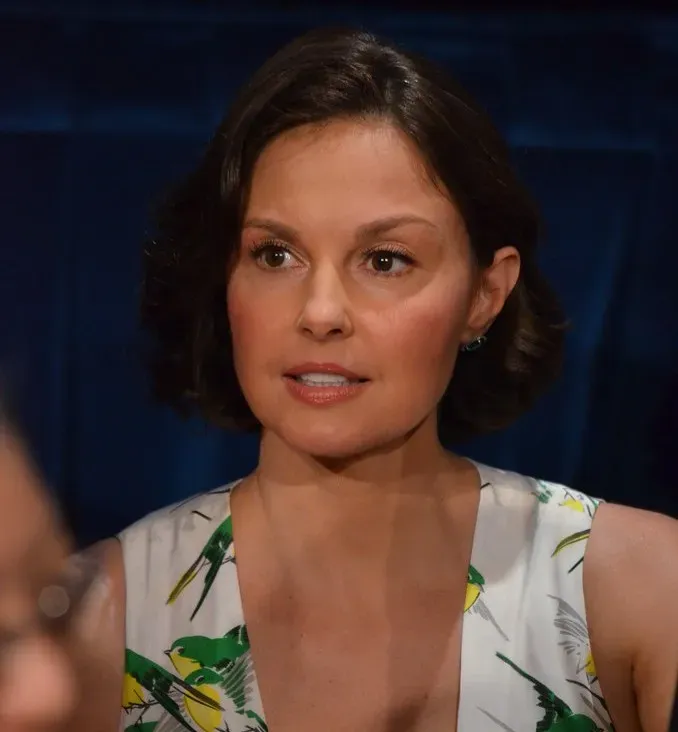
Ashley Judd spoke publicly about her decision not to have children in her 2011 memoir All That Is Bitter and Sweet. Her reasoning was thoughtful and explicitly values-driven, rooted in a view of global responsibility rather than personal discomfort with parenthood. She argued that she did not need to make her “own” babies when there are so many orphaned or abandoned children who need love and care, and believed it would be selfish to pour resources into creating new life when those resources could help children already here.
The response to her statement was, predictably, not entirely kind. A woman framing the choice not to have children as an ethical position rather than a personal limitation was seen by some as preachy, by others as cold. Her belief has not changed since. It is, she has said, a big part of who she is. Judd is also a prominent humanitarian activist who has worked extensively on global issues affecting women and children, which makes the criticism of her choice feel particularly hollow in retrospect.
9. Miley Cyrus
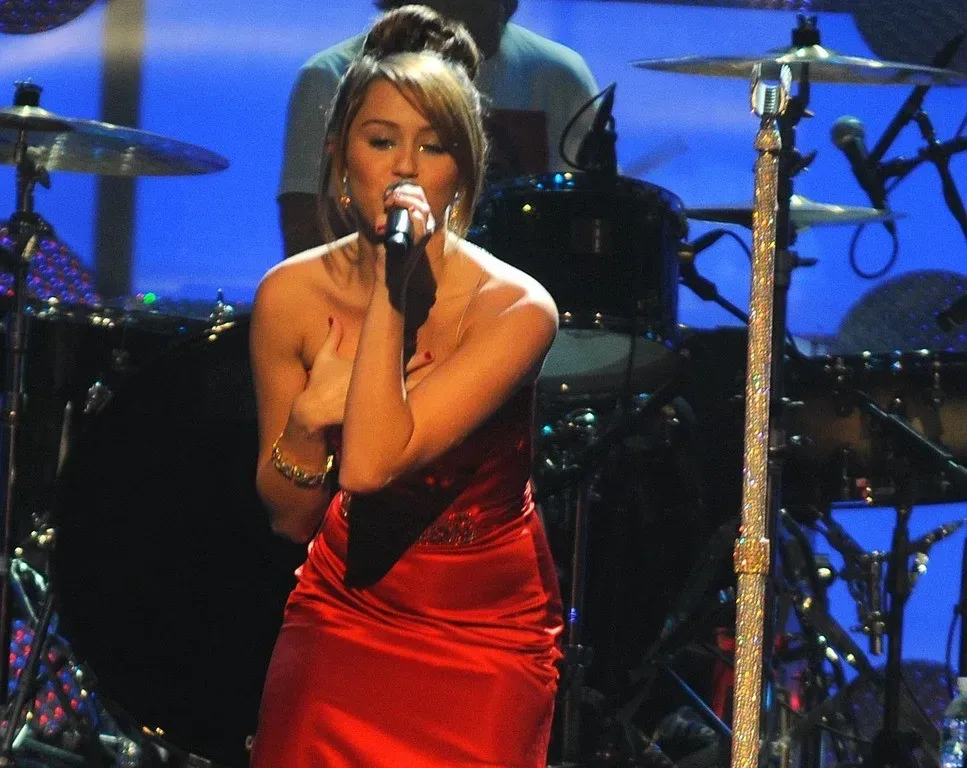
Miley Cyrus made her position clear during a 2019 interview with Elle, where she confessed she had no plans to bring children into the world. Part of the reason, Cyrus explained, is all the global issues the world is facing. Speaking about the preconceived misconceptions put on her as a woman, she said, “We’re expected to keep the planet populated.” She continued that when having children isn’t part of a woman’s plan or purpose, “there is so much judgment and anger,” adding, “If you don’t want children, people feel sorry for you, like you’re a cold, heartless bitch who’s not capable of love.”
Her honesty sparked important conversations about whether bringing children into an uncertain world makes sense for everyone today. Cyrus was in her mid-twenties when she said it, which only amplified the reaction. Young women making deliberate, articulate arguments for remaining child-free tend to attract a specific kind of condescension, as though the decision must be temporary, a phase to grow out of. She pushed back on the assumption directly: “We’re expected to keep the planet populated. And when that isn’t a part of our plan or our purpose, there is so much judgment and anger that they try to make and change laws to force it upon you.”
What connects every woman on this list isn’t the choice itself. It’s the fact that the choice required a public defense at all. Each of them built careers and lives of genuine consequence, and each was still pulled back, again and again, to justify why she hadn’t done the one thing that, apparently, would have made her complete in other people’s eyes. The gap between the lives these women actually led and the narrative imposed on them is, when you look at it plainly, fairly striking.