The ’90s gave us some of the most quoted lines in film history, the kind of dialogue that still gets repeated at parties, in memes, and in casual conversation decades later. Some of these lines are so ingrained in pop culture that people forget which movie they actually came from, or misquote them entirely. This little quiz walks through nine unforgettable moments, testing not just your memory but your grasp of the context behind each line.
1. “Life is like a box of chocolates.”
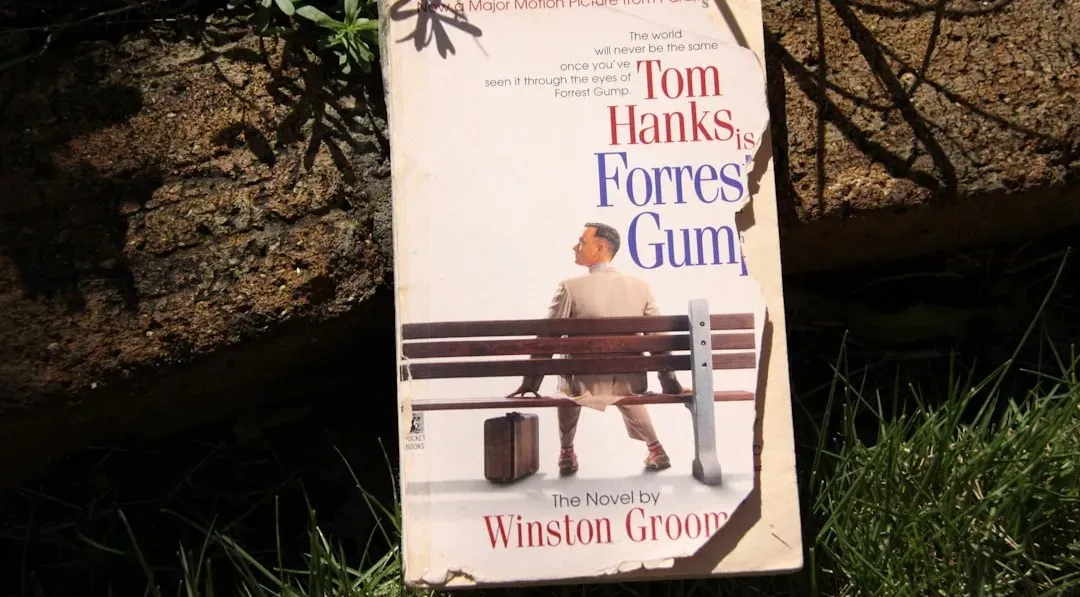
This one belongs to Forrest Gump, the 1994 Robert Zemeckis film that swept the Oscars and turned Tom Hanks into one of the most beloved actors of his generation. The full line, delivered in Hanks’ gentle Southern drawl, reflects on unpredictability and acceptance, themes that run through the entire film. It became so widely repeated that it’s often misattributed or paraphrased incorrectly in everyday conversation.
What many people forget is that the line was inspired by Forrest’s mother, played by Sally Field, who says a version of it early in the story. The screenplay, adapted from Winston Groom’s novel, leaned heavily into folksy wisdom that made Forrest’s worldview feel both simple and profound. It’s a good reminder that even the most famous quotes usually have a second character behind them who said it first.
2. “Life finds a way.”
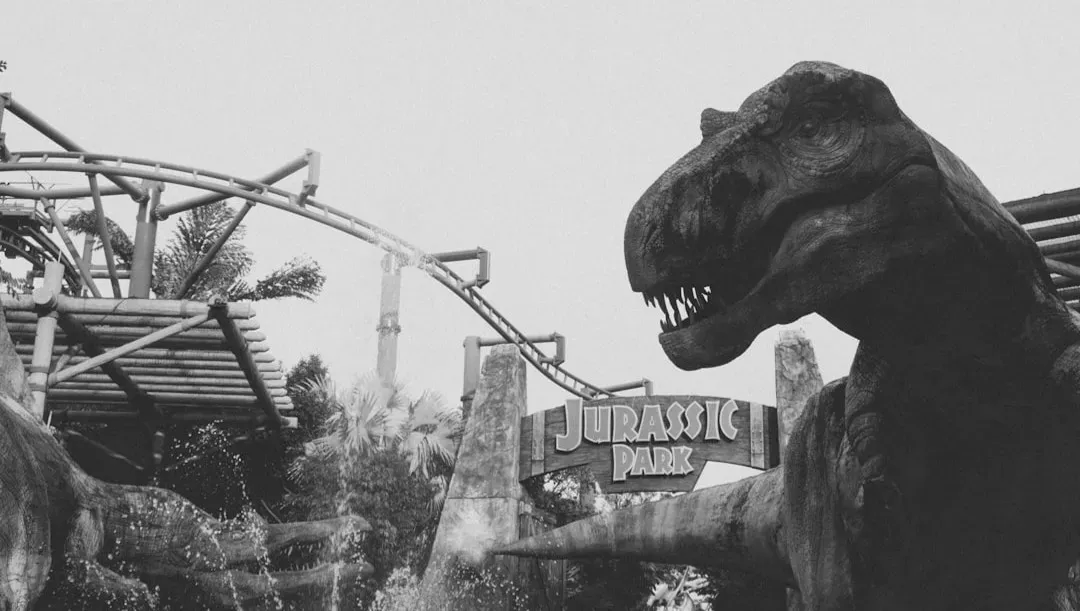
Jurassic Park, released in 1993, gave us this quiet but ominous line from Jeff Goldblum’s chaos theorist character, Dr. Ian Malcolm. Steven Spielberg’s dinosaur thriller was a technical marvel for its time, blending animatronics with early computer generated imagery in a way that still holds up remarkably well. The line itself foreshadows the disaster to come, hinting that nature cannot be fully controlled no matter how advanced the science.
Interestingly, the phrase resurfaces in the sequels, reinforcing it as a thematic anchor for the entire franchise. Malcolm’s skepticism throughout the original film positioned him as the voice of caution, a role that resonated with audiences wary of unchecked scientific ambition. The line has since been used far beyond film discussions, appearing in unrelated contexts about resilience and unpredictability.
3. “I’m the king of the world!”

Leonardo DiCaprio shouted this line atop the bow of the ship in Titanic, James Cameron’s 1997 epic that became one of the highest grossing films ever made. The moment captures a brief window of freedom and joy before the tragedy that defines the rest of the story. It’s a scene often parodied, but the emotional weight of the film gives it more resonance than a simple catchphrase.
Cameron reportedly filmed the sequence multiple times to get the framing and lighting just right against the open ocean. The line also became shorthand for a certain kind of youthful, reckless optimism, something audiences connected with even outside the context of the film. Titanic went on to win eleven Academy Awards, tying the record at the time.
4. “Say ‘what’ again.”
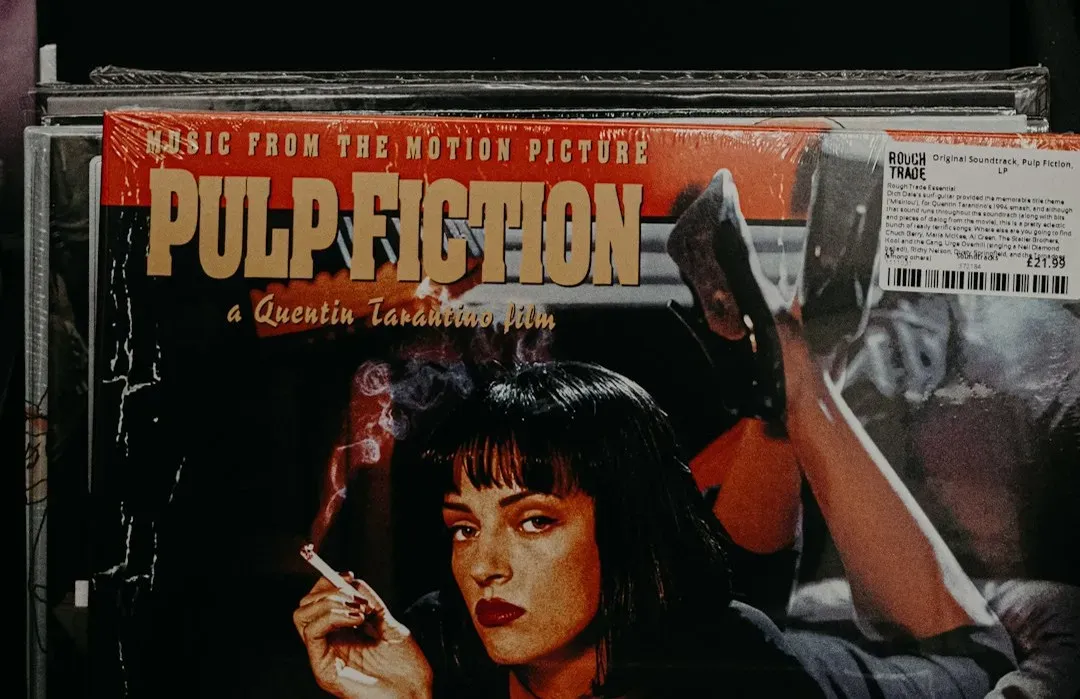
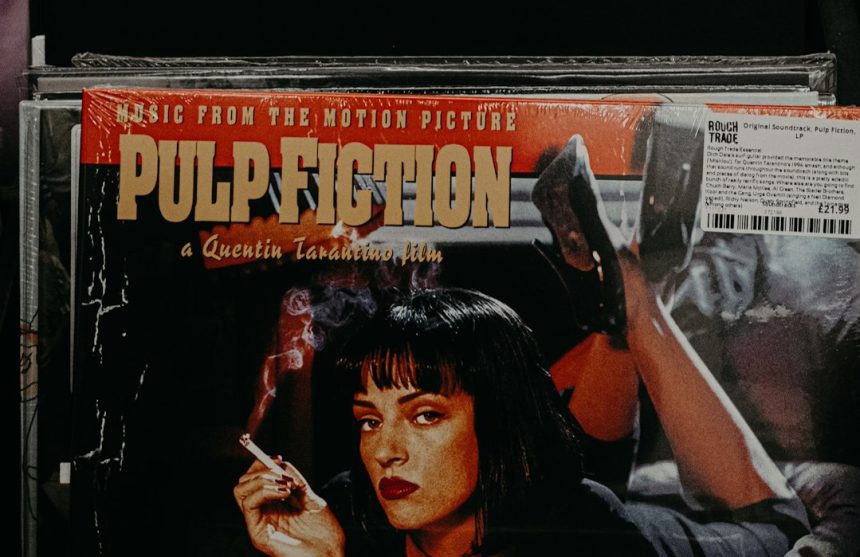
Pulp Fiction, Quentin Tarantino’s 1994 crime anthology, is packed with quotable dialogue, but this exchange between Samuel L. Jackson’s Jules and a terrified Brett remains one of the most tense. The scene builds through repetition and rhythm, a hallmark of Tarantino’s writing style. Jackson’s delivery, calm yet menacing, turned the moment into one of the most referenced scenes in modern American cinema.
The film’s nonlinear structure and sharp dialogue earned it the Palme d’Or at Cannes and a Best Picture nomination at the Oscars. Tarantino has said in interviews that much of the dialogue was written to sound like natural conversation, even when the subject matter turned violent. That contrast between casual tone and high stakes is part of what makes scenes like this one so memorable.
5. “A census taker once tried to test me.”
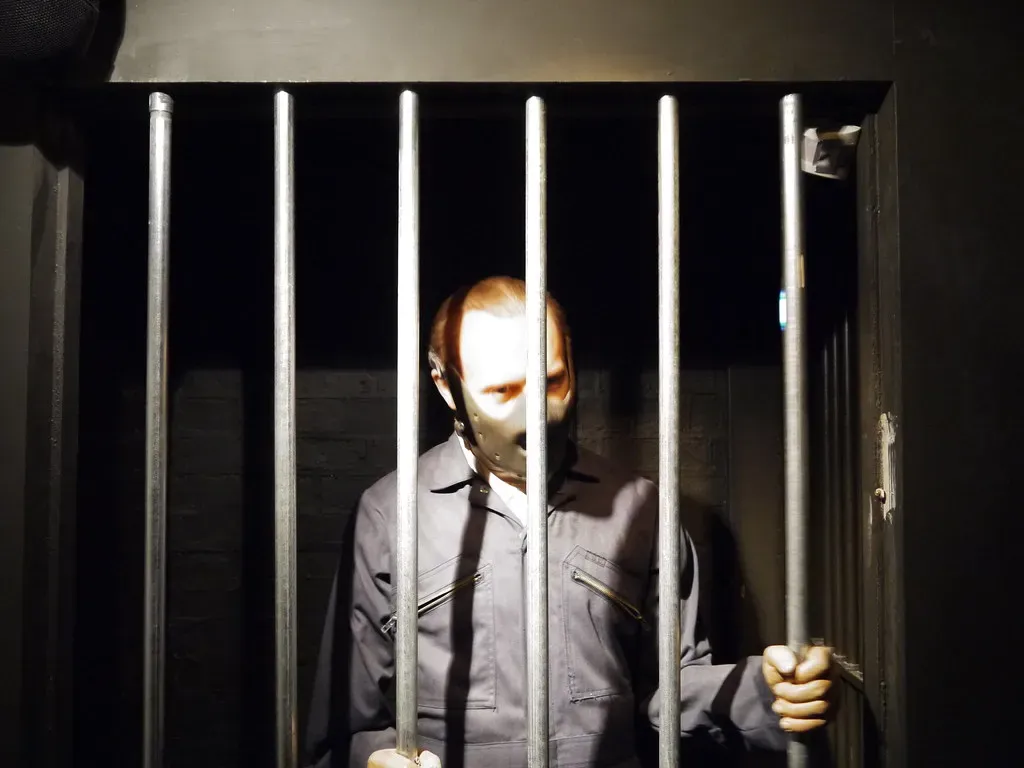
The Silence of the Lambs, released in 1991, gave Anthony Hopkins an Oscar winning role as Hannibal Lecter, one of cinema’s most chilling villains. This particular line, delivered with unsettling calm, hints at Lecter’s cannibalistic tendencies without ever being explicit. Hopkins reportedly spent limited screen time in the film, yet his performance dominates its legacy.
The movie swept the top five Oscar categories, including Best Picture, Director, Actor, Actress, and Screenplay, a feat only accomplished a handful of times in Academy history. Jodie Foster’s portrayal of FBI trainee Clarice Starling grounded the film emotionally, balancing Hopkins’ theatrical menace. Decades later, the character and this quote remain a reference point for discussions of screen villains.
6. “Hasta la vista, baby.”
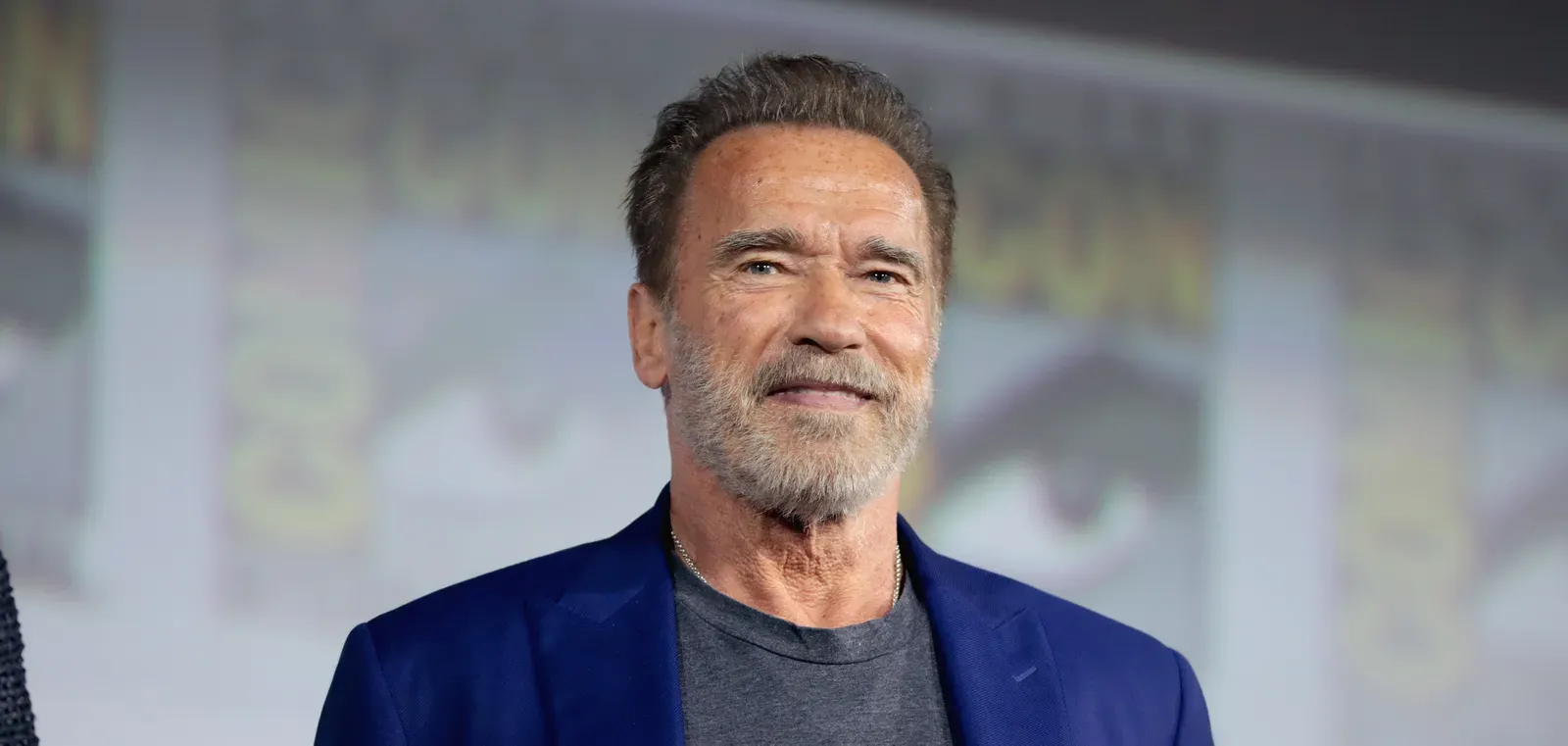
Arnold Schwarzenegger delivered this line in Terminator 2: Judgment Day, the 1991 sequel that many critics consider superior to the original film. Directed by James Cameron, the movie combined groundbreaking visual effects with a surprisingly emotional core, as Schwarzenegger’s T-800 shifts from villain to protector. The line itself became a catchphrase far beyond the action genre.
The film’s liquid metal T-1000, played by Robert Patrick, showcased CGI techniques that were considered revolutionary at the time. Terminator 2 won four Academy Awards, all in technical categories, reflecting its influence on visual effects work going forward. Schwarzenegger’s blend of physical presence and deadpan delivery helped cement several of his lines as lasting pop culture references.
7. “There is no spoon.”
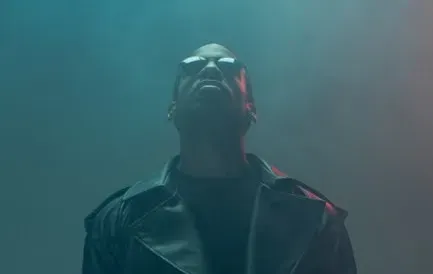
The Matrix, released in 1999, closed out the decade with a science fiction film that reshaped action cinema through its bullet time visual effects. This line, spoken by a young character in a simulated reality, introduces Neo, and the audience, to the idea that perception itself is malleable. The Wachowskis built an entire philosophy around questioning reality, drawing loosely from various philosophical and religious ideas.
Keanu Reeves’ performance as Neo became iconic, though the film’s visual innovations arguably received even more attention on release. The Matrix won four Oscars, all for its technical achievements in sound and visual effects. This particular quote is often used today in conversations about perception and mindset, well outside the context of the film itself.
8. “It’s not your fault.”
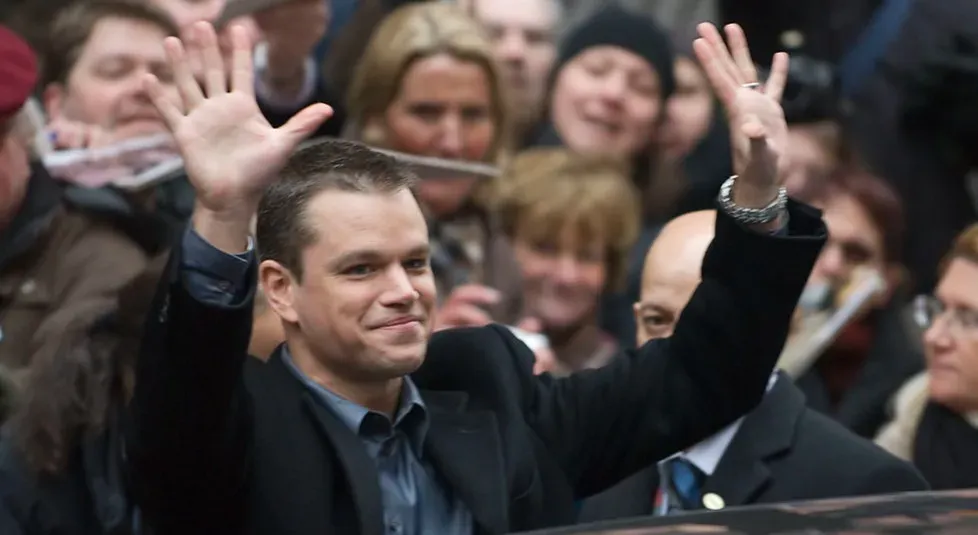
Good Will Hunting, released in 1997, features this quietly powerful scene where Robin Williams’ therapist character breaks through to Matt Damon’s troubled genius. The repetition of the line, delivered with increasing intensity, marks one of the more emotionally raw moments of ’90s cinema. Williams won the Academy Award for Best Supporting Actor for this role, one of the defining performances of his career.
Damon and Ben Affleck co wrote the screenplay, which also earned them an Oscar for Best Original Screenplay. The film’s setting in working class Boston gave it a grounded texture that contrasted with its heavier emotional themes. This scene in particular is frequently cited in discussions about mental health representation in mainstream film.
9. “Show me the money!”
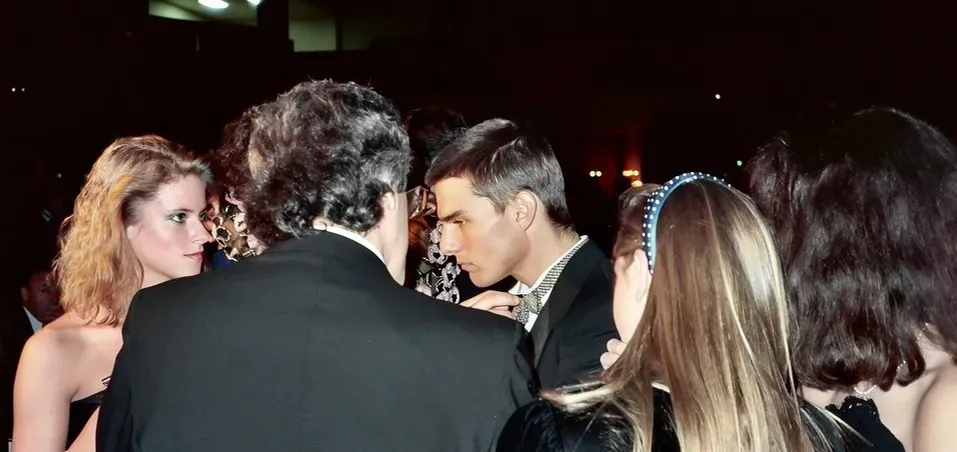
Jerry Maguire, released in 1996, gave Cuba Gooding Jr. one of his most memorable lines as football player Rod Tidwell, shouted at Tom Cruise’s title character over the phone. The exchange became an instant catchphrase, used in business and sports contexts far beyond the film’s plot. Gooding won the Academy Award for Best Supporting Actor for the role, a breakout moment in his career.
Cameron Crowe wrote and directed the film, blending sports drama with romantic comedy in a way that appealed to a wide audience. The phrase’s popularity outlasted the film itself, becoming a common expression in negotiations and casual banter alike. It remains one of the clearest examples of a single line escaping its original context to become part of everyday language.