Sequels have a reputation problem. For every franchise that keeps its quality intact, there are a dozen jokes about diminishing returns, recycled plots, and cash grabs dressed up as art. Yet every so often, a follow up film manages to do the seemingly impossible: it earns better reviews than the movie that started it all.
These are not fluke cases or minor upticks either. In each of the examples below, critics on record, through outlets tracked by Rotten Tomatoes and similar aggregators, rated the sequel as a clear improvement. Some of these gaps are small. Others are almost embarrassing for the original film. Here is a rundown of nine sequels that critics genuinely liked more than the movie that came before them.
1. Paddington 2 (2017)
This is probably the single best documented case of a sequel outclassing its predecessor. The original Paddington already charmed critics with a fresh Tomatometer score of ninety seven percent, which is remarkable for a family film based on a children’s book character. Paddington is considered one of the best family movies with its 97% Rotten Tomatoes score, while the sequel, Paddington 2, is rated even higher at 99%.
What makes this even more striking is that Paddington 2 briefly held the title of the best reviewed film in Rotten Tomatoes history, ahead of Citizen Kane. Paddington 2 achieved the record for the most positively reviewed film on Rotten Tomatoes with 245 positive reviews resulting in a 100% Tomatometer score, as verified on 5 May 2021. A single late review eventually knocked it down a notch, but the sequel’s standing among critics has never really wavered.
2. Star Trek II: The Wrath of Khan (1982)
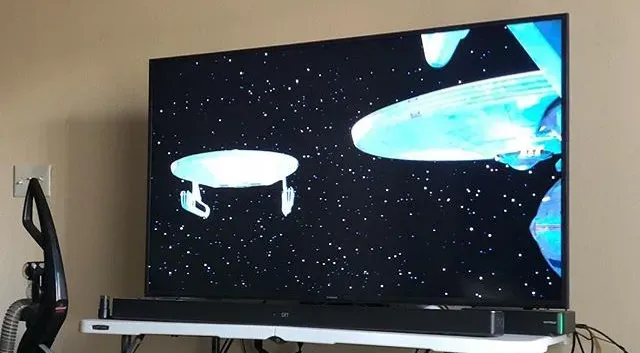
Star Trek’s jump to the big screen in 1979 was not exactly a triumph with critics or fans. The franchise needed a course correction, and it got one in dramatic fashion three years later. Though “Star Trek: The Motion Picture” had been a commercial success, it hadn’t reignited fan interest in the franchise as much as the studio hoped, but its 1982 sequel, “Star Trek II: The Wrath of Khan,” righted the ship completely, connecting with fans and critics alike.
The improvement in critical standing was not subtle. Reviews of The Wrath of Khan describe a leaner, more focused story built around a genuinely menacing villain, and the film has settled at a Tomatometer score in the high eighties, a huge jump from the tepid reception the first film received. It remains one of the clearest examples of a franchise finding its footing on the second try rather than the first.
3. The Dark Knight (2008)
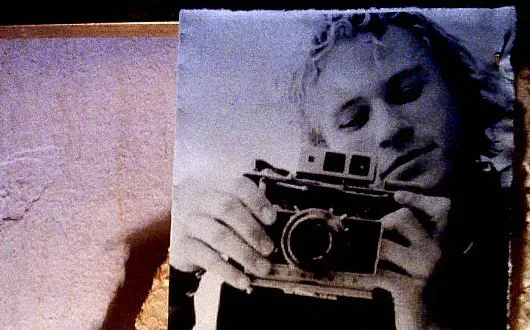
Batman Begins did the hard work of rebuilding a franchise that had been left for dead after a string of campy nineties sequels. Critics respected it, giving it solidly positive reviews in the mid eighty percent range on Rotten Tomatoes, but respect is not the same as awe. Christopher Nolan’s follow up earned the awe, landing in the mid nineties with critics and eventually becoming a cultural touchstone rather than just a well made comic book movie.
Heath Ledger’s performance as the Joker gets most of the credit in retrospect, and rightly so, but critics at the time also praised the film’s structure, its willingness to treat crime and terrorism as genuinely unsettling subjects, and its refusal to soften the story for a younger audience. The jump from a good origin story to a genre defining crime epic is part of why The Dark Knight still gets cited in conversations about the best sequels ever made.
4. Mad Max: Fury Road (2015)
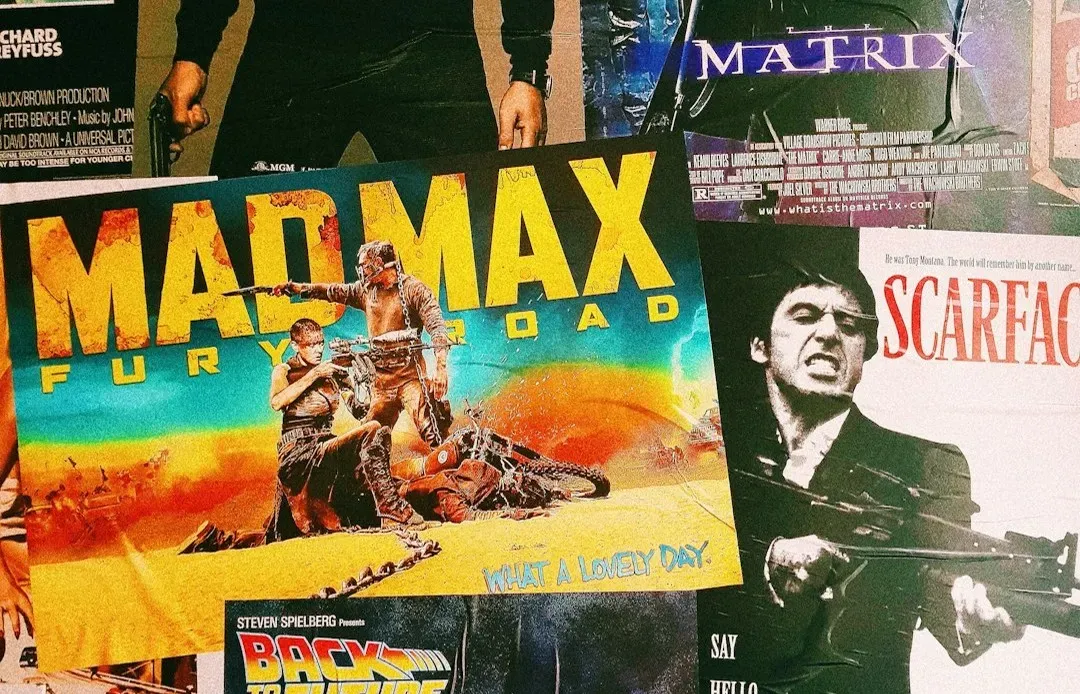
The original Mad Max from 1979 is a scrappy, low budget cult classic that critics appreciated for its raw energy, earning strong but not universal praise. Thirty six years later, George Miller returned to the wasteland with a fourth installment that critics received almost unanimously well, pushing the Tomatometer score into the high nineties.
Fury Road benefited from decades of technical advancement and a much larger budget, but critics were clear that the improvement was not just about spectacle. The film was praised for its tight, almost wordless storytelling and for centering Charlize Theron’s Furiosa as a co-lead rather than a sidekick. It is a rare case of a franchise’s fourth entry, not its second, becoming the one critics point to as the high water mark.
5. Dawn of the Planet of the Apes (2014)
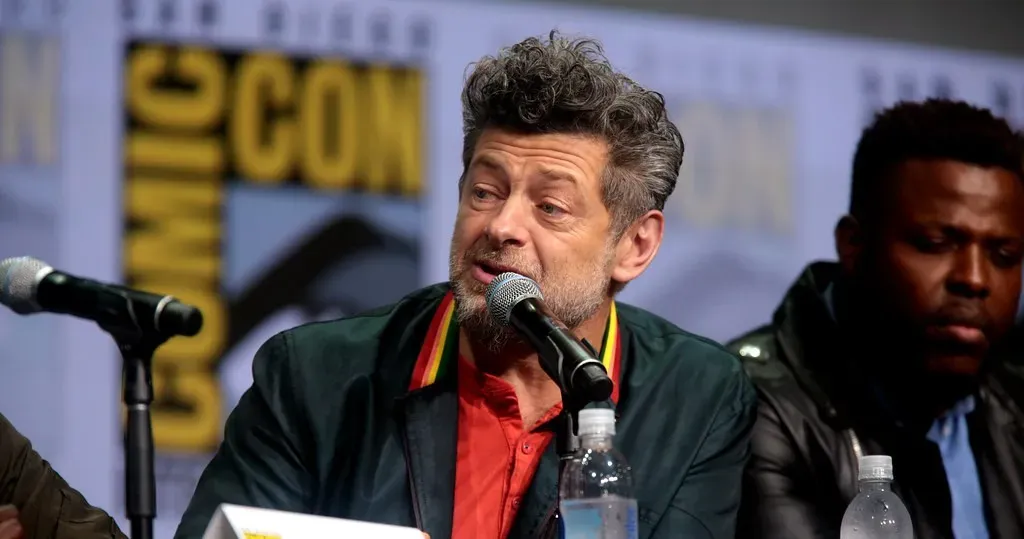
Rise of the Planet of the Apes surprised a lot of people in 2011 by being a genuinely thoughtful reboot rather than another lazy franchise cash in, and critics rewarded it with solidly positive reviews. Its sequel three years later went further, earning noticeably higher marks from critics who praised its willingness to slow down and treat the ape characters as the emotional center of the story.
Andy Serkis’s motion capture performance as Caesar drew particular praise, with several reviewers arguing the film worked as a serious drama about leadership and trust that happened to star digital apes. The critical consensus shifted from admiring what the franchise had avoided doing wrong to genuinely admiring what it did right, which is a meaningful distinction in sequel reviews.
Partner offer
6. Spider-Man 2 (2004)
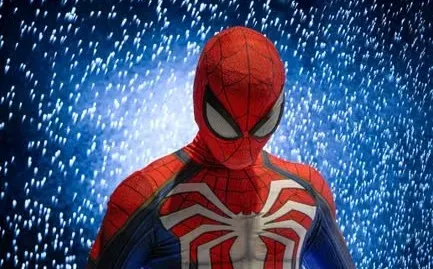
Sam Raimi’s first Spider-Man film in 2002 did the job of introducing Peter Parker to a new generation of moviegoers, and critics liked it well enough. Two years later, the sequel raised the bar noticeably, with critics citing a stronger central villain in Alfred Molina’s Doctor Octopus and a more emotionally grounded take on Peter’s double life.
Part of what critics responded to was the film’s willingness to let Peter fail. He loses his powers temporarily, struggles financially, and nearly gives up being Spider-Man altogether, and reviewers at the time noted that this vulnerability made the character more compelling than in the first outing. Spider-Man 2 is often cited, alongside The Dark Knight, as one of the films that proved superhero sequels could be taken seriously by mainstream critics.
7. X2: X-Men United (2003)
The first X-Men film in 2000 had the unenviable task of proving that Marvel’s mutant characters could work on screen at all, after years of the property being considered too complicated for a mainstream audience. Critics were cautiously positive, but the reviews carried a sense of relief more than enthusiasm.
X2 built on that foundation with a larger cast, a more confident visual style, and a plot that finally gave characters like Nightcrawler and Iceman room to matter. Critics responded with slightly but consistently higher marks, praising director Bryan Singer for expanding the world without losing the character focus that made the first film work. It set a template that later ensemble superhero films would follow closely.
8. John Wick: Chapter 2 (2017)
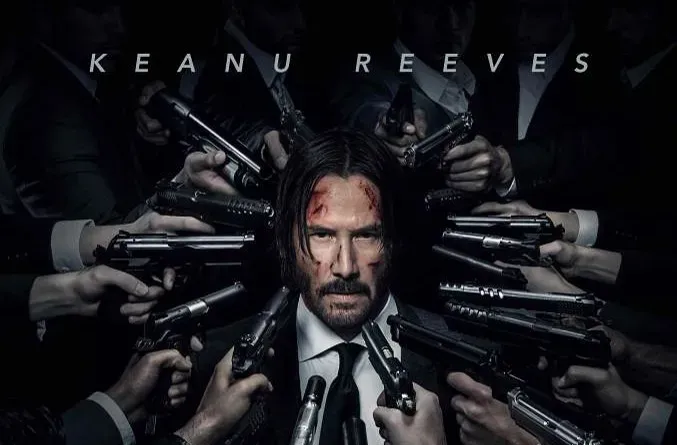
John Wick arrived in 2014 as a low key surprise, a lean revenge thriller that critics enjoyed mostly for its stylish, brutal action choreography. The sequel expanded the mythology considerably, introducing the wider assassin underworld that would define the rest of the franchise, and critics rated it slightly higher across the board.
Reviewers pointed to the film’s confidence in its own absurd internal logic, along with action sequences that were even more elaborately staged than the original’s. Keanu Reeves’ committed performance carried over, but critics noted that the world building gave the violence more context and weight the second time around. It is a modest but real improvement, the kind that often gets overlooked next to flashier examples on this list.
9. Captain America: The Winter Soldier (2014)
Captain America: The First Avenger did solid, respectable work introducing Steve Rogers, but critics generally treated it as a competent period piece rather than anything special, landing around the low eighty percent range on Rotten Tomatoes. Three years later, the Russo brothers took the character in a completely different direction with a paranoid political thriller, and critics rewarded the shift with scores in the low nineties.
The Winter Soldier drew comparisons to seventies conspiracy thrillers, a genre pivot that critics found genuinely surprising for a Marvel film at the time. Reviewers praised the film for treating its action sequences as consequences of a larger plot about institutional trust rather than as standalone spectacle. It remains one of the clearest examples of a franchise entry using genre reinvention to win over critics who were lukewarm on the original.
Taken together, these nine cases share a common thread. In almost every instance, the sequel did not simply repeat what worked the first time. It took a genuine risk, whether that meant deepening the characters, shifting genres, or simply committing harder to an idea the original film only gestured at. Critics, for all their reputation as tough audiences, tend to notice and reward that kind of ambition.
Partner offer
Planning a trip to Vegas?
Compare hotel rates and show tickets on VEGAS.com.