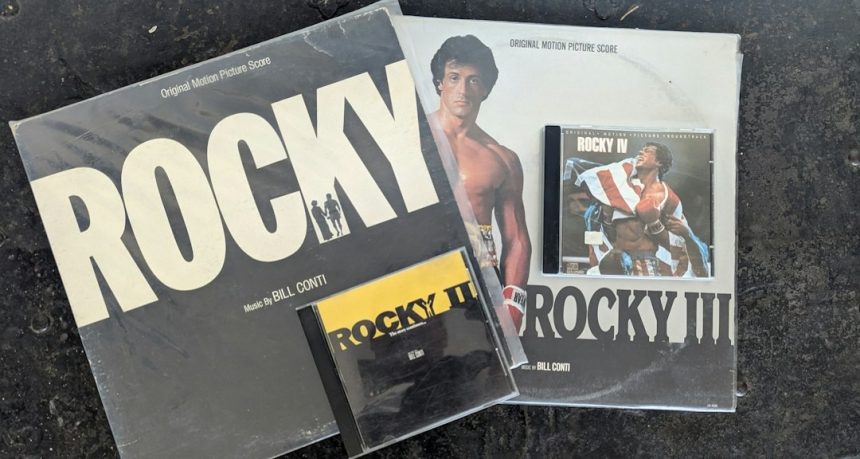
The 1970s gave Hollywood some of its most enduring and most argued-over Best Picture winners. It was a decade when the studio system cracked open just enough for gritty, personal, sometimes downright strange films to walk away with the Academy’s top prize. Looking back now, from the vantage point of 2026, it’s worth asking which of these ten films still feel vital and which ones have started to show their age. Some have aged into permanent classics, taught in film schools and quoted in everyday conversation without people even realizing where the line came from. Others feel like a product of their moment, fascinating as artifacts but harder to embrace as living cinema. Here’s a rundown of all ten, one by one, with an honest look at how each has weathered the last five decades.
1. Patton (1970)
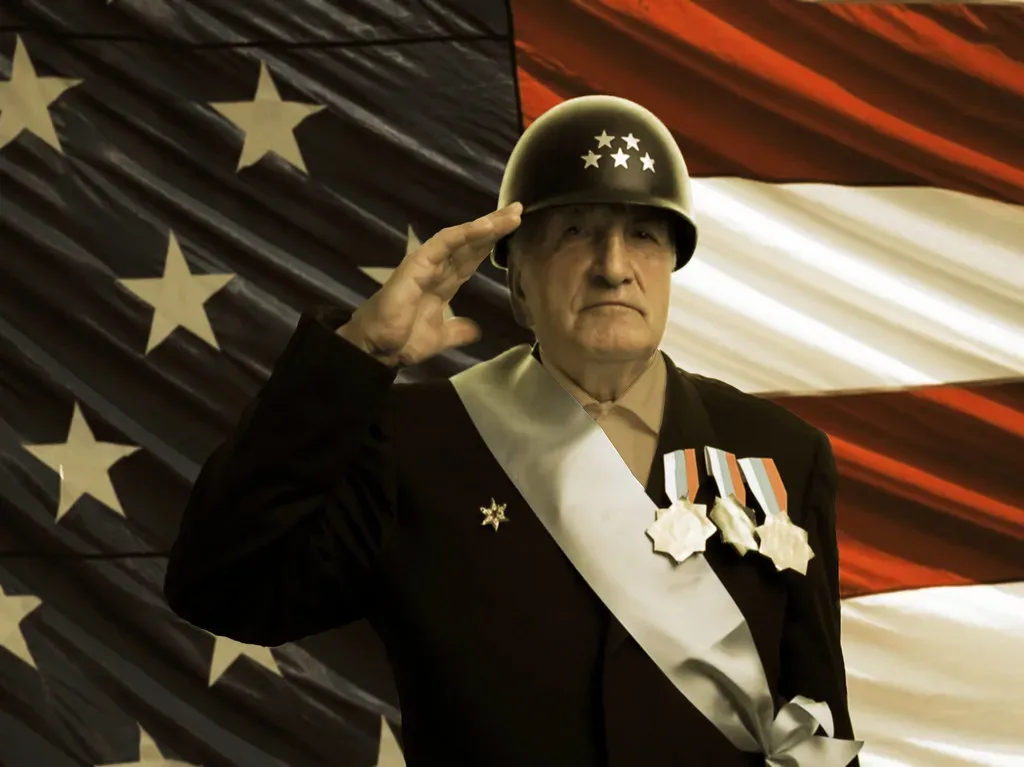
Franklin J. Schaffner’s sprawling biopic of the controversial World War II general opened the decade with a bang, driven almost entirely by George C. Scott’s towering, Oscar-winning performance. The film leans hard into spectacle, with massive battle sequences and a script that treats Patton as both hero and cautionary figure, refusing to flatten him into either. Its ambiguity toward military glory felt daring for a major studio release at the height of the Vietnam War.
Watching it today, the battle choreography and practical effects still hold up remarkably well compared to other war epics of its era. Where it struggles is pacing, at nearly three hours the film can feel bloated by modern standards, and its treatment of supporting characters is thin. Still, Scott’s performance remains the reason to watch, and it’s aged better than most character studies from the same period.
2. The French Connection (1971)

William Friedkin’s tense cop thriller, based loosely on a real New York narcotics case, brought a documentary grit to the crime genre that few films had attempted before. Gene Hackman’s performance as the abrasive detective Popeye Doyle avoided easy heroism, and the now-legendary car chase sequence set a benchmark for practical stunt work that filmmakers still study. The film’s handheld camera work and location shooting gave it a raw, almost journalistic texture.
Decades later, that chase scene remains genuinely thrilling, filmed without the safety cushions modern productions would insist on. The moral murkiness of Doyle’s methods also plays differently now, in an era more skeptical of policing tactics, giving the film unexpected relevance. It’s a lean, fast movie that never overstays its welcome, which helps it feel less dated than some of its more self-important peers.
3. The Godfather (1972)
Francis Ford Coppola’s adaptation of Mario Puzo’s novel didn’t just win Best Picture, it redefined what a mainstream American film could look and sound like. Marlon Brando and Al Pacino anchor a story about family, power, and moral compromise that unfolds with unusual patience for a studio picture, letting scenes breathe rather than rushing toward plot points. Gordon Willis’s shadowy cinematography became its own kind of visual language, imitated endlessly since.
The film’s reputation has, if anything, only grown over the decades, regularly appearing near the top of critics’ and audience polls alike. Its themes about corrupted institutions and inherited violence feel just as sharp now as they did in 1972, never reading as quaint or tied to a specific political moment. Few Best Picture winners from any decade have aged with this little friction.
4. The Sting (1973)

George Roy Hill’s con artist caper reunited Paul Newman and Robert Redford, following their earlier pairing in Butch Cassidy and the Sundance Kid, and wrapped a Depression-era grifter story in ragtime music and stylish period detail. The plot twists and double-crosses were designed to keep audiences guessing, and the film’s easy charm made it one of the year’s biggest box office hits. Its lighter tone stood out against the heavier, more cynical films dominating awards conversations at the time.
That lightness is also what makes it feel a bit slighter today compared to its Best Picture peers. The plotting is clever but occasionally telegraphs its own twists, and the film leans on star chemistry more than depth. It remains breezy, likable entertainment, though it’s probably the least discussed of the decade’s winners in serious film conversations now.
5. The Godfather Part II (1974)
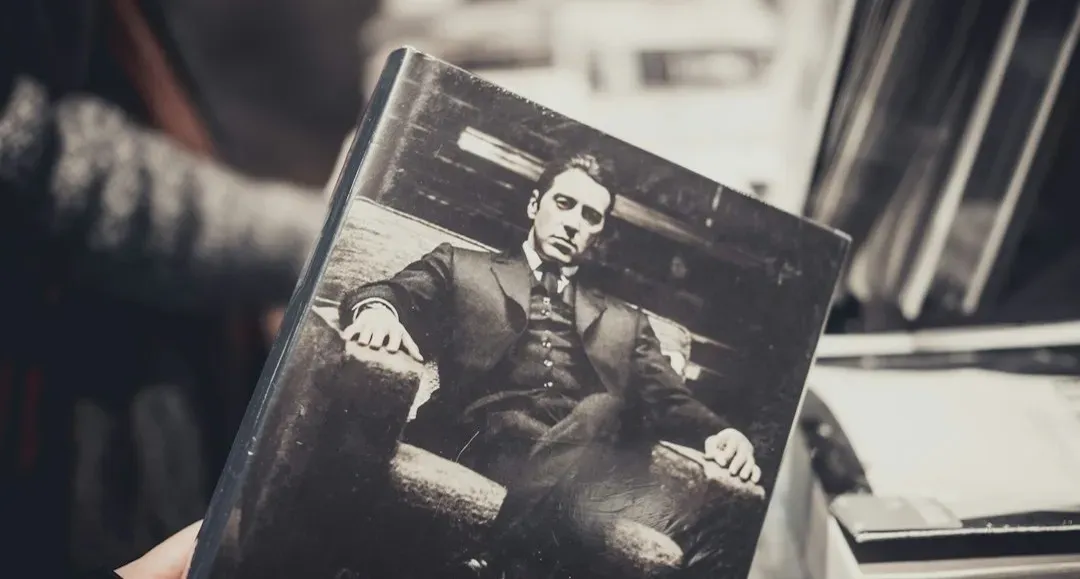
Coppola’s sequel expanded the story in two directions at once, tracing Michael Corleone’s cold consolidation of power alongside flashbacks to his father Vito’s immigrant youth. It remains one of the rare sequels widely considered equal to, or even better than, its predecessor, and its dual timeline structure influenced countless later films attempting similar scope. Robert De Niro’s performance as the young Vito added another layer to a mythology that already felt complete.
Its patient, almost novelistic pacing asks more of viewers than most modern franchise films, but that patience pays off in emotional weight. The film’s meditation on how ambition hollows out family bonds hasn’t lost any of its punch. If anything, its slow-burn structure feels more distinctive now, in a landscape of quicker, choppier storytelling.
6. One Flew Over the Cuckoo’s Nest (1975)
Milos Forman’s adaptation of Ken Kesey’s novel, set inside a psychiatric hospital, became only the second film to sweep the five major Oscar categories, including Best Actor for Jack Nicholson and Best Actress for Louise Fletcher. The story of Randle McMurphy’s rebellion against institutional control tapped into a broader distrust of authority running through the decade. Its ensemble cast, filled with actors who would go on to notable careers, gave the hospital setting a lived-in authenticity.
Partner offer
Modern viewers sometimes flinch at the film’s dated and simplistic depiction of mental illness and psychiatric treatment, which reads as less nuanced than contemporary standards would demand. Even so, Nicholson and Fletcher’s performances remain electric, and the film’s core argument about conformity versus individuality still resonates. It’s a movie that requires a bit of historical context now, but rewards viewers who bring it.
7. Rocky (1976)
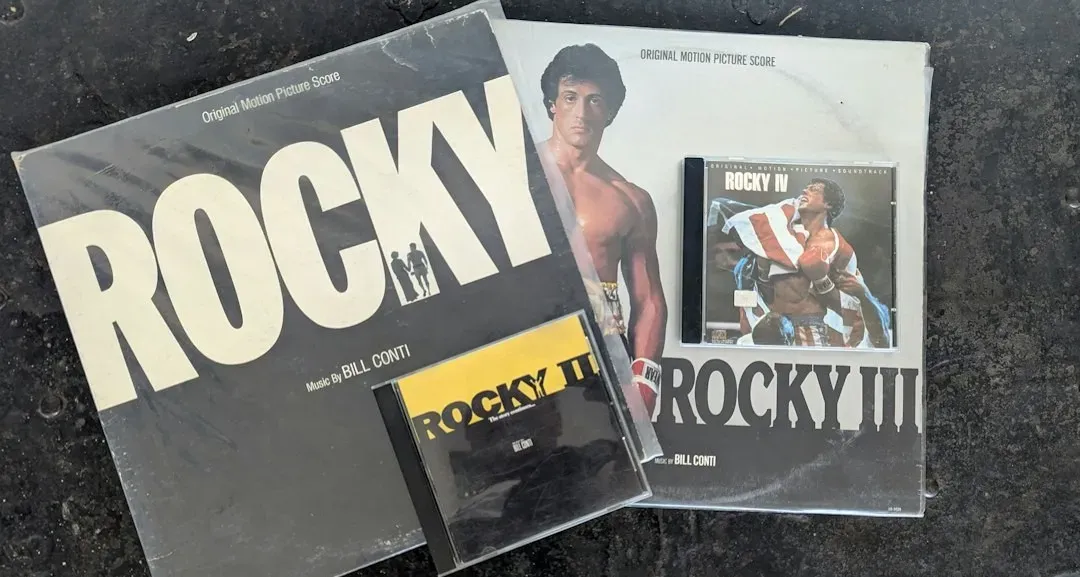
Sylvester Stallone’s underdog boxing story, made on a modest budget, became a cultural phenomenon and launched one of the most enduring franchises in American film. Its earnest, unpretentious tone stood in contrast to the darker, more cynical films that dominated the decade’s awards conversations. Stallone wrote and starred in the film, and its Philadelphia steps became an actual tourist landmark that still draws visitors today.
Stripped of the sequels’ escalating spectacle, the original Rocky remains a small, sincere character study more than a sports movie. Its slower pace and modest scale surprise viewers who only know the franchise’s later, flashier entries. That sincerity is exactly why it still connects, even as boxing has faded somewhat from mainstream popularity.
8. Annie Hall (1977)
Woody Allen’s romantic comedy broke from traditional narrative structure, using direct address, animated sequences, and nonlinear storytelling to chart the rise and collapse of a relationship. Diane Keaton’s performance and fashion sense became genuinely influential, and the film’s self-aware humor about neurosis and New York intellectual life shaped decades of comedy that followed. It beat Star Wars for Best Picture that year, a choice still debated by film fans.
The film’s formal inventiveness still feels fresh, and its influence on romantic comedies is easy to trace in films made decades later. Allen’s off-screen personal history has complicated how some audiences approach his work, and that context inevitably colors modern viewings. Judged purely as filmmaking craft, though, its structural playfulness hasn’t dated the way more conventional comedies from the same year have.
9. The Deer Hunter (1978)

Michael Cimino’s harrowing drama followed a group of steelworkers from a small Pennsylvania town through their experiences in the Vietnam War and its aftermath. Its unflinching, deliberately paced approach to trauma, including a notoriously brutal central sequence, made it one of the most talked-about and controversial films of the decade. Robert De Niro, Christopher Walken, and Meryl Streep anchor a cast working at a remarkably raw emotional pitch.
The film’s length and deliberate pacing test modern viewers more than most winners on this list, and its handling of Vietnamese characters and setting has drawn valid criticism over the years for lacking nuance. Still, its portrait of small-town American life shattered by war carries genuine weight, and the performances remain devastating. It’s a film more admired than rewatched today, but its impact on how Hollywood depicted Vietnam is undeniable.
10. Kramer vs. Kramer (1979)

Robert Benton’s intimate drama about a divorce and custody battle, starring Dustin Hoffman and Meryl Streep, closed out the decade by shifting focus from war and crime toward domestic life and shifting gender roles. It arrived at a moment when divorce rates in America were climbing sharply, and the film’s sympathetic treatment of both parents felt notably even-handed for its time. Justin Henry, playing the young son, became the youngest Best Actor nominee in Oscar history at the time.
Its portrayal of a father learning to parent alone, and a mother reclaiming her own identity outside marriage, still lands with real emotional clarity. Some of the courtroom dynamics feel slightly of their era, reflecting attitudes toward custody that have since evolved. Even so, the central performances keep the film grounded and honest, making it one of the more quietly durable entries from the decade.
Taken together, these ten films trace a decade that pushed the Best Picture category toward riskier, more personal storytelling than the studio spectacles that came before. Some, like The Godfather films, have only strengthened their reputations with time. Others carry the weight of outdated attitudes or slower pacing that ask a bit more patience from today’s audiences. Either way, the 1970s remain one of the most consistently interesting stretches in the award’s history.Partner offer
Planning a trip to Vegas?
Compare hotel rates and show tickets on VEGAS.com.