Hollywood loves turning beloved novels into blockbusters, but the relationship between authors and the studios adapting their work is rarely as harmonious as fans might hope. Sometimes a writer’s vision gets flattened, twisted, or outright ignored, and the result is a movie that might dazzle audiences while leaving the person who created the source material fuming. These nine cases show just how personal and painful the adaptation process can become, even when the finished film goes on to become a cultural landmark.
What follows isn’t a list of flops. Several of these movies are considered classics of their genre. Still, the authors behind the original books had real, documented complaints, ranging from creative betrayal to outright horror at what ended up on screen.
1. The Shining (1980)
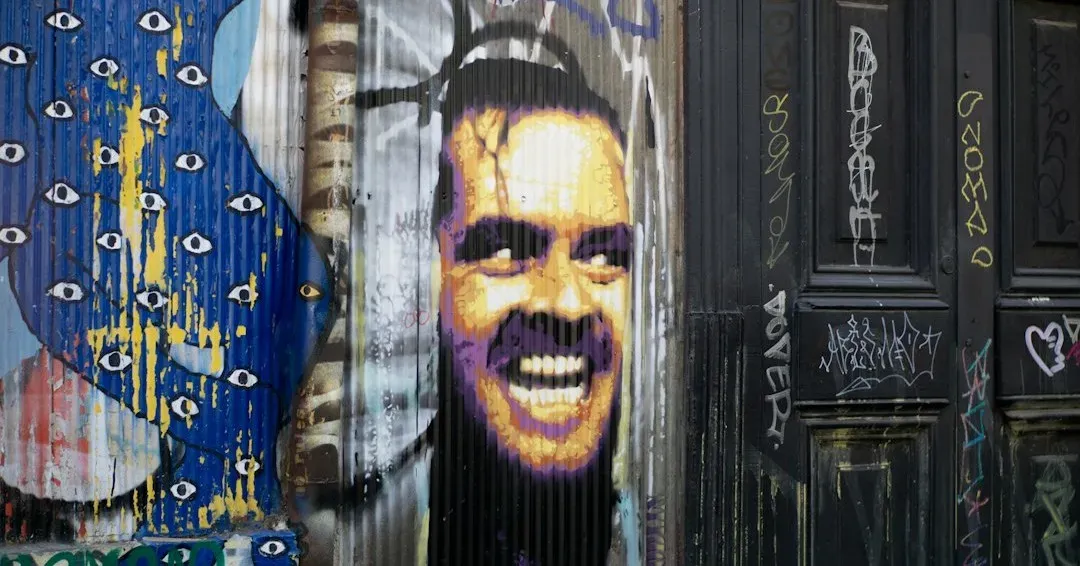
Stanley Kubrick’s adaptation of Stephen King’s novel is routinely ranked among the greatest horror films ever made, yet King has spent decades criticizing it. From the very beginning of production, Stephen King was very vocal regarding his disappointment with Kubrick’s filmmaking decisions. His frustration centered largely on how the director reshaped the story to fit his own artistic sensibilities rather than King’s original intent.
King’s biggest grievance was the treatment of Wendy Torrance. In the movie, she comes across as feeble and weak-minded. “She’s basically just there to scream and be stupid, and that’s not the woman that I wrote about,” King elaborated in an interview with BBC. He was frustrated enough with the result that Stephen King hated Kubrick’s adaptation so much that he made a three-episode horror miniseries on his own novel in 1997.
2. A Clockwork Orange (1971)
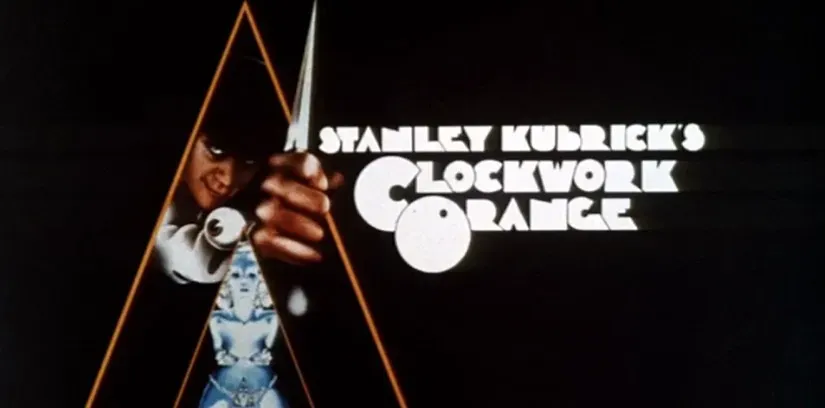
Anthony Burgess’s dystopian novella became one of Stanley Kubrick’s most notorious films, but the author’s relationship with the movie soured quickly. Not only did Anthony Burgess dislike the movie based on his novella A Clockwork Orange, he later regretted writing any of it in the first place. That’s an extraordinary level of regret for a work that made him famous.
Part of his frustration involved specific creative choices in the adaptation. Burgess took issue with the director’s decision to remove the 21st and final chapter of the book from the plot of the film, until 1986, American editions didn’t include the 21st chapter, out of fear audiences wouldn’t be convinced by the ultra-violent protagonist’s redemption. On top of the creative disagreements, he was also displeased with how little money he made from the adaptation.
3. Mary Poppins (1964)

Disney’s beloved musical is a family favorite, but its author, P. L. Travers, felt entirely differently about the finished product. Mary Poppins author P. L. Travers clashed with Walt Disney throughout the film’s conception and production. Their tense partnership was famous enough to later inspire its own movie about the making of the adaptation.
Travers’s core complaint was about tone. The animation and the songs were part of what Travers disliked so much, as she thought it made the magical nanny far too nice. To her, the sanitized, cheerful Disney version betrayed the sharper, stranger character she had written on the page. Their combative relationship is fictionalized in the 2013 Tom Hanks movie Saving Mr. Banks, which dramatizes just how contentious that collaboration really was.
4. Willy Wonka & the Chocolate Factory (1971)
Roald Dahl’s classic children’s book became a cinematic staple, but Dahl himself was unhappy with the direction the film took. Roald Dahl was originally supposed to write the script for the adaptation of his beloved children’s book, but the project was taken out of his hands when it moved too slowly. Losing creative control over his own story set the stage for later disappointment.
Dahl also disagreed with the casting of the lead role. Dahl also wanted Spike Milligan or Peter Sellers as the chocolatier, so Gene Wilder’s casting was a disappointment to him. More fundamentally, according to a trustee connected to the Roald Dahl Museum, he thought it placed too much emphasis on Willy Wonka and not enough on Charlie. For him the book was about Charlie.
5. Percy Jackson & the Olympians: The Lightning Thief (2010)

Rick Riordan’s young adult fantasy series has sold millions of copies, but the author never warmed to the two early 2010s film adaptations. Riordan has been open about his disappointment in the film adaptations of his work, so have the fans. His criticism wasn’t a passing comment either; it became a running theme in his public life.
Riordan went so far as to document his concerns before the films were even finished. In 2018, Riordan released the letters he wrote to the filmmakers during development, laying out his concerns and disappointments. Interestingly, though he’s never actually watched the movies, he read the scripts, and apparently that was more than enough to convince him the adaptations had gone wrong. He has since been closely involved with the newer Disney+ series as something of a course correction.
6. I Know What You Did Last Summer (1997)
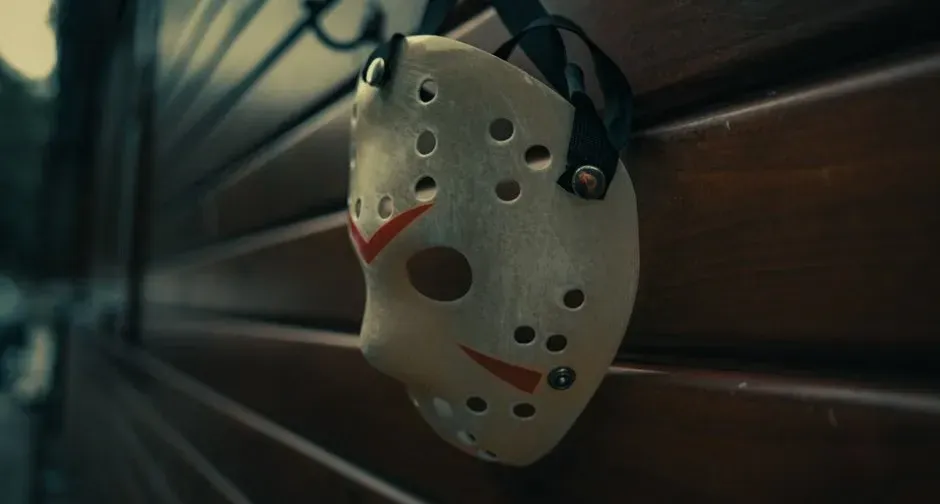
Lois Duncan’s young adult thriller became a slasher movie staple in the 1990s, but the shift in tone horrified the author when she finally saw it. Lois Duncan said she was kept far from the production and when she saw the movie, it was a shock. The gore-heavy slasher aesthetic was a far cry from her more restrained suspense novel.
Her reaction to the screening was visceral and immediate. Heads flew off, blood spurted, the audience screamed, I screamed, I was so horrified I couldn’t even open my popcorn. The first thing I did when I staggered out of the theater was phone my married daughter, Kerry, and tell her, “Don’t let my grandchildren see it!” It’s hard to imagine a more direct expression of authorial disappointment than that.
7. Girl, Interrupted (1999)
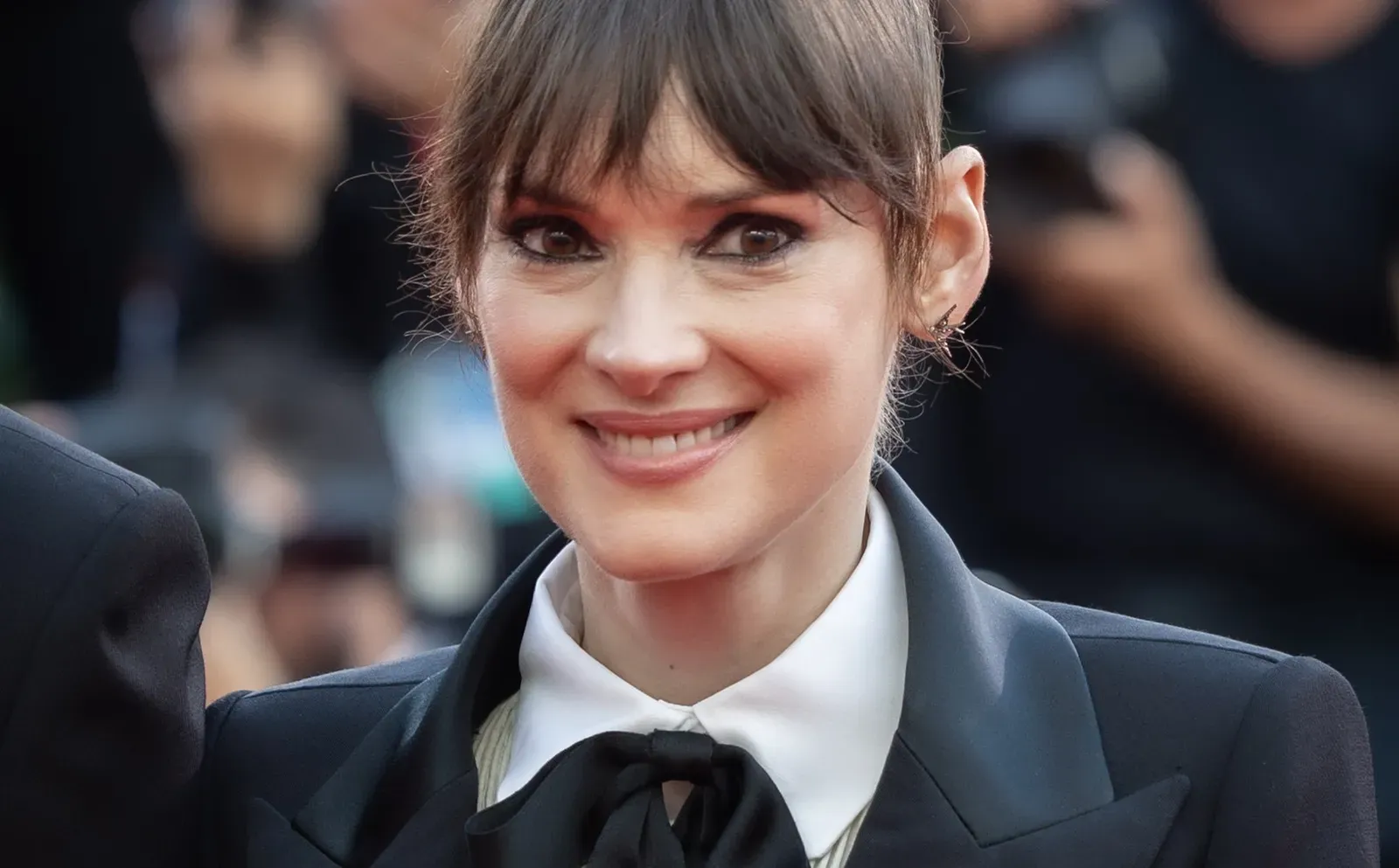
Susanna Kaysen’s memoir about her time in a psychiatric institution was adapted into a film starring Winona Ryder, but Kaysen made her displeasure known publicly. Susanna Kaysen’s gut-wrenching memoir of institutionalization in the 1960s was made into a film by James Mangold, with Winona Ryder playing the part of Kaysen, but Susanna Kaysen disliked Mangold’s adaptation for other reasons beyond the film’s controversial handling of mental illness.
Her core objection was about invention rather than accuracy to a genre. Kaysen claims the film is “melodramatic drivel,” and she accused Mangold and the other writers of inventing plot points that weren’t in the book. Because the source material was a memoir rather than fiction, any embellishment felt to her like more than a creative liberty. As one outlet summarized her stance, Girl, Interrupted doesn’t change Kaysen’s work, it alters the story of her life.
8. Watchmen and Superhero Adaptations (Alan Moore’s Work)
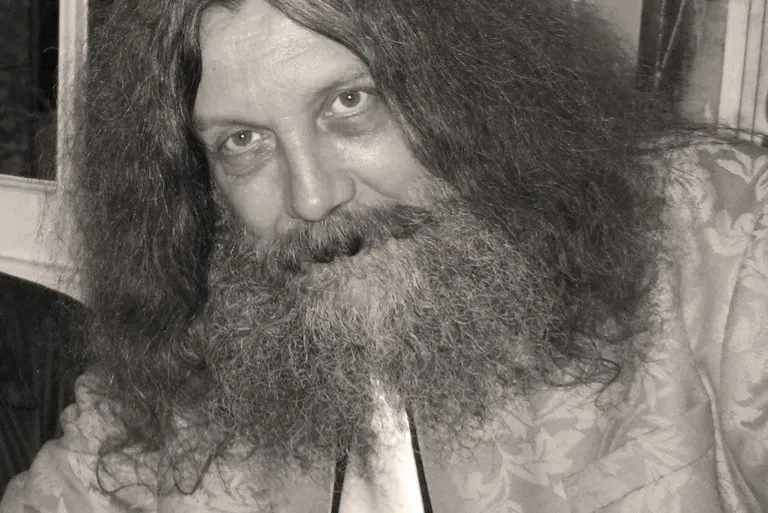
Alan Moore’s relationship with film adaptations of his comics, including Watchmen, V for Vendetta, and From Hell, has been famously hostile, and his objections extend well beyond his own material. Alan Moore doesn’t just dislike the adaptations of his own work, he disagrees with superhero adaptations from comics altogether. That’s a rare stance among comic creators whose properties have become Hollywood gold.
His criticism goes deep into how he views the entire genre’s cultural footprint. According to him, these movies “have blighted cinema, and also blighted culture to a degree.” He also stopped writing comics altogether, in part because “most people equate comics with superhero movies now.” He has also framed the practice of adapting these characters in especially harsh terms, arguing all of these characters have been stolen from their original creators, all of them.
9. Murder at the Gallop and the Miss Marple Films (Agatha Christie’s Work)

Agatha Christie’s mysteries have inspired countless adaptations, but the “Queen of Crime” was famously unhappy with several of them, especially the Margaret Rutherford Miss Marple films of the 1960s. Murder at the Gallop is just one example of an adaptation which irked the Queen of Crime, who particularly disliked Margaret Rutherford’s comedic interpretation of Miss Marple. The comedic, lighthearted spin clashed with how she envisioned her sharp-witted amateur detective.
Her dislike of screen adaptations wasn’t limited to one film either. Christie’s hatred for the movie industry’s adaptations of her crime novels was so intense that her friends and family would have to warn her not to watch certain movies, knowing that she would find them too upsetting to endure. According to another account, she was horrified by Margaret Rutherford’s depiction of Miss Marple, which made her feel “sick” and “ashamed.”
These nine stories make clear that a successful film adaptation and a faithful one aren’t always the same thing. Studios chase runtime, marketability, and visual spectacle, while authors tend to care most about tone, character integrity, and thematic truth. When those priorities collide, the result can be a movie audiences adore and a writer can barely stand to watch. It’s a reminder that behind every page-to-screen translation, there’s a creator who might feel their work was either honored or hollowed out, and sometimes both reactions exist in the same story.