Most films tre as a mood, a few scenes where the lights go down and the tension goes up. A smaller group commits to it fully, with the sun barely appearing at all. Those movies tend to feel different, a little sleepier and stranger, and often more tense.
The nine below are well known for living in the dark. Some do it through story structure, others through a single long night, and a few simply refuse to let daylight in until the very end.
Collateral (2004)
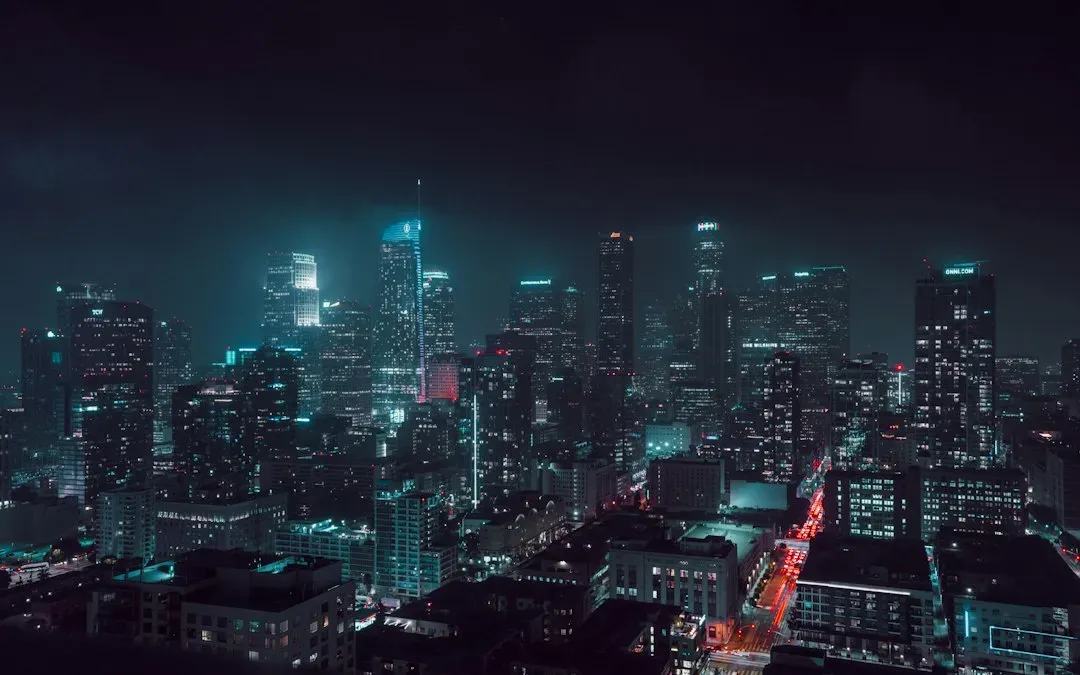
Michael Mann’s thriller follows a Los Angeles cab driver whose last fare turns out to be a contract killer. The story unfolds over a single night, moving from one stop to the next across the city. Mann shot much of it on digital video, which let the camera pick up the glow of the city without heavy lighting.
That choice gave Los Angeles an unusual look, with a hazy orange sky and sharp pools of color. Cinematographers Dion Beebe and Paul Cameron shared credit on the film. Beebe received an Academy Award nomination for the work.
After Hours (1985)
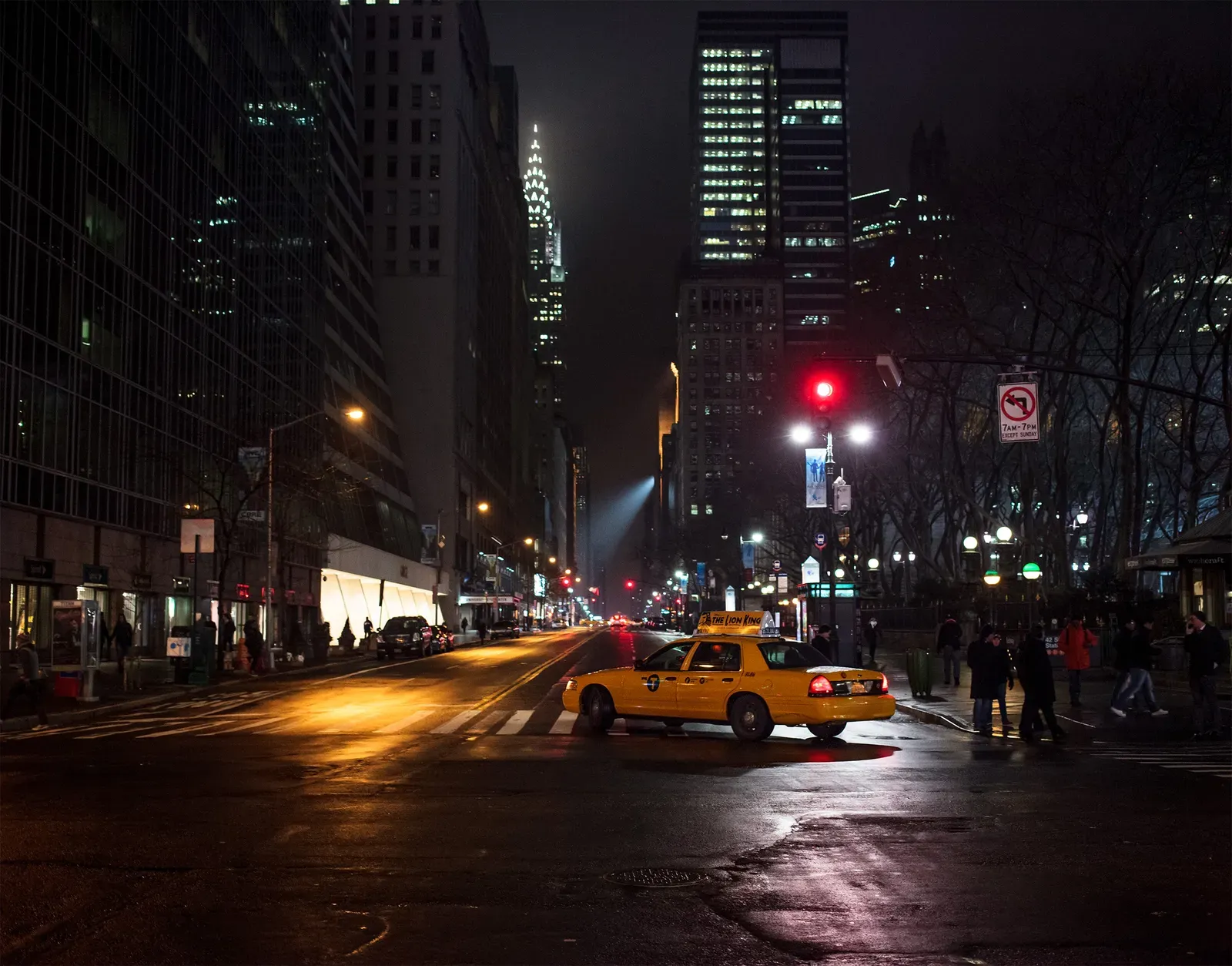
Martin Scorsese’s dark comedy sends a bored office worker through downtown Manhattan on one very bad night. A taxi ride, a missing twenty dollar bill and a string of odd encounters keep pulling him deeper into SoHo. The whole thing plays out between evening and dawn.
The film was shot largely on location in New York. It has the feel of a nightmare that never quite lets the character go home. Scorsese won the Best Director prize at Cannes for it in 1986.
Drive (2011)
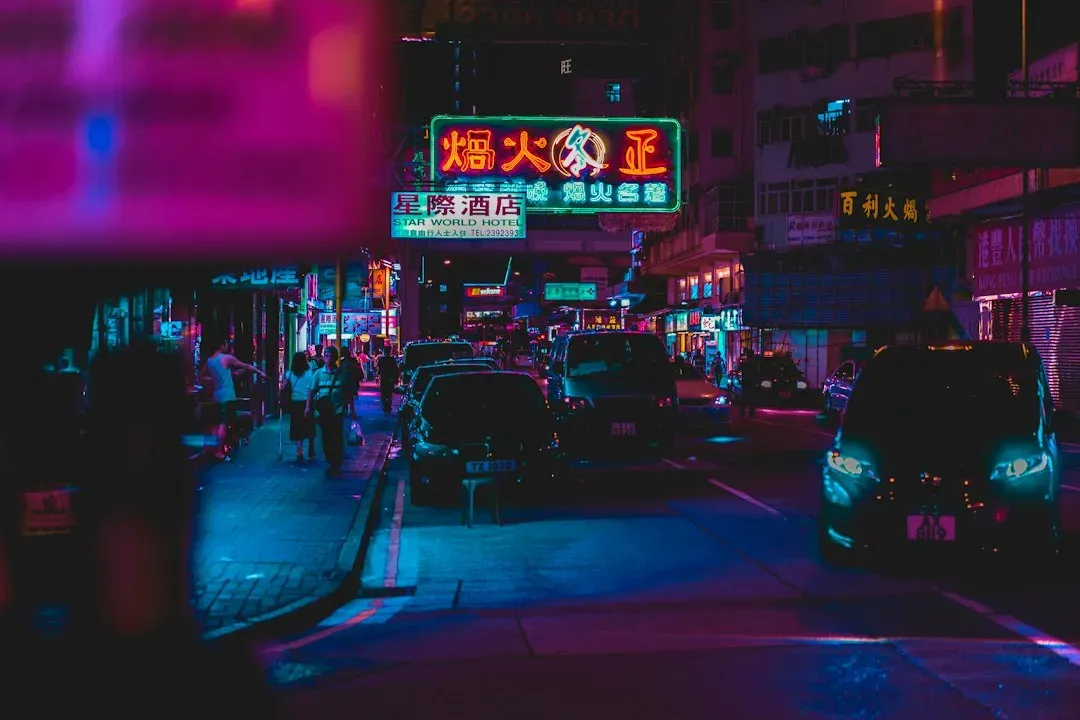
Nicolas Winding Refn’s film about a stunt driver who moonlights as a getaway driver spends a great deal of its running time after dark. Neon, streetlights and car interiors do most of the visual work. Daytime scenes exist, but the film’s identity is clearly nocturnal.
So it’s not strictly all night, and that’s worth saying plainly. Still, its look is built around Los Angeles after sunset, and it helped set a style that many later crime films borrowed. Refn won the Best Director award at Cannes in 2011.
Nightcrawler (2014)
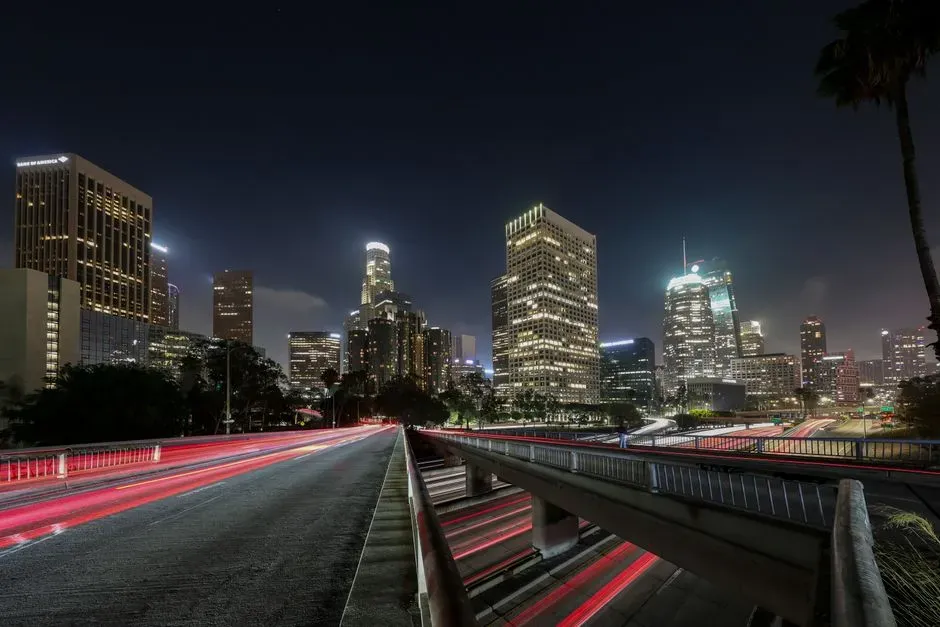
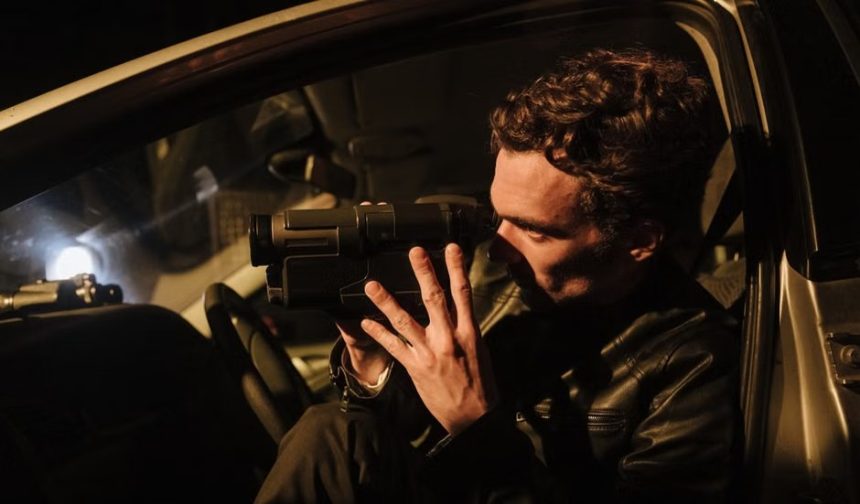
Dan Gilroy’s debut stars Jake Gyllenhaal as a petty thief who becomes a freelance crime videographer. The job means chasing police scanners through Los Angeles after dark, so most of the movie happens . Daylight scenes are rare and mostly serve as contrast.
Robert Elswit, the cinematographer, shot the city with a cold and slightly sickly glow. Gilroy’s screenplay earned an Oscar nomination for Best Original Screenplay. The nighttime setting fits the story, since the character works in a trade that thrives when others are asleep.
Partner offer
Dog Day Afternoon (1975)
This one is a cautionary entry, since the title suggests the opposite. Sidney Lumet’s bank robbery drama starts on a hot summer afternoon in Brooklyn and runs well into the night. The later stretch, with floodlights and a crowd outside the bank, is the part people remember.
It is not an almost entirely nocturnal film, so it belongs here only as a partial case. The point is how much its second half relies on darkness and artificial light. Frank Pierson won the Oscar for Best Original Screenplay.
Night on Earth (1991)
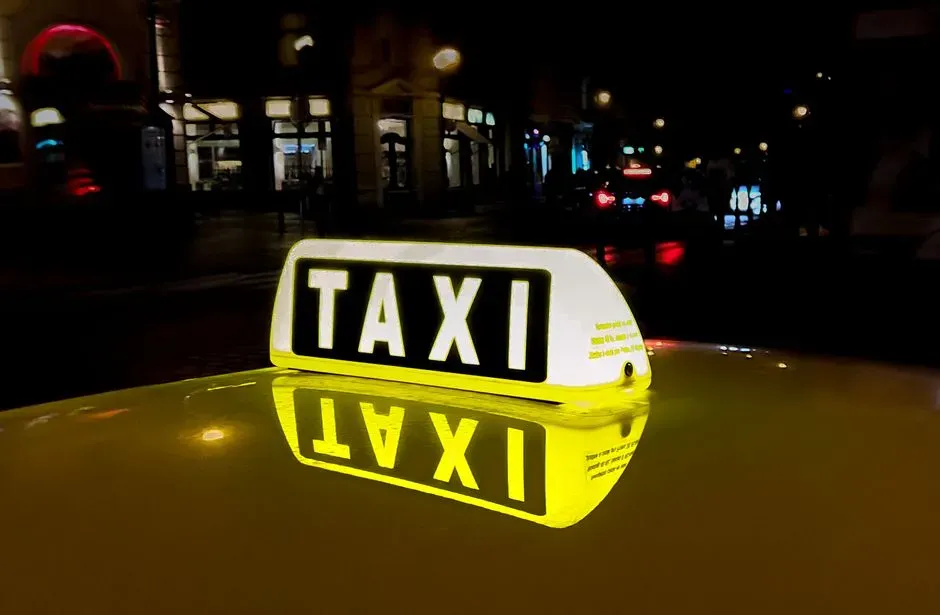
Jim Jarmusch’s anthology film is made of five taxi rides in five cities, Los Angeles, New York, Paris, Rome and Helsinki. Each story takes place , and the conversations between drivers and passengers carry the film. The time zones let the stories overlap on the same evening.
The film is quiet and funny rather than tense. Frederick Elmes was the cinematographer, and the night photography gives each city its own texture. It’s a good example of darkness as a setting for talk rather than danger.
Timecode and Night Shift Style: Cloverfield (2008)
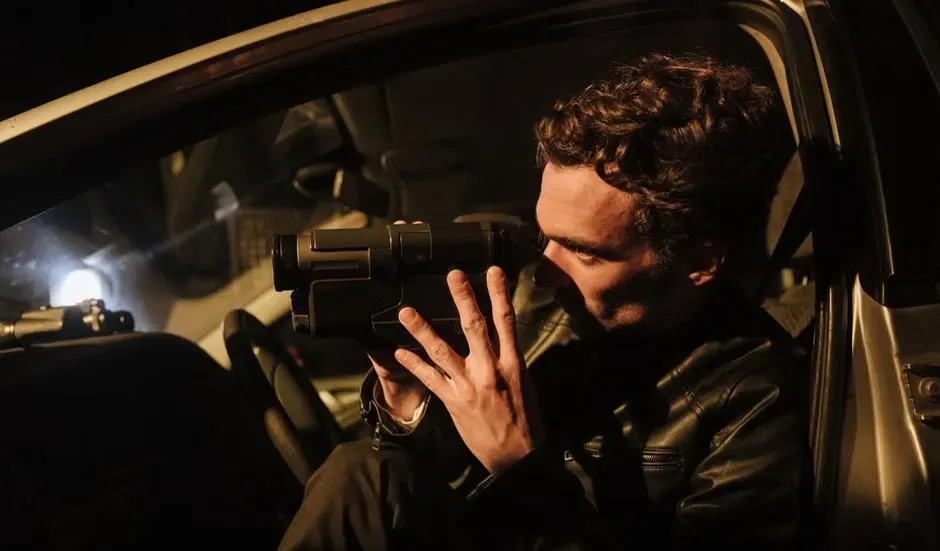
Cloverfield follows a group of friends in New York during a monster attack that begins at a going away party. Most of the film takes place over a single night, shot in a handheld found footage style. The darkness helps hide the creature, which keeps the threat unclear.
Matt Reeves directed it, and the limited visibility is part of the design. Viewers see only what the camera operator can see. That restriction is a big part of why the film feels so claustrophobic.
Dawn of the Dead and the Night Film Tradition: Night of the Living Dead (1968)
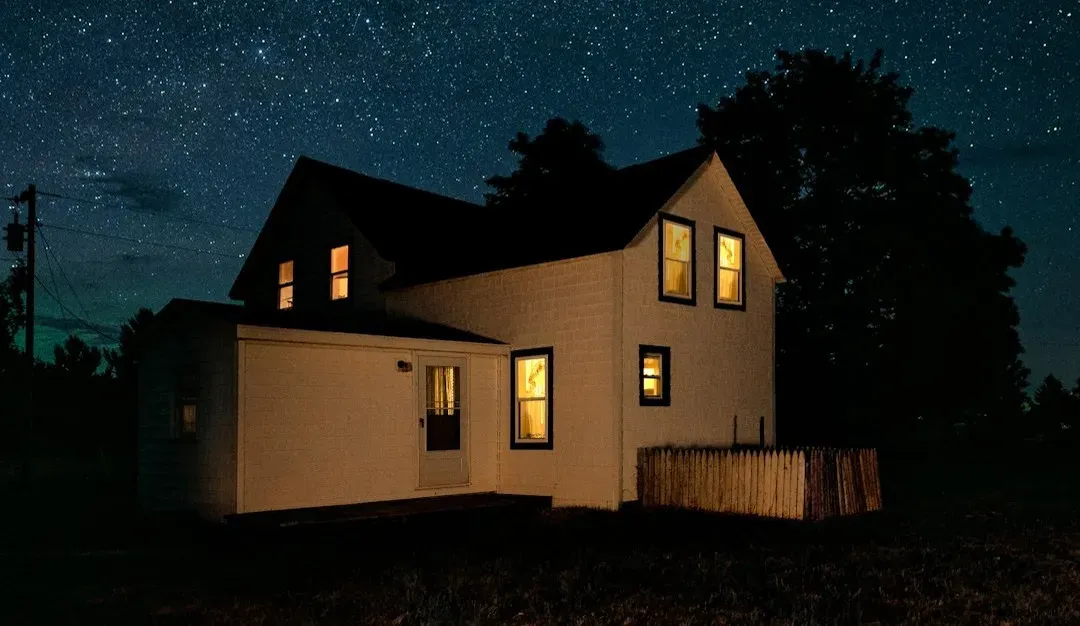
George A. Romero’s low budget horror film takes place over one night in a Pennsylvania farmhouse. A small group of strangers boards up the windows while the dead gather outside. Black and white photography makes the darkness feel even heavier.
The film has been preserved by the Library of Congress in the National Film Registry. Its single location and single night structure became a template for later horror. Few films have used so little to such lasting effect.
The Warriors (1979)
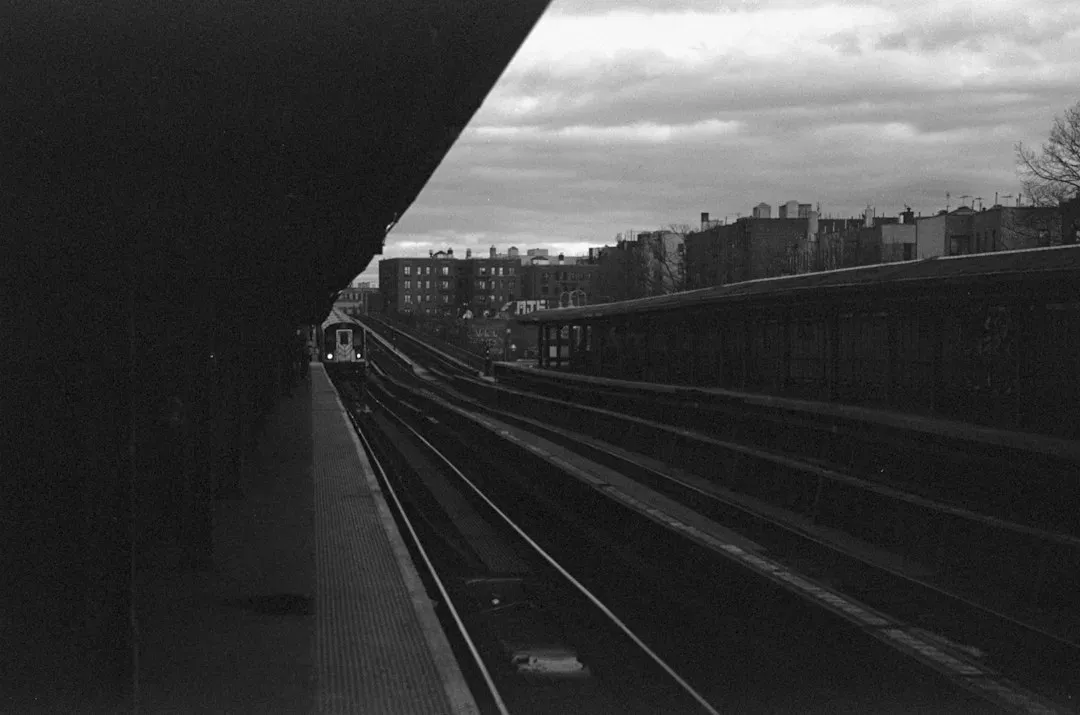
Walter Hill’s action film follows a street gang trying to get from the Bronx back to Coney Island in a single night. Subway platforms, parks and empty streets provide most of the settings. The city feels hostile, and the clock is always running.
Much of the production was filmed on location in New York, which was reported to be difficult for the crew. The story is loosely based on an ancient Greek account of a long march home. Its neon and graffiti look has stayed influential for decades.
Partner offer
Planning a trip to Vegas?
Compare hotel rates and show tickets on VEGAS.com.