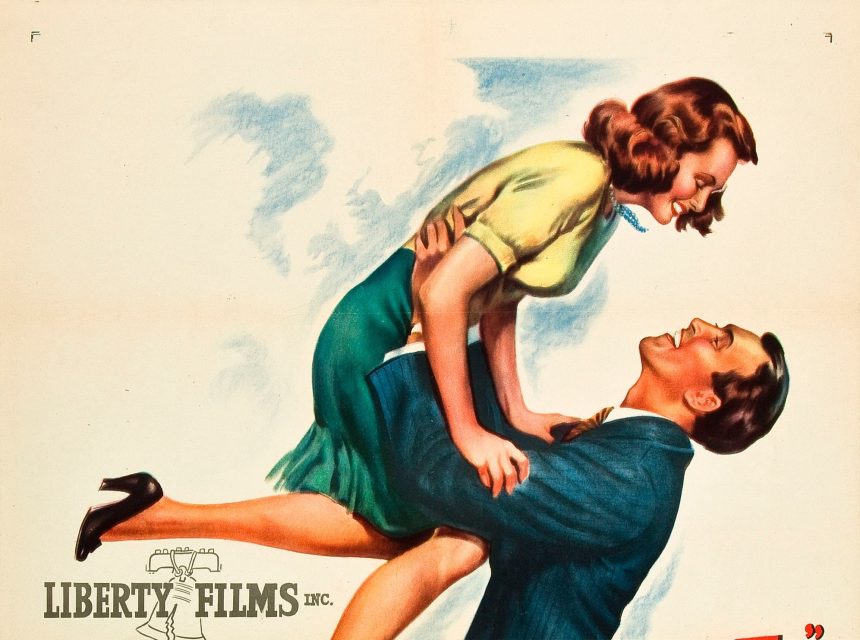
Critics get it wrong sometimes. Opening week reviews are written fast, often against the mood of the moment, and they don’t always hold up.
The eight films below all met a cold or divided reception when they arrived. Each one has since earned a place on a respected ranking, a national registry, or a major critics’ poll.
Blade Runner (1982)

Ridley Scott’s science fiction noir got a mixed reception in 1982. It also struggled at the box office, earning only a little more than its budget in its first run.
Its reputation grew through home video and the later director’s cuts, especially The Final Cut in 2007. The American Film Institute placed it sixth on its list of the ten best science fiction films, and the Library of Congress added it to the National Film Registry in 2021.
Vertigo (1958)
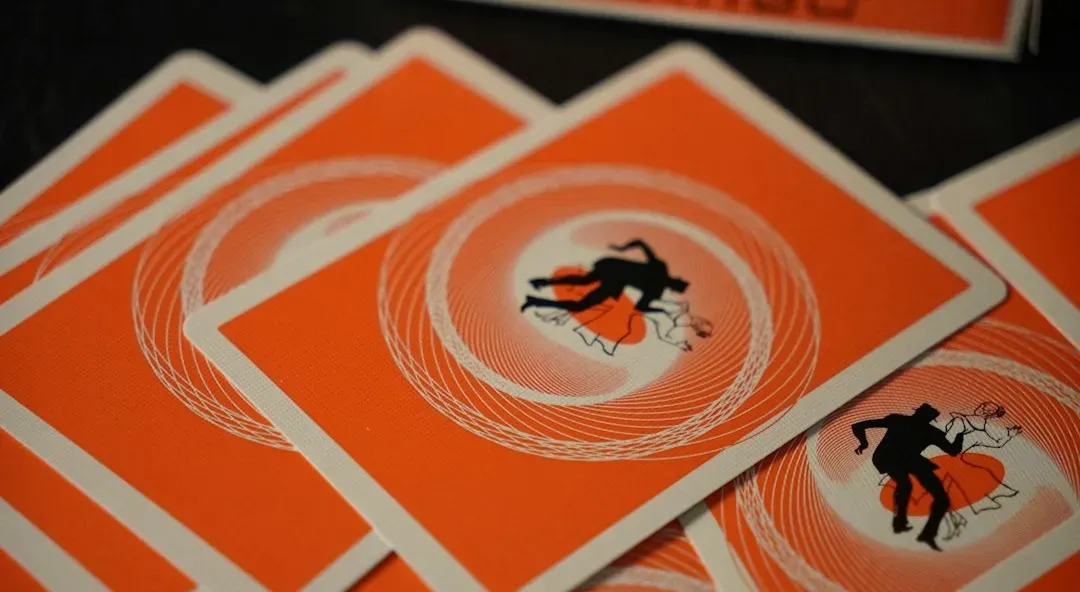
Alfred Hitchcock’s obsessive thriller drew lukewarm reviews and did modest business compared with his other hits. Many reviewers treated it as a clever but slow entry in his catalog.
Its standing has changed dramatically. It topped the 2012 Sight and Sound critics’ poll, ending Citizen Kane’s long run at number one. In the 2022 edition it placed second.
Fight Club (1999)
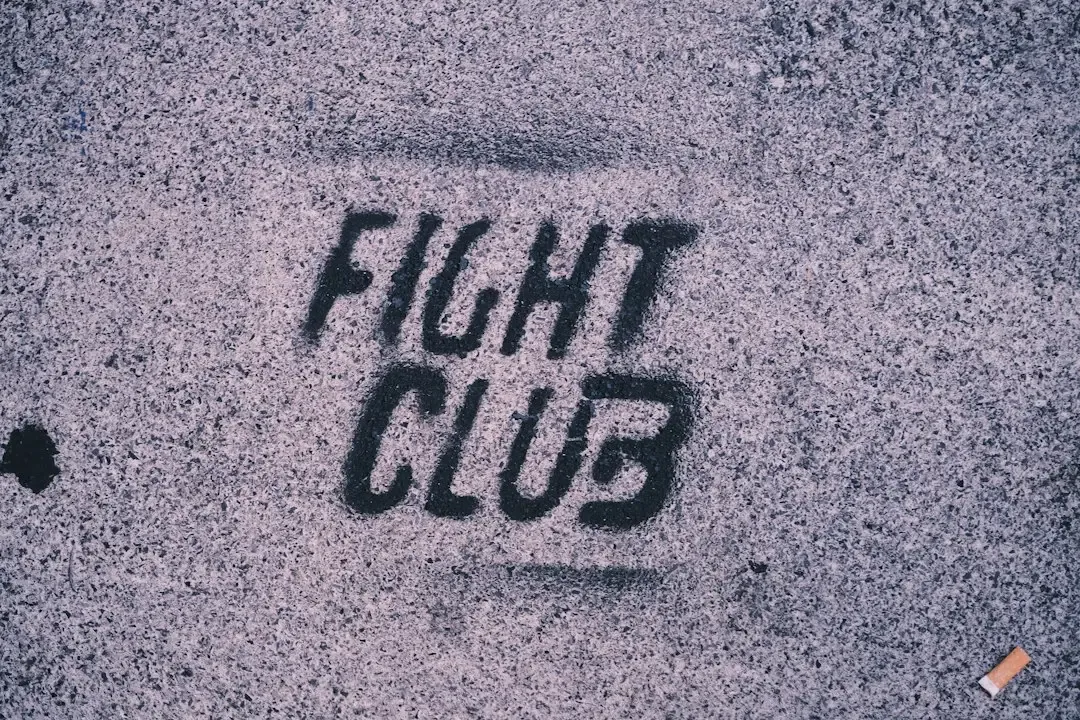
David Fincher’s adaptation divided critics hard in 1999. Several reviewers objected to its violence and its tone, and it earned well under its production budget at the domestic box office.
DVD sales and word of mouth turned it into a lasting favorite. It now regularly turns up on popular audience rankings and on lists of the best films of the 1990s, including Empire magazine’s big list of the greatest movies.
It’s a Wonderful Life (1946)
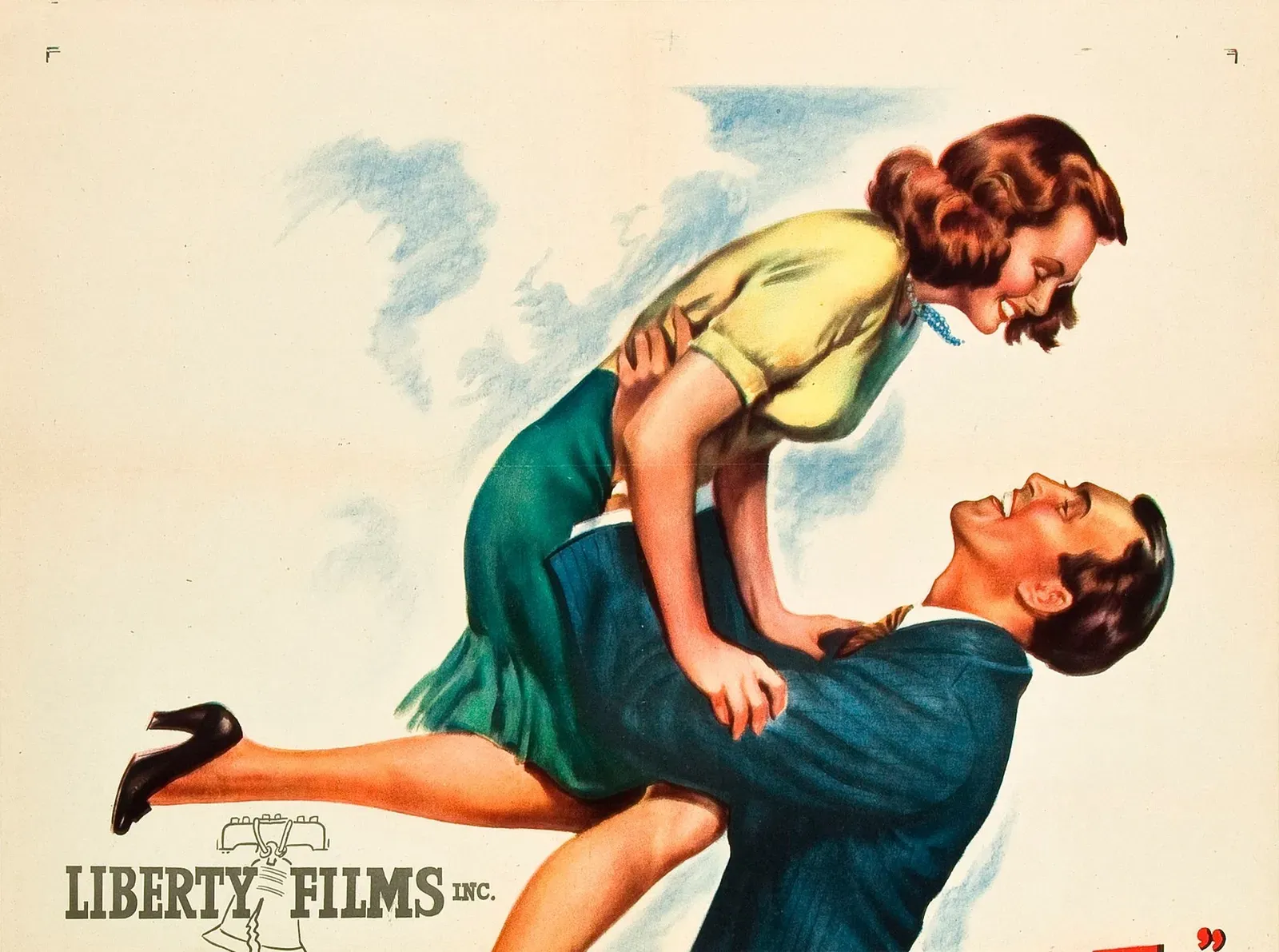
Frank Capra’s film received a mixed response and lost money during its original release. Some critics found it too sentimental for a country just out of the war.
Partner offer
Its fortunes turned decades later, when its copyright lapsed and television stations began airing it constantly over the holidays. The AFI later ranked it among the hundred greatest American films, and it also topped the institute’s list of the most inspiring movies.
Psycho (1960)
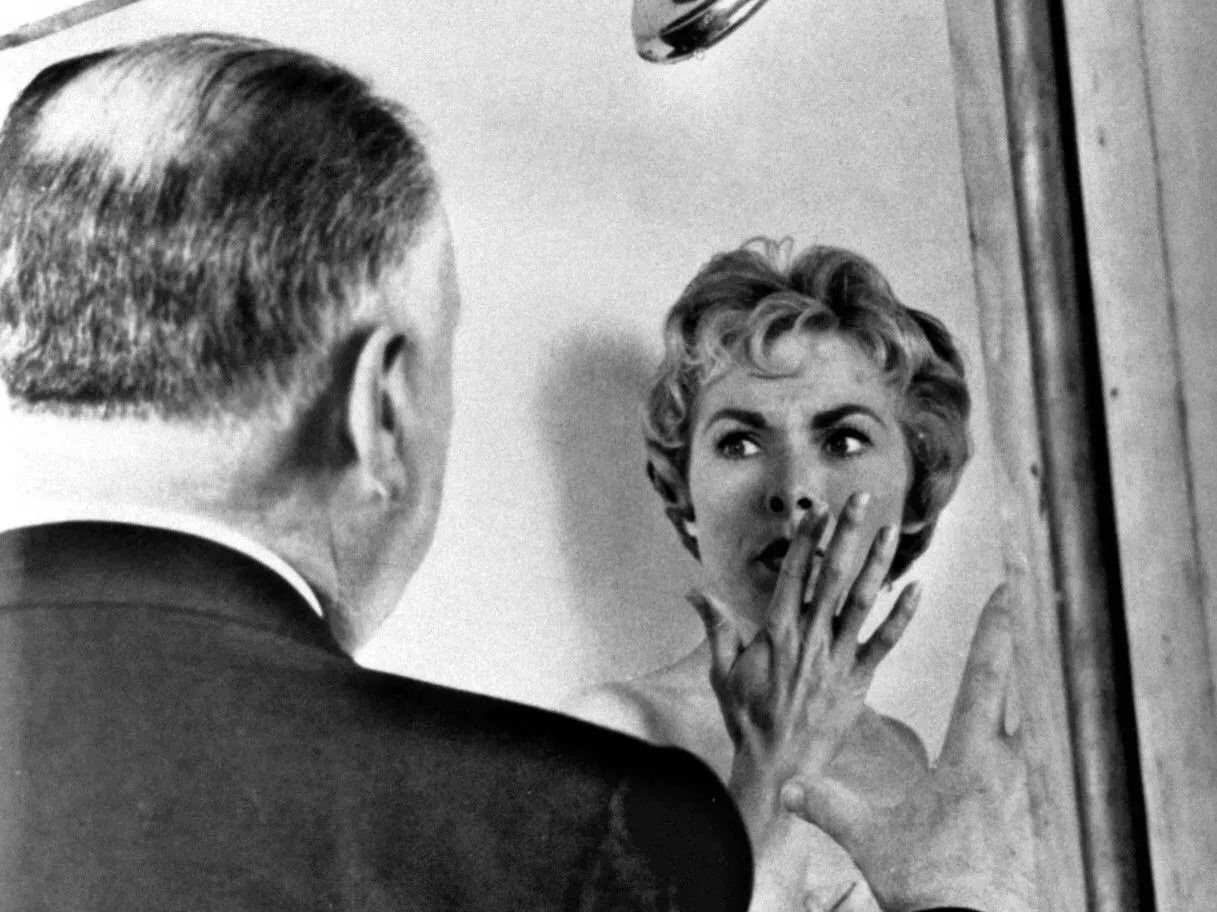
Psycho was a huge commercial success, but the first wave of reviews was far from unanimous. Some critics found it distasteful, and a number of them dismissed it as a minor shocker rather than serious cinema.
Reappraisal came quickly and stuck. The AFI placed it among the top twenty of its 100 Years list in the 2007 update, and the National Film Registry selected it in its second year of inductions.
2001: A Space Odyssey (1968)
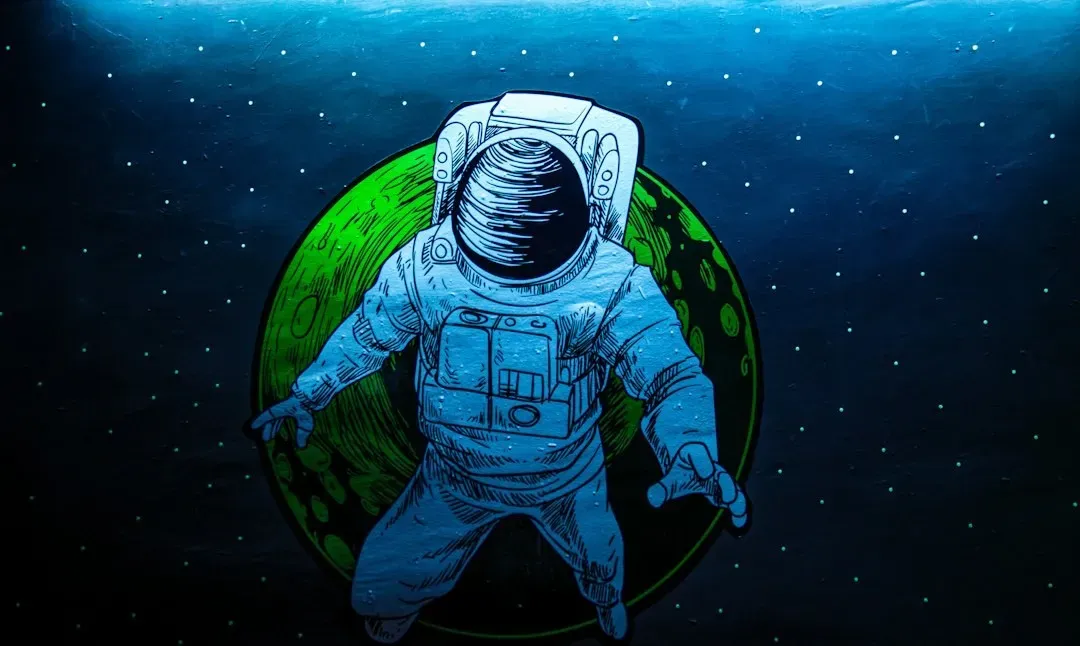
Stanley Kubrick’s epic split reviewers on release. Some called it slow and cold, and a few prominent critics were openly unimpressed by its lack of conventional storytelling.
Audiences, especially younger ones, kept it in theaters, and critical opinion shifted over the following decades. It placed sixth in the 2022 Sight and Sound critics’ poll, one of the most closely watched rankings in film.
The Big Lebowski (1998)
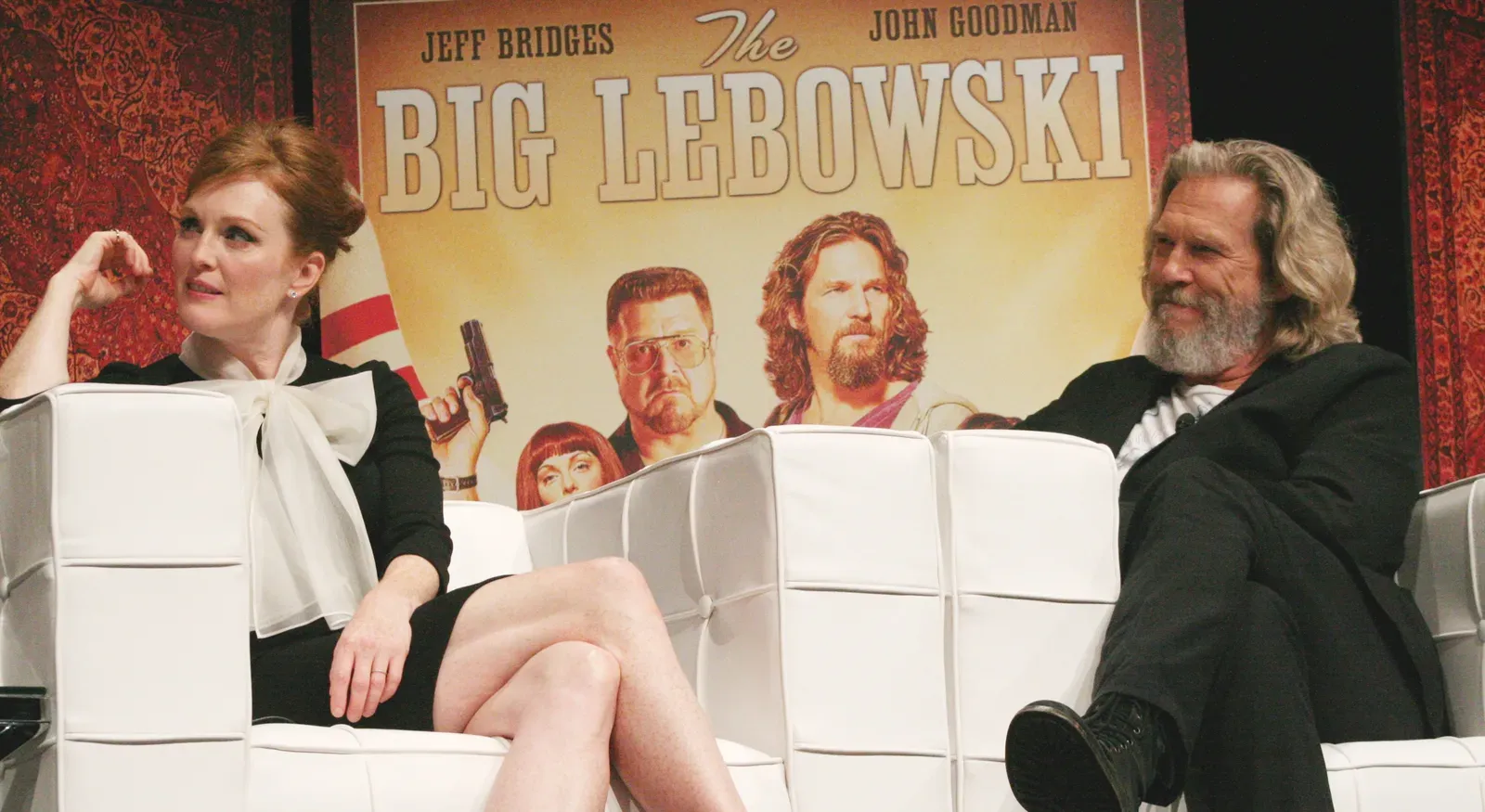
The Coen brothers followed the success of Fargo with a shaggy detective comedy that critics received with mixed feelings. It also made only a modest sum at the box office.
Cult screenings, quotable dialogue, and the annual Lebowski Fest gave it a second life. In 2014 the Library of Congress selected it for preservation in the National Film Registry, a notable endorsement for a film once seen as a minor effort.
The Thing (1982)
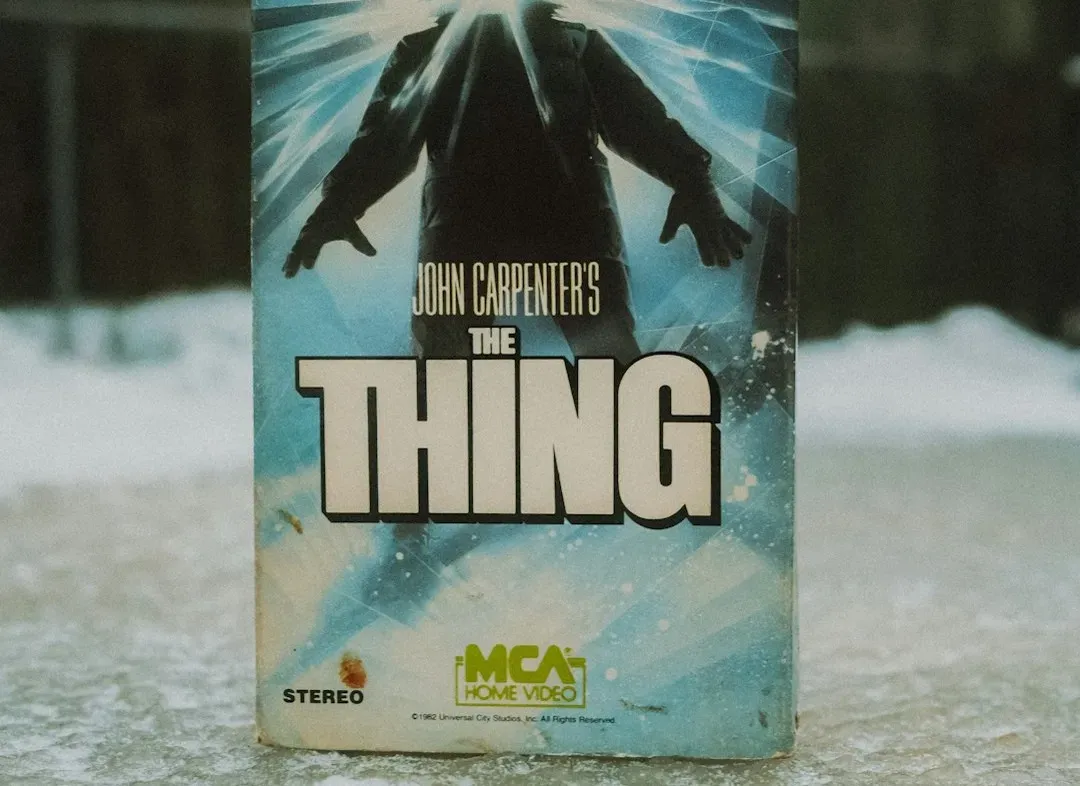
John Carpenter’s creature feature arrived two weeks after E.T. and a wave of gentler science fiction. Many critics attacked its graphic effects and bleak tone, and it did poorly at the box office.
Later viewers praised Rob Bottin’s practical effects and the film’s paranoid tension. It now appears frequently on best horror and best science fiction rankings, and filmmakers often cite it as an influence.
Partner offer
Planning a trip to Vegas?
Compare hotel rates and show tickets on VEGAS.com.