Something big is happening inside the Clark County School District, and it is shaking classrooms, staff rooms, and parent group chats all across Las Vegas. Thousands of educators, counselors, and support workers are suddenly facing the reality that their current position may not exist at their current school come fall 2026. It’s a staffing shakeup that few saw coming, and the full picture is both complicated and deeply human.
This is not just a dry budget story. Real teachers are getting notices, real schools are reorganizing, and real students may feel the effects. So let’s dive in.
The Numbers That Shocked Everyone

The Clark County School District announced this week that nearly 1,200 employees could be surplused for the next school year due to rising costs and declining student enrollment numbers. Honestly, the number alone hit hard. Think about it: 1,200 people facing uncertainty about where, or even whether, they’ll be working next year.
According to a memo sent to CCSD staff, roughly 682 licensed employees, 500 support professionals, and 64 administrators could be surplused next school year. That means teachers, school counselors, custodians, bus drivers, security guards, and principals are all caught up in the same wave. Nobody in the building is entirely untouched by this.
What “Surplused” Actually Means
The “surplus” designation is a standard administrative process outlined in contracts with employee associations. It simply means an employee is currently unassigned from a specific school’s budget for the upcoming year. In plain terms, it does not necessarily mean you are fired. It means the school you currently work at can no longer afford to put your name on its budget for next year.
District officials confirmed that no employees are losing their positions in the current 2025-2026 school year. The changes kick in starting fall 2026. That said, the uncertainty alone is already creating stress and anxiety for staff members who have spent years, sometimes decades, building roots at a single campus.
Which Schools Are Affected

The Clark County School District will have about $50 million less to fund schools for the 2026-27 school year, with 284 schools seeing budget reductions next school year. Enrollment fell at more than 201 of those schools this year. When you picture 284 schools losing money, you start to grasp the sheer scale of what is happening across the Las Vegas Valley.
The fifth-largest school district in the nation announced that more than 1,200 workers will be impacted by $50 million in budget cuts after a projected decline in enrollment, with the cuts impacting 284 schools across the Clark County School District. It is like a slow-moving tide, rolling in school by school, and very few campuses are completely dry.
The Enrollment Slide That Started It All
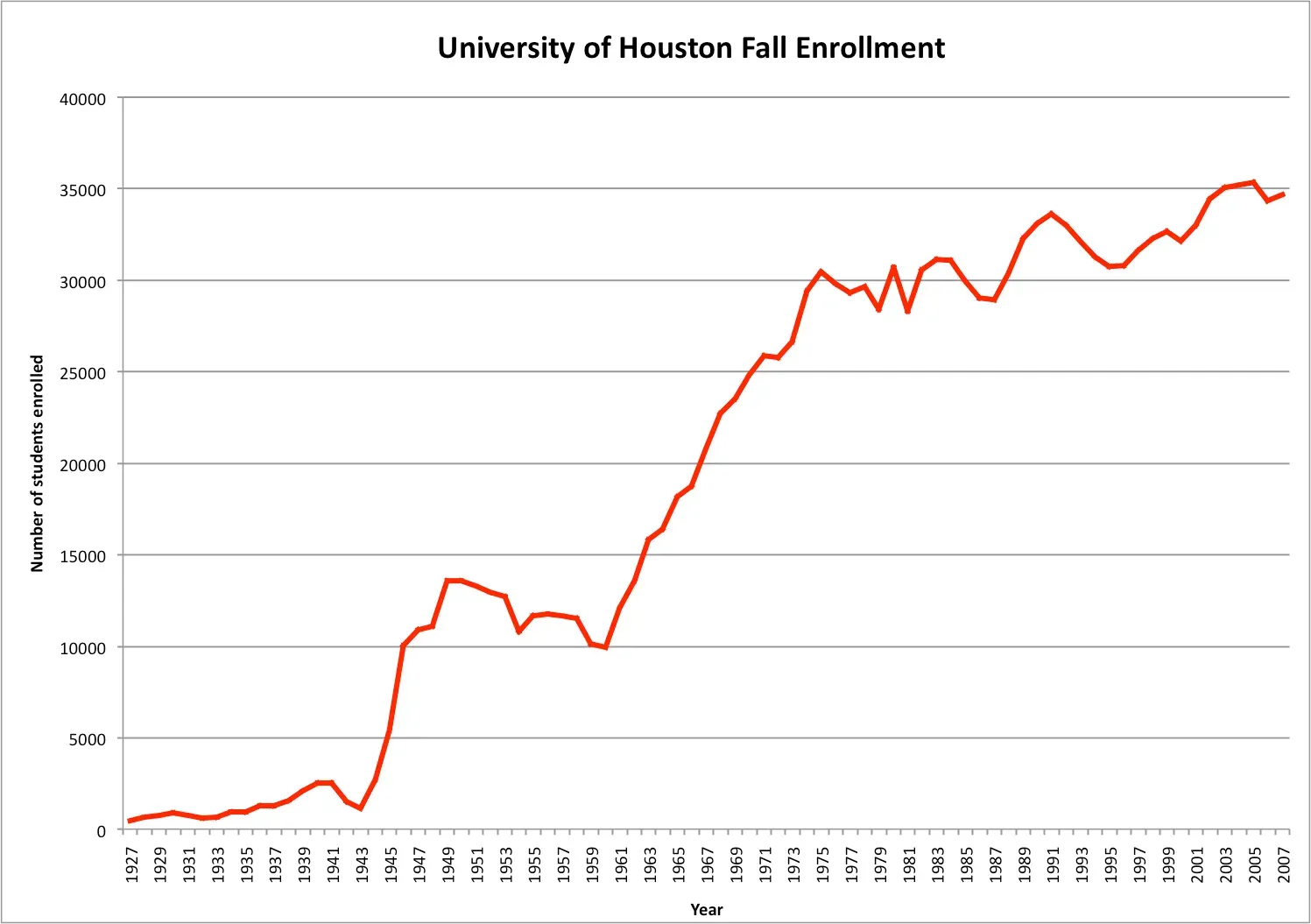
CCSD has seen enrollment decline for eight consecutive years, with a drop of more than 9,000 students recorded in September and another 5,000 expected by fall 2026. Eight consecutive years of decline. That is not a blip or a pandemic anomaly. That is a structural trend, and the district is now being forced to reckon with it in a very real, very visible way.
Enrollment has dropped by more than 43,000 students since the 2018-19 school year, and the school district has seen funding shrink to match the decline. Both birth rates and total births in Clark County have trended downward since the mid-2000s, with over 30,000 babies born in Clark County in 2007 compared with just over 24,000 in 2024. Fewer babies born means fewer kindergartners a few years later, which means fewer students in every grade above that. The math is relentless.
Why Declining Enrollment Hits the Budget So Hard
Because Nevada funds schools on a per-pupil basis, fewer students means less state revenue for the district. State per-pupil funding increased by $2 this year and is set to rise $70 next year, well below what the district says it needs to cover costs that have climbed significantly in recent years. A $70-per-student increase sounds like something, until you realize that teacher salaries and operational costs have risen dramatically in the same period.
Average total teacher compensation has increased significantly, with teachers set to receive average total compensation of $129,350 next school year including benefits, up from $105,609 in the 2023-24 school year. Here’s the thing: raising teacher pay was the right call to attract and retain talent. However, when student numbers drop and state funding barely budges, those salary gains squeeze the budget from the other direction.
The Factors Driving Families Away From CCSD

Administrators have attributed the enrollment loss to declining birth rates, slower migration to Las Vegas amid economic uncertainty, and growing competition from charter schools, private schools, and homeschooling. It is a multi-front challenge that no single policy can easily fix. Families are making choices, and the district has to respond to those decisions whether it likes it or not.
The teachers union directed its frustration toward what it described as the root cause: families choosing charter schools, private schools, and homeschooling over CCSD because of poor student outcomes. That is a tough pill to swallow, but the union is not wrong to name it plainly. Competition for students is real, and it has a direct financial consequence.
The Hiring Freeze and What It Means for Outsiders

To help ensure positions are available for current employees, the school district implemented a temporary hiring freeze on outside employees. In other words, if you are a new teaching graduate hoping to land a CCSD job for fall 2026, the line just got a lot longer. Current surplus employees get priority access to open roles before any outsider can apply.
CCSD officials have also implemented a hiring freeze to prioritize employees currently in the surplus process. It is a logical and fair approach, but it also means the reshuffling of staff could look very different from what families and school communities are used to. Your child’s school may see a wave of unfamiliar faces arrive next August.
Seniority Rules the Process

John Vellardita, executive director of the Clark County Education Association, explained the process surplused employees will go through to find new positions within the district: “If they are licensed for a position that is open in a school and they have the seniority, they then are placed there. If there are two people competing for the same one and they are both licensed to be say that third-grade teacher, they will go by district seniority.” It’s a system built on experience and tenure, not performance ratings or relationships. Newer teachers feel the squeeze most.
One surplused teacher, Christina Radosevich, says she has been at Thurman White Academy of the Performing Arts for eight years, and even then is being cut because she has the least seniority in her department. Eight years at one school, knowing the students, the culture, the hallways, and still being moved. It’s a reminder that even loyalty has limits when the budget math turns against you.
Why the Union Says Don’t Panic

District data shows that the number of employees identified for surplus is significantly lower than historical attrition rates. In the 2024-2025 school year alone, CCSD saw over 3,300 separations, primarily through routine retirements and resignations. That context is genuinely reassuring. If over 3,300 positions opened up last year through natural turnover alone, absorbing 1,200 surplus employees into that flow is at least plausible.
Surplus placement events are scheduled to begin April 15, with a second day anticipated. At these events, employees tagged as surplus have priority access to select from a list of vacant positions at other schools across the district. Think of it like a staffing job fair happening inside the district itself. Employees get to walk in, see what is available, and try to secure a landing spot before the next school year begins.
What Happened When CCSD Did This Before

Last fall, CCSD laid off 37 support staff after initially identifying 140 as surplus. The number of employees who ultimately lost jobs came down after surplus workers either took new positions for which they were qualified or resigned. So the precedent from just a few months ago is telling. Of the 140 initially flagged, only 37 ended up actually losing a job. That is roughly one in four, not all of them.
Of the 146 surplus licensed employees in a prior process, 136 selected a new position, four resigned, and six were “unable to select a position.” I think that track record matters. It does not mean every one of the current 1,200 will find a soft landing, but it does suggest the worst-case scenario is not inevitable for the majority. The district has navigated this before, just never at this scale.
What This Means for Students and Communities

Parents and employees remain concerned about the impact the cuts will have at the school level. “We know our class sizes are already big. We don’t have the space to absorb another three, four, five students.” That fear about class sizes is not abstract. It is one of the most practical, everyday consequences of this budget squeeze, and it lands directly on kids.
Currently, about 24,500 CCSD students are enrolled in 12th grade, while CCSD is serving about 17,600 new kindergartners. That gap between the oldest and youngest students tells a story all by itself. The pipeline is shrinking, and unless something changes in birth rates, migration patterns, or families’ school choices, the district will likely be managing surplus situations again in future years. The 2026 staff shakeup may not be the last of its kind.
What do you think: should districts prioritize protecting existing staff, or should budget pressure create room for new talent to step in? Tell us in the comments.