There are roads that feel dangerous. Then there is US-95 in Nevada. A highway that stretches through nothing but scalding sand, empty sky, and long, hypnotic straightaways that can lull even experienced drivers into a false sense of control. Millions use it every year, most without a second thought. Some never make it home.
This is not a scare piece. It is a fact piece. The stretch of US-95 cutting through Nevada’s desert landscape, particularly from the Las Vegas valley northward through Nye County and into the remote Amargosa Desert toward Beatty, has developed a documented, undeniable reputation for death. The numbers are real. The crashes are real. Let’s take a hard look at exactly why.
Nevada is Already One of America’s Deadliest States for Drivers
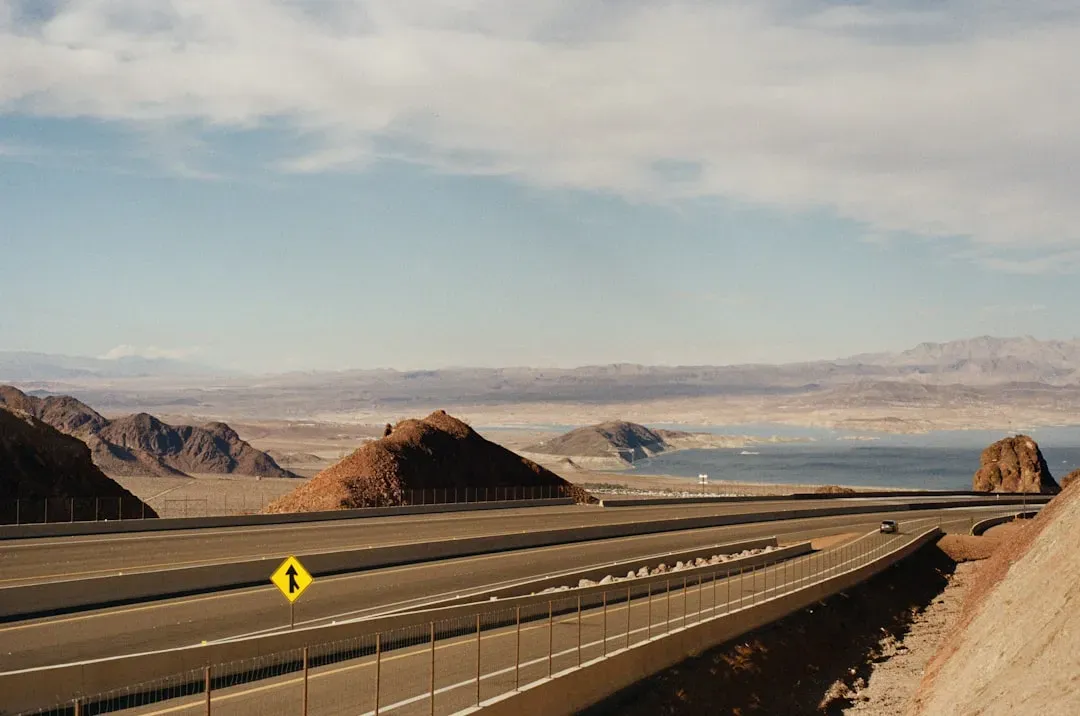
Before we even talk about US-95 specifically, let’s be real about the broader picture. Nevada ranks among the most dangerous states for road travel, placing sixth nationwide in traffic fatalities. A 2024 study titled “Addressing America’s Traffic Safety Crisis,” conducted by TRIP, a national transportation research nonprofit, found that Nevada recorded approximately 1.5 deaths for every 100 million vehicle miles traveled, a rate that significantly exceeds the national average of 1 fatality per 100 million miles.
Nevada’s public safety office reported 412 fatalities in 2024 alone, with 293 of those coming from Clark County. The top contributing factors cited by the office were impairment and speeding. Between 2014 and 2024, traffic fatalities in the Silver State increased by a staggering 45%. That is not a glitch. That is a trend, and US-95 sits right in the middle of it.
The Highway Itself: A 646-Mile Corridor Through the Void

US Route 95 is a major US highway traversing the state of Nevada from north to south, directly through Las Vegas. At 646.71 miles, it is the longest highway in Nevada. That sheer length matters more than people realize. The more of it you drive without a break, the more danger accumulates quietly around you.
US-95 advances north through the desolate Amargosa Desert to Beatty, a gateway to Death Valley National Park. The majority of motorists using US-95 through western Nevada travel from Las Vegas to Reno without stopping at the handful of small towns along the way. Think about that for a moment. No stops. No services. No margin for error. Just desert.
Wrong-Way Drivers: A Terrifying and Recurring Nightmare
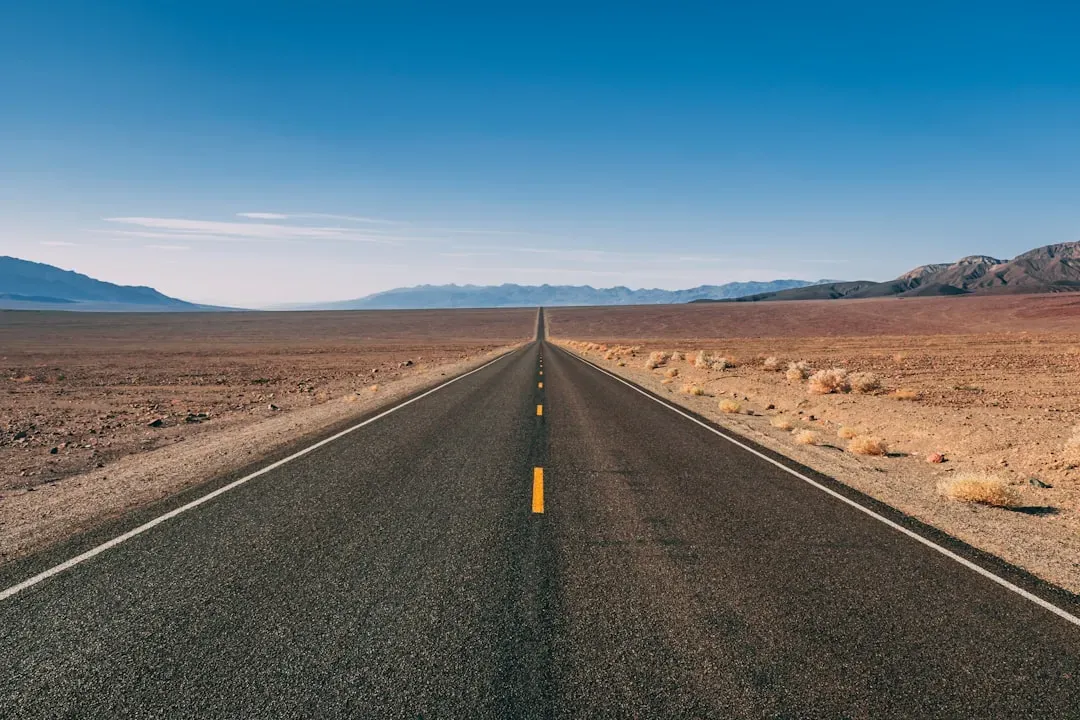
Honestly, few things are more terrifying than a wrong-way driver materializing out of the darkness at highway speed. On US-95, this is not a rare freak occurrence. It is a documented pattern. A wrong-way driver lost his life following a crash along US-95 at Nye County mile marker 41, approximately 85 miles northwest of Las Vegas. According to police, the driver was traveling southbound in the northbound lane when the vehicle crashed.
A Nevada prison officer was airlifted to a hospital following a crash involving a wrong-way driver on US-95 at mile marker 101. The victim was identified as correctional Lt. Jonathan Rivera, who was driving to High Desert State Prison for work. These are not reckless thrill-seekers. These are everyday people, on everyday commutes, caught in the wrong place at the wrong time.
In one particularly devastating wrong-way crash on US-95, 50-year-old Antonia Apton died, as did 63-year-old Karen Foote. A three-year-old child, Jaya Brooks from Las Vegas, also died in a third car involved in the collision. A toddler. Gone. On a road that millions treat as unremarkable.
Impairment and Speeding: The Two Killers That Never Take a Day Off
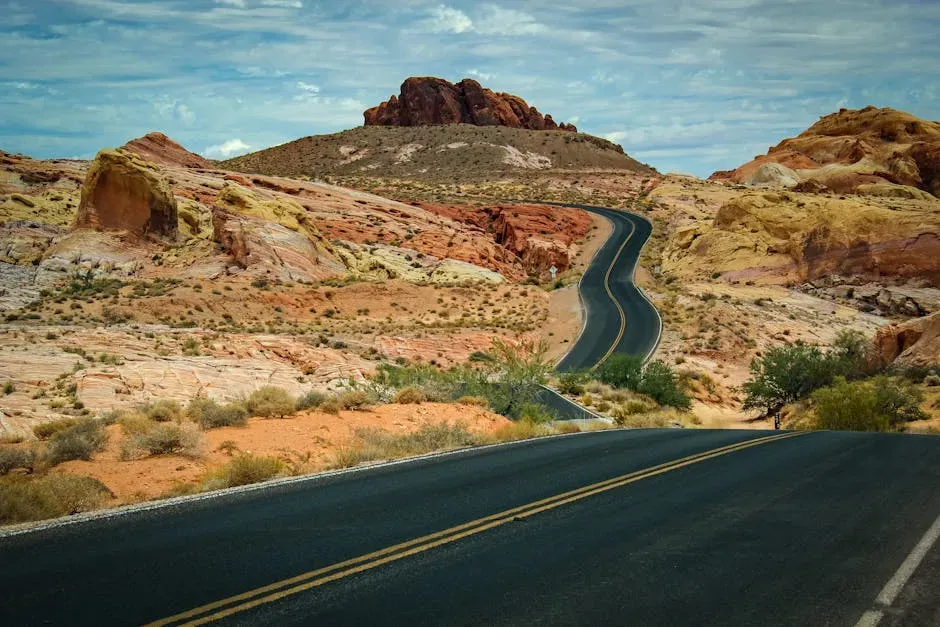
Every single report, every single data source, points to the same two culprits time and again. The contributing factor for many of Nevada’s traffic fatalities was impairment and speeding. The Office of Traffic Safety confirmed these were the top contributing factors across the state. On a desolate stretch of highway like US-95 between Las Vegas and Beatty, those two factors are practically supercharged.
Data from NHTSA indicates the number of people killed in police-reported alcohol-involved crashes increased 22% from 2019 to 2023. When drivers leave Las Vegas in an impaired state and point their vehicles northwest on US-95, they enter a stretch with minimal exits, minimal lighting, and virtually no margin for the kind of mistakes that alcohol and speed invite. The risk of an accident rises as the speed of a vehicle increases because the more acceleration a car has, the less time its driver has to react. Speeding amplifies the forces at impact, leading to higher rates of catastrophic or fatal injuries.
The Spaghetti Bowl: Where US-95 and Chaos Intersect
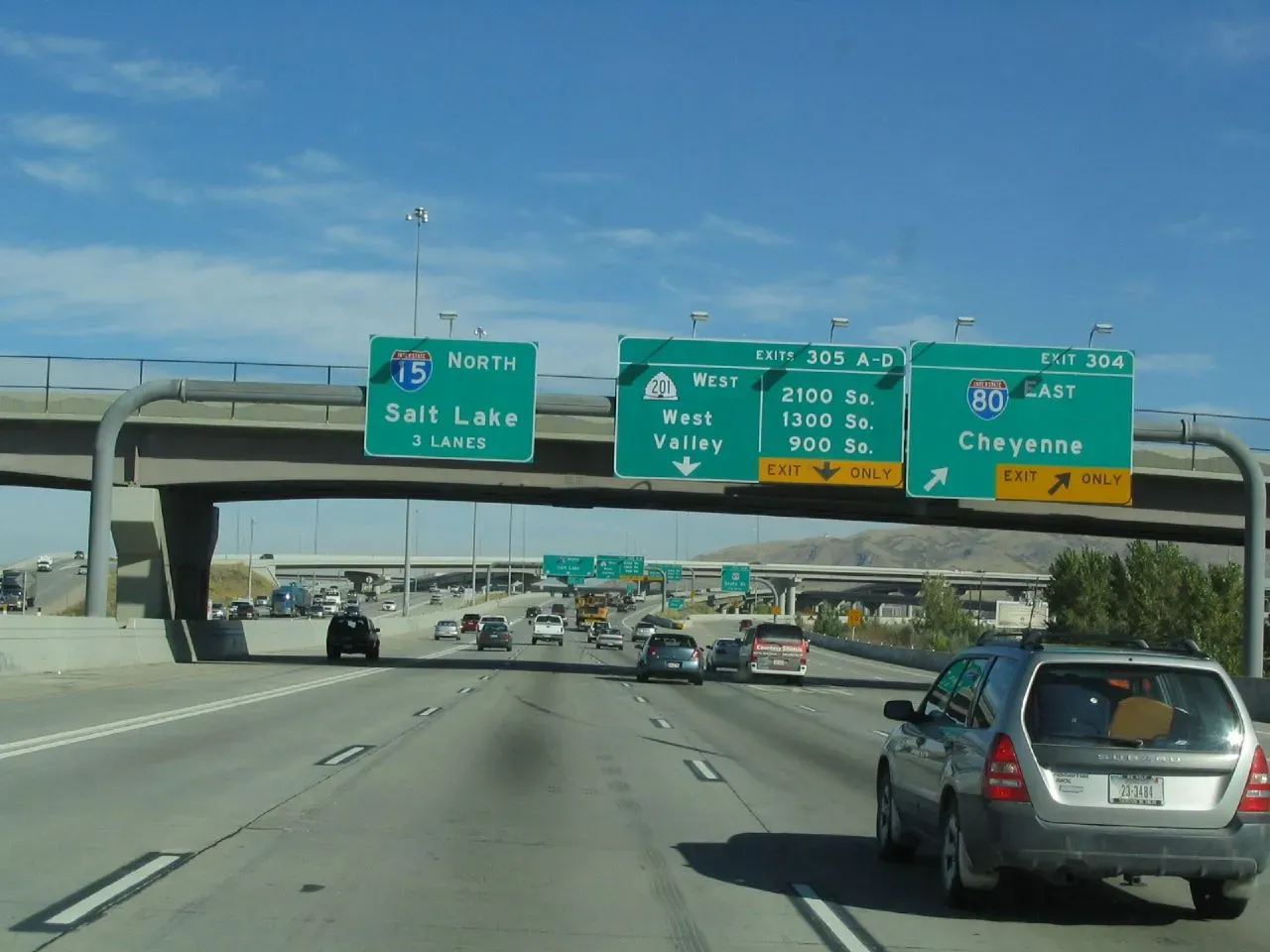
The first danger zone many drivers encounter is right at the edge of Las Vegas itself. Between 2015 and 2017, the I-15/US-95 interchange, famously known as the Spaghetti Bowl, experienced a staggering 2,286 crashes resulting in injuries and six fatal accidents. Think of that like a funnel. Everyone coming from Las Vegas and merging onto US-95 passes through this bottleneck. The chaos of the city doesn’t stay in the city.
Nevada’s roads can present significant hazards to drivers due to factors like heavy traffic, complex interchanges, and extreme weather conditions. Understanding the risks associated with these roadways is essential for ensuring safe travel across the state. The Spaghetti Bowl is confusing even to locals, yet thousands of tourists and first-time visitors attempt to navigate it every single day. That is a recipe that regularly produces the worst outcomes.
The Amargosa Stretch: Where the Desert Becomes the Danger
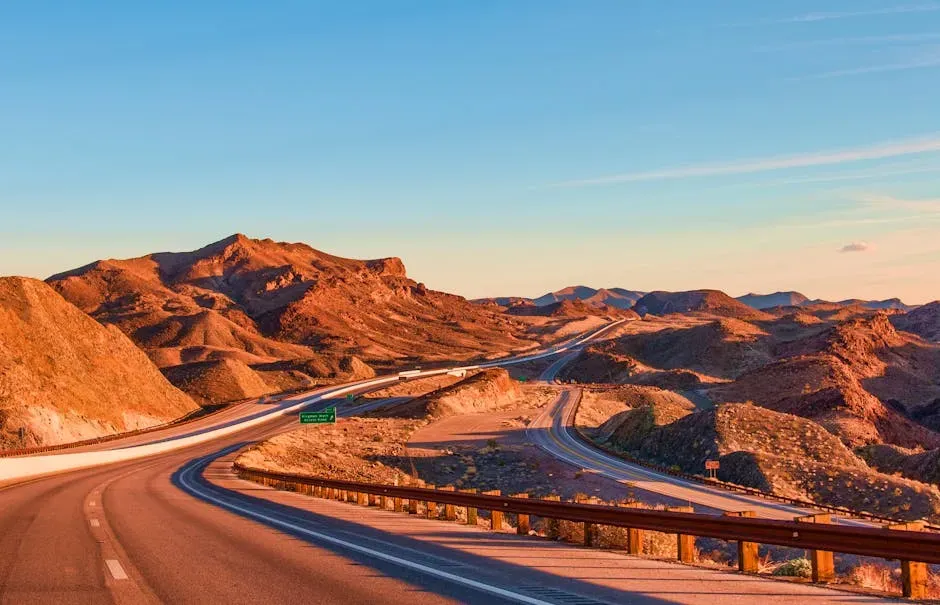
If your route takes you through remote areas like Highway 95 between Las Vegas and Reno, you need to identify specific towns with services and their operating hours. That is not dramatic overstatement. It is practical survival advice. Between Indian Springs and Beatty, services are sparse and the landscape becomes genuinely punishing.
One fatal crash on this remote stretch was reported at 2:19 a.m., approximately 19 miles south of Beatty and 85 miles north of Las Vegas. One individual was pronounced deceased at the scene. The isolation of that location is the thing that stays with you. If something goes wrong out there, you are a long way from anywhere. Nevada’s climate can be extreme, with intense heat in the desert areas. These conditions can deteriorate road quality and affect a driver’s ability to control their vehicle.
Extreme Heat: The Invisible Co-Pilot Nobody Invited
People underestimate what desert heat does to both a vehicle and a driver. Summer temperatures regularly soar above 110 degrees Fahrenheit in southern regions of Nevada. Think of driving through a gigantic oven with your foot on the accelerator. Summer temperatures regularly exceed 110°F, causing vehicle stress and tire blowouts. A tire blowout at highway speed on an empty stretch of US-95 is not a minor inconvenience. It is a potential rollover.
Desert heat can significantly increase tire pressure while driving, potentially leading to blowouts. Drivers should start with properly inflated tires and check them regularly, preferably when they are cold. Tire pressure can fluctuate by 1 to 2 PSI for every 10-degree change in temperature. The American Red Cross has urged Southern Nevada drivers to update their car emergency kits as unprecedented heat events bring extreme temperatures and increased risks on the road. If the Red Cross is issuing urgent warnings, drivers should probably be listening.
No Signal, No Help: The Problem of Remote Road Emergencies
Here is the thing that makes US-95’s remote stretch uniquely terrifying. It is not just that crashes happen. It is what happens after they happen. Cell phone coverage maps often overstate coverage in rural areas, meaning drivers should not rely exclusively on phone navigation or emergency calls. Out on the Amargosa stretch of US-95, there are long sections where your phone is essentially a brick with a camera.
Navigation tools are crucial in areas with limited cell service. Drivers should bring physical maps or download offline maps for their route. A GPS device that does not rely on cellular data can be invaluable in remote areas. Comparable stretches of Nevada desert highway share the same grim statistical reality regarding emergency response: studies have revealed that remote Nevada highways rank among the worst in the United States for emergency medical service response times, with median wait times stretching to concerning lengths. In a medical emergency, every minute counts, and on US-95’s desert corridor, minutes turn into many.
Driver Fatigue: The Silent Crash That Builds Over Miles
I think driver fatigue is one of the most underreported hazards on US-95, precisely because it is invisible until the moment it is catastrophic. The highway’s monotony is its own weapon. The majority of motorists using US-95 through western Nevada travel from Las Vegas to Reno without stopping at the handful of small towns along the way. That is hundreds of miles of identical flat desert, baking heat, and hypnotic white lines.
The monotonous scenery along remote Nevada desert highways can lead to driver fatigue and distraction. There is genuine research behind this. Long, unchanging roads suppress alertness in ways that busy roads simply do not. Timing your drives strategically can significantly enhance safety and comfort, especially during summer. The best times to drive during hot months are early morning before 10 a.m. and evening after 6 p.m., when temperatures are more moderate and glare from the sun is less intense. Driving the US-95 desert corridor in the blazing midday heat is not just uncomfortable. It is genuinely riskier than most people realize.
The Cost Nobody Talks About: The Financial and Human Toll
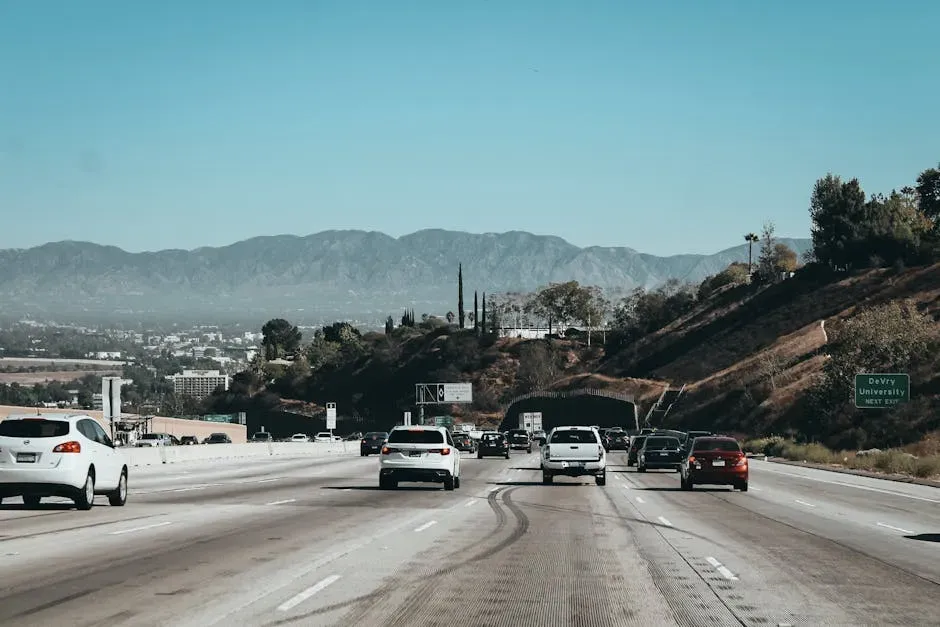
The wreckage of dangerous driving on Nevada’s highways, including US-95, extends far beyond the crash scene itself. Based on NHTSA’s traffic crash cost methodology, TRIP estimates that fatal and serious traffic crashes in Nevada in 2024 caused a total of $18.1 billion in the value of societal harm, including $4.5 billion in economic costs and $13.6 billion in quality-of-life costs. That is an almost incomprehensible number for a single state in a single year.
In Nevada, traffic fatalities fell 9.29% in 2025 to 381, down from 420 in 2024, with Clark County seeing a 19% decline to 239 deaths. There is some cautious reason to hope. Still, nearly 400 people still lost their lives on Nevada roads in 2025. Three people died after a fiery crash on US Highway 95 in Esmeralda County. The crash happened near mile marker 13 in Esmeralda County. Three people, in one crash, in one of the most isolated stretches of desert in America. That is the reality of what this road can do.
US-95 through Nevada’s desert is not inherently evil. It is a road. But it is a road that combines isolation, extreme heat, high speed, impaired drivers, wrong-way incidents, poor cell coverage, and driver fatigue into a single, unforgiving corridor. The data is not abstract. The crashes are not rare accidents. They are the predictable result of what happens when drivers treat this stretch like any ordinary highway. What would you change about your next drive through the Nevada desert, knowing what you know now? Tell us in the comments.