There is something quietly humbling about realizing that some of the greatest stories ever told were written in languages most Americans will never speak. Novels from France, Russia, Italy, Spain, Germany, and beyond have shaped world literature, psychology, philosophy, and even how we think about being human. Yet, we live in a globalized world, but what we read in America is almost entirely homegrown, and we rarely question why so few imports feature on talk shows or become blockbuster successes.
That gap is worth closing. The following thirteen European novels are not dusty museum pieces. They are alive, urgent, and relevant in ways that still surprise readers in 2026. Let’s dive in.
1. Crime and Punishment by Fyodor Dostoevsky (Russia, 1866)
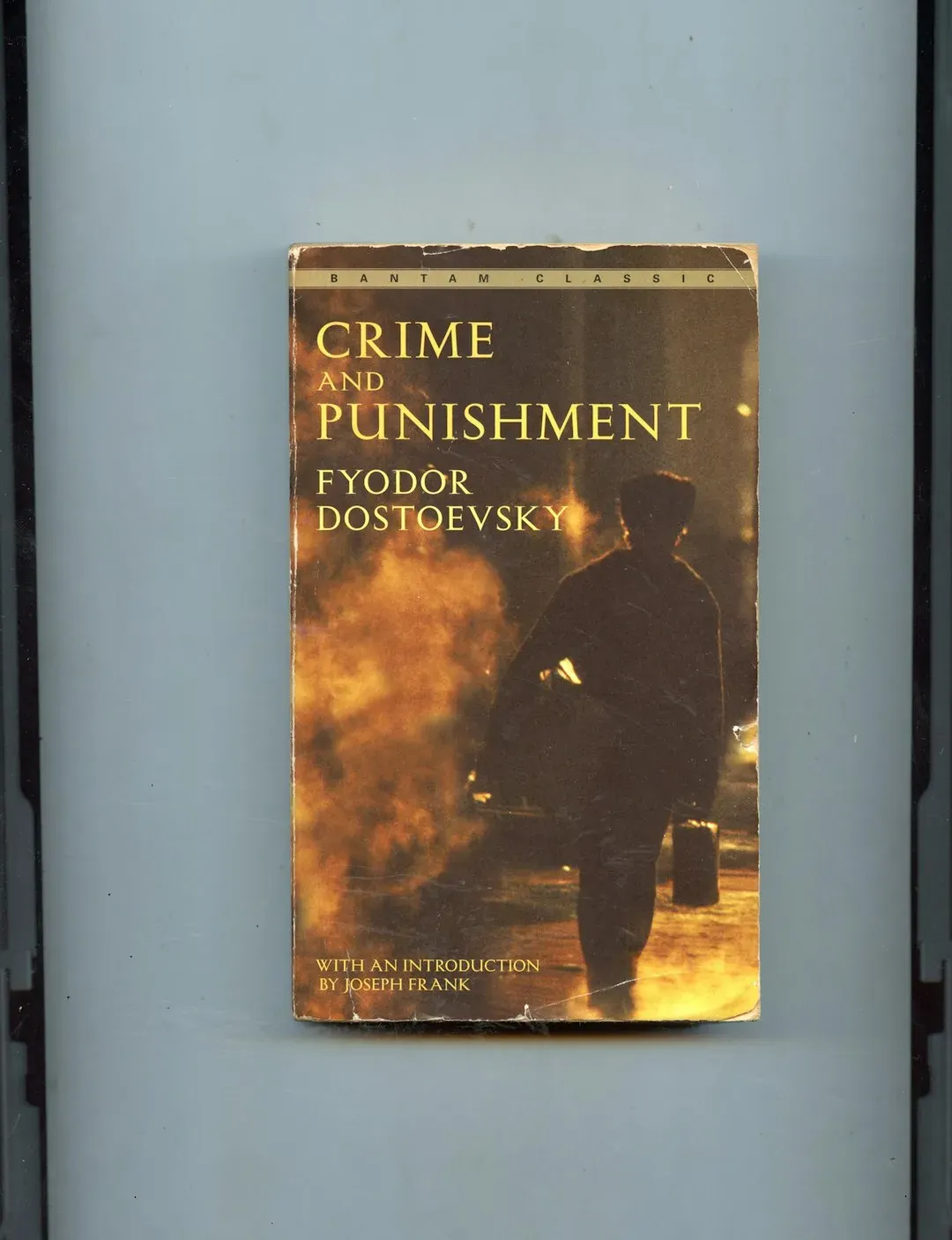
Here’s the thing about Dostoevsky: he gets under your skin in a way no American thriller ever could. Crime and Punishment is considered the first great novel of his mature period of writing and is often cited as one of the greatest works of world literature. It follows the mental anguish and moral dilemmas of Rodion Raskolnikov, an impoverished former law student in Saint Petersburg who plans to kill an unscrupulous pawnbroker.
The real focus of the novel is not on crime or its legal aftermath, but on an in-depth exploration of the psychology of a criminal. The inner world of Raskolnikov, with all of its doubts, deliria, second-guessing, fear, and despair, is the heart of the story. It reads less like a novel and more like a fever dream you cannot put down.
Sigmund Freud ranked Dostoevsky second only to William Shakespeare as a creative writer, while Friedrich Nietzsche called him “the only psychologist from whom I had something to learn.” That kind of endorsement does not come along every century.
2. Don Quixote by Miguel de Cervantes (Spain, 1605 and 1615)
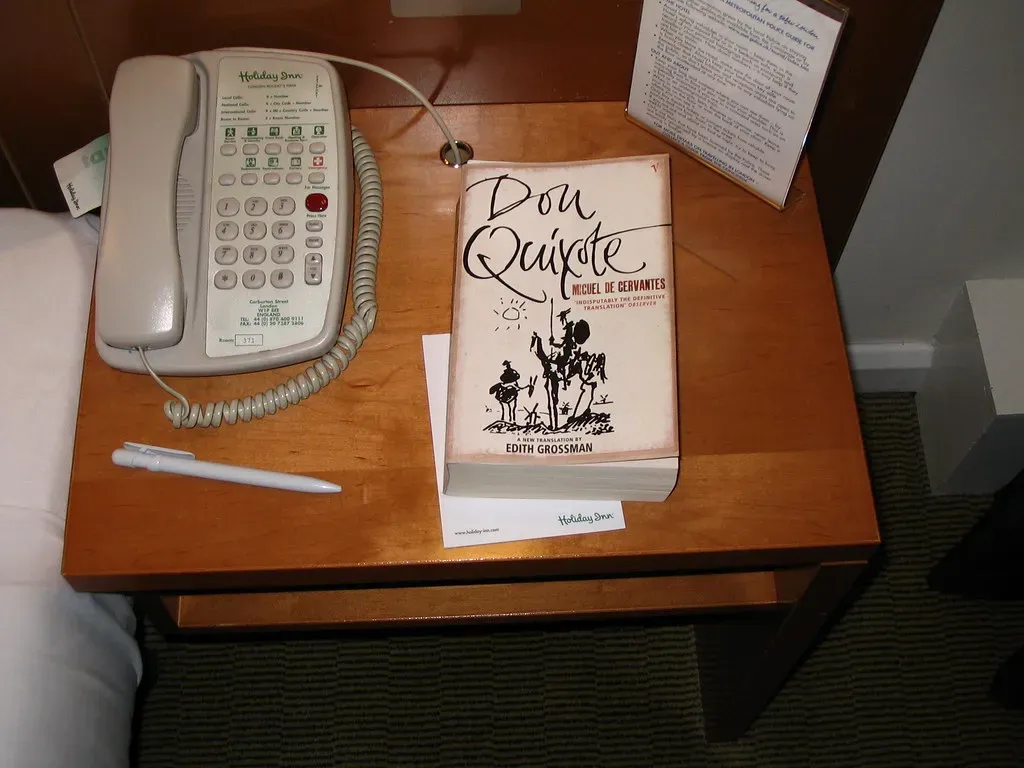
If you’ve never read Don Quixote, you’ve still felt its influence. Don Quixote is a widely lauded novel published in two parts, one in 1605 and the second in 1615, and excitement for it started almost immediately after publishing. The first English translation appeared in 1612, before part two was even out. This book is often credited with creating the modern novel, and it’s mandatory reading for anyone interested in literature, no matter what language they speak.
Written by Miguel Cervantes, it is one of the most beloved Spanish novels and has been translated into over 145 languages all over the world. The novel follows Don Quijote, a man who takes up arms as a knight-errant in search of glory and justice, and along the way faces many foes and adventures, aided by his sidekick Sancho Panza. Think of it as a road-trip novel from 1605, except the road is made of delusion and the car is a broken-down horse.
I think it is genuinely one of the funniest books ever written, which surprises nearly everyone who finally sits down to read it.
3. War and Peace by Leo Tolstoy (Russia, 1869)
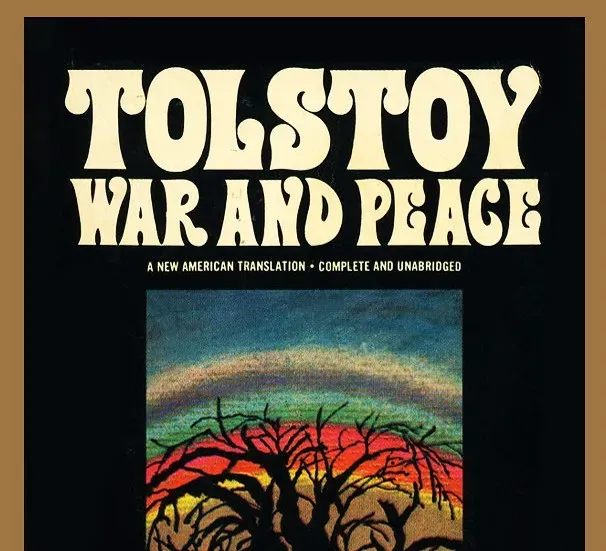
Yes, it is long. Honest answer: it is worth every single page. Leo Tolstoy published War and Peace as his sweeping take on the Napoleonic wars, the behavior of upper-class Russians, and the nature of history itself. Few novels dare to be this ambitious and actually succeed.
For many serious readers, War and Peace is simply the greatest novel ever written, one so rich it rewards multiple readings in different translations. Its cast of characters is enormous, its settings ranging from glittering ballrooms to frozen battlefields, yet somehow each character feels as intimate as a person you have known your whole life.
Tolstoy was not just a novelist. He was a philosopher, a moralist, and an architect of human consciousness on the page. If Don Quixote invented the modern novel, War and Peace perfected it.
4. My Brilliant Friend by Elena Ferrante (Italy, 2011)

Few literary phenomena of the past two decades have been as electric as the arrival of Elena Ferrante in the English-speaking world. My Brilliant Friend tracks the intense and complicated friendship between Elena and Lila in a working-class Naples neighborhood, and Ferrante’s nuanced portrayal of friendship, ambition, and class stratification challenges conventional literary representations of women’s interior lives.
The series that begins with My Brilliant Friend has sold more than 5.5 million copies in 42 countries, with more than two million copies sold in the United States. That is not just popularity. That is a cultural earthquake. Time magazine called Ferrante one of the 100 most influential people in 2016, and Ferrante has kept her identity secret since her 1992 debut, stating that anonymity is key to her writing process.
The books thrillingly unmask the consciousness and social situation of these women, tracing the complex bonds and political struggles of several generations of families in twentieth-century Naples, leaving readers longing for even more first-rate writers to map the many underwritten aspects of the female experience.
5. The Trial by Franz Kafka (Austria/Czech Republic, 1925)
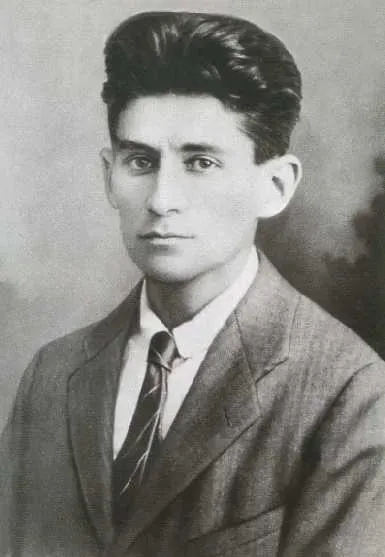
Kafka did not just write a novel. He invented an adjective. When something feels absurdly bureaucratic, inexplicably menacing, and coldly indifferent to human dignity, we now call it “Kafkaesque.” Franz Kafka called Dostoevsky his “blood-relative” and was heavily influenced by his works, particularly The Brothers Karamazov and Crime and Punishment, both of which profoundly influenced The Trial.
The novel follows Josef K., a bank clerk arrested one morning without being told what he has done wrong. What follows is a nightmarish journey through a court system that is never quite visible, never quite rational, and never quite possible to escape. It is one of the most accurate depictions of bureaucratic terror ever committed to paper, and in 2026, it feels more relevant than ever.
Kafka never finished the book. He died of tuberculosis in 1924 and asked his friend Max Brod to burn his manuscripts. Brod did not. The world owes Max Brod something enormous.
6. Madame Bovary by Gustave Flaubert (France, 1857)

Madame Bovary is the novel that essentially invented psychological realism in fiction. Emma Bovary is a woman trapped in a provincial marriage, drunk on romantic novels, chasing a life she was never allowed to have. Flaubert made her a fool and a victim simultaneously, and literary readers have been arguing about her ever since.
Ferrante’s nuanced portrayals have catalyzed a reevaluation of feminist narrative structures within contemporary European literature, and Ferrante herself has spoken extensively about Flaubert’s influence on her own work. The novel was so controversial on publication in 1857 that Flaubert was put on trial for obscenity. He won, and Madame Bovary became a landmark text that changed the course of the novel forever.
It’s hard to say for sure, but Emma Bovary may be the most psychologically complex character in all of European fiction. Reading her is like watching someone you care about make every wrong decision in slow motion, and being completely powerless to stop it.
7. The Shadow of the Wind by Carlos Ruiz Zafón (Spain, 2001)
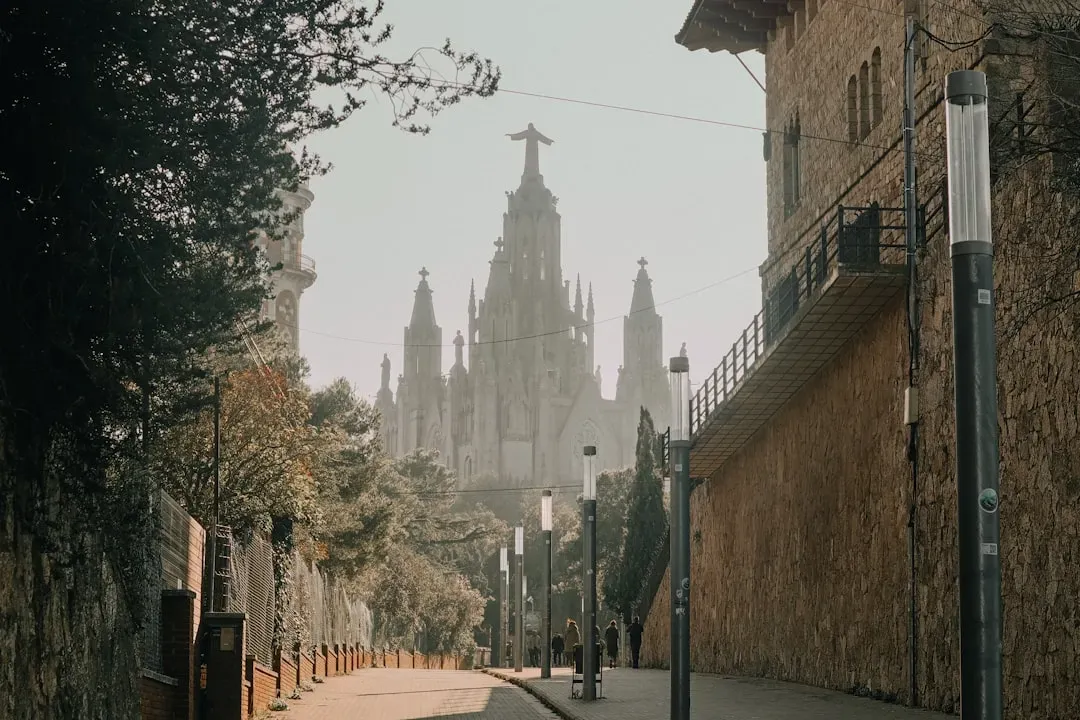
For readers who want the gothic atmosphere of nineteenth-century literature wrapped inside a genuinely unputdownable plot, this is the novel. A New York Times bestseller, The Shadow of the Wind is set in Barcelona in 1945, where a city slowly heals after the Spanish Civil War. Young Daniel, an antiquarian book dealer’s son, finds a mysterious book by one Julian Carax but soon discovers someone has been systematically destroying every copy of every book Carax has written. Daniel may have the last copy in existence, and his seemingly innocent quest opens a door into one of Barcelona’s darkest secrets, an epic story of murder, madness, and doomed love.
There is something deeply meta about a novel that is itself about the love of books. Zafón creates a Barcelona that feels as alive as a character, its cobblestones heavy with secrets, its shadows populated by ghosts who refuse to leave.
8. The Little Prince by Antoine de Saint-Exupéry (France, 1943)
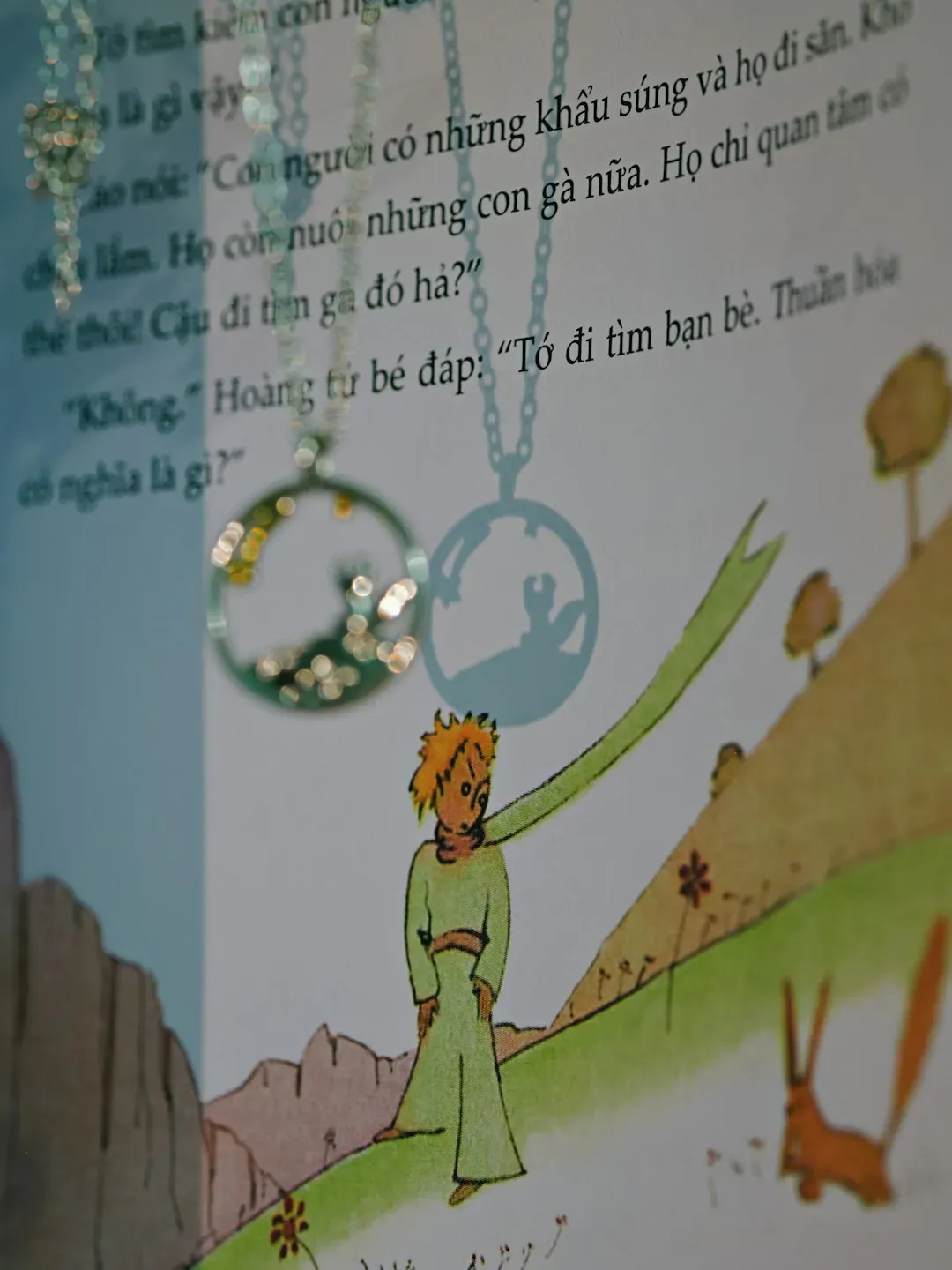
This one surprises people. Is it a children’s book? Technically yes. Is it one of the most philosophically rich pieces of European literature ever written? Absolutely. Next to the Bible, the most translated book in the world is The Little Prince by Antoine de Saint-Exupéry, with more than 382 translations. This beloved book was originally published in English and French in 1943, and its universal themes of friendship, love, and loss are among the reasons for its enduring popularity.
The story of the pilot who crashed his plane into the desert and runs into a little prince who travels the planets has now captivated several generations’ imaginations, and its simple art style, fantastic stories, and ruminations on human nature have made it the most-translated non-religious text in the world.
Americans often encounter this book as children and never return to it as adults. That is a mistake. Read it again at forty, and it will break your heart in ways it could not when you were ten.
9. In Search of Lost Time by Marcel Proust (France, 1913 to 1927)

Let’s be real: this is the most intimidating entry on this list. Proust’s seven-volume masterpiece is one of the longest novels ever written, and its famous opening, in which a bite of a madeleine cookie unlocks the narrator’s entire childhood, is now one of the most recognizable moments in all of literature. The idea that involuntary memory is deeper and more true than any deliberate act of remembering is genuinely revolutionary.
Proust was not writing about fancy French society for its own sake. He was writing about time, loss, art, jealousy, and the terrifying way the self changes while pretending to stay constant. These are not small subjects. The scale of the ambition is simply staggering, and no other novel in European literature has attempted anything quite like it before or since.
The good news is that you can read the first volume, Swann’s Way, entirely on its own. It is a complete, magnificent experience by itself. Think of it as the door into a cathedral.
10. Normal People by Sally Rooney (Ireland, 2018)

Sally Rooney has done something extremely rare. She has written a contemporary European literary novel that is genuinely impossible to stop reading. Normal People is set in modern-day Ireland, primarily focusing on the lives of two central characters, Connell and Marianne. The novel takes readers on an intimate journey through their complex relationship, tracing their connection from school years in the small Irish town of Carricklea to their experiences as university students in Dublin. Rooney’s narrative captures the shifting dynamics of social class, friendship, and love in contemporary Ireland.
Through its exploration of identity, vulnerability, and intimacy, Normal People provides a nuanced portrayal of the emotional landscape of its characters against the backdrop of a changing Ireland. What makes it distinctly European is that it carries the weight of class consciousness in a way American fiction rarely does. These characters are defined as much by where they come from as by who they are.
11. Flights by Olga Tokarczuk (Poland, 2007)

Tokarczuk is one of the most important living European writers, full stop. She won the Nobel Prize in Literature in 2018, and Flights is arguably her most internationally accessible work. Flights is a kaleidoscopic novel that spans various locations and timelines, offering a unique exploration of travel. The book’s settings range from contemporary cities to historical landmarks across the world, with a particular focus on Europe. Through interconnected stories and vignettes, Tokarczuk navigates airports, hotels, museums, and landscapes, and the novel’s meditative prose weaves together the physical and metaphysical dimensions of travel.
Tokarczuk thinks about the world differently from almost any other living writer. Her other novel, Drive Your Plow Over the Bones of the Dead, is equally astonishing. It succeeds as both a suspenseful murder mystery and a powerful and profound meditation on human existence and how a life fits into the world around it. Either book will make you a lifelong Tokarczuk devotee.
12. The End by Attila Bartis (Hungary, 2015, English translation 2023)

This is the most recent entry on the list, and perhaps the least known to American readers. That will change. The End by Attila Bartis, a Romanian-born Hungarian writer, won the EBRD Literature Prize in 2024, and was translated from the Hungarian by Judith Sollosy.
It is a portrait of the artist as a young man, a Künstlerroman by a writer who is also a photographer. Judges loved the innovative, engaging structure of the novel, having never come across anything quite like it. It is like a collage of vignettes or small chapters, a novel written in snapshots, freely associating and making connections between them. It reads the way memory actually works: fragmented, associative, and unexpectedly devastating.
In 2024, the EBRD Literature Prize was expanded to include North American publishers, making this kind of Central and Eastern European fiction more accessible to American readers than ever before. Bartis is a writer well worth discovering now, before the crowd arrives.
13. The Brothers Karamazov by Fyodor Dostoevsky (Russia, 1880)
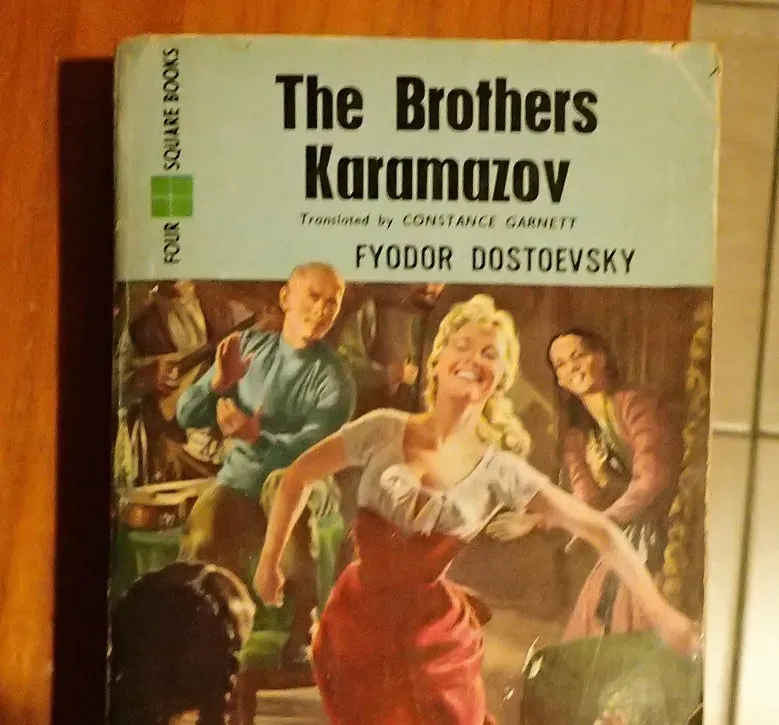
Dostoevsky returns to close this list, and rightly so. If Crime and Punishment is a sprint, The Brothers Karamazov is the marathon. It is his final and most complete novel, a sprawling meditation on faith, doubt, free will, family, and whether goodness is even possible in a universe that seems indifferent to human suffering.
Sigmund Freud called The Brothers Karamazov “the most magnificent novel ever written.” That is not a comment made lightly by Freud. Franz Kafka was heavily influenced by the work, and it profoundly shaped the writing of The Trial. The chain of influence this one book unleashed across the whole of twentieth-century literature is almost impossible to overstate.
Dostoevsky’s novels have shaped existentialism, psychoanalysis, and modern philosophy. His works transcend time and culture, offering profound insights into the complexities of human nature. They continue to resonate because they address universal questions about existence, morality, and the search for meaning. That is as good a case for reading as any ever made.
Why These 13 Books Matter for American Readers
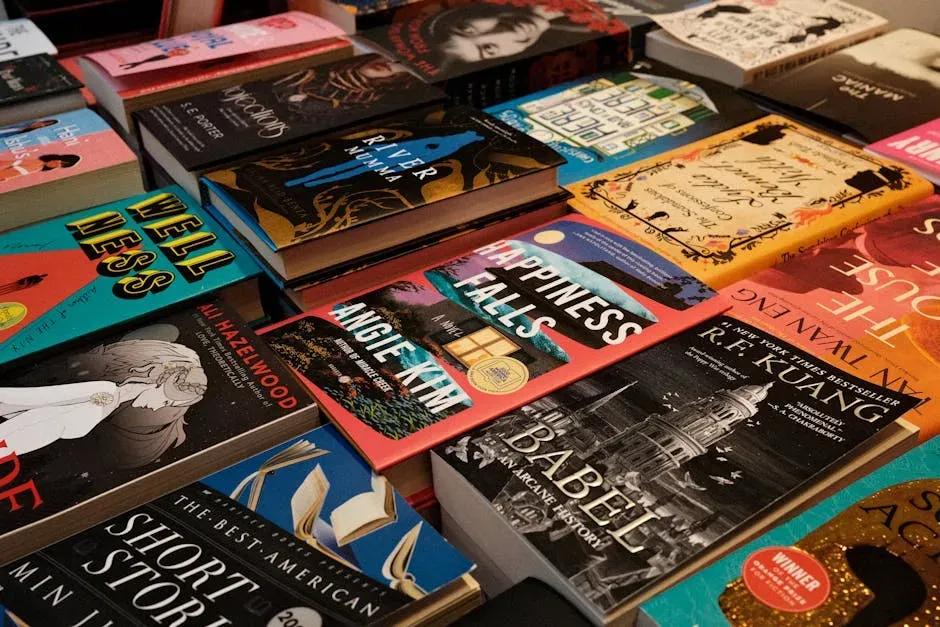
Ideas are borderless, and the stories we love can come from anywhere and delight people everywhere. We can only truly learn our place in the world by learning about the world, and literature in translation is a great way to meet our far-flung neighbors. The thirteen novels above are not a burden or a homework assignment. They are an invitation.
Each one of these books holds something that American literature, wonderful as it is, has not quite managed to replicate. The existential ferocity of Dostoevsky. The meticulous social architecture of Ferrante. The magical strangeness of Tokarczuk. The world’s most translated and widely read authors are overwhelmingly European, and the top lists of global translations are dominated by European writers, which says something profound about where the deepest currents of literary tradition flow.
Reading across languages and borders is one of the genuinely free acts left to us. What would you have guessed was the most life-changing European novel an American could read? The answer, it turns out, depends entirely on which one you pick up first.