There’s a particular kind of quiet that settles over a festival in the early afternoon. Vendors are stocked, schedules are posted, and everything runs on clock time. The event is organized, accessible, and perfectly manageable. Then midnight arrives, and something fundamental shifts. The barriers between strangers get thinner. The music hits harder. The lights mean more.
This isn’t coincidence or nostalgia. There are real psychological, cultural, and sensory reasons why the hours after midnight at a festival often outshine everything that came before. What follows is a closer look at exactly why that happens.
The Science Behind Why Music Sounds Different at Night
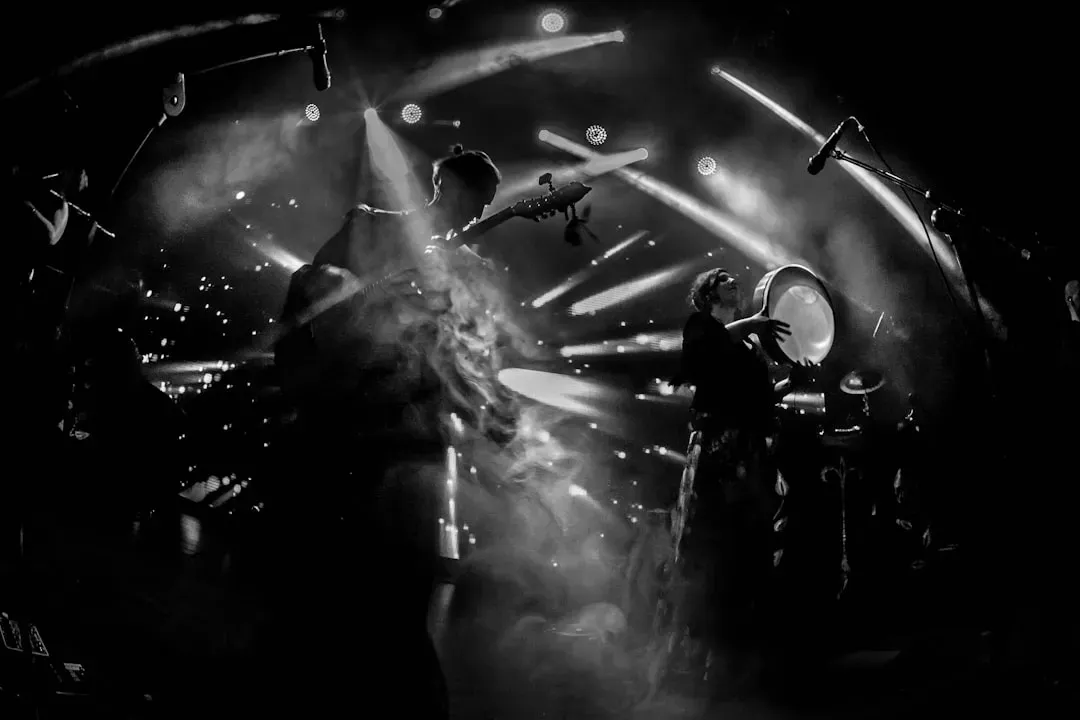
At night, our auditory perception sharpens, possibly due to the lack of distractions and a quieter environment. With fewer stimuli competing for our attention, we hear more detail in melodies, harmonies, and rhythms. This isn’t just a feeling people romanticize after the fact. It’s a measurable change in how the brain processes sound when the surrounding noise floor drops and attention narrows.
The music seems to surround you, amplified by the night air and the energy of the crowd. Research in the Journal of Experimental Psychology shows that music in unique environments leads to stronger emotional responses. At a festival, both conditions converge after midnight: the environment becomes genuinely unusual, and the crowd’s emotional temperature has had hours to build.
The Crowd Reaches Its Emotional Peak
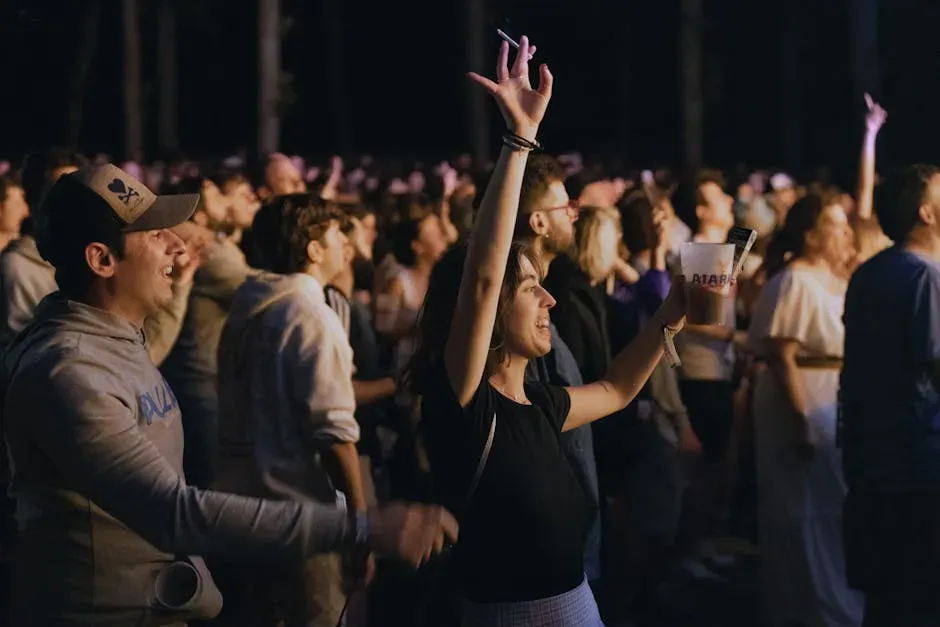
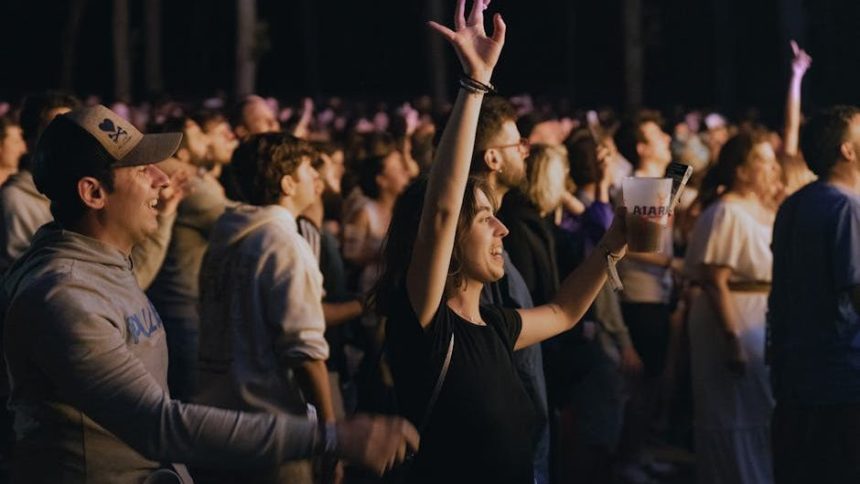
Collective effervescence can unify a group and create a sense of shared purpose, excitement and joy, with the intensity of the experience likely to be heightened in large crowds. This sociological concept, first described by Émile Durkheim, describes exactly what happens when a festival crowd moves from being thousands of individuals into something more unified and charged.
The social value of shared emotions is explained in theories of emotional synchrony and emotional contagion, in which shared positive emotions are intensified and can be unifying. Research suggests that live music events provide a potent catalyst for this phenomenon, and that social bonding, emotional contagion, and intensity of emotions are intricately and positively related. By midnight, a crowd has had hours to sync up emotionally, making the collective peak far more powerful than anything possible at 3 PM.
Headliners Are Deliberately Saved for Last
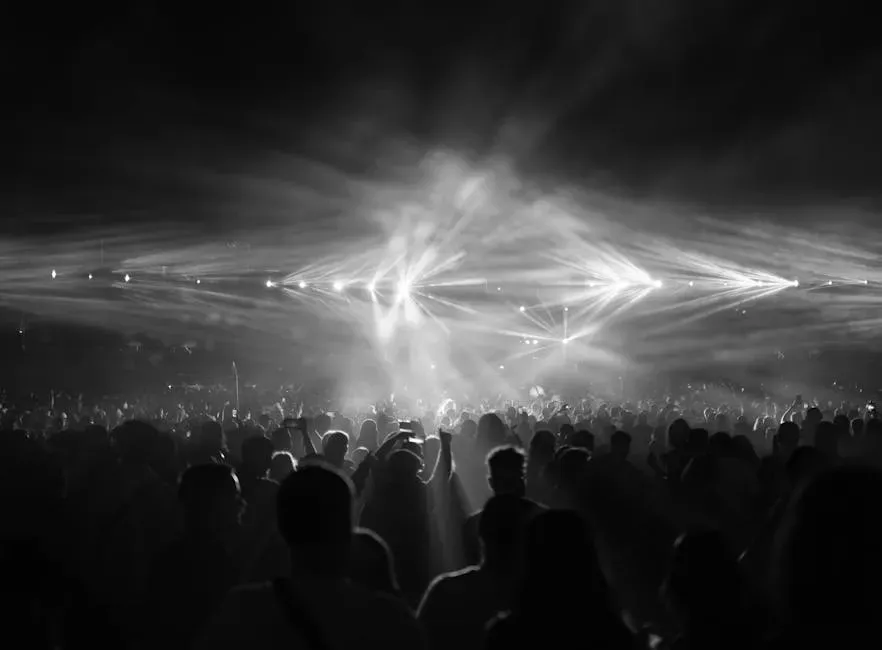
There’s a reason headliner slots are always in the late hours: that’s when the crowd is primed and ready. Major festivals like Coachella and Tomorrowland routinely save their most anticipated DJs for after midnight, knowing that the audience is at its most receptive. This isn’t tradition for tradition’s sake. It’s a calculated production decision rooted in crowd psychology and energy management.
The anticipation builds as the night goes on, with people saving their energy, waiting for that one big set. When the headliner finally takes the stage, the reaction is explosive. Setlists tend to be more daring and experimental late at night, pushing the boundaries in ways you don’t hear during daytime slots. At Coachella 2026, for example, main headliners typically performed from 10 PM to 1 AM on extended nights.
The Visual Production Becomes Fully Realized
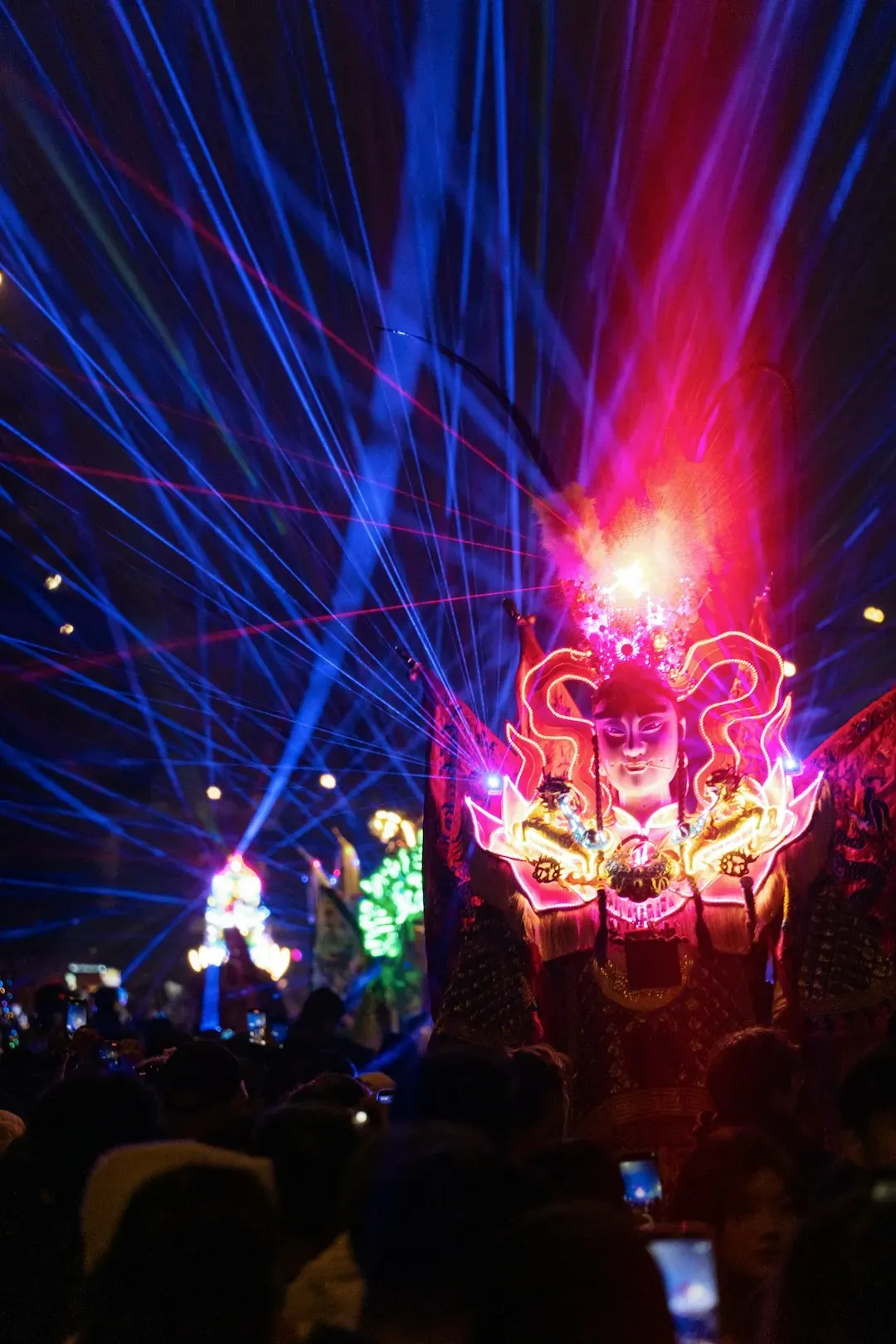
Great festival lighting doesn’t stop at the stage. It extends throughout the venue to immerse attendees in an all-encompassing experience. Ambient and decorative lighting around the site can transform communal areas, art installations, and natural features into enchanting nighttime attractions. None of this is visible while the sun is up. The entire visual language of a major festival is built for darkness.
Smart lighting has transitioned from a futuristic concept to a practical application in the event industry. Automated and programmable lighting systems allow designers to create lighting effects that adjust in real time to the mood, pacing, and tone of the event. This technology provides precise control over various elements such as intensity, color, and movement. Combined with drone light shows increasingly replacing traditional pyrotechnics, offering a highly programmable, fire-safe alternative, the post-midnight visual experience at major festivals has reached a level of craft that simply cannot be replicated in daylight.
The After-Hours Scene Runs on Discovery
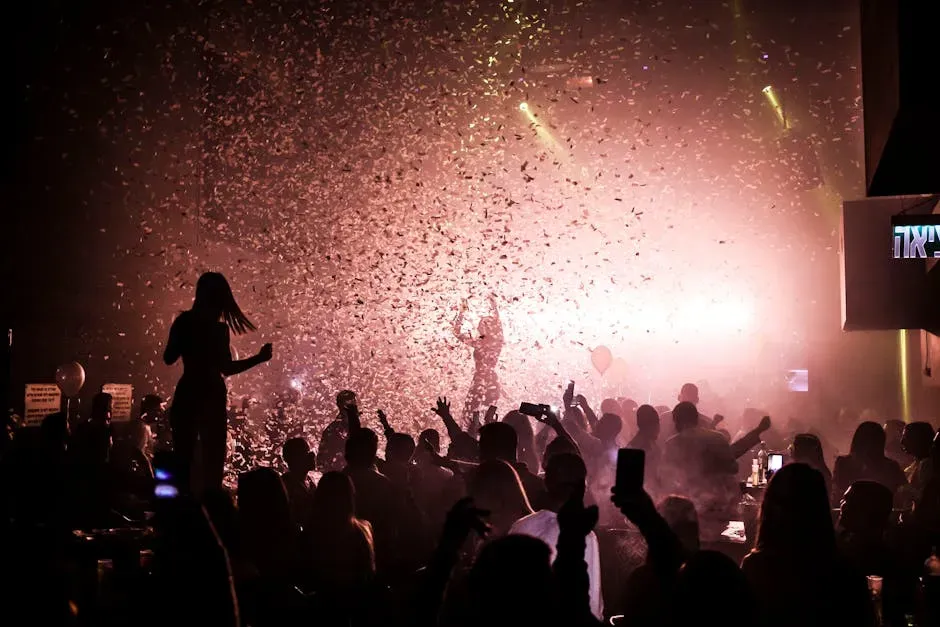
The thrill of stumbling upon a secret stage or hidden performance is what makes after-hours culture so exciting. Some of the best late-night sets aren’t advertised but are instead discovered through whispers and insider knowledge. This element of surprise is genuinely impossible to manufacture on a daytime schedule, where everything is printed in advance and broadcast on screens.
Partner offer
When the main stage lights dim and the headlining act exits, the real magic of a festival often begins. After-hours festival culture is where the most passionate music lovers, DJs, and performers gather for intimate, unforgettable experiences. From underground raves to secret DJ sets, these late-night parties define the soul of music festivals. Places like Electric Forest, whose enchanted woodland hides stages with unannounced sets, and Burning Man, where almost every camp offers its own underground party with legendary DJs spinning till dawn, have built entire identities around this principle.
The Crowd Itself Becomes the Main Attraction
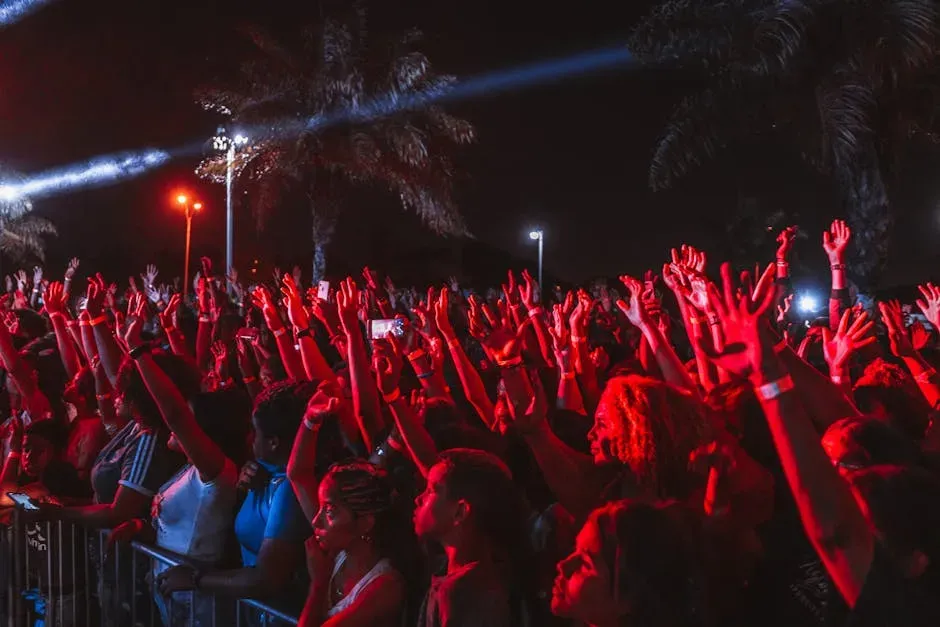
The nighttime is when the crowd can really reach maximum potential. Because all the vendors, speakers, and artists are all busy vending, speaking, and doing art during the day, the night is the time they have to enjoy the festival for themselves. This flattening of roles creates a genuinely different social environment. Hierarchies that exist during daylight hours dissolve when everyone is simply a person in the dark, dancing.
The commonality between everyone at the event, singing and dancing to the same song is a special feeling, almost indescribable at times because of the genuine connection felt among the crowd. These opportunities for positive socialization interactions are rare occurrences in our day-to-day lives, but at a festival they are frequent. That frequency intensifies well past midnight, when casual attendees have gone to sleep and those who remain have made a deliberate, shared choice to stay.
The Body’s Chemistry Works in Its Favor
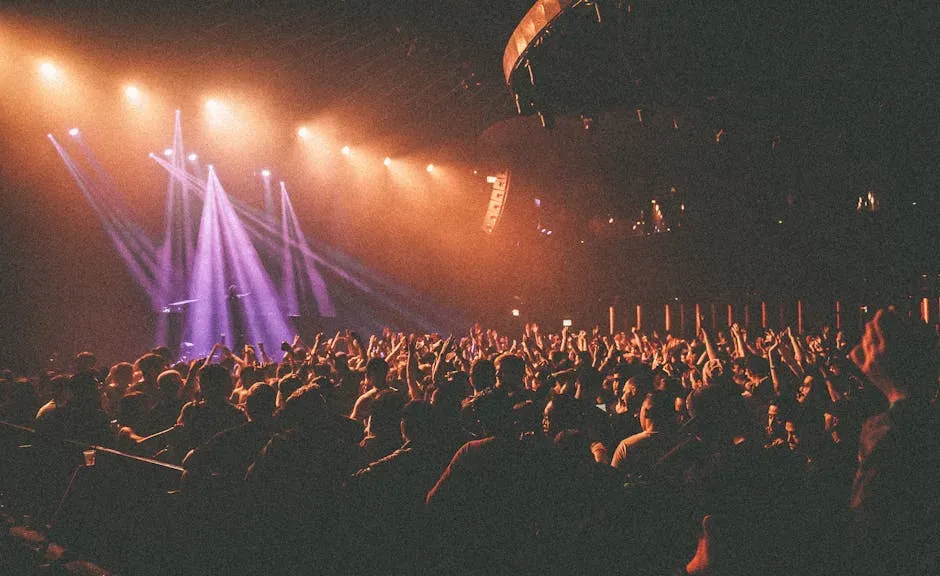
People attending concerts show increased levels of endorphins, which are hormones that can intensify positive emotions. The dancing, clapping, and poses people do at concerts can result in the neural transmission of dopamine, making us feel good. These effects don’t begin at the opening act. They accumulate over the course of an entire festival day, reaching their highest concentration precisely when the night is deepest.
Concerts aren’t just fun and entertaining but can actually activate neural pathways associated with rewards and pleasure. People attending concerts show increased levels of endorphins. The dancing, clapping, and poses people do can result in the neural transmission of dopamine, making us feel good. Singing out loud with others can release oxytocin, leading to increased satisfaction. After hours of shared movement and sound, a late-night crowd is, in a measurable sense, biochemically bonded.
The Night-Festival Tradition Has Deep Cultural Roots
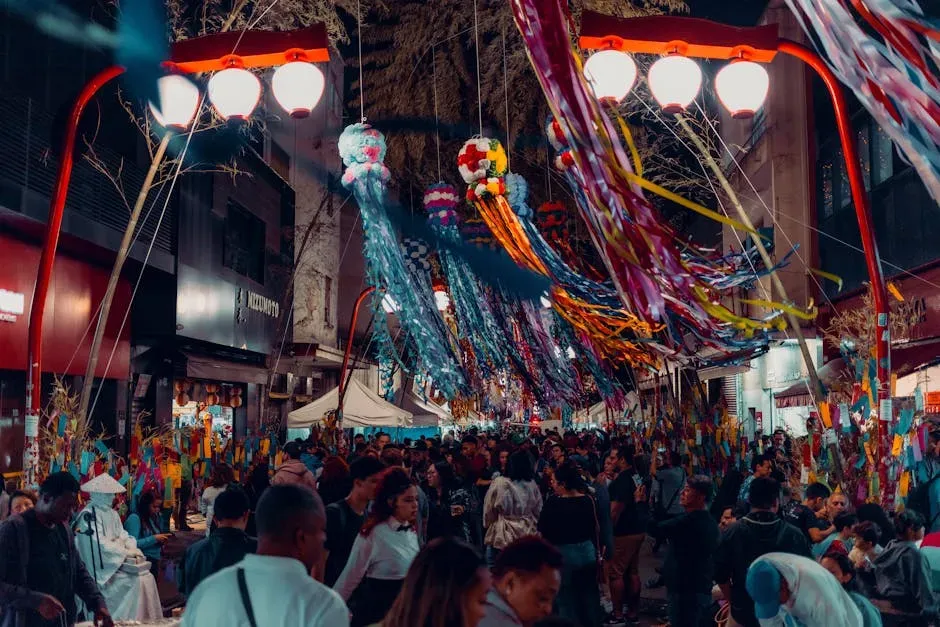
Nuit Blanche is an annual all-night or night-time arts festival of a city. It typically has museums, private and public art galleries, and other cultural institutions open and free of charge, with the centre of the city itself being turned into a de facto art gallery, providing space for art installations, performances, themed social gatherings, and other activities. The concept has spread globally because it taps into something genuinely cross-cultural: the night as a space for art, transgression, and community.
The idea of a night-time festival of the arts has spread around the world, with events in over 120 cities, including Montreal, Ottawa, Toronto, Edmonton, Calgary, Halifax, Winnipeg, and Saskatoon in Canada, and several European capitals which have chosen to pool their efforts as “Nuits Blanches Europe”. From Paris to Melbourne, the model keeps proving itself. Melbourne’s first White Night event in 2013 saw an estimated 300,000 people attend, exceeding initial estimates and constituting the largest event of its kind in Australia.
Memories Made After Midnight Tend to Last the Longest
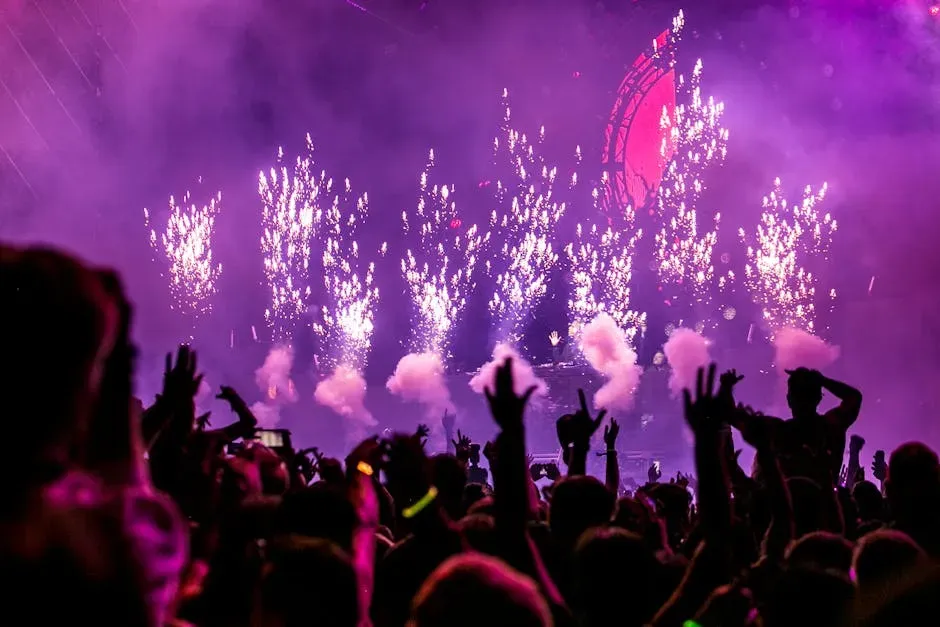
A group of music researchers found that an intense musical experience is a psychological resource used as a means for self-therapy. When participants recalled their musical experience, they used these positive outcomes as a catalyst for change. They remembered the positive feelings that accompanied their music journey, the memory of harmony with the crowd and themselves, all cumulated into a sense of self-confidence, enhanced awareness, and improved mood.
Ask anyone about their most unforgettable festival moment, and odds are it happened after midnight. The wildest, funniest, or most moving experiences tend to unfold when the rest of the world is asleep. According to Festicket, the vast majority of festivalgoers say their favorite memories are from the late-night hours. The brain encodes emotionally heightened experiences more deeply, which is part of why a three-minute late-night set can stay with someone for decades while an entire afternoon of music fades quietly away.
The Sunrise Set: A Festival’s Quiet Final Act
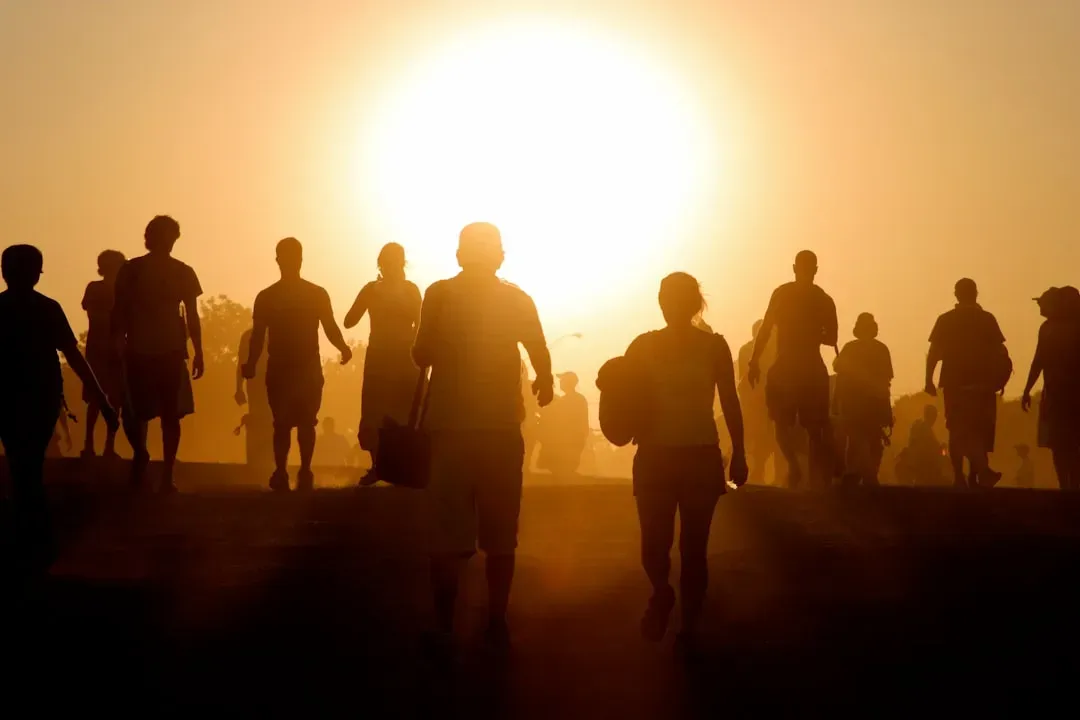
If you’re at a festival where there’s an opportunity to see a sunrise set, you should take it. Consider how few sunrises a person sees compared to the number of sunsets. A sunrise is something to be cherished, especially when you pair it with music and your best friends. A sunrise really only lasts an hour or two before the new day comes, and there isn’t a better example of natural mood lighting in the known universe.
When an artist can really capture the vibe of the sunrise through their music, it’s something special. The sunrise set is perhaps the most honest distillation of everything that makes late-night festival culture distinct. There’s no schedule pressure, no crowd management to navigate, no daytime logic to follow. There’s just the light slowly returning, the music still playing, and a group of people who chose to stay awake for all of it. That, more than any lineup or production budget, is what separates a festival from a concert.
Partner offer
Planning a trip to Vegas?
Compare hotel rates and show tickets on VEGAS.com.