There’s a particular kind of magic that happens in the first few seconds of a great song. Before a single lyric lands, before the chorus arrives, something in the sound grabs you by the collar and refuses to let go. It’s not accidental. The best intros are constructed with real intention, whether that’s a single guitar note, a rhythmic pulse, or a chord so unusual that musicologists are still debating it decades later.
Across every genre and era, certain openings have become cultural landmarks in their own right. They exist beyond the songs that follow them. Below are nine of the most gripping, most discussed, and most carefully built intros in recorded music history.
“Smells Like Teen Spirit” – Nirvana (1991)

Kurt Cobain changed the course of rock with just a few notes. Those opening chords of “Smells Like Teen Spirit” popularized the grunge movement and sent rock down an entirely different path, exploding with four distorted chords that defined an era of rebellion while balancing punk urgency with a radio-friendly pop structure. The guitar continues on its own until the tension is finally broken, with Krist Novoselic’s bass and Dave Grohl’s drums erupting in with authority.
Few intros capture the spirit of an entire musical movement as well as this one. The quiet-loud dynamic, with its muted power chords exploding into distorted fury, became a blueprint for the entire grunge era. With a Fender Mustang in hand, this supercharged riff inspires an anarchic sensation of fury and power, and has done so since the 1991 release of Nirvana’s megahit second album, Nevermind.
“Billie Jean” – Michael Jackson (1982)

The intro to “Billie Jean” is all about tension. The crisp kick drum, the tight snare, and that funky, rubbery bassline lock together in irresistible precision. Quincy Jones and Michael Jackson built the groove like a suspense film, lean, dark, and endlessly looping. It’s a hypnotic rhythm so distinctive that DJs could play just one second of that opening drum beat and instantly fill a dance floor.
The crisp drum beat and pulsating bass intro are instantly recognizable. This intro doesn’t just set the rhythm; it establishes the mood for Jackson’s tale of fame, paranoia, and denied paternity. The minimalism is timeless. It never tries too hard, because it doesn’t need to.
“Sweet Child O’ Mine” – Guns N’ Roses (1987)
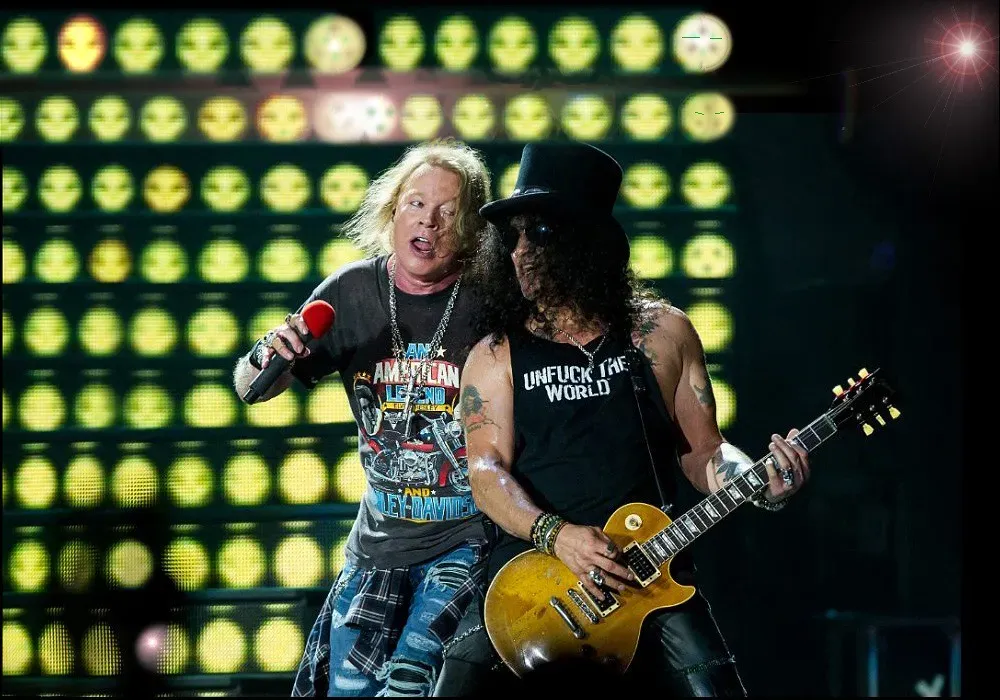
The moment Slash’s guitar kicks in on “Sweet Child O’ Mine,” listeners are transported to a different world. That iconic, sing-songy riff is so catchy that even people who aren’t rock fans can hum along. Released in 1987, the song’s intro is often considered one of the most recognizable in all of music.
London-born Slash delivered one of his most epic guitar intros on the track. During a rehearsal session, Slash said he was simply fooling around with a riff when singer Axl Rose cried out that it was amazing. A hit was born. Within an hour, what had started as a guitar exercise had become something else entirely.
“Seven Nation Army” – The White Stripes (2003)
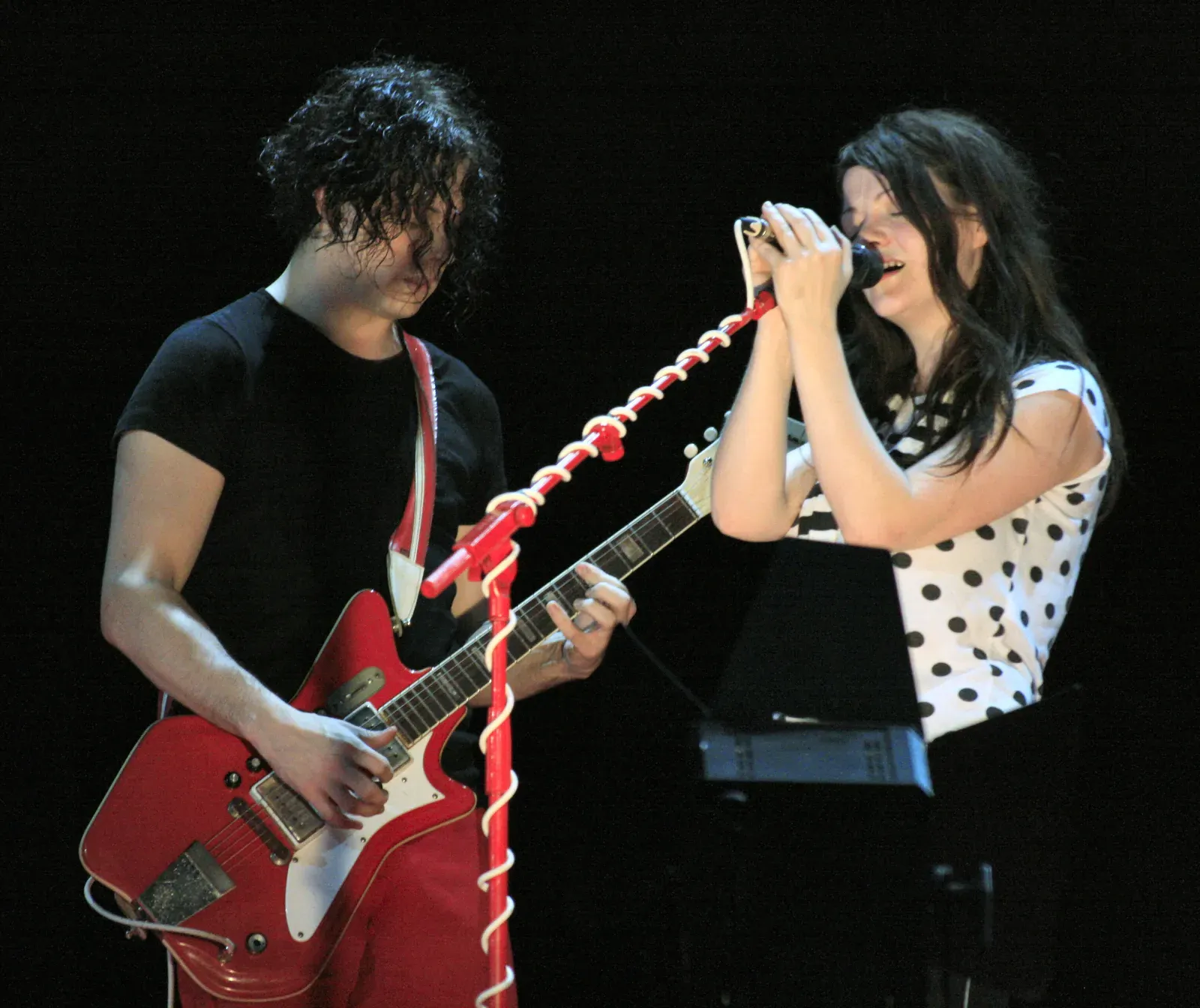
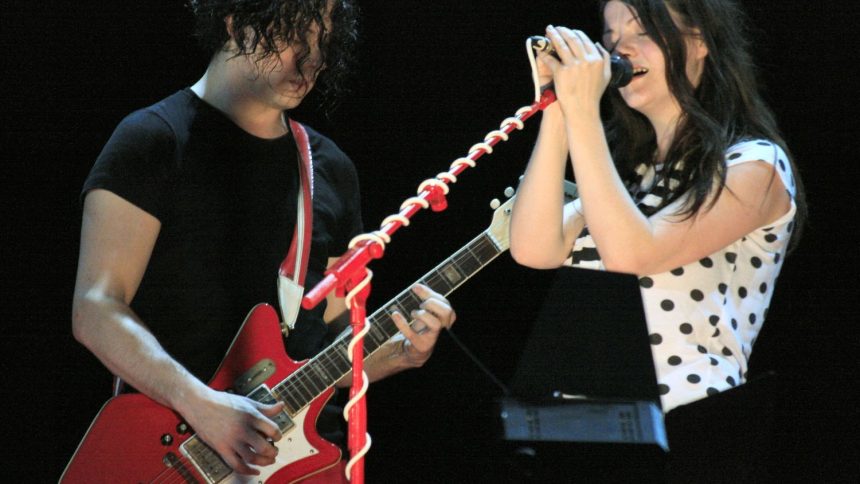
Jack White played the main riff on a semi-acoustic Kay hollow body guitar run through a DigiTech Whammy pedal set to shift the pitch down one octave, giving it the deep, growling quality that listeners often mistake for a bass. The White Stripes, famously, had no bassist at all – just White on guitar and Meg White on drums. Recorded in 2003 at Toe Rag Studios in London on vintage eight-track equipment, the production deliberately avoided modern recording techniques.
The riff itself is built on just seven notes descending in a hypnotic, march-like pattern in the key of E. What makes it so effective as an intro is its simplicity: a single melodic line with no chords, no harmonies, and no drums for the first several seconds. It’s so singable that it has been adopted as a stadium chant by football fans across Europe, often sung by tens of thousands of people who may never have heard the original recording.
“Smoke on the Water” – Deep Purple (1972)
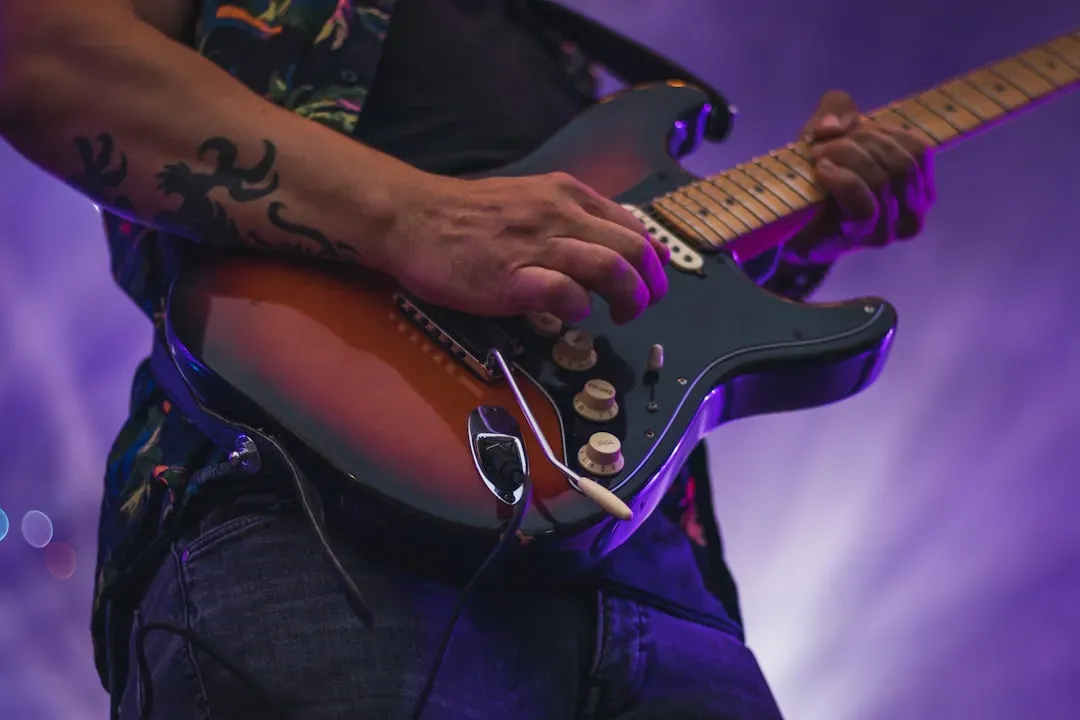
Deep Purple’s “Smoke on the Water” has enjoyed widespread popularity since 1972, when guitarist Ritchie Blackmore conjured what is possibly the world’s most famous guitar riff. A four-note blues scale melody in G minor, harmonized in parallel fourths, this classic was recorded on Blackmore’s famous 1968 black Stratocaster in Montreux, Switzerland, while Deep Purple was working on their seminal album, Machine Head.
The riff features one of the best basslines in rock music history, and the song is almost entirely known by this intro alone. It’s pretty much the first thing new guitarists attempt to master. Perhaps surprisingly, the four-note blues-scale melody is actually an inversion of Beethoven’s Fifth Symphony.
“A Hard Day’s Night” – The Beatles (1964)
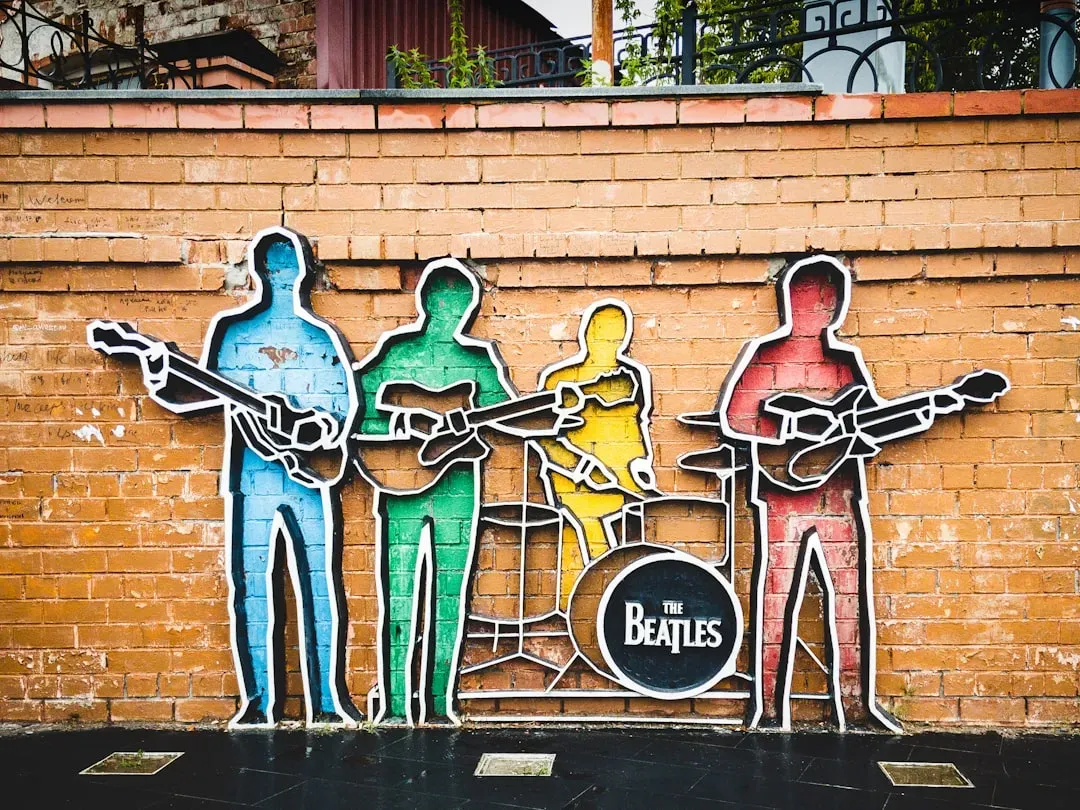
The opening chord of “A Hard Day’s Night” is one of the most recognizable sounds in rock music. The Beatles managed to capture the essence of an entire era with just a single chord. This intro is a perfect example of how simplicity can create something extraordinary, with the anticipation built by that chord setting the stage for the energetic and youthful spirit of the song.
Whatever it is, the opening to “A Hard Day’s Night” is easily the most discussed first chord of anything, ever. Musicologists have spent decades trying to determine exactly which notes are being played simultaneously, across which instruments, and in what voicing. That a single strummed moment could generate that kind of scholarly debate says everything about its power.
“Superstition” – Stevie Wonder (1972)
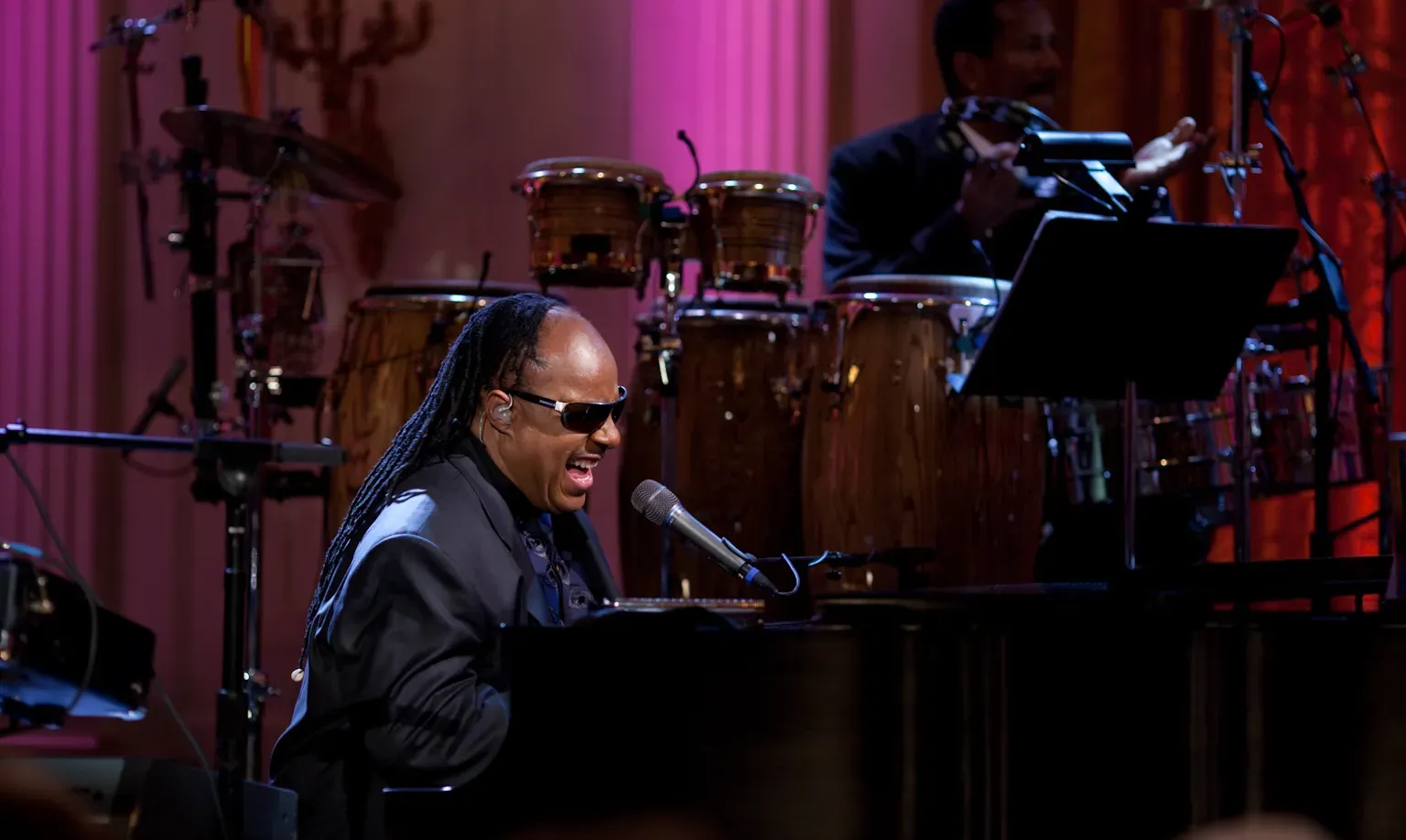
The funky clavinet riff that opens “Superstition” is one of the most recognizable sounds in soul music. Released in 1972, the song’s intro is energetic and infectious, pulling listeners straight onto the dance floor. Wonder played the clavinet with a rhythmic, percussive attack that no synthesizer of the era could replicate, and the groove locks in almost immediately.
What’s striking about this intro is how much it communicates before a single word is sung. The tension, the swagger, the sheer physicality of the sound all arrive within the first two bars. Iconic intros like this one usually feature a unique riff, beat, or melody that listeners can recognize immediately, and catchiness, originality, and emotional impact are the key ingredients.
“Baba O’Riley” – The Who (1971)
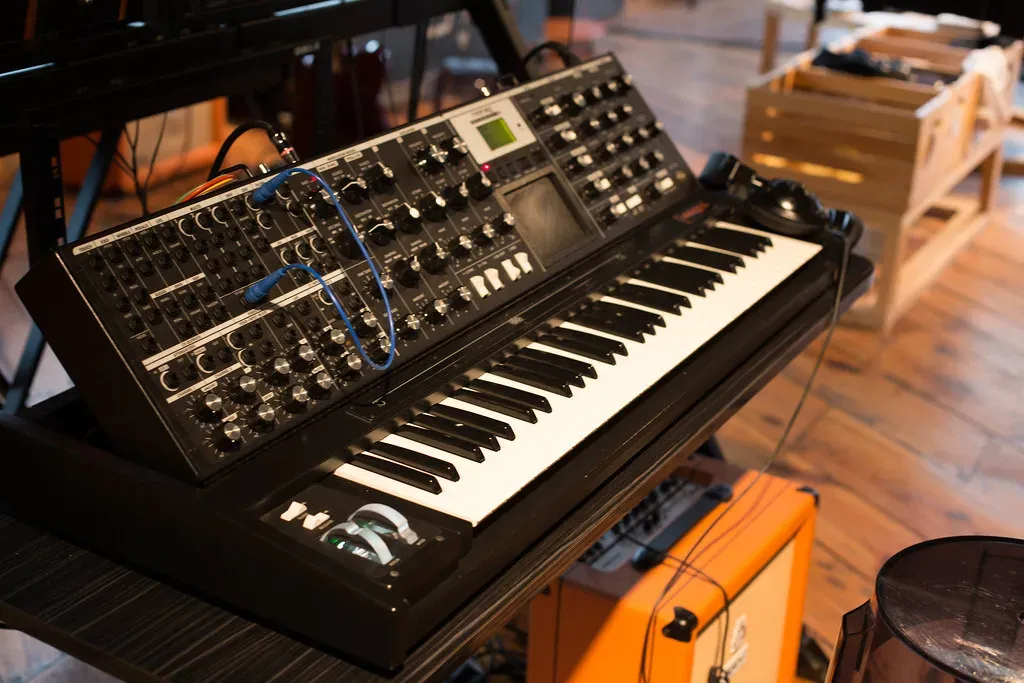
The song opens with a cold and pulsating loop on the synthesizer, an early experiment in sequencing that instantly became legendary. Pete Townshend built the famous arpeggio from a Lowrey organ with its built-in “marimba repeat” feature, creating a hypnotic and mechanical rhythm that still sounds futuristic half a century on.
It’s worth noting that the song is commonly misidentified as “Teenage Wasteland,” a title that appears nowhere in its official release. The intro is one reason the confusion persists: those first pulsing seconds feel so complete, so self-contained, that they take on a life separate from the rest of the track. What makes it truly iconic is its emotional duality: steady and comforting, yet urgent and anxious all at once.
“Purple Haze” – Jimi Hendrix (1967)
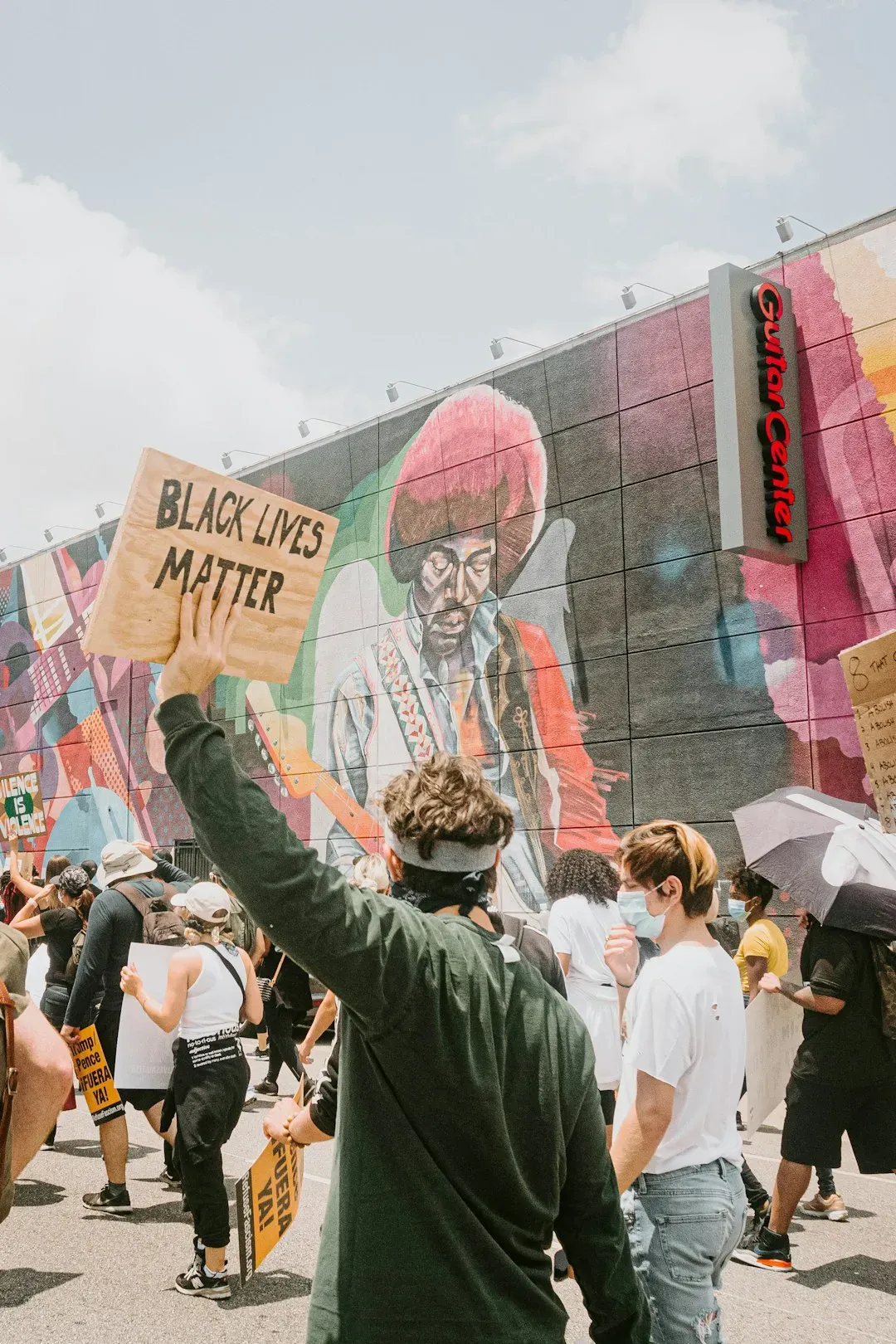
The staccato psychedelic blast that launches “Purple Haze” is built around what is commonly referred to as the “Hendrix Chord,” an extended dominant seventh chord with an augmented sharpened ninth. There’s no denying that this riff worked magic on generations of musicians. It’s the dissonance in Hendrix’s guitar intro that stops you in your tracks.
The intro riff has become a guitar player’s must-know lick, covered by plenty of guitar heroes long after it was released in 1967. It’s a bonafide classic and often serves as the gateway to developing stronger skills as a guitarist and a natural introduction to Hendrix’s broader body of work. There’s something almost confrontational about the sound. It doesn’t ease you in. It arrives, fully formed and unapologetic, in under a second.
These nine intros share something beyond their technical craftsmanship. Each one creates an immediate and specific world. They tell you, before a single verse begins, exactly what kind of emotional territory you’re about to enter. That’s the real trick of a great intro: not just grabbing attention, but making a listener genuinely curious about what comes next. Listeners on streaming platforms decide whether to skip within the first five to ten seconds, which means the stakes for a great opening have arguably never been higher. These nine managed it without any algorithm to guide them.