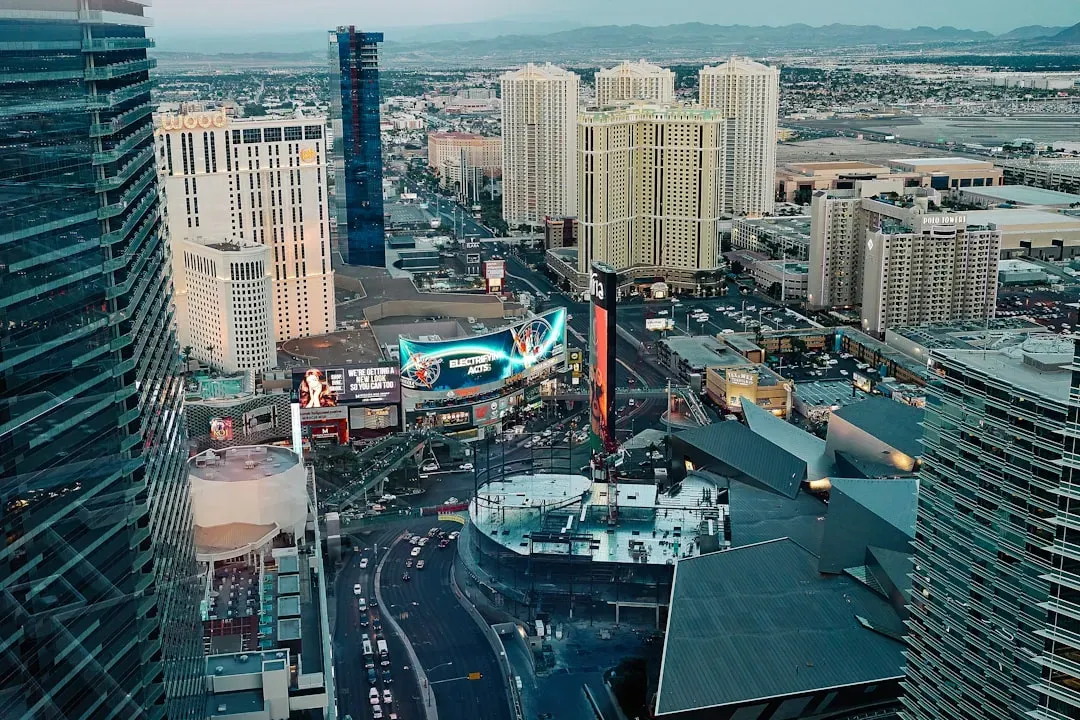
Few American cities present a more complicated landscape for public protest than Las Vegas. The Strip is simultaneously a globally recognized tourist corridor, a patchwork of private and public property, and one of the most heavily regulated pedestrian zones in the country. For anyone who wants to make their voice heard along Las Vegas Boulevard, the legal terrain is more layered than it first appears. That tension between constitutional rights and commercial interests has produced some of the most significant First Amendment battles in Nevada’s recent history. From pedestrian bridge ordinances to unlawful assembly declarations, the Strip has become an unlikely battleground for defining just how far protest rights extend in one of the world’s busiest entertainment districts.
The First Amendment Foundation: What the Law Actually Protects
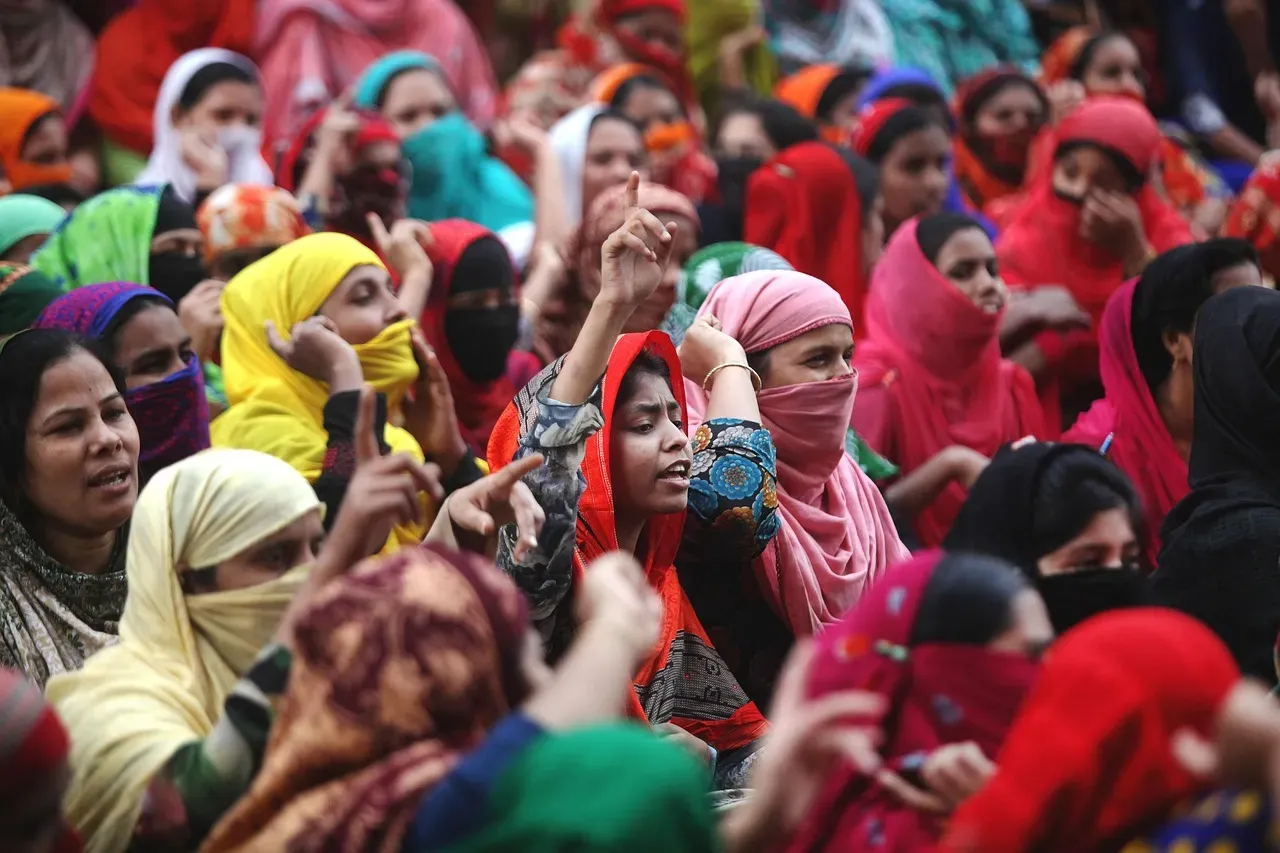
The First Amendment of the United States Constitution guarantees every citizen’s right to freedom of speech and the right to peaceably assemble, and free speech includes all types of expression and communication, including protesting and demonstrating. These protections are not absolute, however. The protections do not include conduct that constitutes a violation of law, advocates imminent violence, or provokes unlawful actions, and endangering others or physically harassing individuals is also not protected. Blocking the entrance to a building is not permitted either.
Federal, state, and local government laws all apply to First Amendment conduct and activities during protests and demonstrations, and Nevada criminal statutes include a chapter that establishes crimes against the public peace, including breach of peace and unlawful assembly. Understanding those layers matters enormously before stepping onto the Strip with a sign in hand.
Public Forum vs. Private Property: A Critical Distinction on the Strip
Protests and demonstrations on private property can be conducted only with the permission of the property owner, but in Las Vegas, the sidewalks and pedestrian bridges directly adjacent to the Strip and Fremont Street are designated public forums, even if adjacent to privately owned property. First Amendment activities are permitted in those locations, as long as they do not disrupt others, cause traffic problems, or obstruct movement.
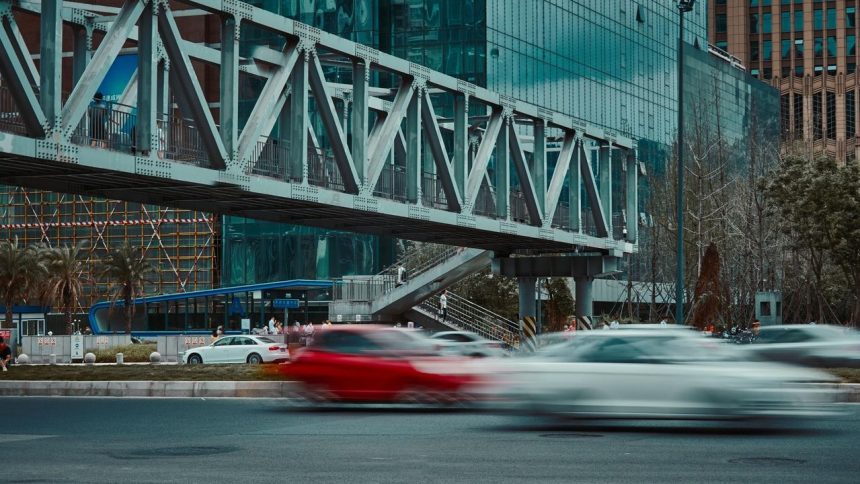
Like sidewalks, the pedestrian bridges at the Las Vegas Strip are public forums, a place where First Amendment protections are strongest. Under certain ordinances, however, First Amendment activity including artistic performances and political protests has been affected. Forcing people from these public forums by criminalizing First Amendment activity violates the Constitution and ignores the fact that these bridges are public property that belongs to everyone, according to the ACLU of Nevada.
The Pedestrian Bridge Ordinance That Shook Civil Liberties Groups
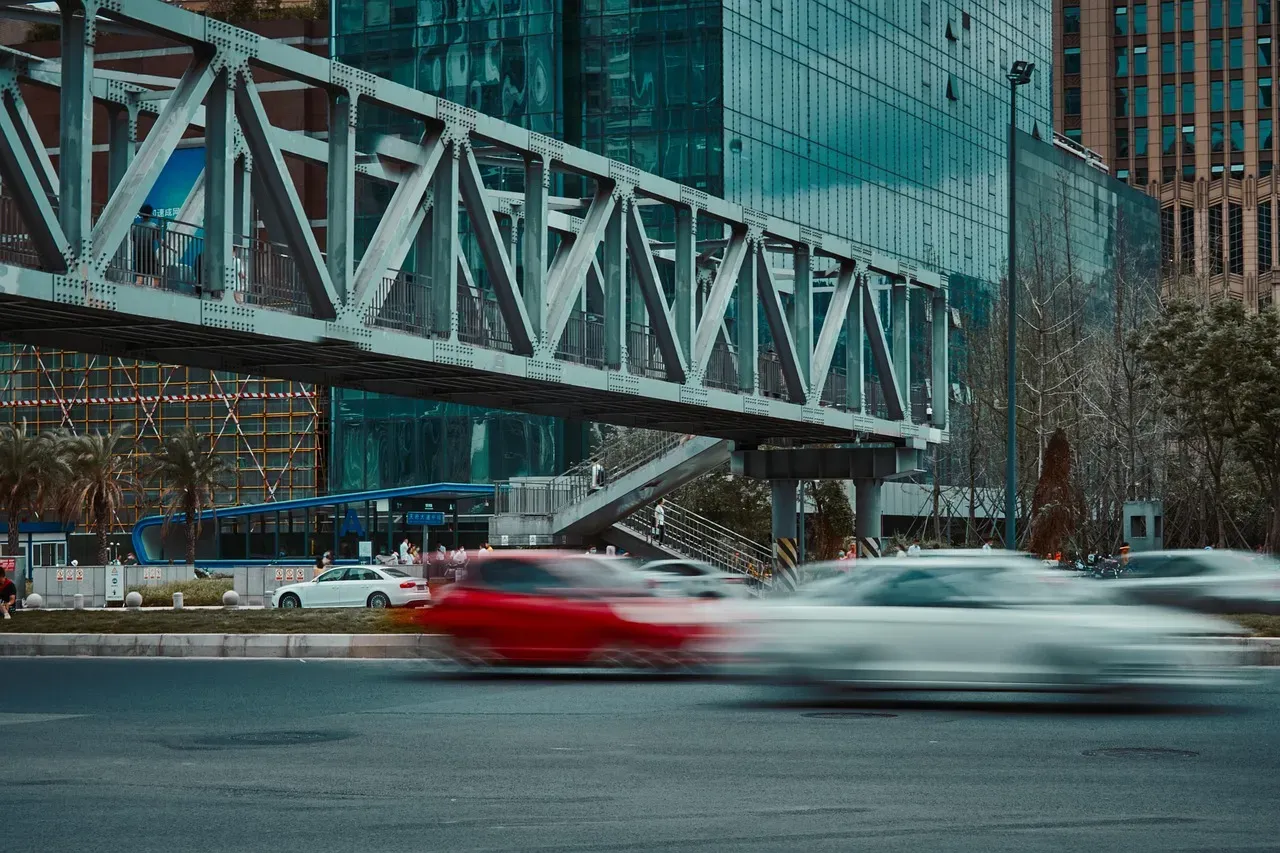
Clark County commissioners voted unanimously in January 2024 to approve a measure prohibiting people from “stopping, standing or engaging in an activity that causes another person to stop” on Strip pedestrian bridges. The stated goal was pedestrian safety, but civil liberties advocates saw something far more troubling in the ordinance’s language.
Offenders under the ordinance face fines of up to $1,000 or six months in jail. Representatives from the ACLU of Nevada and several other organizations submitted a letter calling the ordinance a “dangerous intrusion on civil liberties,” and the ACLU’s executive director argued that a more sensible solution would be to assign police to patrol pedestrian bridges rather than implement a policy that could result in misdemeanor charges.
The ACLU’s Federal Lawsuit: McAllister v. Clark County
The American Civil Liberties Union of Nevada sued Clark County over the ordinance, arguing it makes criminals “out of ordinary people who stop for even a few moments.” The named plaintiffs in the lawsuit were Lisa McAllister, who uses a manual wheelchair, and Brandon Summers, who plays the violin on the Las Vegas Strip. The suit alleges the ordinance violates the First and Fourteenth Amendments, the Americans with Disabilities Act, and the Nevada constitution.
The ACLU argued the ordinance is unconstitutionally vague and opens the door to selective and discriminatory enforcement. The only exception included in the ordinance is stopping to wait to access the escalators or elevators, meaning a person stopping because of a disability could be charged with a misdemeanor. County officials and the Metropolitan Police Department said the law is meant to maintain public safety by ensuring continuous movement across the bridges, and the county also argued that the ordinance does not limit First Amendment activity because street performers and others can participate in speech on the sidewalk below the bridges.
Permit Requirements: When You Need Official Approval to Protest
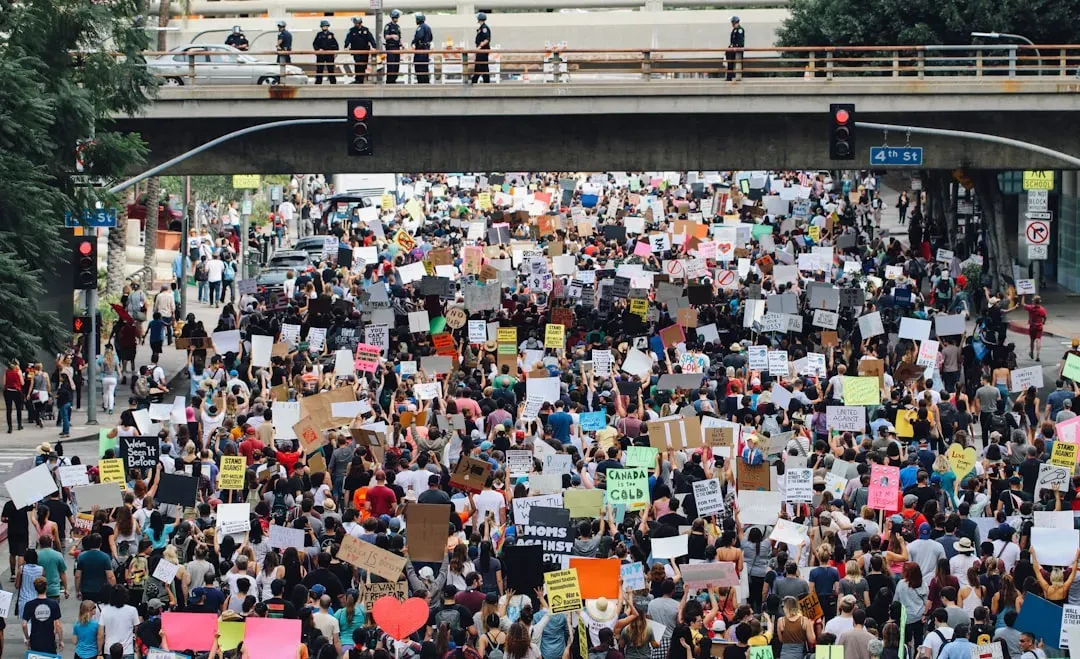
Clark County and the City of Las Vegas require permits for certain First Amendment activities, including those that will block pedestrian or vehicular traffic. A permit is also required to protest on the courthouse steps, although the adjacent sidewalk may be used without a permit. Permits may be required for groups of more than 75 persons in a public park and events that use amplified sound.
Demonstrators at recent protests on Las Vegas Boulevard were kept off the streets themselves and confined to sidewalks, in part because of the high cost of permits. Jacob Valentine, a staff attorney with the ACLU of Nevada, worried that high permitting costs are being put in place “to try to limit first amendment activity.” The cost question is not abstract. It directly shapes who can organize large-scale demonstrations and who cannot.
The Anti-ICE Protests of 2025: Unlawful Assembly on the Strip
In June 2025, a protest that began outside the ICE field office on Las Vegas Boulevard and Clark Avenue was organized in solidarity with those protesting ICE raids and detentions in the Los Angeles area. What happened next became one of the most contested protest incidents in the city’s recent history. At 9 p.m., Las Vegas Metro Police declared the protest an “unlawful assembly due to protesters engaging in illegal activity,” and an order to disperse was issued.
A Channel 13 reporter who witnessed the demonstration stated it was peaceful, with about 800 people protesting against ICE, immigration policies, and deportations. According to a subsequent legal motion, LVMPD declared the gathering an “unlawful protest” at 8:11 p.m., before protesters had even gathered in one location. The fallout from that night produced lawsuits, dropped charges, and significant questions about how law enforcement deploys its authority during demonstrations.
Arrests, Dropped Charges, and Legal Accountability
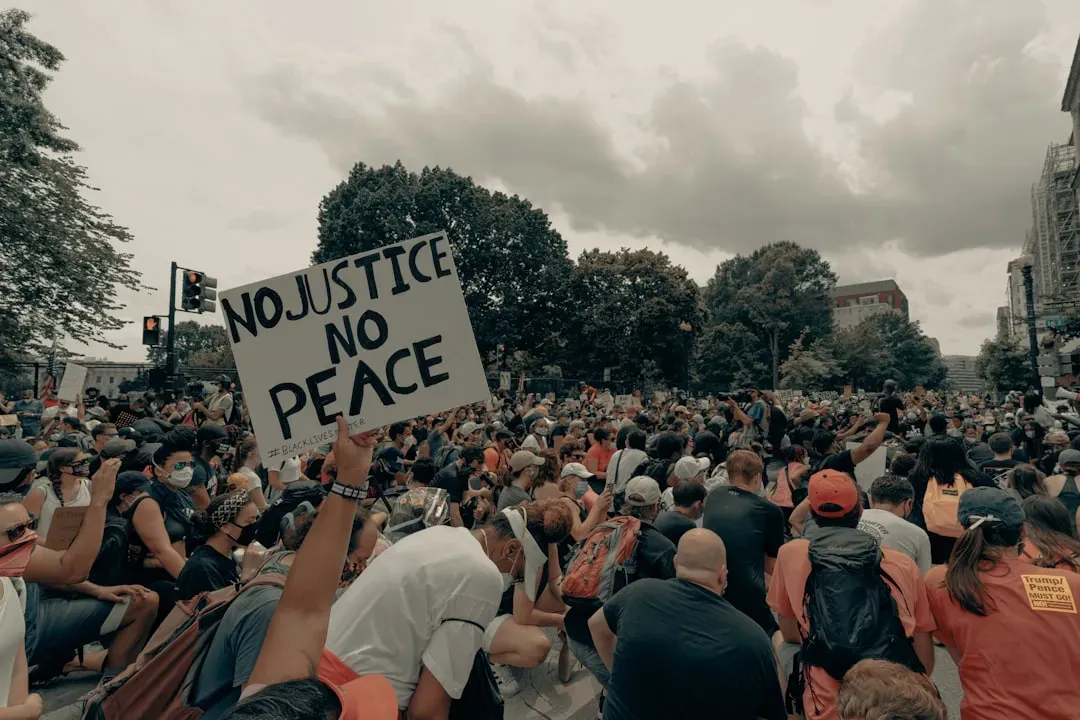
At the June 2025 anti-ICE protest, there were nearly 100 arrests, though the overwhelming majority were dropped. The ACLU of Nevada at the time said a majority of those arrested were for things like sitting on the sidewalk. In September 2025, City of Las Vegas attorneys stated they would not prosecute those who were arrested during those protests.
One lawsuit claims an officer shot a protester in the back with a pepper ball, and when she tried to protect herself with a protest sign, officers allegedly continued to shoot her with pepper balls before arresting her. Attorneys for the plaintiff also claimed LVMPD officers lied on their official reports regarding her arrest. The case highlighted the gap that can exist between department policy and on-the-ground conduct during high-tension demonstrations.
The Strip Corridor Law: Public Order vs. Civil Liberties
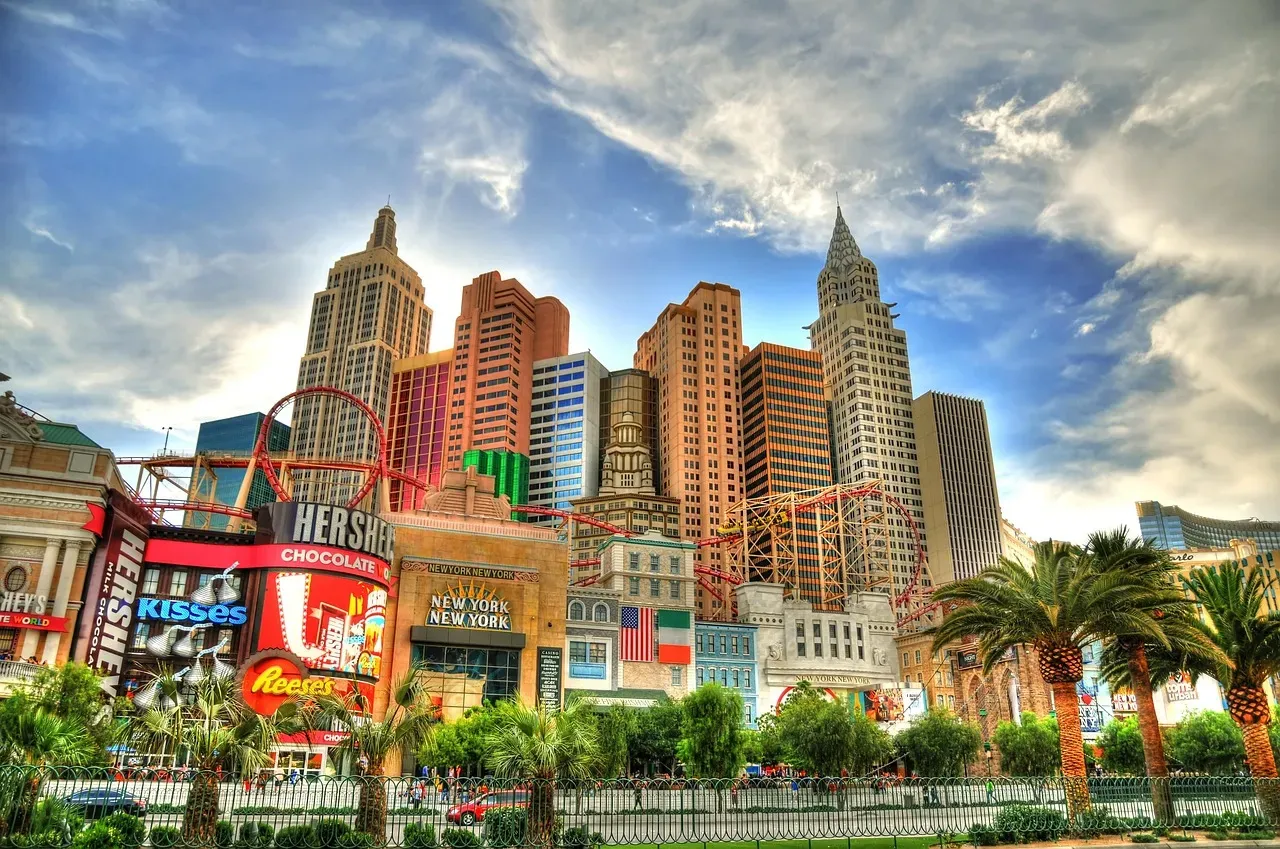
One particularly controversial component of Nevada’s 2025 crime legislation requires the Clark County Board of Commissioners to re-establish boundaries for a Strip “corridor,” from which the county’s Justice Court could ban individuals for up to one year, even for misdemeanor crimes. The Strip previously experimented with a similar corridor court from 2023 to 2024, issuing more than 4,000 bans before judges voted to dismantle it due to strained resources and high caseloads.
Trespassing is the single biggest type of crime along the Strip, followed by violations of “orders out,” according to Las Vegas Justice Court data from 2012 to 2025. Combined, trespassing and orders out accounted for nearly a quarter of all crimes on the Strip. Critics worry that a revived corridor court could be used to suppress not just criminal conduct but lawful protest activity in the same geographic zone.
The “No Kings” Rallies: Large-Scale Protest in Practice
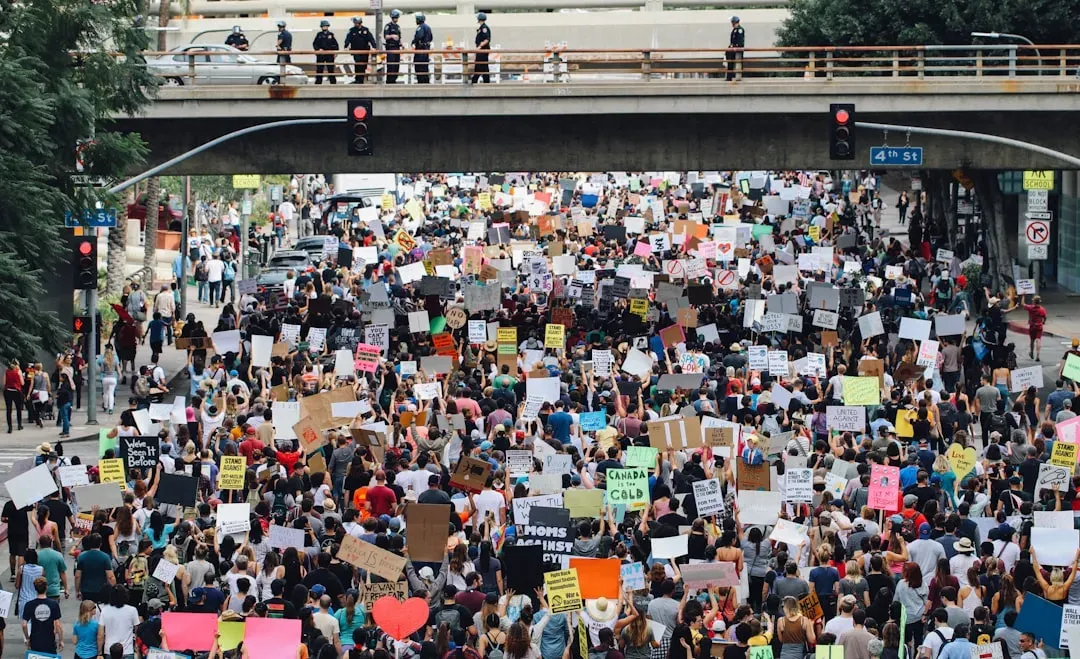
Thousands of Nevadans took to streets and sidewalks in October 2025 to peacefully protest and air grievances against the Trump administration. Nationally, an estimated 2,700 “No Kings” protests were scheduled across the country, with millions participating. Nearly a dozen events were scheduled around Nevada, including in Reno, Las Vegas, Carson City, Elko, Pahrump, and Mesquite.
For the downtown Las Vegas event, the city and police officially agreed to close the eastern side of Las Vegas Boulevard from Bridger to Bonneville for the event, whereas prior events had required attendees to stay on public sidewalks only. The ACLU of Nevada deployed volunteers at Saturday’s demonstrations and reactivated their protest hotline for people to report First Amendment violations. The coordination between organizers, city officials, and law enforcement reflected how much deliberate planning large protests on the Strip now require.
What Protesters Need to Know Before Demonstrating on the Strip
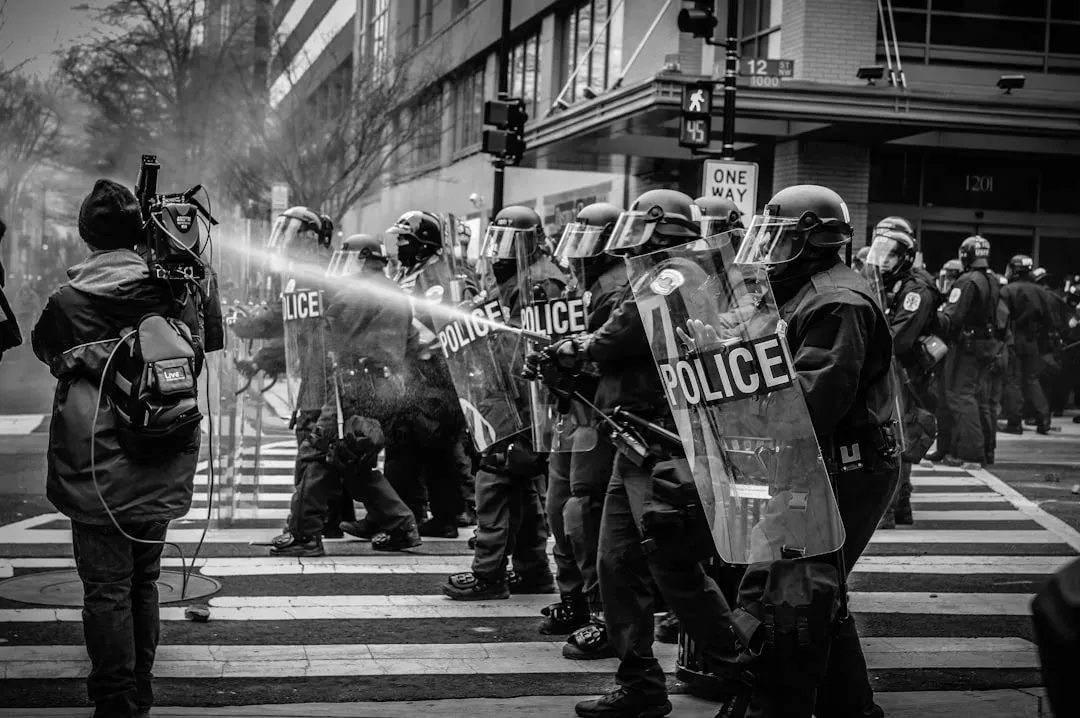
Notwithstanding the First Amendment, law enforcement officers have the authority to maintain the peace at a public assembly and to take actions that prevent disruptions or obstruction of pedestrian or vehicle traffic. In some circumstances, police may issue a dispersal order if there is a clear and present danger of disorder, interference with traffic, or an immediate threat to public safety. Officers must provide notice of a dispersal order, a reasonable opportunity to comply, and a clear, unobstructed exit path.
Las Vegas Metropolitan Police Department states publicly that it is committed to upholding every individual’s constitutional right to protest and assemble peacefully, and recognizes the vital role free expression plays in democracy. Still, the ACLU of Nevada has noted that Las Vegas is “better than some cities, but there is more work to be done,” and that “the city and law enforcement could always be doing a better job to accommodate First Amendment protesters.” Knowing your rights before you arrive, understanding permit requirements, and staying in contact with legal observer groups like the ACLU are practical steps that can make a significant difference if something goes wrong.
Conclusion: Rights in a City That Never Stops Moving
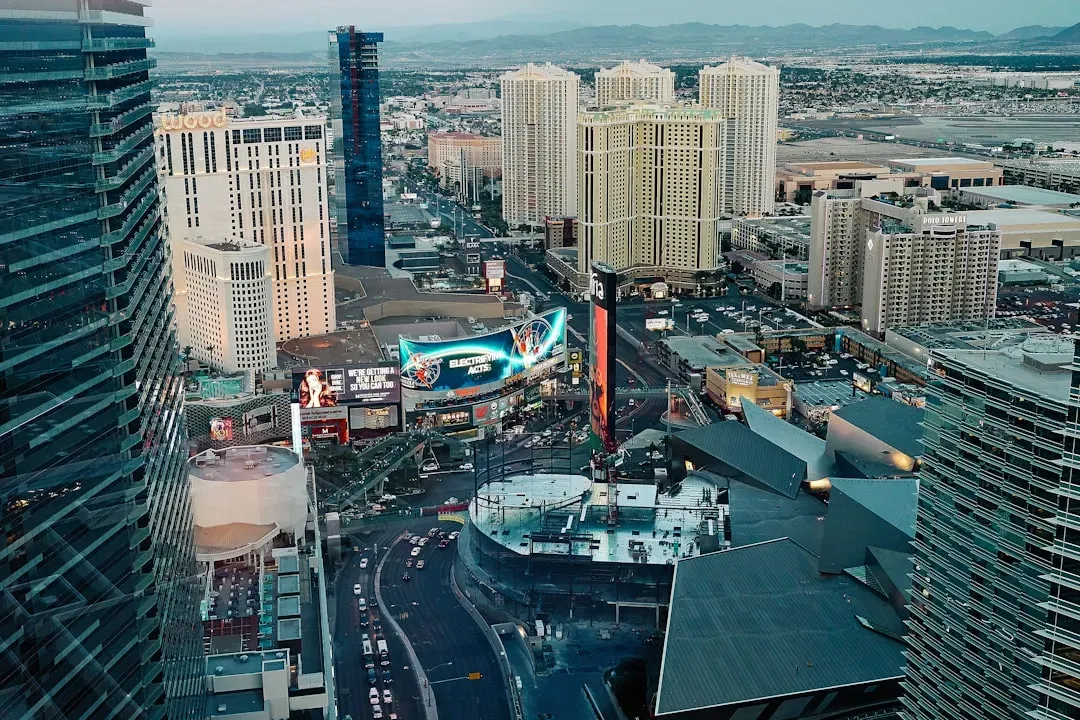
The Las Vegas Strip occupies a strange place in the American civic landscape. It is a place built on the freedom to indulge, yet it has increasingly layered restrictions on the freedom to speak and assemble in its public spaces. The legal battles of 2024 and 2025 made clear that those tensions are not theoretical.
The pedestrian bridge ordinance, the corridor court, the contested anti-ICE arrests, and the careful negotiations behind the No Kings rallies all tell the same underlying story: the right to protest exists on the Strip, but it requires active defense. Legal protections are strongest in designated public forums, weakest when crowds are large and situations turn chaotic, and always subject to interpretation by the officers on the ground.
Knowing the rules is not a substitute for civic courage, but it is a reasonable starting point. In a city where every square foot has been carefully designed for commercial purpose, the right to demonstrate is one of the few things that genuinely belongs to everyone.