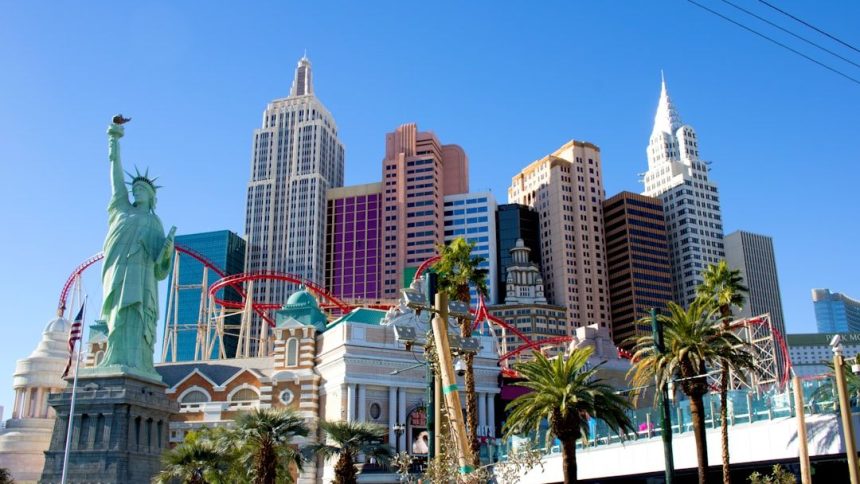
Las Vegas has always been in the business of reinvention. Unlike most American cities, it built its entire identity on the promise that nothing here lasts forever, that every era eventually gets bulldozed, rebranded, or auctioned off in a 30-day online sale. The statues and sculptures that once defined this city’s resorts and campuses were never just decorative objects. They were physical commitments to a particular version of what Las Vegas was supposed to mean. What happens when those commitments expire? The answer plays out differently depending on whether the removal is driven by commerce, cultural reckoning, or simple obsolescence. In Las Vegas, more often than not, it’s a complicated blend of all three.
The Mirage’s Bronze Mermaids: A $1 Billion Goodbye
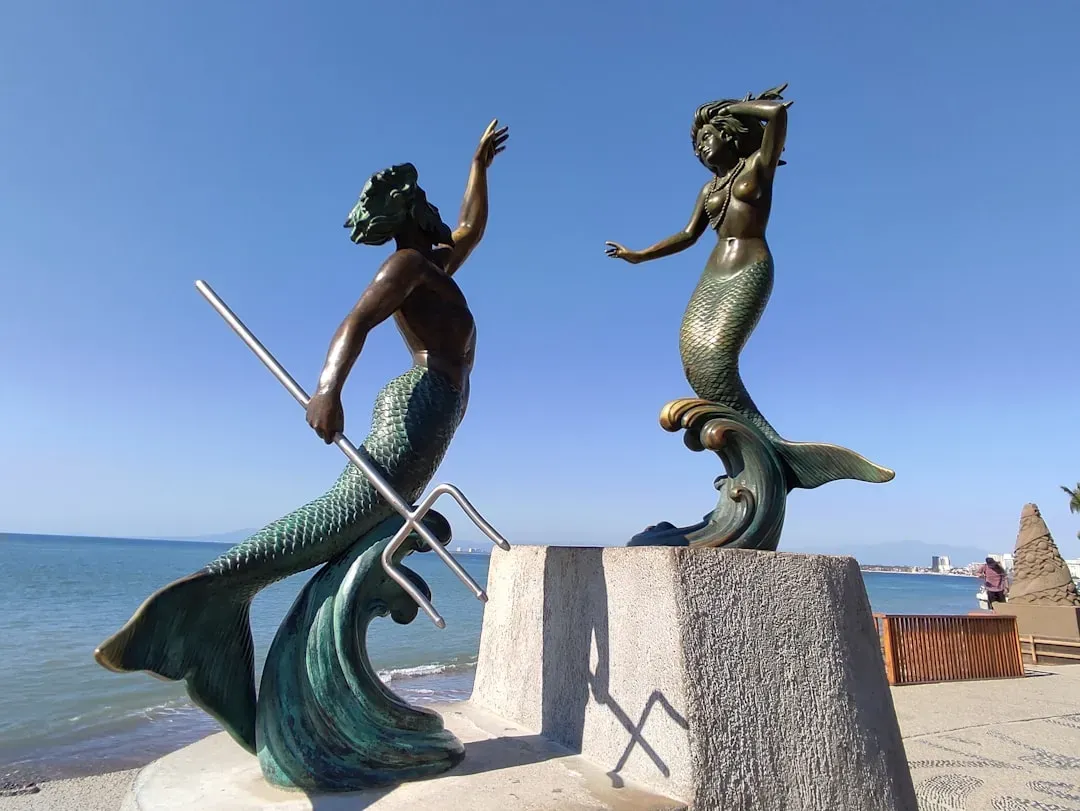
The Mirage ceased operations on July 17, 2024, after 34 years on the Las Vegas Strip. What followed was not just a renovation but an erasure of an entire visual identity. Hard Rock Las Vegas held a 30-day online auction featuring more than 300 statues, sculptures, and pieces of art from The Mirage.
Items for sale included the legendary bronze mermaids, several dolphin statues, a Chihuly piece of art, and countless paintings that once adorned rooms and hallways throughout the former Strip casino-hotel. These weren’t cheap props. They were the visual language of a resort that had spent decades projecting a tropical fantasy onto the Nevada desert.
At the time it opened, the Mirage was the most expensive hotel-casino in history, with construction costs soaring to $630 million. It was the first new resort built on the Las Vegas Strip in more than 15 years, marking the beginning of a new era. When its artwork went to the highest bidder in 2025, the message was clear: nostalgia has a price, and in Las Vegas, someone always pays it.
A City Built on Themed Fantasy: How Statues Became Signatures
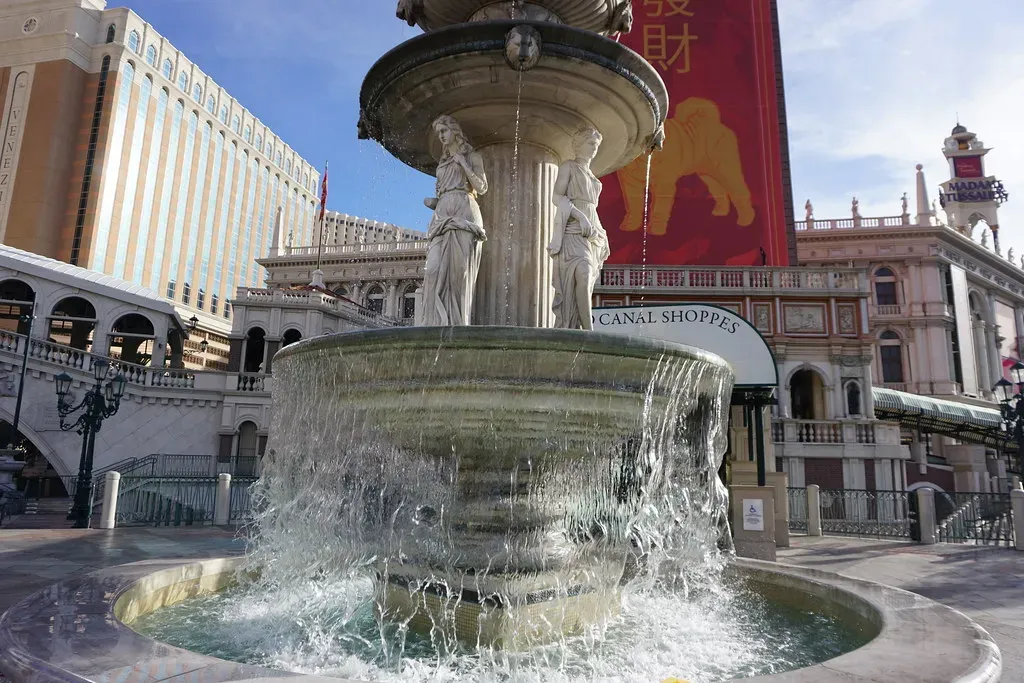
In the late 1980s, the Strip looked radically different, featuring mostly modest, low-rise casinos. Over a single decade, Las Vegas catapulted itself into an era of massive themed complexes, eventually moving on to sleeker, luxury-oriented properties. Every one of those themed complexes relied heavily on visual anchor points, statues, sculptures, and monumental figures that told guests exactly what world they had stepped into.
Luxor opened on October 15, 1993, embracing the spectacle with a 364-foot tall replica Sphinx and a 3,000-foot-long Nile River tour that has since been removed. The Sphinx still stands, but many of the interior features that originally defined it are long gone. Statues that seemed permanent turned out to be as temporary as any other marketing decision.
The reasons behind this massive change were many: fierce competition among casino corporations, an appetite for novelty in entertainment, and a push to market Las Vegas as a family-friendly destination rather than just an adults-only playground. When the market shifted again toward luxury and away from family themes, the themed statues that remained started looking less like landmarks and more like liabilities.
The MGM Grand Fire Statues: Artifacts of Tragedy
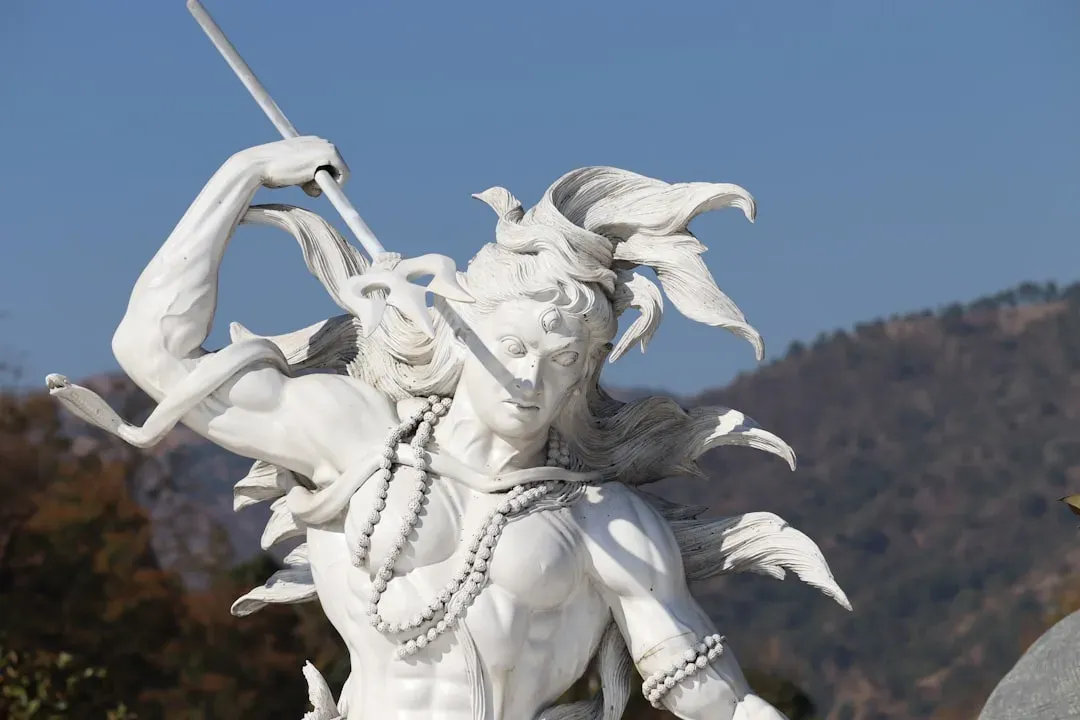
Forty-four years after the MGM Grand fire on November 21, 1980, three of the property’s original nine fountain statues greeted Las Vegas antique dealer Jeff Young as he walked into a backyard. They had traveled a long, quiet road from one of the darkest moments in the city’s history to a private collection maintained by a former engineering director at Bally’s.
When it opened, nine fountain statues greeted guests as they entered the original MGM Grand. The statues were in place on November 21, 1980, the day of the worst hotel fire in U.S. history. The fountain was removed during a renovation of Bally’s in the late 1980s or early 1990s.
The MGM Grand’s statues of Neptune, four cherubs, and four mermaids were based on figures from the Fountain of Neptune, created in Bologna, Italy, by Jean de Boulogne in 1565. That lineage makes their dispersal all the more striking. Objects with roots in a 16th-century Italian masterwork ended up in a Las Vegas backyard, witnesses to a catastrophe the city largely moved on from.
Hey Reb! at UNLV: When a Statue Becomes a Flashpoint
The University of Nevada, Las Vegas, took down a statue of its Rebels team mascot after complaints by a Native American student association and in the wake of nationwide protests against systemic racism that were sparked by George Floyd’s death. The removal in June 2020 was swift. The debate it triggered has not stopped.
The statue had been greeting visitors outside UNLV’s Tam Alumni Center since 2007 before it was suddenly hauled off. Despite the statue’s name, the school had previously said it was an homage to western settlers and not a tribute to Confederates. That distinction mattered to some and meant little to others, which is precisely what made the situation so difficult to resolve.
Nearly five years after UNLV retired Hey Reb!, controversy surrounding the mascot remains active. At December 2025’s Nevada Board of Regents meeting, more than 50 people provided written public comment about Hey Reb!, with most strongly in favor of bringing him back. The statue’s physical absence has not ended the argument about what it represented.
From Beauregard to Hey Reb: A Campus Mascot’s Long Shadow
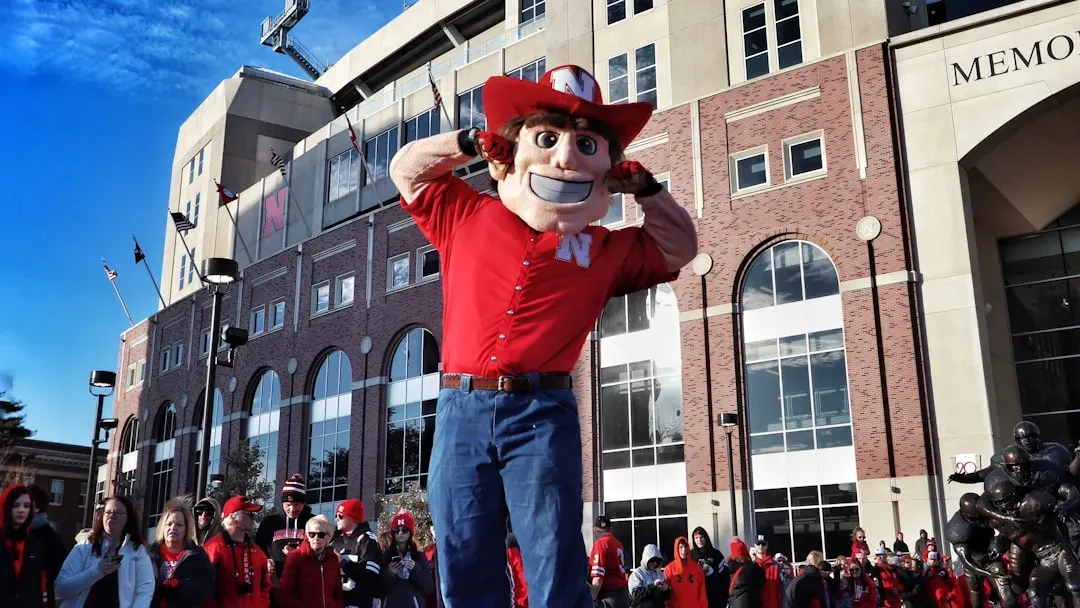
UNLV adopted the Rebels nickname in the 1950s to highlight the then-new school’s rebellion against UNR. The nickname took on a more political tone in the 1960s when the sports programs introduced Beauregard, a wolf mascot named after Confederate General P.G.T. Beauregard and dressed in a Confederate soldier’s gray uniform.
During the 1968 season, the football team wore helmets featuring the Confederate flag despite Nevada’s deep history as a Union state. After protests from Black students, UNLV eliminated the Confederate imagery in 1976 but retained the Rebels nickname. The school tried to thread a difficult needle for decades, keeping the brand while gradually stripping away the most explicit symbols.
The university found the mascot and Rebels nickname had no ties to the Confederacy in a 2015 report published by former UNLV Chief Diversity Officer Rainier Spencer. A national reckoning about institutional racism after the murder of George Floyd prompted UNLV to remove Hey Reb!’s statue from campus in 2020 and retire him as mascot in 2021 while keeping the Rebels nickname. The history lesson here is that symbols accumulate meaning over time in ways their creators never fully control.
The Crazy Girls Bronze: A Strip Landmark in Limbo
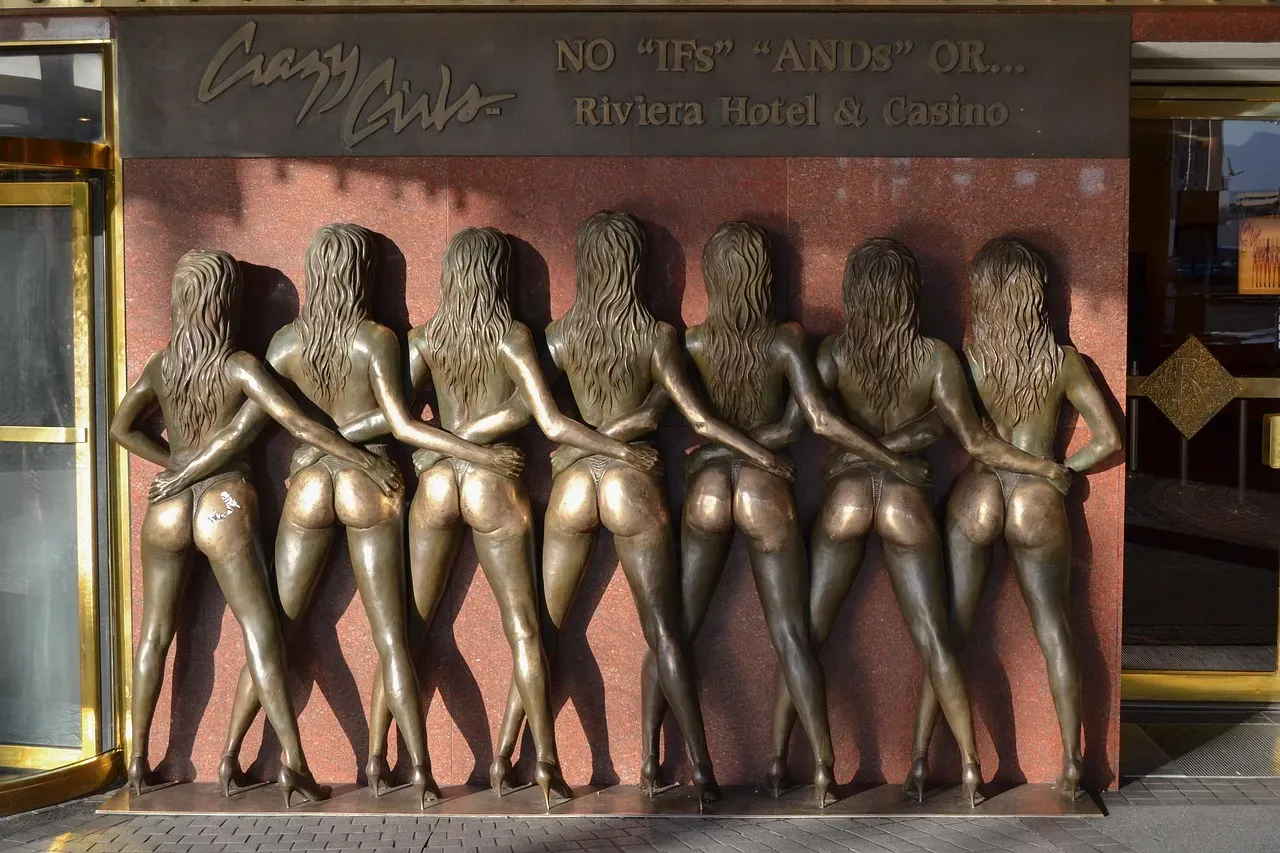
The “Crazy Girls” statue was at the front of the Riviera Hotel, facing the Strip, from September 1987 until moving to Planet Hollywood in 2015. For nearly three decades it was one of the most photographed pieces of public sculpture on the entire Strip. Its journey after that says a great deal about how quickly the city moves on.
The show closed in 2021 when Caesars Entertainment locked up its showroom in a spate of post-pandemic venue closings. The statue’s relocation was not a tease that the show would resurface. The 4,500-pound piece was last seen in public on June 15, 2021.
Santa Fe artist Michael Conine created the piece in 1997 to celebrate the show’s 10th anniversary. Eventually, a rescue came from an unexpected corner. The co-owner of the D, Golden Gate, and Circa took on the task of rescuing the famous Vegas statue, with the bronze figures set to be displayed at the resort. Even in Las Vegas, some objects find a second life rather than a quiet burial.
Nevada’s Jefferson Davis Highway Markers: A Statewide Reckoning
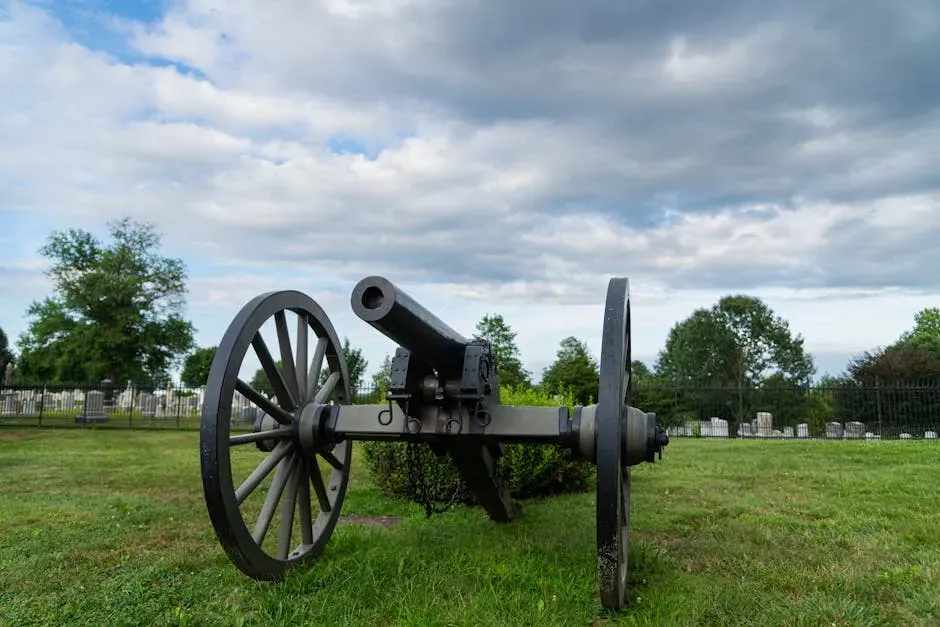
The three Jefferson Davis Highway markers in Nevada were removed in 2018. This happened quietly, without the same public fanfare seen in Southern states, but it reflected the same broader national conversation about what public spaces choose to honor. Nevada’s relationship with Confederate iconography had always been uncomfortable given its history as a Union state.
Nationally, according to the Southern Poverty Law Center, 59 Confederate statues and 9 markers or plaques were removed from public land in 19 U.S. states between June 17, 2015, and July 6, 2020. Las Vegas and Nevada were part of a much larger reckoning, even if the city’s unique character meant those debates played out partly through casino art auctions and campus mascot reviews rather than courthouse square confrontations.
The SPLC reported at least 160 monuments were removed in 2020 after George Floyd’s death, more than the prior four years combined, and 73 Confederate monuments were removed or renamed in 2021. The scale of this national shift put pressure on every public institution, including universities in the desert Southwest, to reckon with the symbols they had inherited.
Pat McCarran and the Politics of Naming
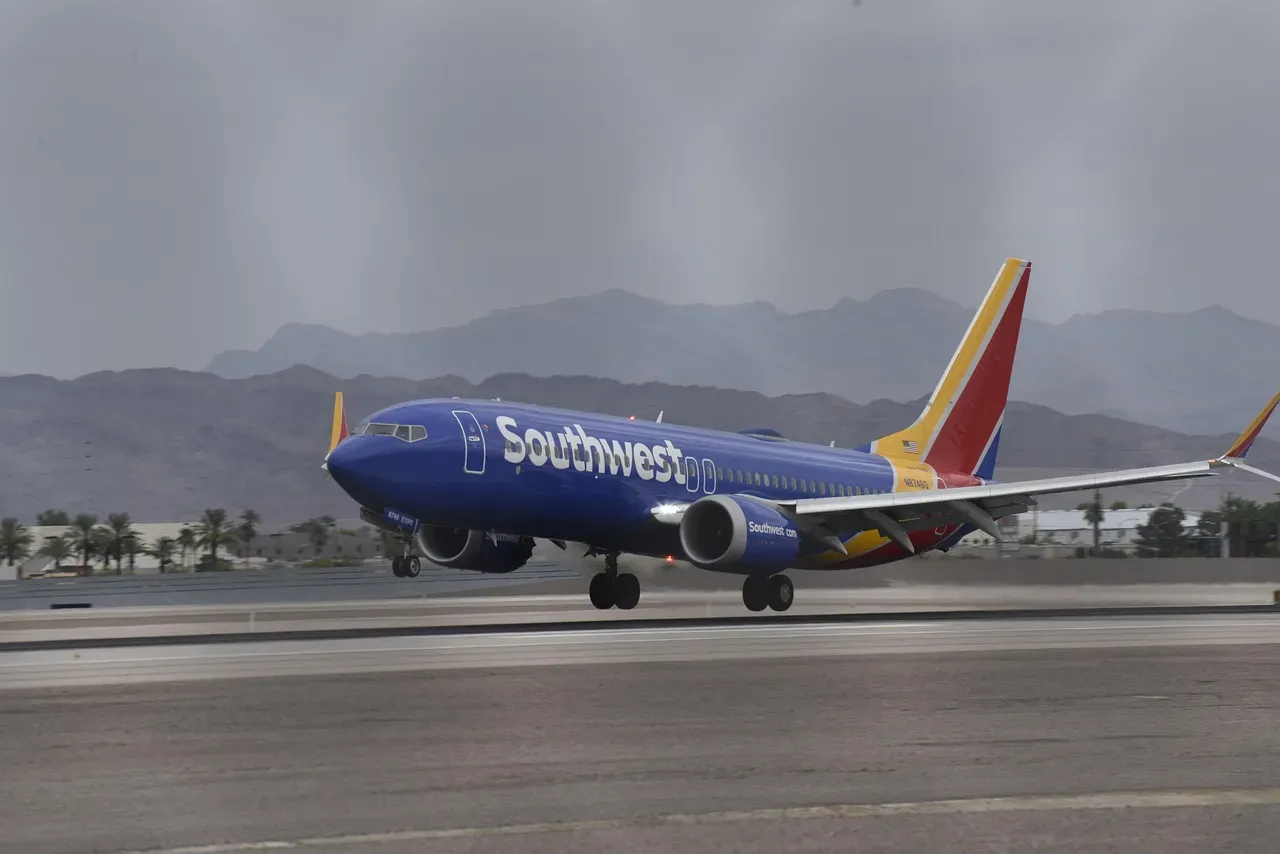
Democratic members of Nevada’s congressional delegation pushed for the McCarran statue to be replaced and for renaming McCarran International Airport in Las Vegas, stating that while Senator McCarran fought for workers’ rights and sponsored legislation that helped shape the modern air travel industry, his dark legacy of virulent racism, anti-Semitism, and xenophobia had no place representing Nevada in the United States Capitol.
McCarran wanted to reduce the number of displaced people from World War II who could come to the U.S. and opposed Jewish appointees to government positions. The airport was eventually renamed Harry Reid International Airport in 2021, a change that affected not just a sign but the symbolic gateway through which tens of millions of visitors first encounter Las Vegas each year.
This case illustrates a pattern: in Las Vegas, renaming and statue removal are rarely just about history. They are about the face the city wants to present to the world, and the world’s first impression of Las Vegas happens before visitors ever reach the Strip.
The Neon Graveyard and the Preservation Impulse

The neon signs from Las Vegas’ past find their final resting place at the Neon Museum, an unusual graveyard for the city’s discarded landmarks. The museum reflects something genuinely interesting about how Las Vegas thinks about its own past: objects that are stripped from their original locations often find an afterlife in preservation rather than destruction. It is imperfect, but it exists.
As monuments or other works of public art are removed from public space, experts strongly encourage commissioning organizations and artists to maintain digital records of controversial and removed artworks online, providing context and new perspectives on their impact. This allows the public to comprehend how, when, and why artworks transform in meaning or favor over time.
Las Vegas has an unusual advantage here. Because so much of its built environment has already cycled through demolition and reinvention, the city has developed, almost by accident, a culture of preservation alongside its culture of erasure. The Neon Museum is the clearest expression of that impulse.
The Tropicana’s Demolition and What Comes Next
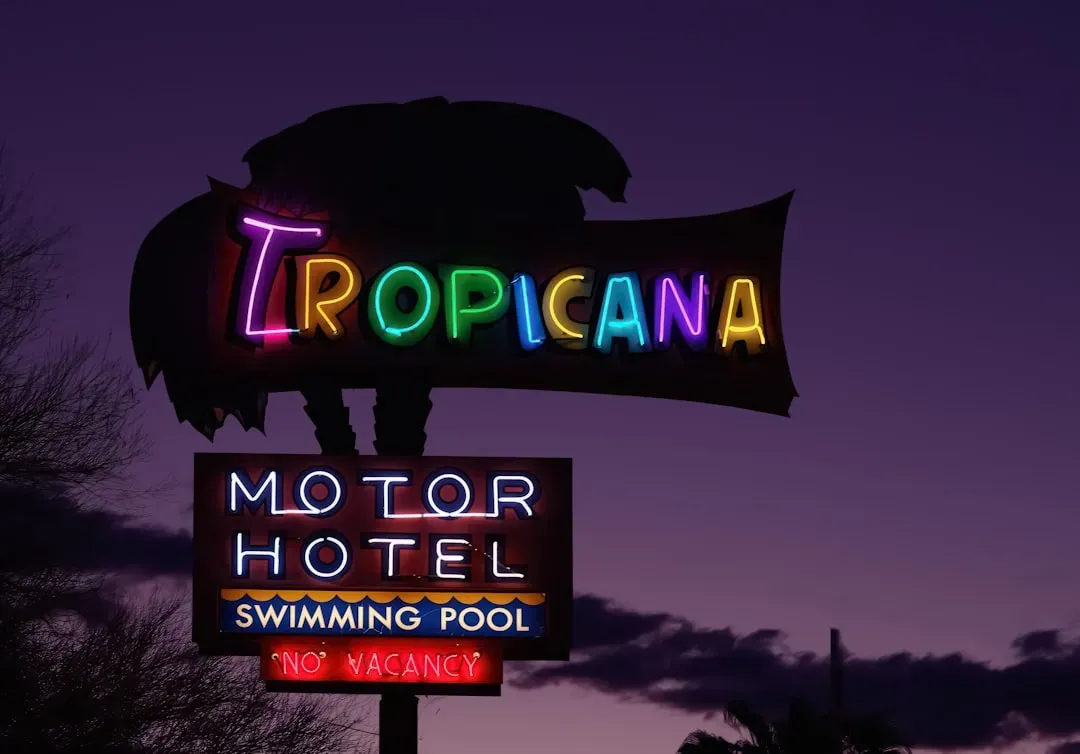
One of the Strip’s last vintage icons, the Tropicana, was destroyed in October 2024 to make room for a new baseball stadium, signaling the relentless push for modernization. The statues, fixtures, and decorative elements that had defined it for nearly seven decades were scattered or lost. There was no 30-day auction, no museum donation, no careful documentation. Some departures are less graceful than others.
CBRE analyst John DeCree estimated the Mirage closure would take nearly a million room nights out of circulation annually. The Strip lost another 400,000 room nights annually when the Tropicana closed in April and was slated for demolition to make way for a new integrated resort and baseball stadium. When properties of that scale disappear, they take their entire visual vocabulary with them, statues, signage, and all.
The latest turnover in Las Vegas marks a new chapter for the destination city, where sports and entertainment are a bigger draw than gambling for tourists. That shift in identity, from gambling capital to entertainment capital to now a sports and events hub, explains why Las Vegas no longer needs a tropical volcano or a bronze mermaid. It needs a guitar-shaped tower and a baseball diamond.
Conclusion: Statues as City Mirrors
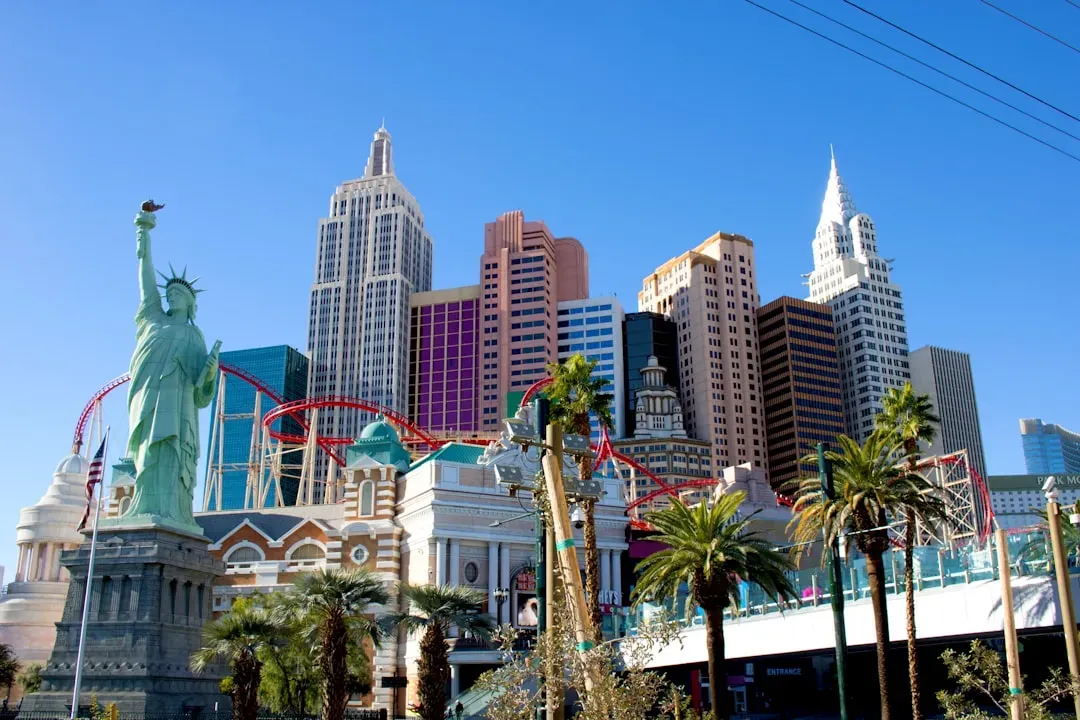
Statues tell the truth about a city’s priorities, even when their removal does. In Las Vegas, the pattern is consistent: objects that once defined an era get cleared away not just when they become offensive, but when they become irrelevant. That happens faster here than almost anywhere else on earth.
The Hey Reb! debate is still unresolved in 2026. The Mirage’s bronze mermaids are sitting in private collections. The Crazy Girls sculpture found a new home. The MGM Grand’s fountain Neptunes quietly survived in a backyard for four decades. Each story is different. What they share is that the Las Vegas these objects once anchored no longer fully exists.
There’s something clarifying about a city that moves this quickly. It makes visible what other cities obscure: that public statues are never neutral, never permanent, and always a negotiation between the people who commission them, the people who inherit them, and the people who decide, one generation later, whether they still deserve to stand.