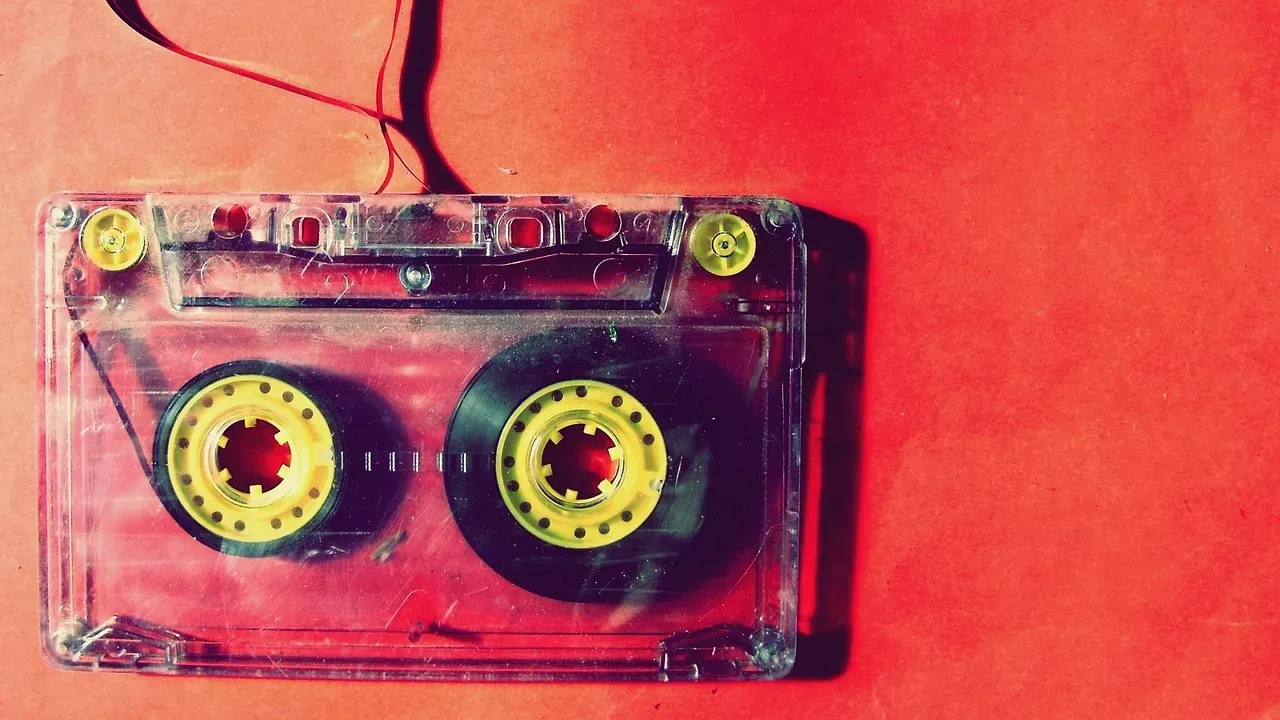
There’s something about a road trip that strips everything down to its essentials: an open road, a full tank, and the right song filling the car. In the 1980s, that last part was sacred. You planned your cassette tapes in advance. You rewound and fast-forwarded with religious patience. And if you got the mix right, even a six-hour drive through flat interstate country felt like a movie.
This playlist is pulled straight from that era. The 1980s marked a period of bold creativity and global crossover success, with artists embracing new production techniques, synthesizers, and larger-than-life songwriting – producing everything from arena-ready rock anthems and unforgettable pop singles to dancefloor favorites and new wave standouts. These songs didn’t just play in the background. They defined the journey itself. How many of these do you still know word for word?
“Don’t Stop Believin'” – Journey (1981)
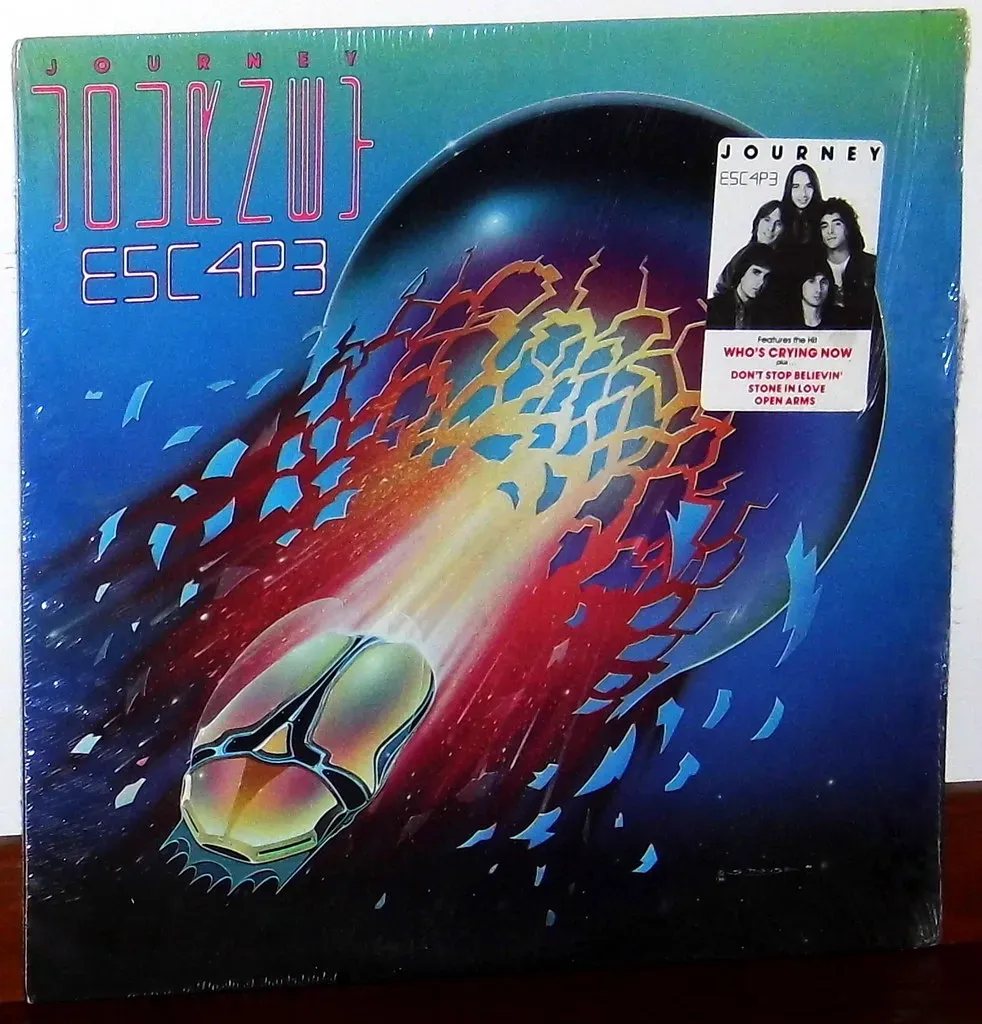
“Don’t Stop Believin'” is a song by American rock band Journey, released in October 1981 as the second single from the group’s seventh studio album, Escape, with shared writing credits between vocalist Steve Perry, guitarist Neal Schon, and keyboardist Jonathan Cain. The song is unusual in that its chorus does not arrive until the song is nearly finished, with a structure consisting of two pre-choruses and three verses before it arrives at its central hook.
“Don’t Stop Believin'” peaked at number 9 on the Billboard Hot 100 in December 1981, but its continued relevance in the 2000s helped it become the biggest-selling digital track recorded in the 1980s, with 7.3 million downloads sold according to MRC Data. Over four decades after its release, the generation-crossing hit has over 2.8 billion streams on Spotify. Few road trip songs have aged so gracefully.
“Danger Zone” – Kenny Loggins (1986)
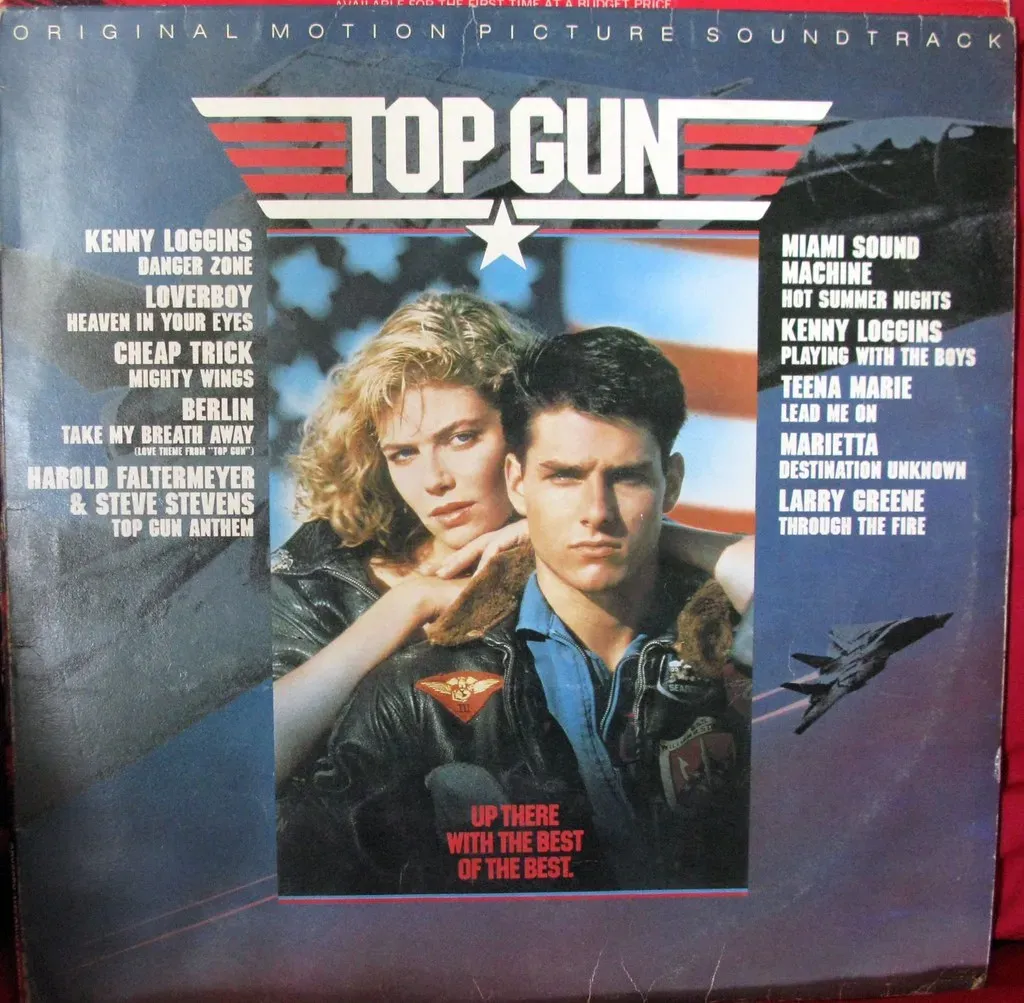
“Danger Zone” was recorded by American singer-songwriter Kenny Loggins in 1986, with music composed by Giorgio Moroder and lyrics written by Tom Whitlock, and it was one of the hit singles from the soundtrack to the 1986 film Top Gun. The band Toto was originally intended to perform the track, but legal conflicts prevented this. In a 2022 interview, Kenny Loggins also revealed that Jefferson Starship was the first act to be offered the track, but they withdrew from the project.
Released May 13, 1986, the Top Gun soundtrack became a massive commercial success, selling more than nine million copies in the U.S. alone, with “Danger Zone” serving as its first single, peaking at number 2 on the Billboard chart. The song was also featured in the 2022 sequel film Top Gun: Maverick, using the same original recording. Hearing that opening synth blast on the highway is still an event.
“Holiday Road” – Lindsey Buckingham (1983)
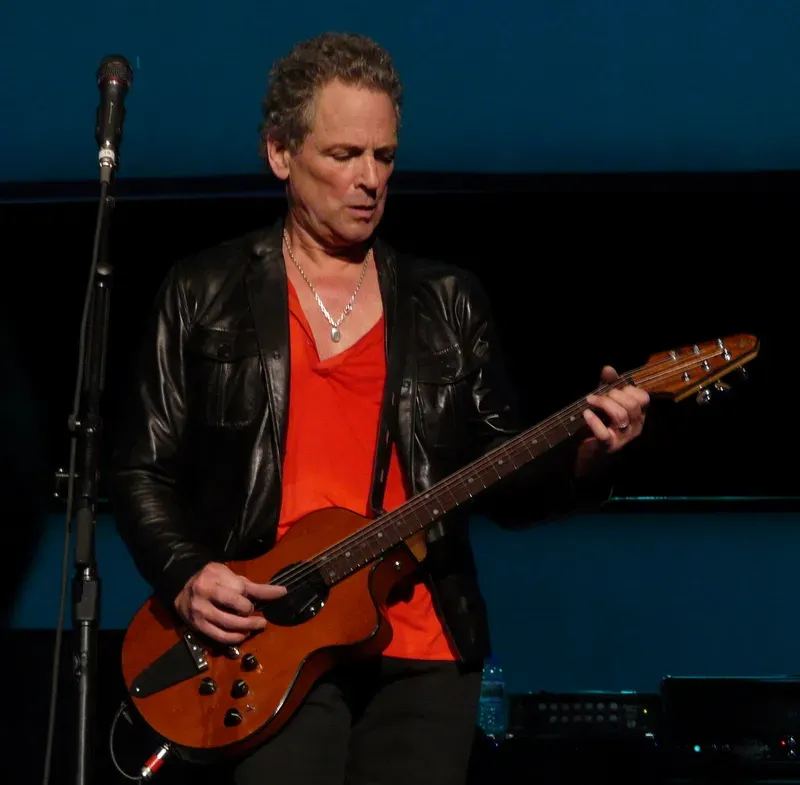
Best known to road-trippers from the Vacation movie franchise, “Holiday Road” by Lindsey Buckingham is widely recognized as one of the best 80s road trip songs to add to any driving playlist. Buckingham, already legendary from his work with Fleetwood Mac, brought a jangly, sun-drenched energy to this track that made it practically synonymous with piling the family into the car and pointing it west. It never took itself too seriously, and that was the whole point.
The song captured something essential about summertime travel in that decade. Ask anyone who grew up in those neon day-glow simpler times, and they’ll tell you there’s just a happy feeling tied to hearing some of these now iconic songs – and eighties songs like this one can turn a boring road trip into a real fun time. “Holiday Road” in particular earned its reputation every single summer it played.
“Fast Car” – Tracy Chapman (1988)
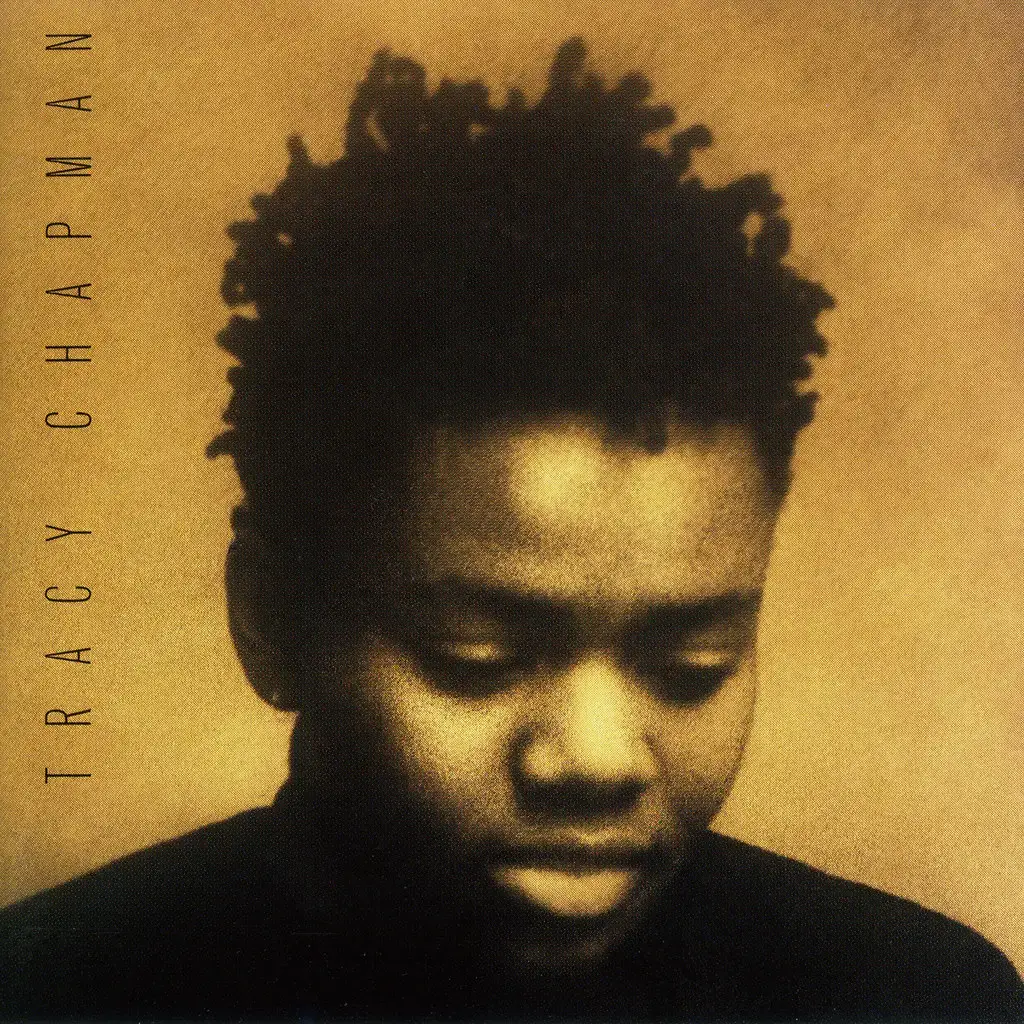
Tracy Chapman’s first single, “Fast Car” (1988), earned her international success and three Grammy Awards, partly thanks to her performance at Nelson Mandela’s 70th birthday tribute concert. In the weeks following her appearance, album sales for her self-titled debut topped two million. The song itself describes using a “fast car” to escape a life of poverty. That emotional core is what made it stick.
Unlike most of the upbeat, synthesizer-driven tracks that defined the decade, “Fast Car” moved at a quieter, more aching pace. It was the kind of song you’d play somewhere in the middle of a long trip, when the conversation had died down and the landscape had gone flat. Its staying power is remarkable – the song found an entirely new generation of fans when country artist Luke Combs brought it back to the top of the charts in 2023.
“Africa” – Toto (1982)

Toto’s “Africa” isn’t just played on radios and clubs to this day – the song has been remixed and remade by all kinds of people, the sign of any great song. Released in 1982, it was a slow-burning hit that initially peaked modestly before climbing to number one on the Billboard Hot 100 in early 1983. The 1980s were defined by artists embracing bold production techniques and synthesizers, and “Africa” remains perhaps the purest expression of that ambition – lush, strange, and utterly committed to its own sonic world.
Its reputation only grew with time. What once seemed like a quirky album cut became a genuine cultural phenomenon across multiple decades, with renewed viral interest in the late 2010s introducing it to millions of new ears. There aren’t many songs from any era that can pull that off. On a long road trip, it still hits differently under an open sky.
“I Can’t Drive 55” – Sammy Hagar (1984)
Sammy Hagar’s tribute to speeding, “I Can’t Drive 55” (1984), was made largely popular through its music video, which received heavy airplay on MTV. The track was Hagar’s direct and unapologetic reaction to the national 55-mph speed limit imposed in the U.S. during the 1970s energy crisis – a limit that was still very much in effect when the song came out. It struck a chord with anyone who’d ever been handed a speeding ticket on an empty stretch of highway.
Among road trip enthusiasts, “I Can’t Drive 55” is often cited as a favorite, with something about its cool flow making it feel perfect for a summer road trip. The songs from the 1980s are not only songs – they’re memories in themselves, carrying a blend of hip-hop attitude, vintage pop, and a touch of metal. Hagar’s track is a textbook example of exactly that mix.
“Road to Nowhere” – Talking Heads (1985)
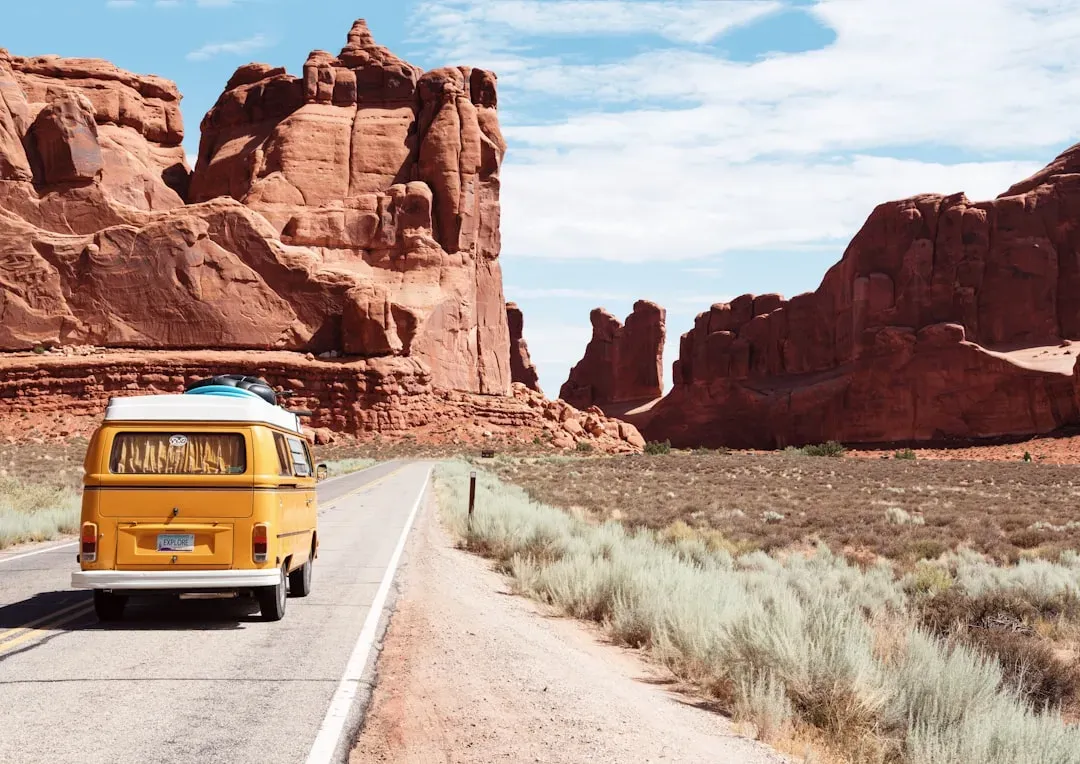
Talking Heads’ “Road to Nowhere” is widely included among the best 80s road trip songs, earning a spot on numerous classic driving playlists. David Byrne wrote the song as an almost philosophical shrug at mortality and uncertainty, wrapping remarkably big ideas inside what sounds, on first listen, like a cheerful communal sing-along. That tension between the lyrics and the melody is part of what makes it so oddly perfect for a long drive.
Released on the band’s 1985 album Little Creatures, it marked a deliberate shift toward a more accessible sound while keeping the cerebral edge intact. Some of the most iconic songs ever were released in the 1980s, and there’s nothing quite like an upbeat song to make you want to just enjoy a nice cruise. “Road to Nowhere” does both things at once: it gets the whole car singing along, then leaves you thinking about it for the next hundred miles.
“Another One Bites the Dust” – Queen (1980)
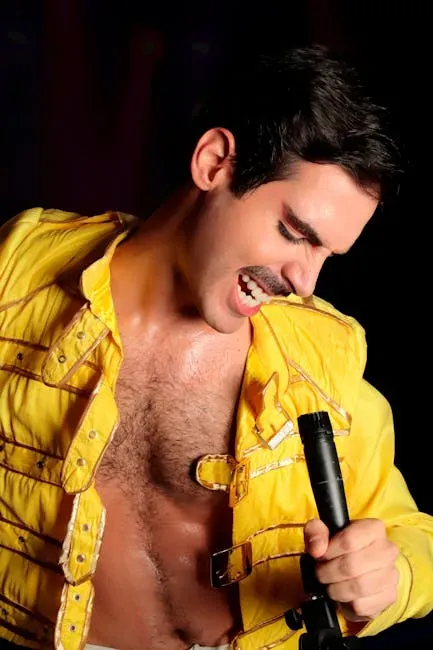
Queen’s “Another One Bites the Dust” is regarded as an all-time great track, paralleled only by classic rock staples like “We Will Rock You” and “Bohemian Rhapsody,” and is considered by many the best song for driving in the band’s entire catalog. The bass line, one of the most recognizable in rock history, does something to a car’s acoustics that’s hard to explain and impossible to ignore. It demands volume.
“Another One Bites the Dust” and its parent album Hot Space came straight out of the early eighties, and the song instantly became a classic – Queen would perform it live at every show until Freddie Mercury’s death. That live energy translated perfectly into a driving song. Whether you were cruising on an interstate or crawling through a city, the track made the moment feel cinematic.
“Eye of the Tiger” – Survivor (1982)

“Eye of the Tiger” won the battle to be cranked up to full volume in the car with all the family aboard, as parents and kids alike slugged it out to do the best rendition of the chorus. Written for the film Rocky III, it became one of the defining anthems of 1982 and lodged itself so deeply in popular culture that its opening guitar riff is still instantly recognizable to virtually anyone alive during that era.
The song hit number one on the Billboard Hot 100 and stayed there for six weeks. Some kids of that generation may still shudder remembering how their stone-washed denim jackets had a tiger motif sewn onto the back. It was that kind of song – it didn’t just sell records, it shaped a whole cultural moment. On a road trip playlist, it functions as a reset button, snapping any quiet car back to full attention.
“When Doves Cry” – Prince (1984)
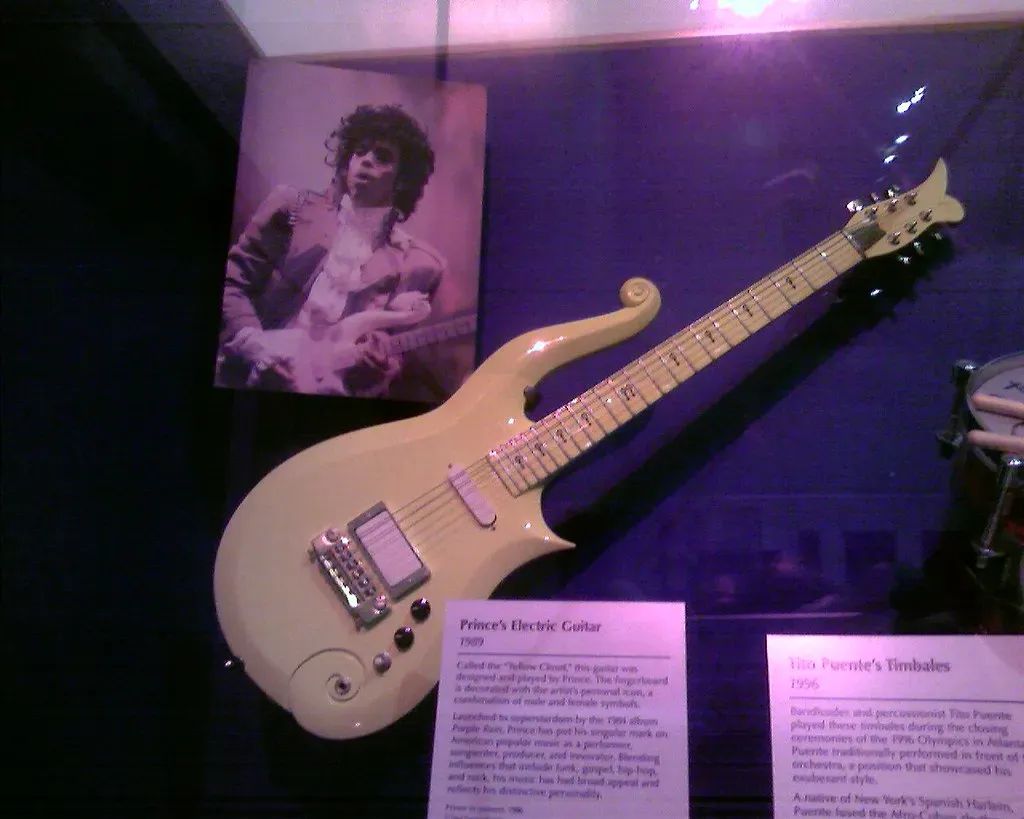
“When Doves Cry” from Purple Rain, despite some of its somber lyrics, is one of Prince’s most iconic songs, and when crafting a driving mix, grand sweeping commercial hits like this are exactly what you need. What made it unusual for the time was what it lacked: the track has no bass line, a deliberate choice by Prince that gave it a stark, almost floating quality unlike anything else on the radio in 1984. It reached number one and stayed there for five weeks.
Prince is one of the greatest pop and R&B musicians of all time, and “When Doves Cry” is considered one of his greatest songs alongside “Purple Rain,” with its catchy beat making it an excellent choice for a nice cruise with the top down and the stereo up. It’s the kind of track that works on a playlist precisely because it surprises you – even now, it doesn’t sound quite like anything before or after it.
“Don’t Stand So Close to Me” – The Police (1980)
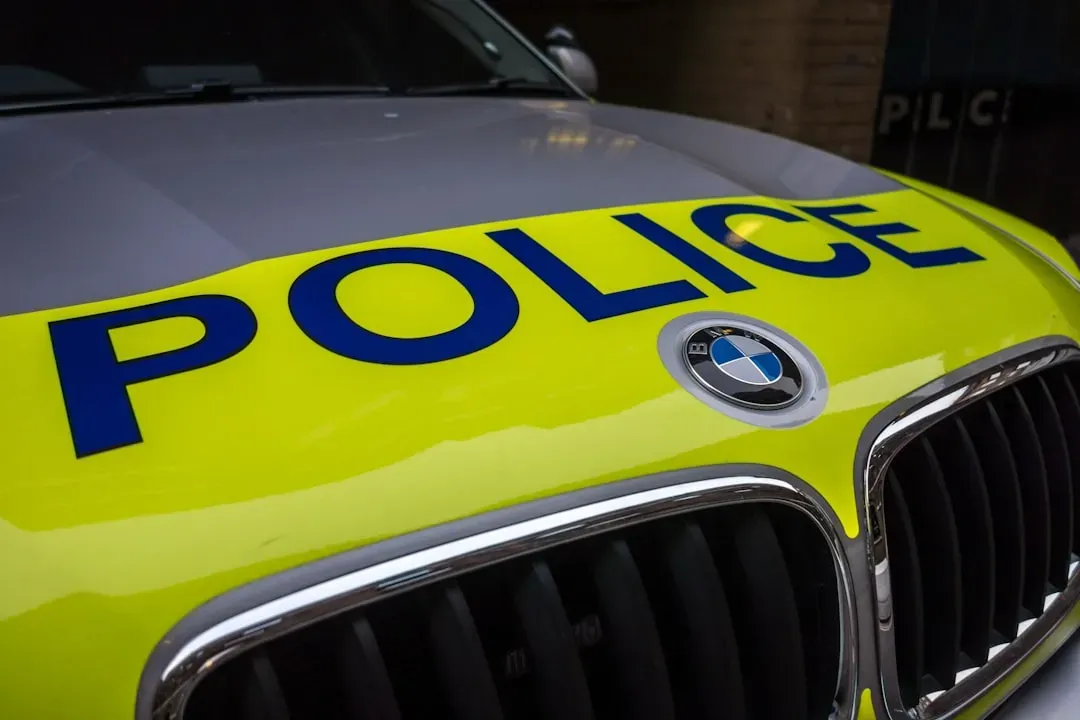
By the time “Don’t Stand So Close To Me” hit the airwaves, The Police were on a roll, taking their third number one spot in the U.K. chart, following “Message In A Bottle” and “Walking On The Moon.” The song was a massive commercial hit on both sides of the Atlantic and showcased Sting’s ability to layer genuine narrative tension beneath a sleek, radio-ready arrangement. It’s more sophisticated than it appears on first listen.
The song calls on lead singer Sting’s experience as a teacher, though he has always denied it is autobiographical. Whatever its inspiration, it was a clean number that paired perfectly with the open road – the kind of track that sounds equally good at 7 in the morning as it does at midnight. The Police were one of the rare bands of that era where nearly every single worked on a driving playlist, and this one sits at the top of that list.
The songs of the 1980s are not only songs – they are memories themselves. Collectively, the tracks on this playlist trace something real about that decade: its restlessness, its ambition, its willingness to be bold and unsubtle and completely sincere all at once. Some of these songs you know every word of without ever having consciously learned them. That’s the strange, durable magic of the best music from any era. It just gets in and stays there.