In the music business, a great song doesn’t always find its permanent home on the first try. Demos get passed around, artists say no for a dozen different reasons, and sometimes a track ends up with someone who was never the original target. What makes these stories compelling isn’t the rejection itself, but the strange, almost accidental logic that follows it.
Some of the most recognizable songs ever recorded exist only because another artist took a pass. The original choice had cold feet, a full album, the wrong gut feeling, or just a firm objection to a lyric. Here are six remarkable cases where a rejection led directly to a career-defining hit.
“…Baby One More Time” – Britney Spears (Originally Pitched to TLC, Then Robyn)

“…Baby One More Time” is inextricably linked to Britney Spears, yet the track was originally supposed to be sung by another act entirely: TLC. The band rejected it, largely because they took issue with the lyric “hit me baby one more time,” which they believed sounded like it referred to domestic violence. The lyric was apparently the result of songwriter Max Martin and co-producer Rami Yacoub’s mistaken belief that “hit” was American slang for “call,” but TLC didn’t interpret it that way.
The song was then passed to Swedish pop singer Robyn, but she thought it too “teen” – which turned out to be exactly what an unknown teenager named Britney Spears needed when she was looking for a hit. The rest is pop history. The song launched one of the biggest careers of the late 1990s and became the signature of an era, proving that the “wrong” artist can sometimes be exactly the right one.
“Umbrella” – Rihanna (Originally Written for Britney Spears)
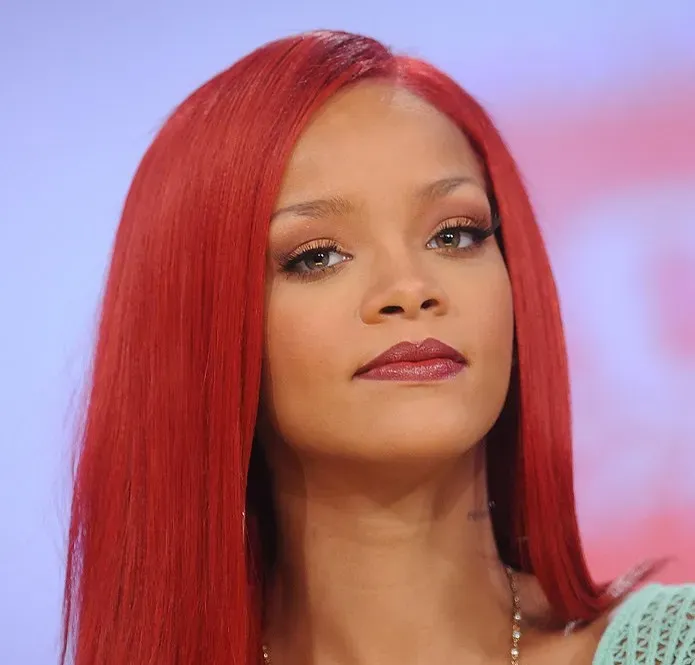
Rihanna’s 2007 smash hit “Umbrella” is now synonymous with her rise to superstardom, but it was originally written with Britney Spears in mind. Spears’ team passed on the track, ultimately landing it in Rihanna’s hands, where it became a global phenomenon and solidified Rihanna’s place in pop history. A demo had been sent to Spears’ management, but it was rejected because the album she was working on, Blackout, was already full. Spears never even heard the song.
It was then pitched to Mary J. Blige and Rihanna, both of whom were told it had been written for them. Island Def Jam ultimately bought the song for Rihanna, believing it could boost her career. At the time, Rihanna was still a mid-tier pop artist. “Umbrella” changed that entirely, transforming her into a genuine global superstar and reshaping the direction of her sound for years to come.
“I Will Always Love You” – Whitney Houston (Written and First Recorded by Dolly Parton)
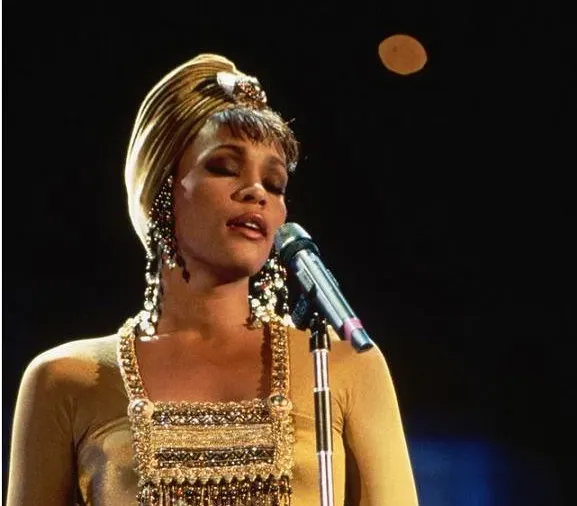
This is one of music’s most layered origin stories. “I Will Always Love You” was written and originally recorded in 1973 by Dolly Parton, penned as a farewell to her business partner and mentor Porter Wagoner, expressing her decision to pursue a solo career. When the song reached number one on the country charts, Elvis Presley expressed interest in recording it. Parton was open to the idea until Presley’s manager, Colonel Tom Parker, told her it was standard procedure for the songwriter to sign over half the publishing rights – and Parton refused.
In 1992, Whitney Houston recorded a new arrangement for the soundtrack to The Bodyguard. She had originally been going to record a cover of Jimmy Ruffin’s “What Becomes of the Brokenhearted” as the lead single, but when it was discovered that song was earmarked for another film, Houston needed a replacement. It was her co-star Kevin Costner who suggested “I Will Always Love You,” playing her Linda Ronstadt’s 1975 version. Houston’s version peaked at number one on the Billboard Hot 100 for a then-record-breaking 14 weeks. The single was certified diamond by the RIAA, becoming the best-selling single by a woman in the United States.
Partner offer
“Since U Been Gone” – Kelly Clarkson (Passed Over by Pink and Hilary Duff)

Kelly Clarkson’s energetic anthem “Since U Been Gone” was almost sung by someone else. Songwriters Max Martin and Dr. Luke initially offered the song to Pink and Hilary Duff, but both artists passed on it. Clarkson’s raw vocals and powerful delivery made the song a massive success, helping define her career. The fact that two established names said no before it reached Clarkson makes the story all the more striking.
Clarkson ended up releasing it as the first single off her 2004 album Breakaway. Neither Pink nor Duff wrote the song – Max Martin and Dr. Luke did. “Since U Been Gone” quickly became the post-breakup anthem for a generation, and it earned Clarkson the Grammy for Best Female Pop Vocal Performance. It’s difficult to imagine the song working quite as well for anyone else, which may be the clearest argument for why rejections sometimes produce the best possible outcomes.
“Whataya Want from Me” – Adam Lambert (Written and Demoed by Pink)
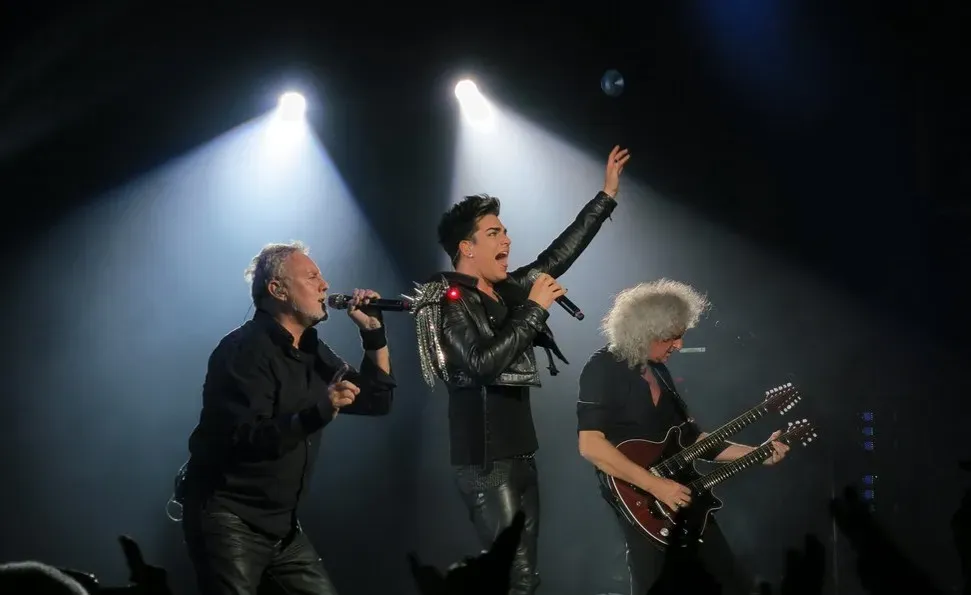
Co-written by Pink alongside Swedish hitmakers Max Martin and Shellback, “Whataya Want from Me” was originally intended to appear on Pink’s album Funhouse. She had already recorded the song, but it was ultimately scrapped from the track list. It was then handed to Adam Lambert, fresh off his American Idol run and putting together his debut studio album For Your Entertainment, where it became a huge success – cracking the top ten in many countries and receiving a Grammy nomination.
The detail that makes this case particularly unusual is that Pink didn’t just pass on the song in demo form. Her recorded version still appears on select releases of her compilation album Greatest Hits… So Far!! That means listeners can actually compare the two interpretations and judge for themselves. Lambert’s version leaned into his theatrical vocal style in a way that helped the song find an audience that might never have connected to it otherwise.
“Wrecking Ball” – Miley Cyrus (Originally in Sessions for Beyoncé)

Wrecking Ball became a huge hit for Miley Cyrus in 2013, hitting number one on the Billboard Hot 100 and staying on the chart for 32 weeks. Cyrus made the song entirely her own, but she didn’t write it. In fact, the song was originally written for Beyoncé. The songwriters penned the tune during a writing session intended for Queen Bey. Once it was finished, everyone agreed it wasn’t a good fit, so they quickly offered it to Cyrus instead.
The song had been initially pitched to other prominent artists, including Beyoncé, before Cyrus selected it, aligning with her strategy of curating material that underscored vulnerability amid her image overhaul. Its stark ballad style contrasted with earlier Bangerz singles, helping Cyrus demonstrate commercial viability during her label transition. Billboard’s Jason Lipshutz highlighted the song’s “bruising emotion” and Cyrus’s ability to convey raw heartbreak, positioning it as a stark contrast to her earlier party-anthem phase. The decision to record a song written for someone else ultimately became the pivot point of her entire artistic identity as an adult performer.
What ties these six stories together isn’t luck, exactly. It’s the unpredictable chemistry between a song and the voice that ultimately records it. Every rejection in this list opened a door that changed the course of at least one career. A passed demo isn’t a dead end in music. Sometimes it’s just a song waiting to find the person who actually needs it.
Partner offer
Planning a trip to Vegas?
Compare hotel rates and show tickets on VEGAS.com.