
The Oscar for Best Picture is cinema’s highest official honor. It’s supposed to mark a film as the best of its year, something that will endure. Yet looking back at nearly a century of winners, a striking pattern emerges: the Academy’s taste in the moment doesn’t always match how history judges a film decades later. The Best Picture Oscar is the most coveted prize the film industry has to offer, meant to solidify a period in cinematic history. The history of films that won it is fraught, with many instances in which it appeared like history got it wrong. Critics, film historians, and cinephiles have long debated which wins were genuine and which were shaped by politics, sentimentality, or the Academy’s stubborn blind spots.
Crash (2005) – A Win That Almost Nobody Defends Anymore
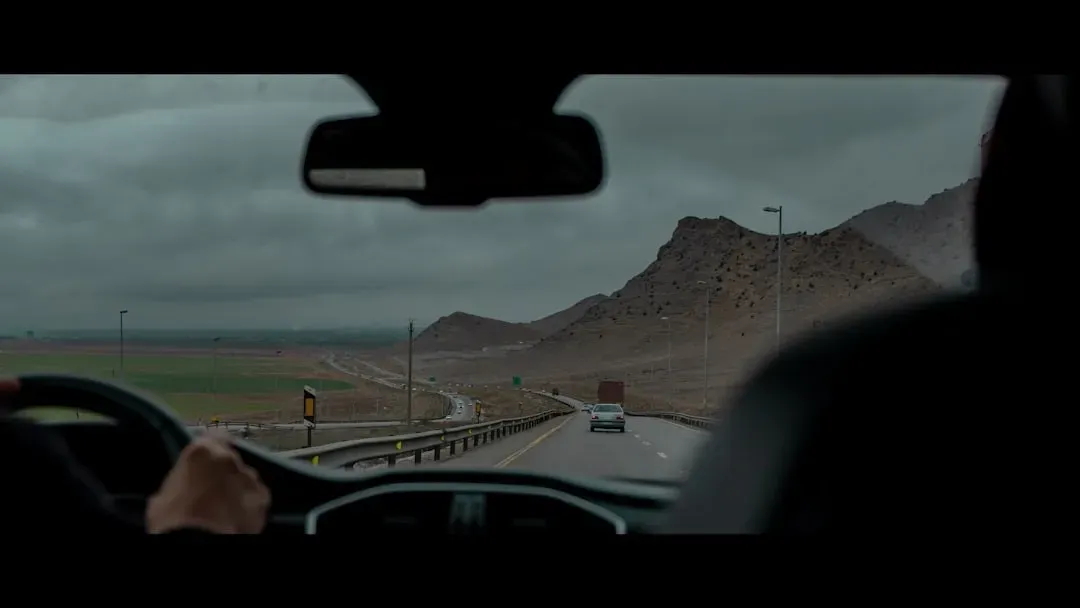
Crash won Best Picture because a large contingent of the Academy refused to give the award to Brokeback Mountain, a gay romance movie, in 2006. The circumstances surrounding the win were controversial from the very night it was announced, and things haven’t improved with time.
Crash may be the single worst film to ever win Best Picture, going beyond simply being “overrated.” While older Best Picture winners can be justified as products of their era, Crash is a cloying, melodramatic film about race relations that ends up incorporating every stereotype imaginable. Not even Paul Haggis himself thinks Crash was the best film of 2005. That is a remarkable thing for any filmmaker to admit about their own Oscar-winning work.
How Green Was My Valley (1941) – The Film That Beat Citizen Kane

How Green Was My Valley is most memorable for being the answer to the trivia question, “Which film beat Citizen Kane at the 1942 Oscars?” That reputation has essentially swallowed everything else about the film. It’s a real thing to say about a Best Picture winner.
While How Green Was My Valley is a very nice drama, it is certainly not one of John Ford’s best films, and definitely did not deserve to win over Citizen Kane, which is widely regarded as one of the greatest films ever made. To this day, Welles’ audacious film directing debut tops many critics’ lists of the best films of all time. A thinly veiled takedown of newspaper publisher William Randolph Hearst, the film was nominated for nine Oscars but its only win was for Best Original Screenplay.
Shakespeare in Love (1998) – Harvey Weinstein’s Most Notorious Victory
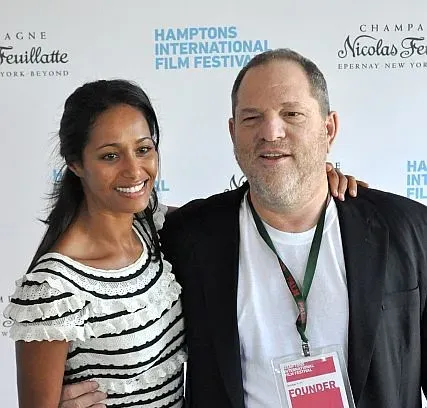
Shakespeare in Love is one of the biggest upsets in Oscar history, as the film famously beat Saving Private Ryan for the top prize, even though Steven Spielberg had already won for Best Director. The gap between the two films in terms of lasting critical prestige has only widened since.
Even though Gwyneth Paltrow’s performance was beloved, the success of Shakespeare in Love at the Oscars was largely credited to Harvey Weinstein, who became known for his aggressive campaigning techniques. Weinstein successfully created smear stories that targeted the accuracy of Saving Private Ryan, and tried to convince voters that the film peaked after its riveting D-Day opening sequence. It remains one of the clearest examples of a campaign winning over a film.
Driving Miss Daisy (1989) – Safe, Polished, and Embarrassingly Regressive

In 1989, Driving Miss Daisy rode a formula of respectable ambience, respectable structure, respectable cinematography, respectable storytelling, respectable dialogue, and respectable values to glowing reviews and an easy Best Picture win, despite some dissent and controversy. It was the kind of film the Academy loved in that era.
Driving Miss Daisy is a Best Picture winner that was seen as regressive and problematic at the time, and has only aged worse in subsequent years. While a story focused on the friendship between an elderly white woman and her African-American driver is already filled with stereotypes, the win was even more egregious when considering that Spike Lee’s masterpiece Do the Right Thing wasn’t even nominated. The lineup also included the powerful coming-of-age drama Dead Poets Society, the baseball classic Field of Dreams, Oliver Stone’s riveting Vietnam War epic Born on the Fourth of July, and My Left Foot, for which Daniel Day-Lewis won his first Best Actor award.
Dances with Wolves (1990) – Kevin Costner Over Martin Scorsese

That any movie nominated the same year as Goodfellas would win against that groundbreaking gangster film immediately suggests it is overrated. What makes the win by the epic Western Dances with Wolves even more confounding is that it also perpetuates the outdated white savior trope, which would likely never fly today and shouldn’t have even back then.
The film has since been criticized for its lack of authenticity, particularly regarding the Lakota language, which only one actor in the movie was actually a native speaker of. Dances with Wolves was a passion project for Kevin Costner, who starred, directed, and produced it. Passion projects deserve recognition, but not necessarily at the expense of one of cinema’s defining works. Goodfellas remains a fixture on virtually every reputable list of the greatest films ever made.
Forrest Gump (1994) – Sentiment Over Substance
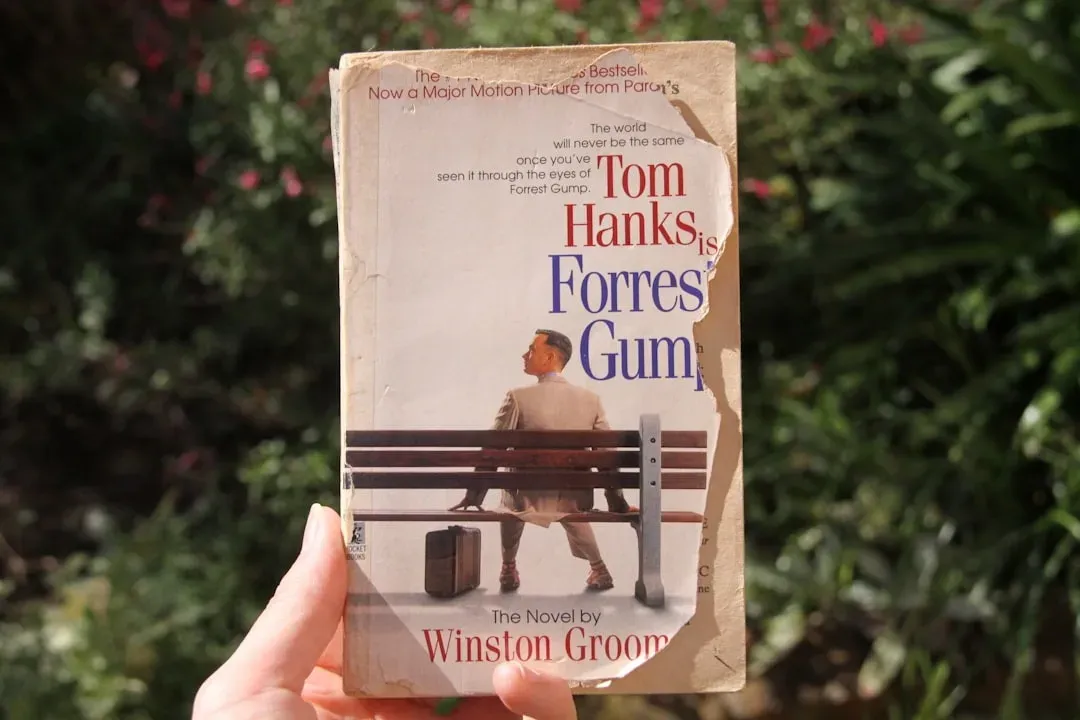
Forrest Gump won Best Picture over Quentin Tarantino’s Pulp Fiction, and some believed that win wasn’t quite deserved because Pulp Fiction has been viewed as a more unique and groundbreaking film that should have walked away with top honors. The debate has never really cooled down, three decades later.
Both Pulp Fiction and The Shawshank Redemption have essentially remained critical darlings for their entire lives, with both of them in the top ten of IMDB’s best 250 movies, where The Shawshank Redemption currently sits at number one. Forrest Gump is still highly regarded, of course, but has been continuously reevaluated over the years, poorly by most assessments. Compared to Pulp Fiction and The Shawshank Redemption, it simply doesn’t feel as timeless.
Green Book (2018) – A Feel-Good Story That Felt Very Familiar

Green Book received warm critical praise upon release, but as it expanded into more theaters, backlash rose against the movie’s retrograde racial politics. The comparison to an earlier controversial winner was almost instant. Crouching Tiger, Hidden Dragon led by 27 Metascore points over the eventual Best Picture winner Green Book.
Even Don Shirley’s surviving family called the movie a “symphony of lies.” The film’s narrative choices drew criticism not just from reviewers but from people directly connected to the true story it claimed to tell. Many observers were unhappy with the Green Book win, seeing it as another “white saviour” film in a lineage that, by 2019, the Academy really should have moved past.
The Greatest Show on Earth (1952) – A Career Tribute Masquerading as a Best Picture

The Greatest Show on Earth is a charming movie that made waves when it debuted in 1952, becoming a box-office success. Going up against much more nuanced films like High Noon, Ivanhoe, and The Quiet Man, it continues to be named among the worst Best Picture winners in Oscar history. High Noon alone has proven to be one of the most studied and referenced Westerns ever made.
Many believe the win was simply a way to cap off Cecil B. DeMille’s almost 40-year career at the time. Considered a founding father of American cinema, it was to be his final project and, as a fitting send-off, marked his first nomination and win. Interestingly, DeMille did return four years later with The Ten Commandments, which would have been a far more fitting tribute to his illustrious career. The Academy gave the trophy to the man rather than the movie, and history has made that fairly clear.