Some songs get sung along to for decades before anyone stops to notice what the words actually say. A driving beat, a catchy chorus, and suddenly a tune about heartbreak or tragedy turns into a wedding anthem or a stadium chant. It happens more often than you’d think, and the gap between what a song sounds like and what it means can be pretty wide. Below are six songs where the popular reading and the songwriter’s intent parted ways a long time ago. Some of these mix ups changed how the songs get played live. Others just made for some awkward moments at parties.
Born in the U.S.A. by Bruce Springsteen
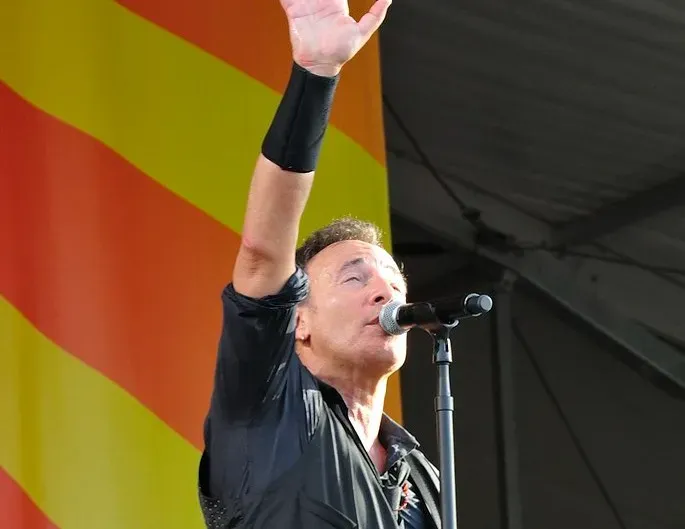
Few songs have been more thoroughly hijacked by their own chorus than this one. Often misinterpreted as a full-throated patriotic anthem, “Born In The U.S.A.” is about the problems Vietnam veterans faced when they returned to America. This song was inspired by a chance encounter with Ron Kovic, who was confined to a wheelchair after being shot while fighting in the Vietnam War.
The confusion did not stay confined to casual radio listeners. Springsteen’s famous 1984 single has been used by politicians including presidents Ronald Reagan and Donald Trump. Springsteen has since said the song demands that listeners hold two contradictory ideas at once, being critical of the country while still feeling connected to it, which is exactly the tension most people miss when they only catch the chorus.
Every Breath You Take by The Police

This one gets picked as a first dance song more often than almost any track from the era, which is a little unsettling once you know the backstory. Sting explained: “I think it’s a nasty little song, really rather evil. It’s about jealousy and surveillance and ownership.” He wrote it during the breakup of his first marriage, and the possessive watching described in the lyrics was never meant as tenderness.
Even his own bandmates missed it at first. If you didn’t catch the true meaning of this song, don’t worry, Stewart Copeland didn’t either. It wasn’t until after the song was released that he realized it wasn’t a love song. Sting later admitted he enjoys the ambiguity rather than correcting people, which probably explains why it keeps showing up at weddings anyway.
Fortunate Son by Creedence Clearwater Revival
This 1969 track gets treated like flag waving rock and roll at barbecues and ballgames, but that reading skips right past the point. If “Born in the U.S.A.” is rock ‘n’ roll’s preeminent misunderstood protest song, Creedence Clearwater Revival’s “Fortunate Son,” from 1969, is a close second. John Fogerty wrote it as a direct jab at privilege and draft dodging during the Vietnam War era.
The opening lines sound almost celebratory if you are not paying attention. The song has been similarly treated as a patriotic working-class anthem, but listen past its star-spangled opening lines for John Fogerty’s anti-establishment storytelling about how the poor were sent to fight and die in Vietnam while the wealthy were spared. It is a protest song wearing the clothes of an anthem, which is precisely how it kept getting misread for so many years.
Pumped Up Kicks by Foster the People
The breezy, sun soaked production on this 2011 hit made it feel like summer background music, but the lyrics tell a much darker story. Foster wrote the track from the point of view of a deeply troubled youth named Robert, who’s named only once at the beginning of the song. Robert’s got a quick hand He’ll look around the room, but won’t tell you his plan. The song follows the internal thoughts of an isolated teenager rather than glorifying any actual act of violence.
Foster himself has pushed back on the simplest version of the story. He explained that school shootings weren’t directly referenced in the song and that people have misconstrued it by adding in their own notions. He went on to say that it is more about the place where troubled youth can be, mentally. The band has since scaled back performing it, especially after mass shootings made the lyrics feel too close to real headlines rather than a cautionary warning.
Semi-Charmed Life by Third Eye Blind

This song basically defined a certain kind of late nineties radio optimism, all bright guitar riffs and singalong energy. That surface hides a much rougher subject. Riddled with references to crystal meth, the 1997 hit spoke to the life-altering state of addiction.
Frontman Stephan Jenkins built the mismatch on purpose, pairing the darkest lyrics with the shiniest possible sound. Stephan Jenkins explained on the HBO show Reverb that they intentionally put a chipper melody to the dark lyrical content. Said Jenkins: “When I wrote ‘Semi-Charmed Life,’ the guitar riff was intended to have this sort of bright duh-nuhnuh-nunt, this shiny thing, because that was a feeling of speed. You know, it’s sort of a bright, shiny drug. Plenty of people have belted out the chorus for years without ever clocking the meth references buried right in the second verse.
Closing Time by Semisonic
On paper this is just a song about last call at a bar, and for a long time that is exactly how most listeners took it. The truth is a bit more tender. This song has a very literal meaning, being asked to leave a bar, but it goes much deeper than that. Semisonic lead singer Dan Wilson wrote the song when his wife was pregnant with their first child.
Wilson has said the double meaning crept in almost by accident while he was writing. “Some bouncers yelling things, closing time coming, all that imagery, literally, that’s how the song started and then when I was halfway done, I started realizing the whole thing was a pun about being born, so I just made sure that the rest of the thing could ride with that double meaning, but nobody got the joke and I didn’t bother to explain.” Even the line about a room that will not open until brothers or sisters arrive is a quiet nod to the womb rather than a literal venue, which most bar patrons singing along have probably never noticed. Six songs, six moments where the tune won out over the words. It is a reminder that a great hook can carry a lyric a long way, sometimes further than the songwriter ever intended.