Behind some of the most famous songs in music history are real relationships, real heartbreaks, and real people who never asked for the spotlight. Some of these muses embraced their unexpected fame, while others spent years avoiding questions about a song that made their name a household word. Here is a closer look at eight tracks with true stories behind the lyrics, backed by the songwriters’ own accounts.
1. Hey Jude by The Beatles
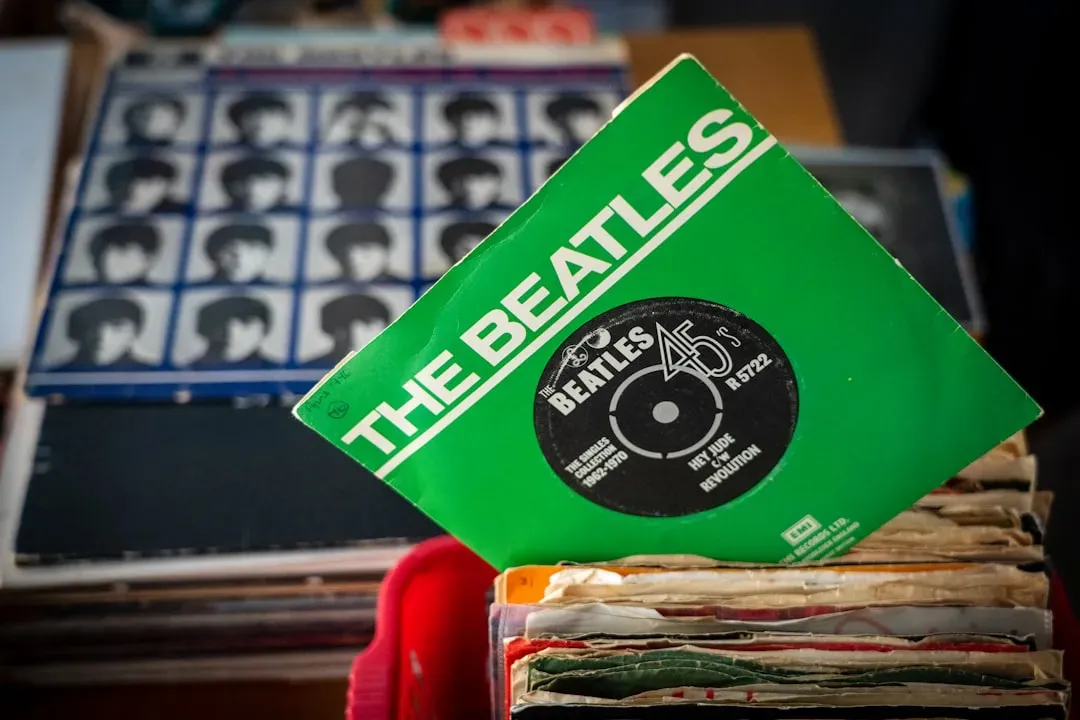
Paul McCartney wrote this 1968 classic for Julian Lennon, John Lennon’s young son, during the difficult period when John left his first wife, Cynthia, for Yoko Ono. McCartney has explained many times that he drove out to visit Cynthia and Julian and came up with the song on the way, originally calling it “Hey Jules” before changing the name to make it feel less specific.
Julian didn’t learn the truth about the song’s origin until decades later, and he has spoken about how moved he was to discover that his father’s bandmate had written something so tender for him during a painful family split. The song became one of the Beatles’ biggest hits and remains one of the most recognizable pieces of pop songwriting ever released.
2. Layla by Eric Clapton

Eric Clapton wrote this 1970 rock staple about Pattie Boyd, who at the time was married to his close friend George Harrison. Clapton has openly discussed how he fell for Boyd while she was still married to Harrison, and the song’s title came from a Persian love story about a man driven to madness by unattainable love.
Boyd eventually left Harrison and married Clapton in 1979, though the marriage later ended in divorce. The song stands as one of the more famous examples of a musician turning a real, complicated love triangle into a piece of rock history that outlasted the relationship itself.
3. Jolene by Dolly Parton
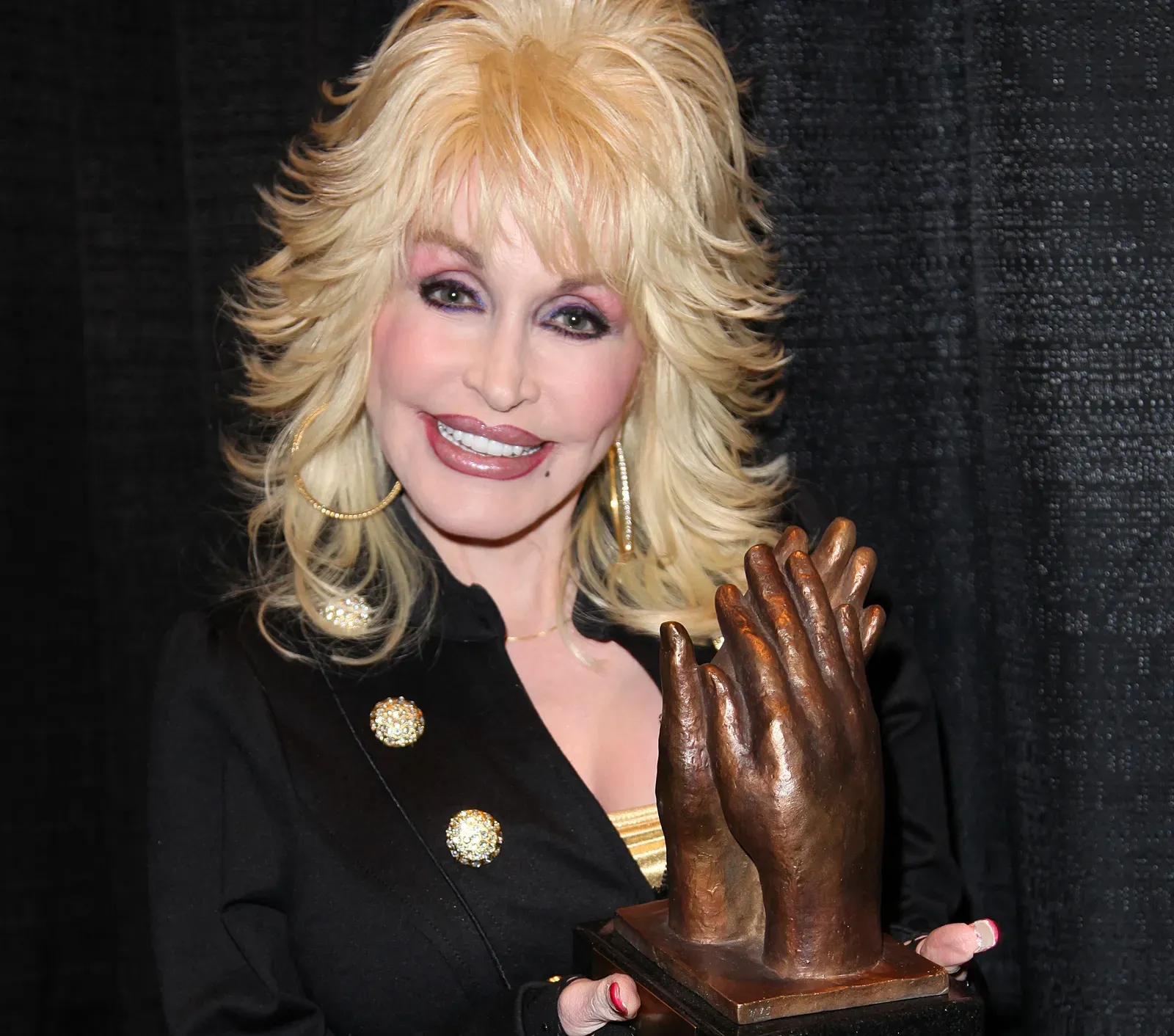
Dolly Parton has told this story many times over the years, and the details are refreshingly consistent. The song was mainly inspired by a red-haired bank teller who flirted with her husband, Carl Dean, all the way back at the beginning of their marriage. “She got this terrible crush on my husband,” Parton told NPR in 2008. “And he just loved going to the bank because she paid him so much attention. It was kinda like a running joke between us.”
Interestingly, the name Jolene came from an entirely different source. Parton told NPR that part of the song came from a young fan she met at a show, who she estimated was probably about eight years old at the time. Parton combined the bank teller’s storyline with the young fan’s striking name and appearance to create one of country music’s most enduring characters.
4. You’re So Vain by Carly Simon
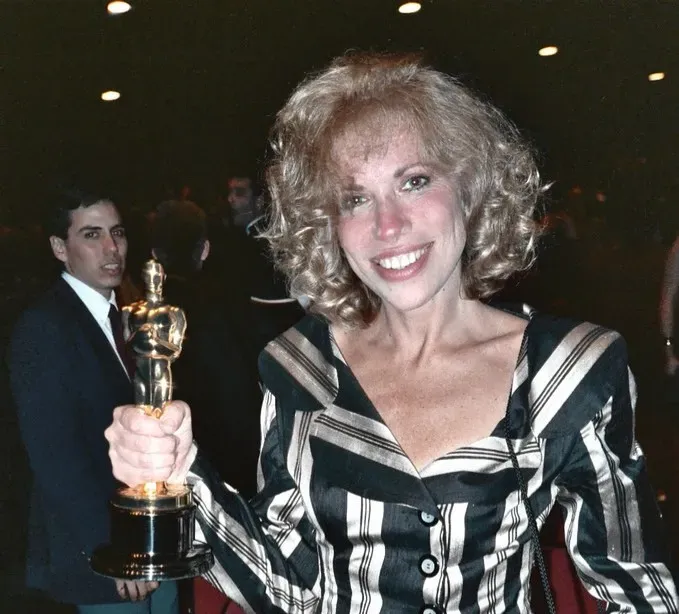
For more than four decades, fans debated who inspired this 1972 hit, with names ranging from Mick Jagger to James Taylor floating around. Simon finally addressed the mystery in 2015 while promoting her memoir, confirming that the song refers to three men, one of whom she has named publicly, the actor Warren Beatty.
Simon was careful to note the confirmation only applied to part of the song. She noted that doesn’t mean the other two verses aren’t also about Warren, it just means that the second one is. Beatty himself never shied away from claiming the connection, having told a British newspaper in 2007 that he believed the song was simply about him.
5. Tears in Heaven by Eric Clapton
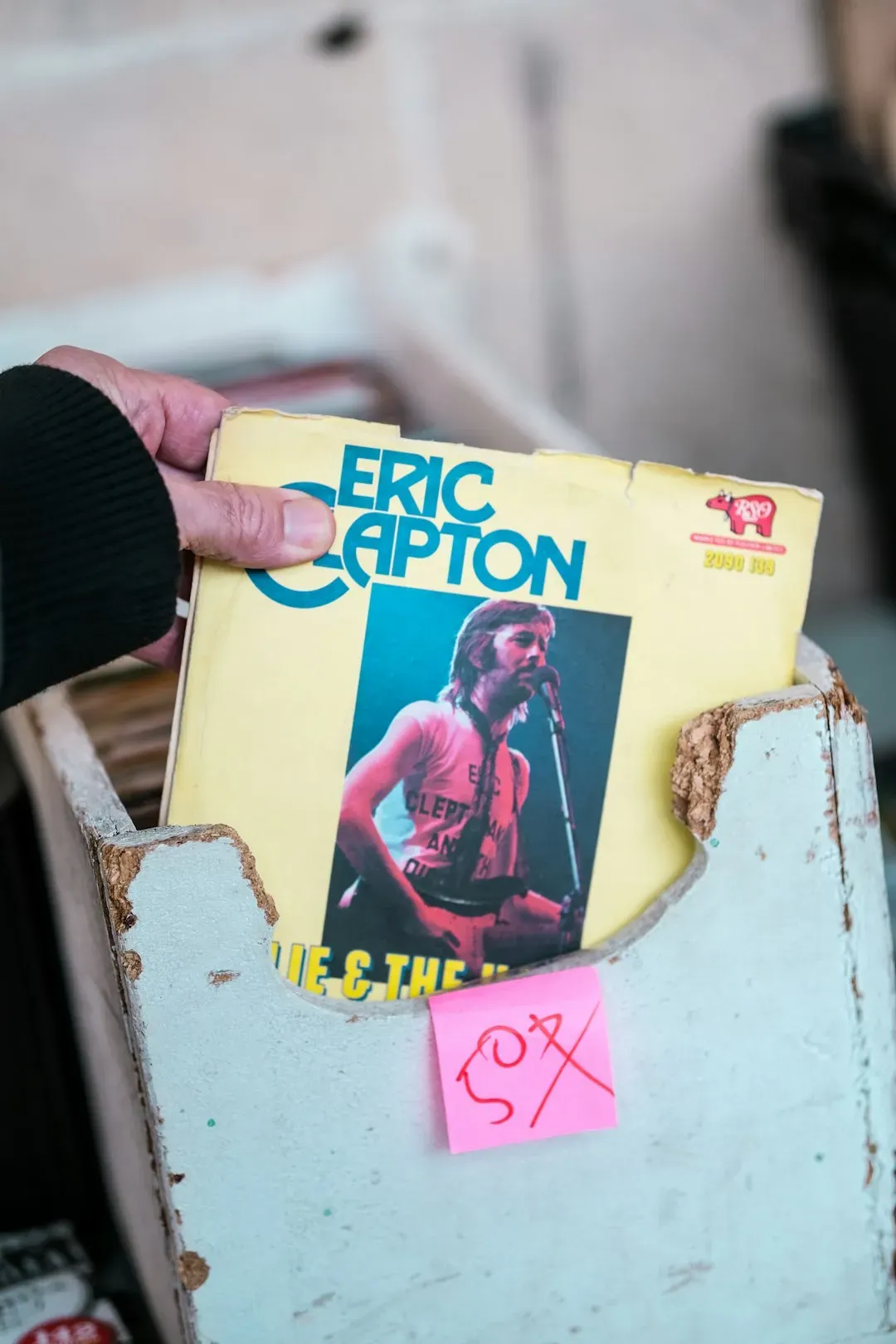
This 1991 ballad carries one of the most heartbreaking backstories in popular music. The song was inspired by Clapton’s son’s tragic death at the age of four when he fell from the window of a New York City apartment building in March 1991. Clapton wrote it alongside Will Jennings for the soundtrack of the film Rush, and he has since described the process as a necessary way to channel unbearable grief.
The song went on to earn three Grammy Awards, including Song of the Year, after Clapton performed it during his MTV Unplugged set. Despite the song’s massive success, Clapton eventually stopped performing it live, explaining that revisiting that period of loss on stage became too difficult over time.
6. My Sharona by The Knack

Released in 1979, this new wave hit was written by Knack frontman Doug Fieger about his teenage girlfriend, Sharona Alperin. Fieger revealed that it was inspired by his 17-year-old girlfriend Sharona Alperin, and their blossoming relationship helped inspire the singer over a two-month long songwriting binge. The two dated for four years and were briefly engaged before eventually parting ways as a couple, though they stayed close friends.
Alperin later became a successful Los Angeles real estate agent and has openly embraced her connection to the song, even naming her business website after it. At age 17, Alperin was the inspiration for one of popular music’s catchiest songs of all time, written by The Knack’s Doug Fieger. The song hit number one on the Billboard Hot 100 and remained there for six weeks, cementing both the band and its muse in music history.
7. Sweet Child O’ Mine by Guns N’ Roses
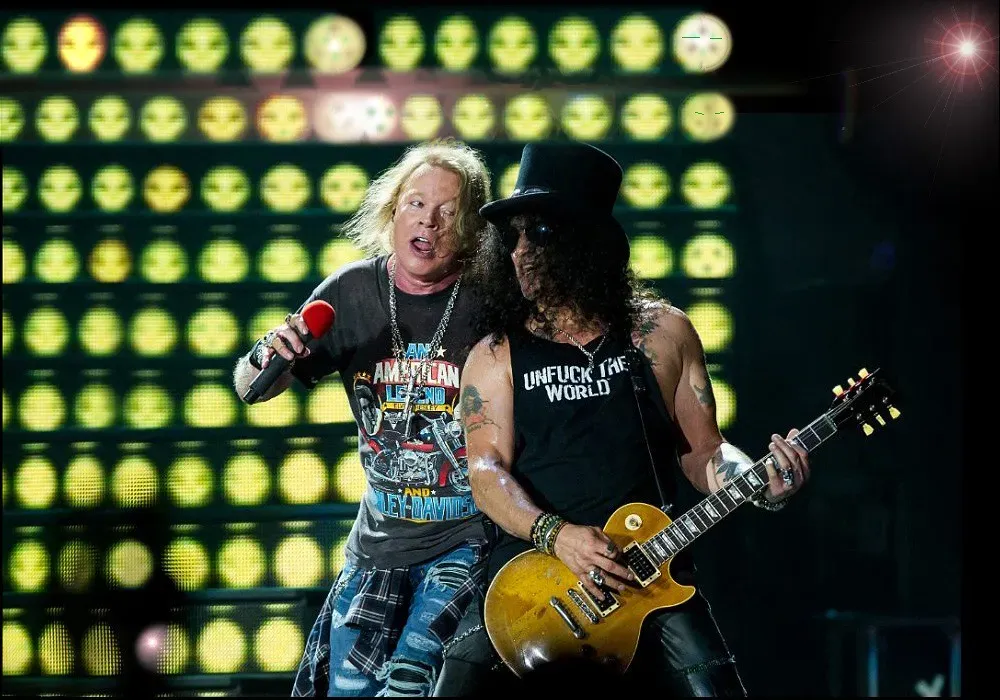
Axl Rose wrote this 1987 power ballad about Erin Everly, daughter of Everly Brothers singer Don Everly, whom he was dating at the time. Guitarist Slash originally came up with the song’s now-iconic opening riff as a joke during a warmup session, not realizing it would become one of the most recognizable guitar intros in rock history.
Rose and Everly eventually married in 1990, though the marriage was famously turbulent and lasted only a matter of months before it was annulled. The song itself remains one of Guns N’ Roses’ signature tracks and their only number one single on the Billboard Hot 100.
8. American Pie by Don McLean
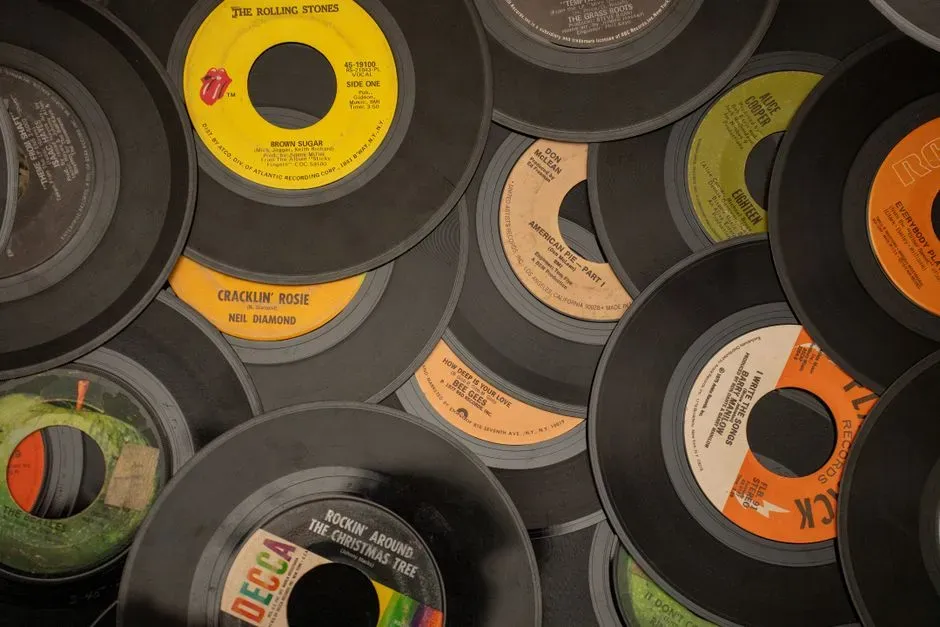
Don McLean’s sprawling 1971 song is widely understood to be a tribute to Buddy Holly, whose death in a 1959 plane crash along with Ritchie Valens and The Big Bopper became known as “the day the music died.” McLean was a paperboy as a child and has said he learned of Holly’s death while folding newspapers, an experience that stayed with him for years before he turned it into song.
While McLean has been famously cagey about decoding every lyric in the eight-and-a-half-minute track, he has confirmed the Buddy Holly connection as the emotional anchor of the song. American Pie went on to top the Billboard Hot 100 and remains one of the longest number-one singles in chart history, still played and analyzed by fans more than five decades later.
These songs remind us that even the most universal lyrics often start with something deeply specific: a person, a moment, a loss that a songwriter couldn’t shake. Whether the muse embraced the attention or spent years avoiding it, each of these tracks proves that real life still makes for the most enduring songwriting material.