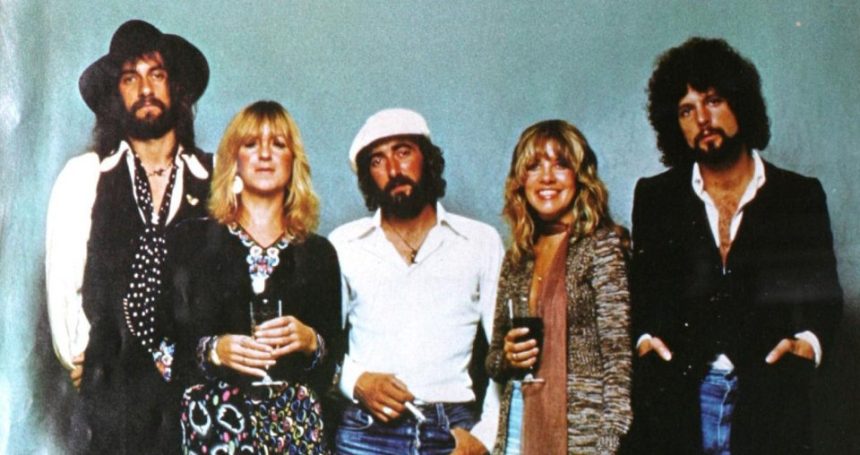
Every so often, an album comes out to a wall of bad reviews, only to be quietly rehabilitated years later by the same critical establishment that dismissed it. It’s a strange pattern in music history: the records that were supposed to sink a career sometimes end up defining it. What follows are eight examples where the initial verdict turned out to be spectacularly wrong.
1. Weezer, Pinkerton (1996)
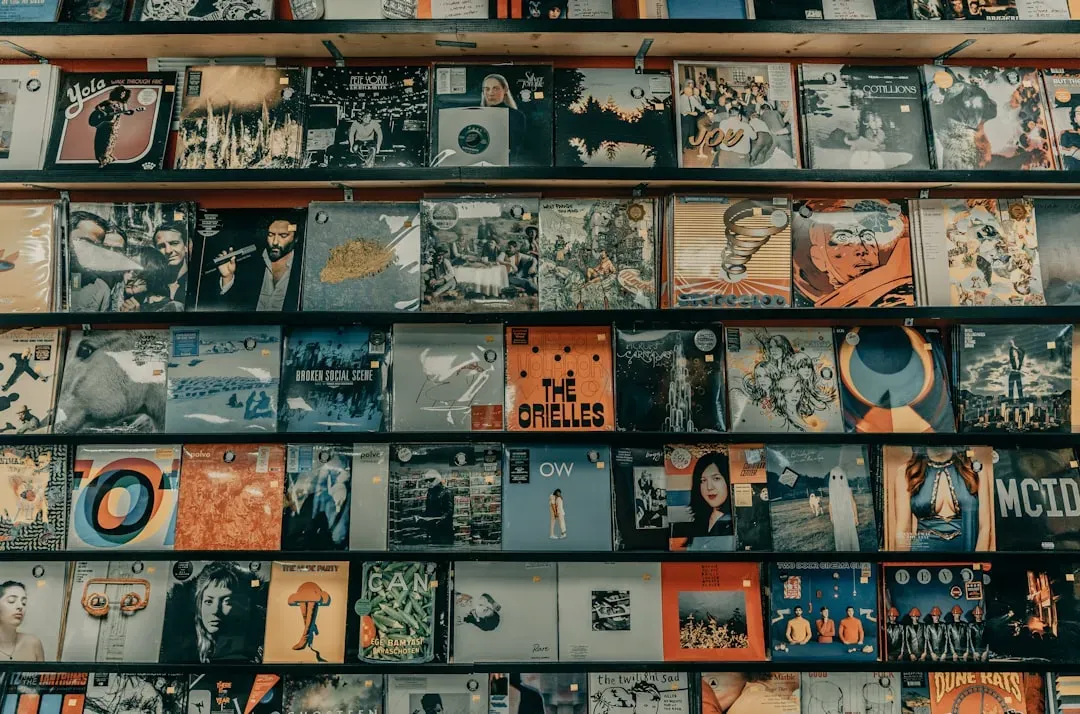
When Pinkerton arrived in late September 1996, it was quickly labeled a commercial and critical disappointment. Rolling Stone readers reportedly ranked it among the worst albums of that year, a detail that still seems almost unbelievable given where the record sits now. The rawer, more confessional songwriting caught listeners off guard after the polished charm of the Blue Album.
The reversal took time, but it was thorough. The album has since received a critical reappraisal and was certified gold in 2001 and platinum in 2016. Today Pinkerton is routinely cited as one of the defining alternative rock records of the nineties, a favorite among emo and indie musicians who grew up with it as a formative text.
2. Lou Reed, Berlin (1973)
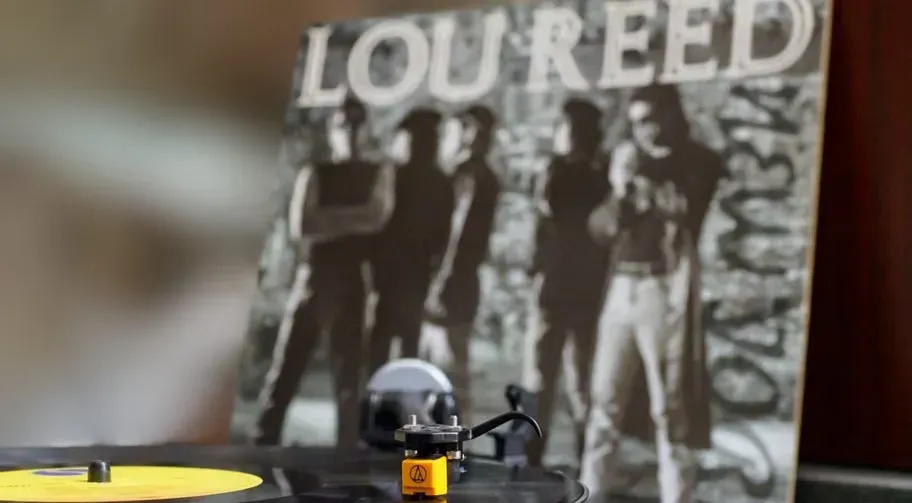
Few reversals in rock criticism are as dramatic as this one. Rolling Stone castigated it as one of “certain records so patently offensive that one wishes to take some kind of physical vengeance on the artists that perpetrate them.” Robert Christgau was equally unimpressed at the time, and the commercial response matched the critical one.
Reed himself never fully recovered from the sting of that reception, later saying the album’s poor showing was among the biggest disappointments of his career. Yet the tide turned decisively. Rolling Stone would eventually add Berlin to its list of the 500 Greatest Albums of All Time, and the record is now widely regarded as one of the boldest concept albums of the seventies.
3. Fleetwood Mac, Tusk (1979)
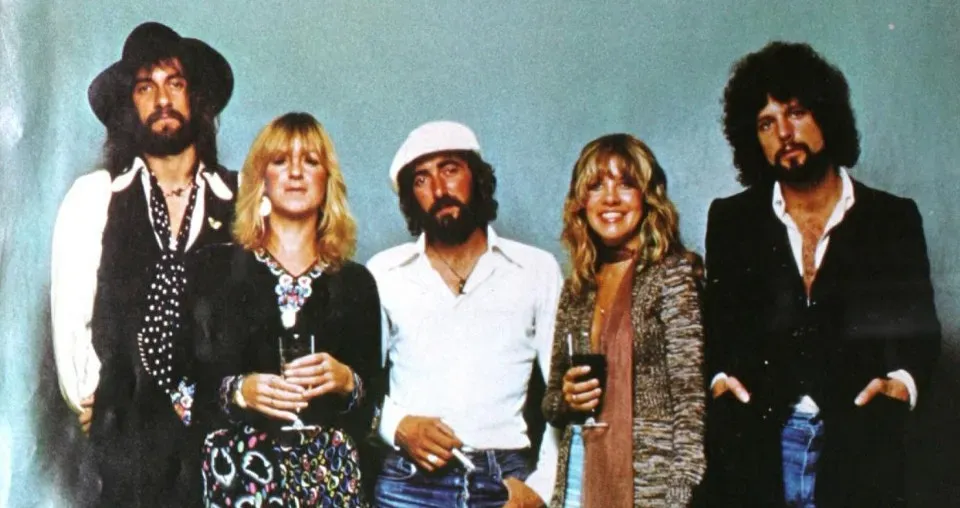
Following up a record that sold tens of millions of copies is an impossible task, and Fleetwood Mac chose not to even try. Instead of chasing Rumours, they delivered a sprawling, twenty-track double album built on Lindsey Buckingham’s restless experimentation. Creem called it “dull” and compared it to a “white elephant,” while the Los Angeles Times complained that it sounded like “a random collection of tunes.”
Commercially, it fell well short of expectations too. The double album sold 4 million copies worldwide, a respectable figure for any other band, but a steep comedown after Rumours’ 40 million. The reassessment since has been striking, with critics reassessing it as a misunderstood masterpiece, a proto-indie record that anticipated the genre-fluid landscape of modern rock, with artists from Tame Impala to St. Vincent citing it as an influence.
4. Bob Dylan, Self Portrait (1970)
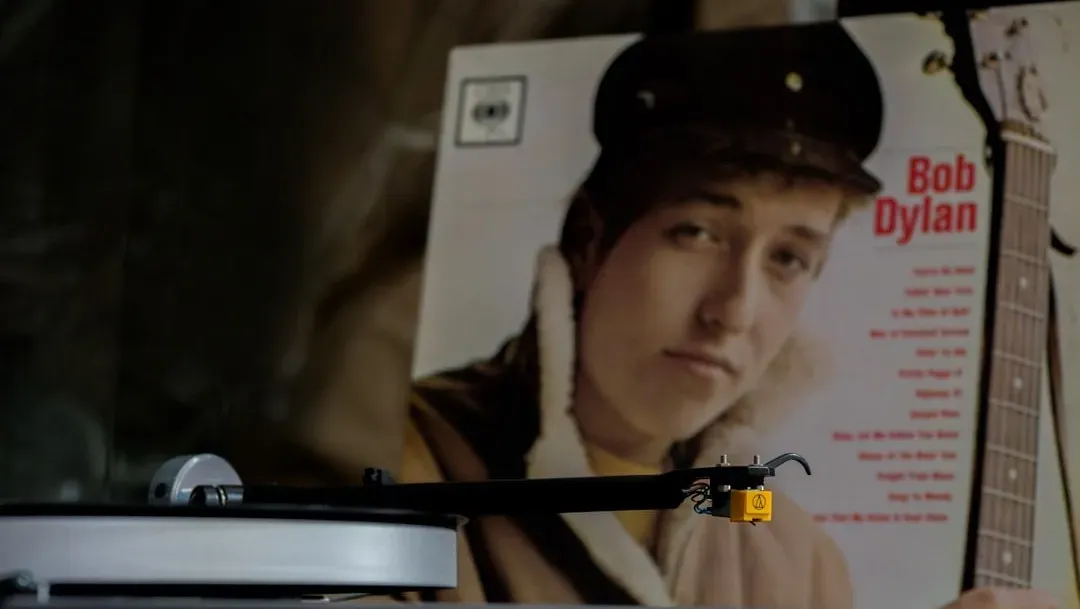
This one carries the most infamous opening line in rock criticism history, courtesy of Greil Marcus in Rolling Stone, who reportedly asked what on earth the record even was. The double album, filled with covers and loose, unpolished performances, felt like a deliberate step away from the mythic songwriter persona Dylan had spent the previous decade building.
For years the record was treated as an embarrassing footnote, evidence perhaps that Dylan was toying with his own audience. The narrative shifted considerably once Sony released Another Self Portrait in 2013 as part of the Bootleg Series, which reframed the original sessions and encouraged listeners to hear the loose, experimental spirit as intentional rather than careless. Critics who revisited the record found more warmth and curiosity in it than the initial reviews ever allowed.
5. Kanye West, 808s & Heartbreak (2008)
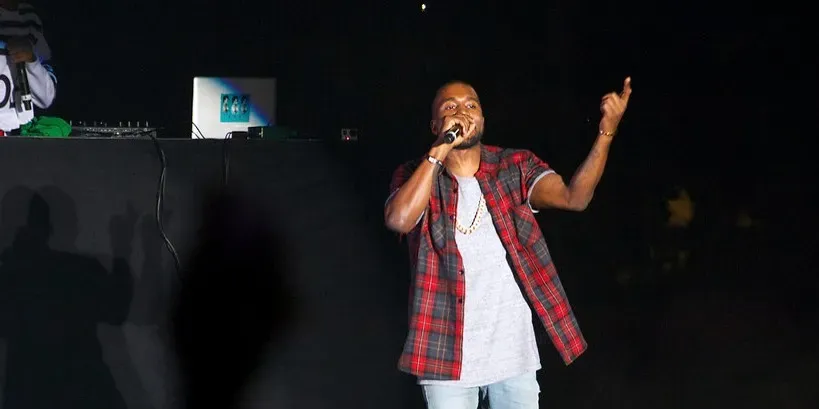
Coming off three acclaimed hip hop albums, Kanye West’s decision to sing through Auto-Tune over minimal, drum machine driven production baffled a lot of listeners in 2008. Reviews at the time were mixed at best, with some critics treating the vocal processing as a gimmick rather than a genuine artistic choice, and the record’s stripped down sound felt like a retreat from the ambition of his earlier work.
The album’s influence became impossible to ignore within just a few years. Artists like Drake, Kid Cudi, and The Weeknd built entire aesthetics around the emotional, Auto-Tuned melancholy that 808s introduced to mainstream hip hop, and by the mid 2010s it was routinely described as one of the most influential records of its decade rather than a curiosity.
Partner offer
6. Guns N’ Roses, Chinese Democracy (2008)
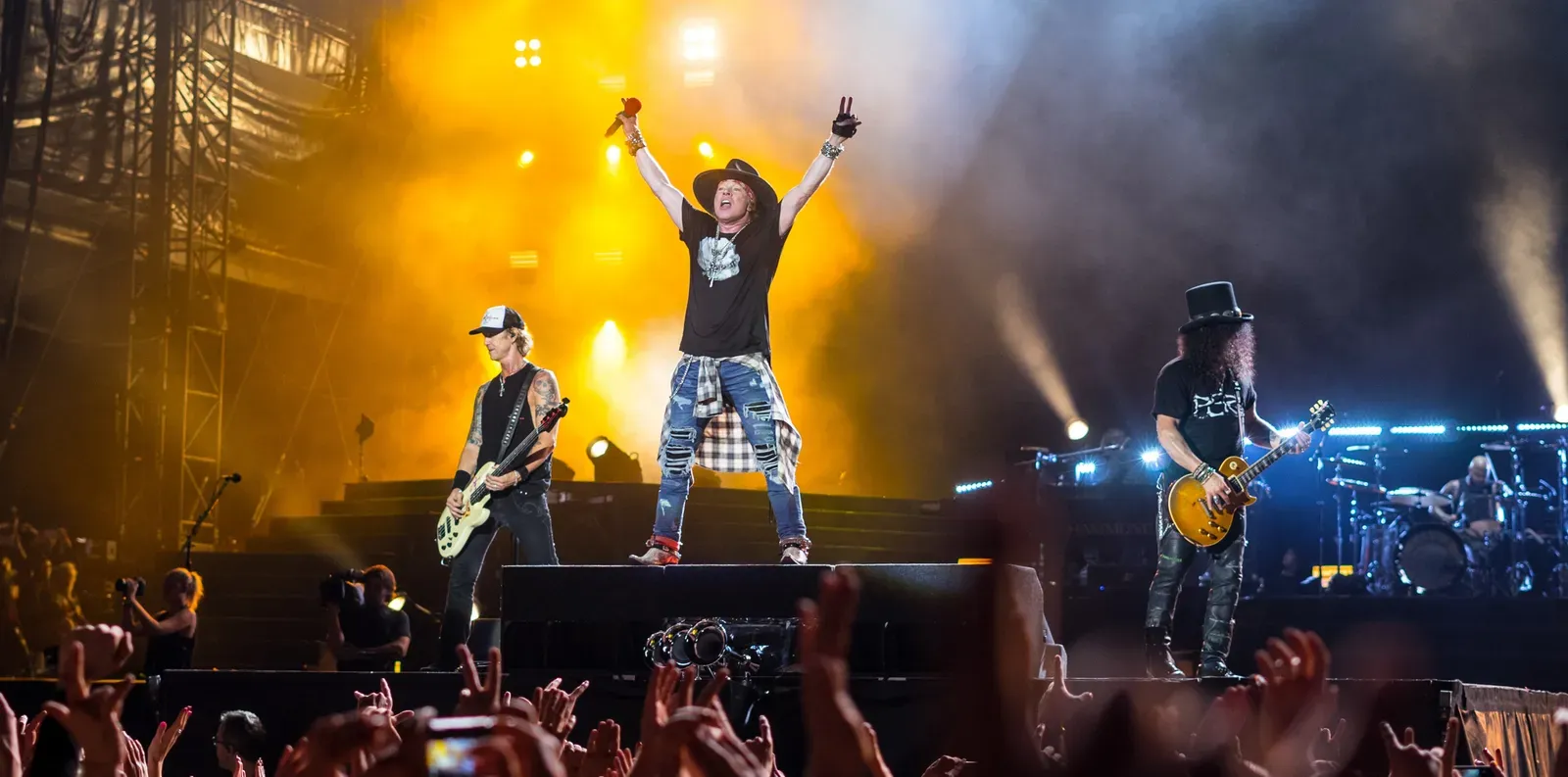
After more than a decade of delays, false starts, and reported production costs north of ten million dollars, Chinese Democracy landed in 2008 to a strange mix of curiosity and disappointment. Critics generally treated it as a bloated, over engineered relic of a band that no longer existed in any meaningful sense, since Axl Rose was the only original member left.
The passage of time has softened that judgment somewhat. Listeners who approach the record without the baggage of its tortured production history tend to find a heavier, more modern sounding hard rock album than its reputation suggests, and several tracks have found a second life in live setbacks and rock radio rotation. It remains a divisive record, but fewer critics today dismiss it outright as a failure.
7. Neil Young, Trans (1982)
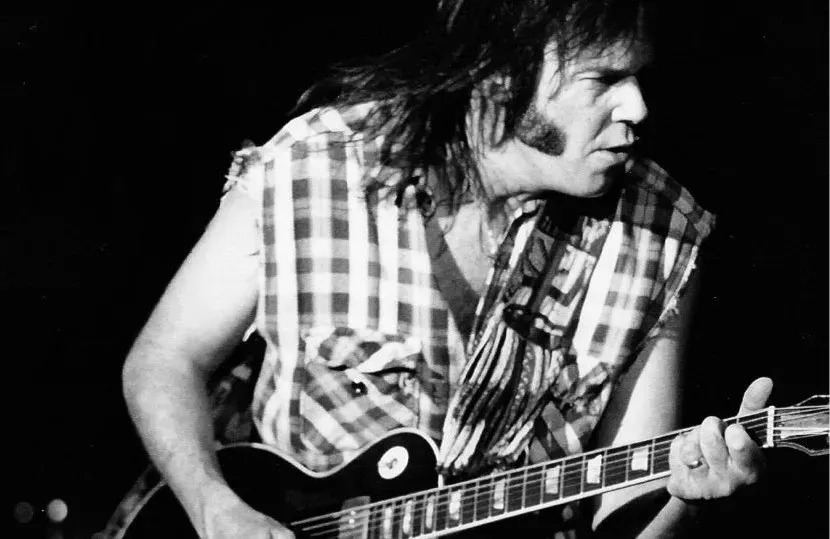
Neil Young’s detour into vocoder heavy synth rock confused nearly everyone when it appeared in 1982, including his own record label, which was reportedly unhappy enough with his output around this period to eventually sue him for making music deliberately uncommercial. Critics at the time saw Trans as an incoherent experiment, a strange left turn from an artist who had built his reputation on rootsy, guitar driven songwriting.
Young later revealed that the vocoder use was tied to communicating with his son, who has cerebral palsy and used similar technology, adding an emotional layer that early reviews had no way of grasping. Reassessments over the following decades have treated Trans far more generously, framing it as an early and sincere flirtation with electronic music well before that fusion became fashionable in rock circles.
8. Big Star, Third/Sister Lovers (1978)
Recorded in 1974 but not properly released until 1978, this record barely registered with critics or the public at the time, partly because Big Star had already dissolved and partly because the label handling its release did little to promote it. The songs themselves, fragile, unfinished sounding, and shot through with the personal unraveling of songwriter Alex Chilton, did not fit any commercial mold of the era.
Its reputation has grown almost entirely through word of mouth among musicians and critics rediscovering it years after the fact. Today Third is frequently cited alongside Pet Sounds and other cult touchstones as one of the more quietly influential records of the seventies, admired precisely for the rawness that once made it seem like a commercial dead end.
Looking back at these eight records, a pattern emerges that has little to do with quality and everything to do with timing. Critics reviewing an album in real time are reacting against expectations, comparing it to what came before, and often missing what an artist is actually reaching for. Given enough distance, those same records get to be judged on their own terms instead, and more often than not, they hold up.Partner offer
Planning a trip to Vegas?
Compare hotel rates and show tickets on VEGAS.com.