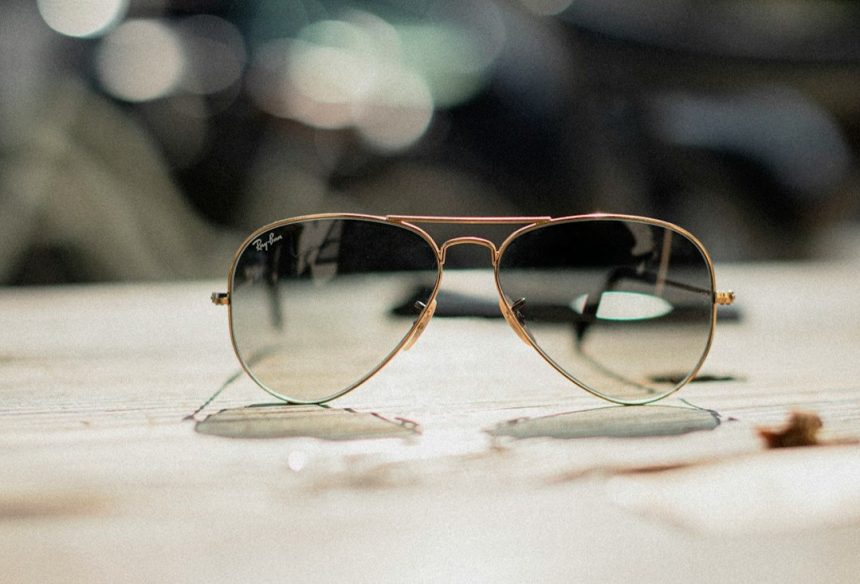
Some things sit in plain view for decades without anyone giving them a second look. A pair of sunglasses. A leather jacket. A bar of soap on a bathroom shelf. Then a movie comes along, puts that object in the right hands at the right moment, and suddenly it’s not just an object anymore. It’s a costume everyone wants to wear. This kind of cultural shift doesn’t happen often, and when it does, it rarely follows a predictable script. Sometimes it’s a marketing push that happens to land at the perfect time. Sometimes it’s pure accident. Here are nine films that took something completely mundane and turned it into a symbol people still chase decades later.
1. Ray-Ban Wayfarers in Risky Business (1983)
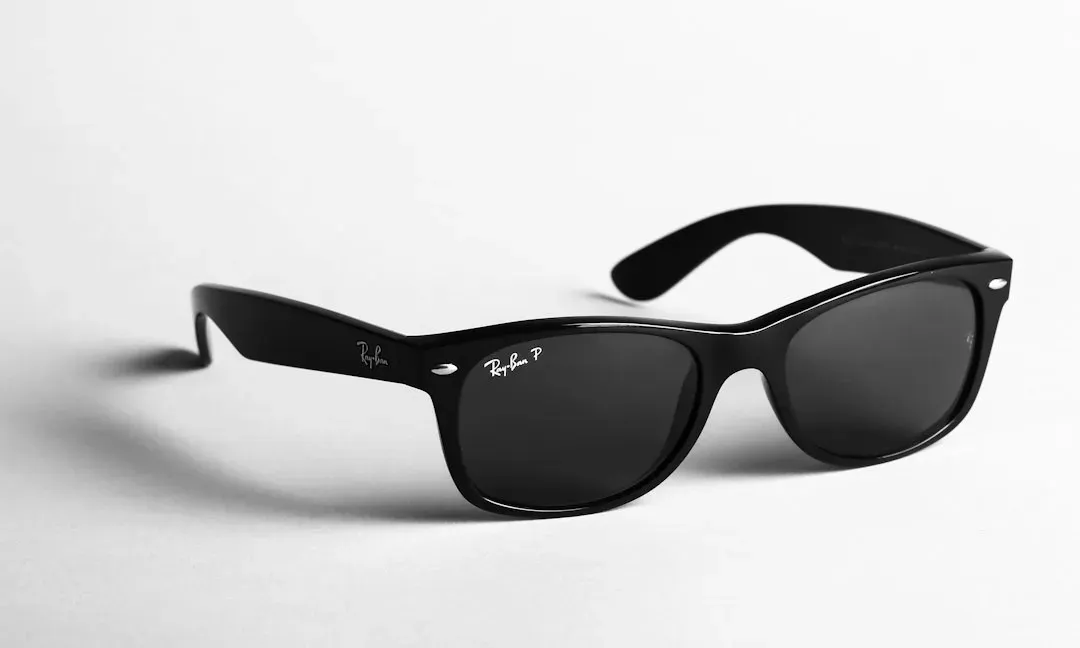
Before Tom Cruise slid across a hardwood floor in his socks, Ray-Ban’s Wayfarer was on the verge of being discontinued. Wayfarers’ cultural popularity was aided in 1980 by the film The Blues Brothers, but only 18,000 pairs were sold in 1981, and Wayfarers were on the verge of discontinuation. The brand had signed a modest product placement deal in 1982 hoping to reverse the slide, but nothing prepared it for what came next.
Tom Cruise’s wearing of Wayfarers in the 1983 movie Risky Business was one of the key placements, and that year 360,000 pairs were sold. That single film effectively rescued a design that had been sitting in the discount bin of American eyewear. Within a few years, the glasses were showing up in music videos, on magazine covers, and eventually on the faces of Miami Vice detectives, cementing a look that never really left.
2. Aviator sunglasses in Top Gun (1986)
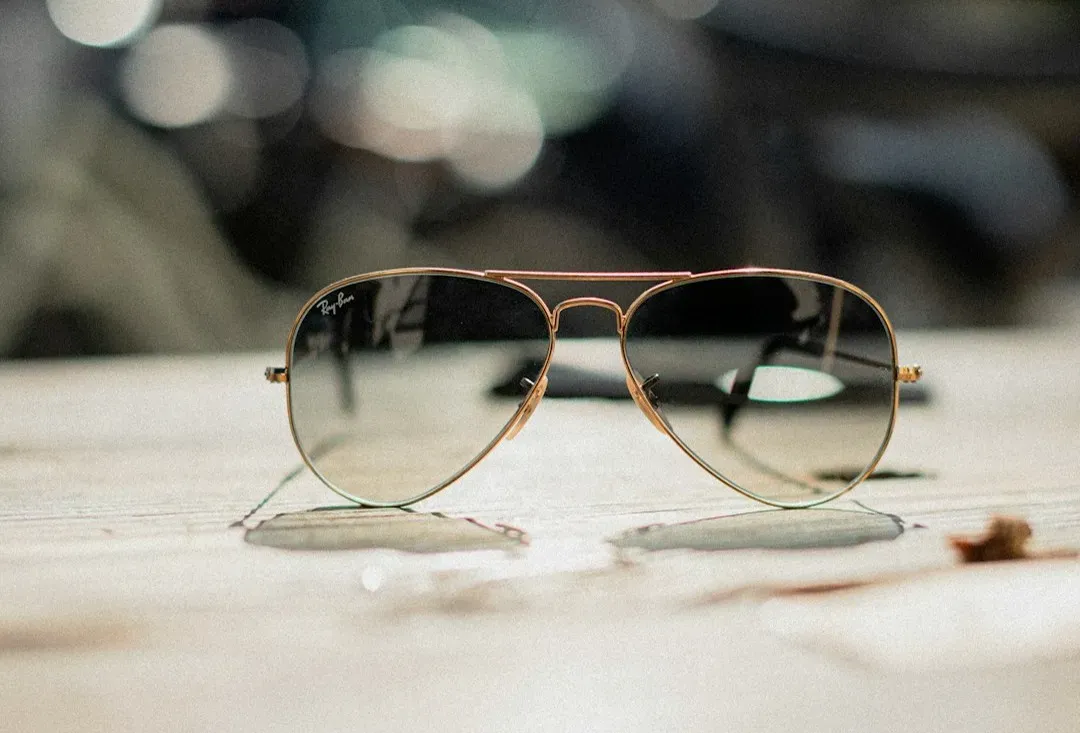
Three years after saving the Wayfarer, Cruise did it again with a different pair of Ray-Bans. This time it was the classic aviator style, worn throughout his role as a hotshot Navy pilot. Aviator sales jumped 40% in the seven months following the film’s release.
What made the aviator moment different from the Wayfarer story is that the glasses already had military credibility built in. Ray-Ban had originally developed the aviator shape decades earlier for actual pilots, so Top Gun wasn’t inventing a new association so much as reviving an old one at exactly the right cultural moment. Bomber jackets sold alongside them, riding the same wave of Cold War era swagger that the film wrapped around ordinary flight gear.
3. Bar soap in Fight Club (1999)
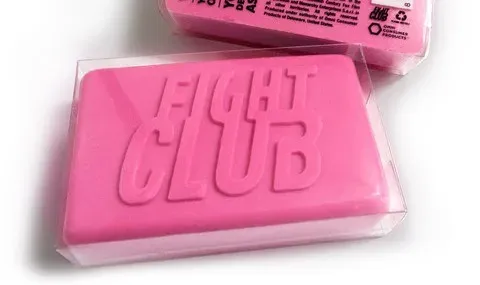
David Fincher’s Fight Club took something as unremarkable as a bar of soap and turned it into a plot device loaded with menace and meaning. Tyler Durden’s homemade soap, made using stolen fat from liposuction clinics, became one of the film’s most quoted and referenced details. The line connecting soap to consumerism and self destruction gave an everyday hygiene product a strange kind of intellectual weight.
The film didn’t create a soap boom in stores, but it did something arguably more lasting. It made handmade, small batch soap feel edgy rather than quaint, and independent soap makers still reference the film’s aesthetic decades later. Fight Club turned a bathroom staple into shorthand for rebellion against polished, mass produced culture.
4. The scorpion jacket in Drive (2011)
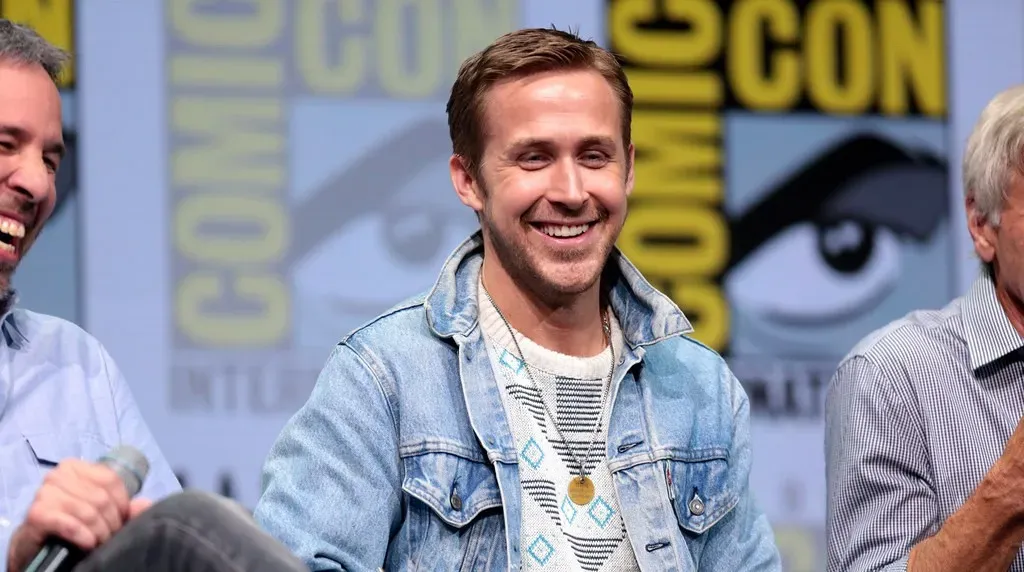
Ryan Gosling’s satin bomber jacket, embroidered with a gold scorpion on the back, became one of the most talked about wardrobe pieces of the early 2010s. It wasn’t flashy in any traditional sense. It was a plain silk jacket with a single striking detail, worn by a nearly silent getaway driver in Nicolas Winding Refn’s neon lit thriller.
Within months of the film’s release, replica jackets flooded online retailers, and the scorpion motif became a recognizable shorthand for a particular strand of moody, retro cool that influenced menswear well into the following decade. The jacket succeeded because it did the opposite of most movie fashion. It stayed quiet until the one moment it needed to say something, and that restraint is exactly what people wanted to copy.
5. Nike Cortez sneakers in Forrest Gump (1994)
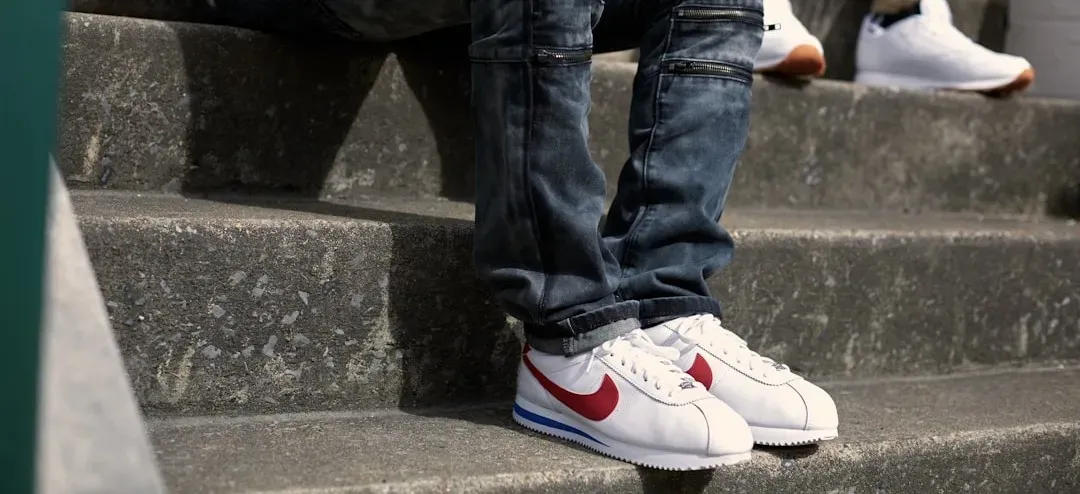
Forrest Gump wore a plain pair of white and blue Nike Cortez sneakers through years of running across the country, and the shoe became permanently linked to the character’s cross country odyssey. Nike had released the Cortez back in 1972, and by the mid 1990s the design was fairly dated. The film gave it a second life almost overnight.
Nike leaned into the connection, and the Cortez saw renewed retail interest that has never fully faded, with periodic rereleases still marketed around its association with the film. It’s a rare case where a movie didn’t just boost a product for a season, it kept a decades old shoe relevant across multiple generations of sneaker culture.
6. Self lacing sneakers in Back to the Future Part II (1989)
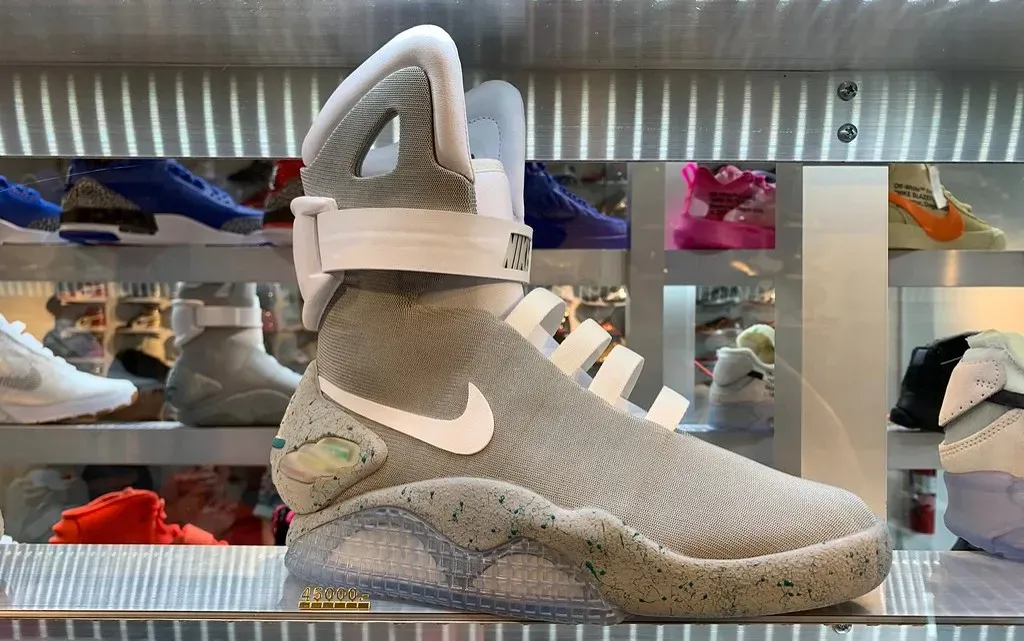
When Marty McFly stepped into 2015 wearing Nike sneakers that laced themselves automatically, audiences treated it as pure science fiction fantasy. The shoe, known as the Nike Mag, existed only as a movie prop, but the idea refused to fade from public imagination.
Nike eventually built limited real world versions, releasing small batches to collectors and eventually a fully self lacing consumer version years later. Few objects in film history have spent so long as fiction before slowly becoming an actual, purchasable product, and the shoe remains one of the clearest examples of a movie prop shaping real product design decades after its release.
7. The leather jacket in Grease (1978)
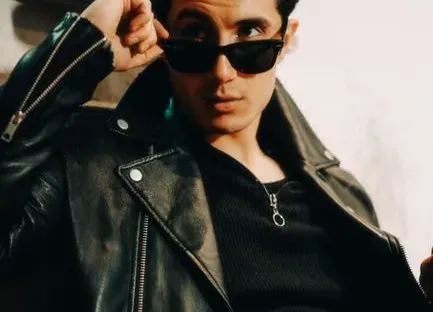
John Travolta’s black leather jacket as Danny Zuko wasn’t a new idea in 1978. Leather jackets already carried associations with rebellion thanks to earlier icons like Marlon Brando and James Dean. What Grease did was soften and popularize that image for a mainstream audience, wrapping it in music and nostalgia rather than menace.
The film’s massive box office success helped push the leather jacket firmly into teenage wardrobes across the country, moving it away from strictly biker or greaser subculture and into something closer to universal high school shorthand for confidence. Decades of retro fashion cycles have circled back to that exact silhouette again and again, and much of that staying power traces directly to Danny Zuko’s T Birds jacket.
8. The brick cell phone in Wall Street (1987)
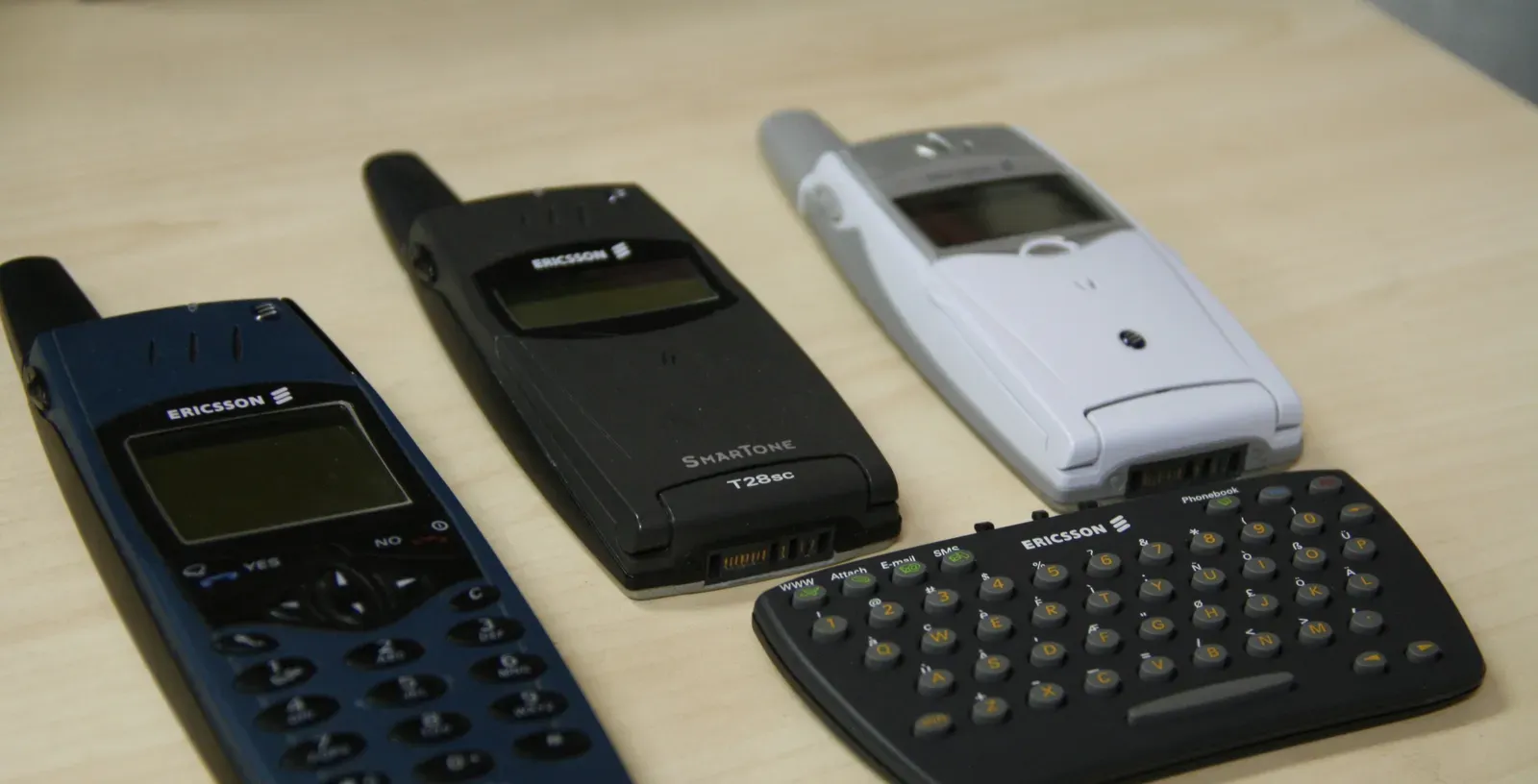
Gordon Gekko’s massive Motorola cell phone, used while walking on a beach in one of the film’s most quoted scenes, turned an unwieldy piece of business hardware into a status symbol. At the time, mobile phones were rare, expensive, and mostly seen as impractical novelties rather than fashion statements.
Wall Street changed that perception almost single handedly, linking the bulky device to wealth, ambition, and a certain kind of ruthless confidence. The phone itself quickly became obsolete as technology shrank, but the image of a finance executive barking orders into a giant handset became a cultural touchstone that outlived the actual product by decades.
9. The little black dress in Breakfast at Tiffany’s (1961)
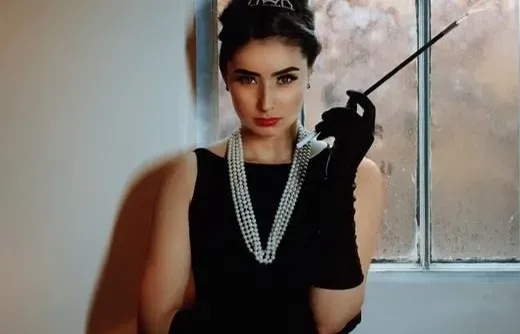
Audrey Hepburn’s black Givenchy dress in Breakfast at Tiffany’s didn’t invent the little black dress, which had existed in fashion circles since Coco Chanel popularized simplified silhouettes decades earlier. What the film did was give the garment its most enduring visual reference point, one that fashion writers and designers still return to constantly.
Partner offer
The dress, paired with oversized sunglasses and a long cigarette holder, became shorthand for a specific kind of effortless elegance that countless films and red carpet moments have tried to echo since. More than sixty years later, the image still circulates constantly across fashion media, proof that a well placed costume choice can outlast the film itself by generations. Objects don’t become cultural symbols on their own. They need a scene, a character, and a moment that audiences want to hold onto after the credits roll. What ties these nine examples together isn’t flashy design or expensive materials. It’s timing, restraint, and the strange way film can take something we already own and hand it back to us looking completely different.
Partner offer
Planning a trip to Vegas?
Compare hotel rates and show tickets on VEGAS.com.