Every so often, a musician walks into a studio for the first time and somehow avoids the usual mistakes of a rookie. No filler, no growing pains, just a fully formed artistic statement. The history of popular music since the mid-1970s is dotted with these rare first outings, records that didn’t just launch careers but set impossibly high bars that even their own creators sometimes struggled to clear again. Picking a single best debut is a fool’s errand, honestly, since genre, era, and personal taste all pull in different directions. Still, a handful of albums keep surfacing in these conversations decade after decade, and it’s worth looking closely at why.
Boston by Boston (1976)
Tom Scholz spent years tinkering in his Massachusetts basement studio before Boston’s self-titled debut arrived in August 1976, and the payoff was staggering. The album was released by Epic in August 1976 and broke sales records, becoming the best-selling debut LP in the US at the time, and winning the RIAA Century Award for the best-selling debut album. It reached the top of arena rock radio almost instantly thanks to tracks that fused hard rock crunch with pop hooks.
The numbers still impress nearly fifty years later. The album is certified US Diamond (17× Platinum), Canada Diamond, New Zealand Platinum, and UK Gold. What’s remarkable is that Scholz played most of the instruments himself, and the record’s layered guitar sound became a blueprint for a whole generation of arena rock acts that followed.
Whitney Houston by Whitney Houston (1985)
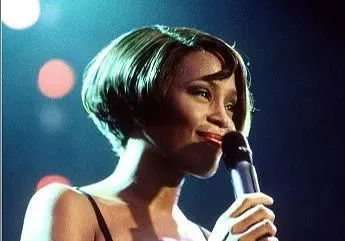
Whitney Houston’s debut arrived at a moment when pop, R&B, and adult contemporary radio were starting to blur into one another, and her voice made that blending feel effortless. The album produced a string of hit singles that showcased a vocal range and control that few new artists had ever demonstrated on a first outing. It quickly became one of the defining pop records of the mid-1980s, crossing over to audiences that rarely mixed genres that freely.
What made the record so influential wasn’t just the hits, it was the template it created for future R&B crossover stars. Producers and label executives spent the following decade trying to replicate the formula Houston and her team had struck almost by instinct. Few came close, which says something about how singular that first record really was.
Licensed to Ill by Beastie Boys (1986)
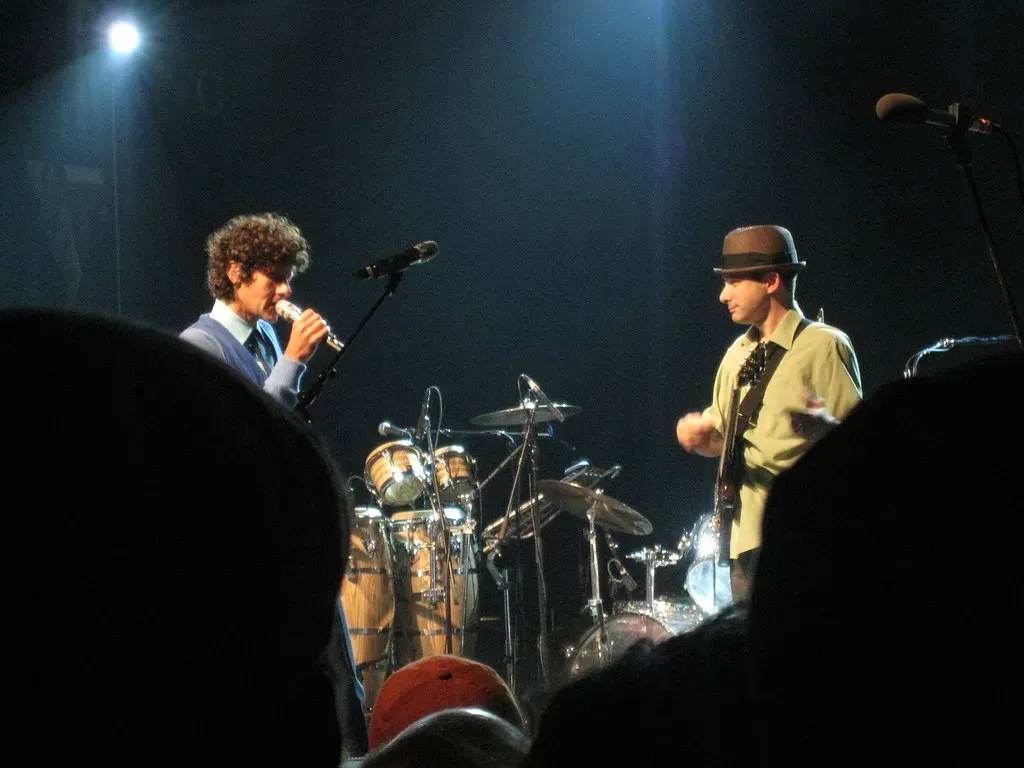
Three white kids from New York rapping over sampled Led Zeppelin riffs shouldn’t have worked as well as it did, yet Licensed to Ill became the first rap album to top the Billboard 200. It was brash, juvenile in places, and unapologetically loud, but it also proved that hip hop could sell records at a scale major labels hadn’t previously imagined. The success opened doors for the genre in ways that are easy to take for granted now.
Looking back, the album’s legacy is a little complicated. Some of its humor hasn’t aged gracefully, and the group itself later distanced from parts of its content. Even so, its commercial breakthrough remains a genuine turning point in how the music industry treated hip hop as a viable mainstream product rather than a niche.
Appetite for Destruction by Guns N’ Roses (1987)

Few debut albums capture a specific time and place as vividly as Appetite for Destruction does the Sunset Strip of the late 1980s. Slash’s guitar work and Axl Rose’s snarling vocals gave hard rock a dangerous edge that felt genuinely different from the glam metal dominating the charts at the time. It took nearly a year of steady touring and MTV exposure before the album caught fire, but once it did, it became one of the best-selling debut albums by a rock band in American history.
What sets it apart from other hard rock records of its era is the songwriting consistency. There’s barely a weak track across the entire runtime, something that’s genuinely rare for a debut of that length and ambition. The band never quite recaptured that same chemistry on later releases, which only adds to the mythology surrounding this one.
Illmatic by Nas (1994)
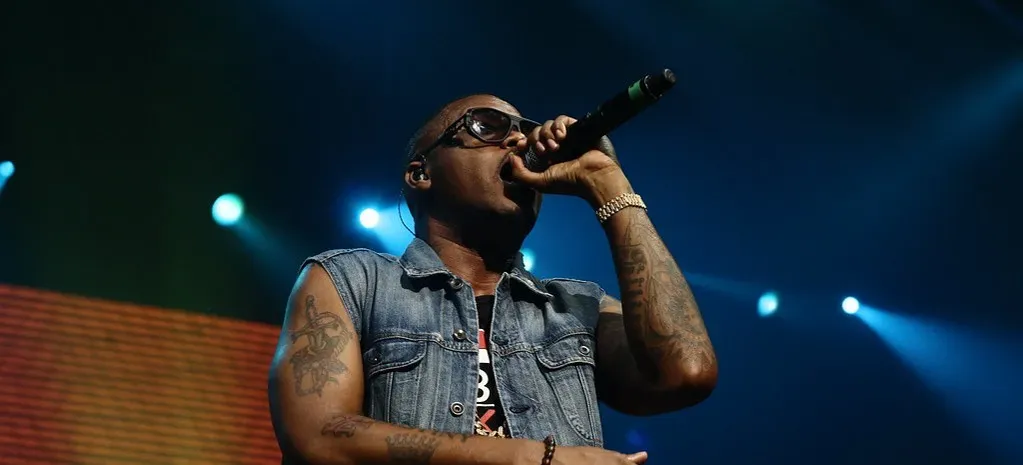
Nas was barely twenty years old when Illmatic dropped on April 19, 1994, yet the record is still treated as a masterclass in lyrical precision. Arguably the most critically acclaimed rap album in the history of the genre, Illmatic is a boom-bap behemoth. The production, handled by a rotating cast including DJ Premier, Pete Rock, Large Professor, and Q-Tip, gave each track its own distinct texture while still sounding cohesive.
Interestingly, the album’s commercial performance at the time didn’t match its critical reception. Despite its significant impact on hip hop at the time, Illmatic did not experience the larger sales of most major releases at the time in hip hop, such as Snoop Dogg’s Doggystyle. That gap between initial sales and lasting influence is part of what makes the record’s legacy so interesting. Three decades on, the timelessness of Nas’ Illmatic is further emphasized each time the album hits another anniversary, and the 2024 thirtieth anniversary brought renewed attention from a new generation of listeners.
The Miseducation of Lauryn Hill by Lauryn Hill (1998)
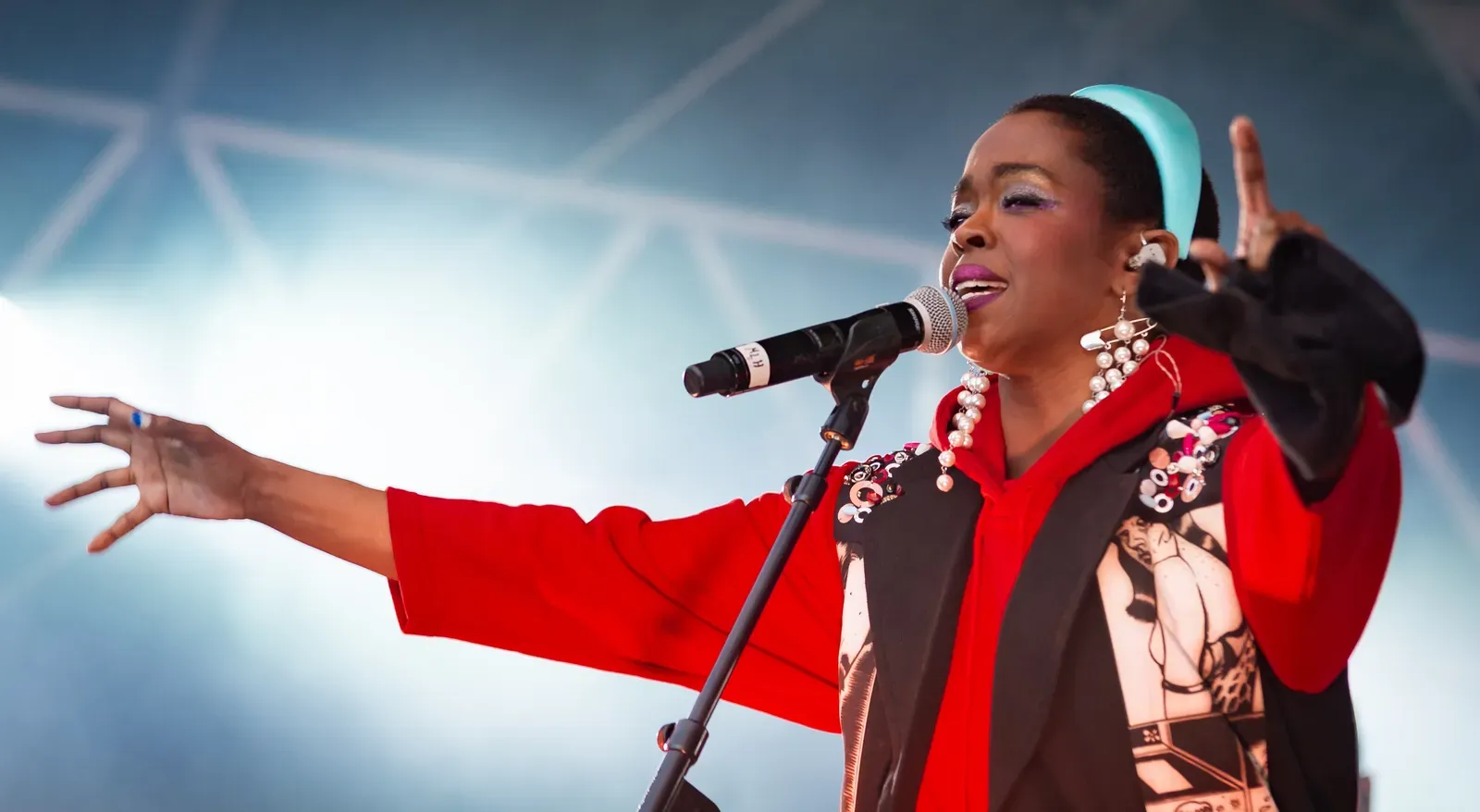
Coming off her work with the Fugees, Lauryn Hill’s solo debut blended hip hop, soul, and reggae into something that felt entirely her own. The songwriting drew heavily on personal experience, including motherhood and heartbreak, giving the record an emotional weight that set it apart from most albums released that year. It swept the Grammy Awards, becoming one of the most decorated debut albums in the ceremony’s history.
The album’s influence stretched well beyond hip hop and R&B circles. Artists working in neo-soul, alternative pop, and even folk cited it as a reference point for blending genres without losing a coherent voice. Hill has released strikingly little solo material since, which has only heightened the sense that this one record captured something she never fully returned to.
Frank by Amy Winehouse (2003)
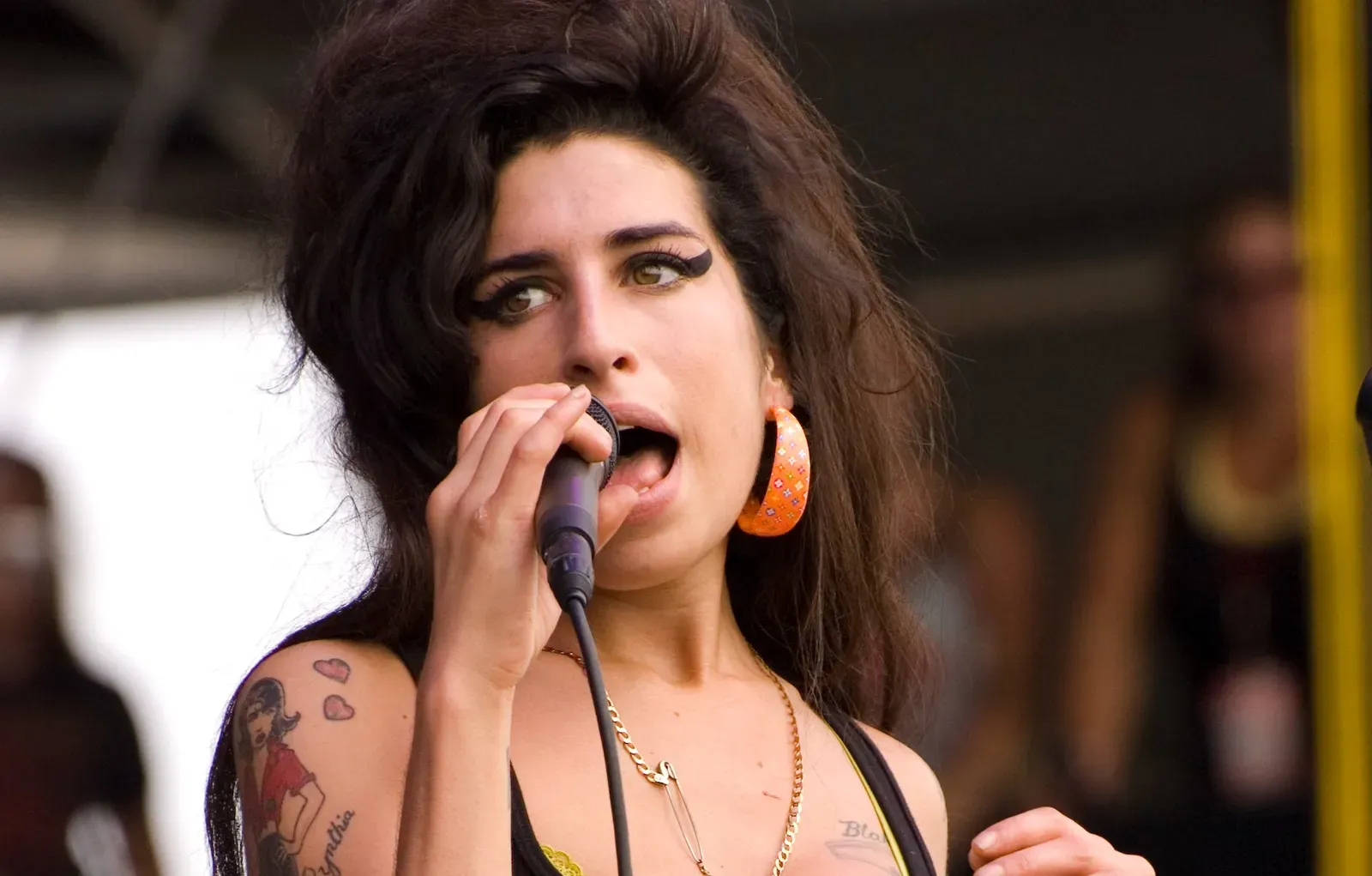
Before Back to Black made her an international name, Amy Winehouse’s debut Frank introduced a jazz-inflected songwriting style that felt out of step with the pop landscape of the early 2000s, in the best way. Her voice carried an old soul quality that critics immediately picked up on, drawing comparisons to jazz vocalists decades her senior. The lyrics were sharp, funny, and often uncomfortably honest about relationships and self-doubt.
Frank tends to get overshadowed by her later commercial breakthrough, but many longtime fans and critics consider it the more artistically adventurous of the two records. It showed a young songwriter willing to take risks with structure and phrasing rather than chase radio formulas. That willingness to experiment on a first album is part of why it still gets revisited so often.
When We All Fall Asleep, Where Do We Go? by Billie Eilish (2019)
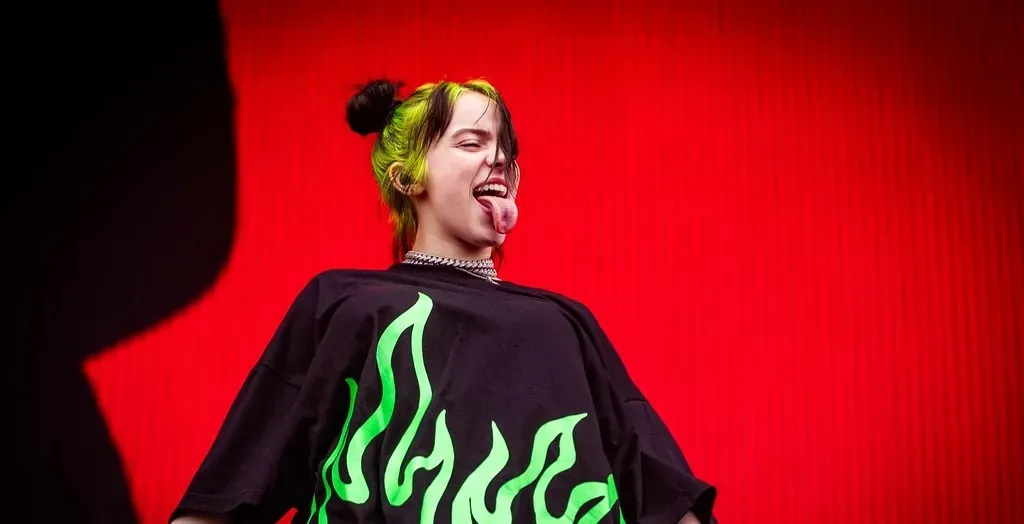
Recorded largely in a bedroom studio with her brother Finneas, Billie Eilish’s debut full-length album redefined what a pop record could sound like for a generation raised on streaming rather than radio. The whispery vocals, sparse production, and unsettling lyrical themes stood in sharp contrast to the polished pop dominating charts at the time. It debuted at number one and made her the youngest artist to top both the Billboard 200 and the UK Albums Chart.
The album’s DIY production approach influenced a wave of younger artists who realized major studio budgets weren’t a prerequisite for chart success. Its blend of vulnerability and dark humor also resonated with listeners navigating anxiety and isolation in ways that felt genuinely new for mainstream pop. Nearly seven years on, its fingerprints are still visible across pop and alternative music being made today.
Weighing the contenders