Open a cookbook from the 1950s and you’ll find a kitchen in transition. Canned soups, boxed cereals and frozen vegetables sat beside butter, flour and a roasting pan. Some recipes from that decade deserve their reputation for being dated, and plenty of others have held up.
The ten dishes below come from that era, or became household staples during it. Each one is simple to make, built from ingredients you can find in any supermarket, and still tastes good now.
Tuna Noodle Casserole
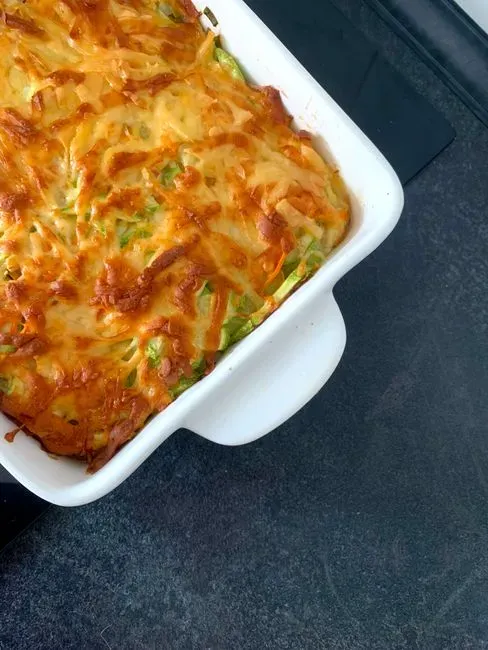
This is probably the most recognizable weeknight dish of the decade. It combines egg noodles, canned tuna, peas and a creamy sauce, often made with condensed cream of mushroom soup. Condensed soups were heavily promoted in mid century cooking as a quick base for casseroles.
For a modern version, make a simple white sauce with milk, butter and sautéed mushrooms. Top it with buttered breadcrumbs or crushed potato chips and bake until bubbling. It’s comfort food that comes together in about the time it takes to boil the noodles.
Green Bean Casserole
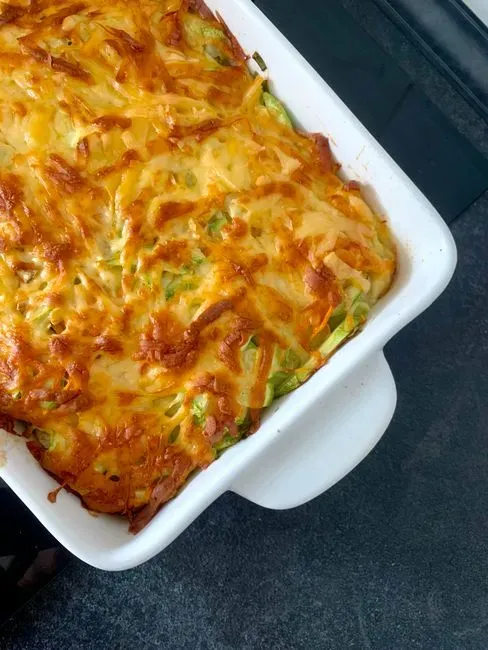
Dorcas Reilly created this dish in 1955 in the Campbell Soup Company’s test kitchen in Camden, New Jersey. It was designed to be easy, using green beans, cream of mushroom soup and crispy fried onions, all of them pantry staples at the time.
It has since become a fixture of American holiday tables, which says something about how well the formula works. You can keep the original or use fresh green beans and a homemade mushroom sauce. Either way, the crunchy onion topping is what people reach for.
Chiffon Cake
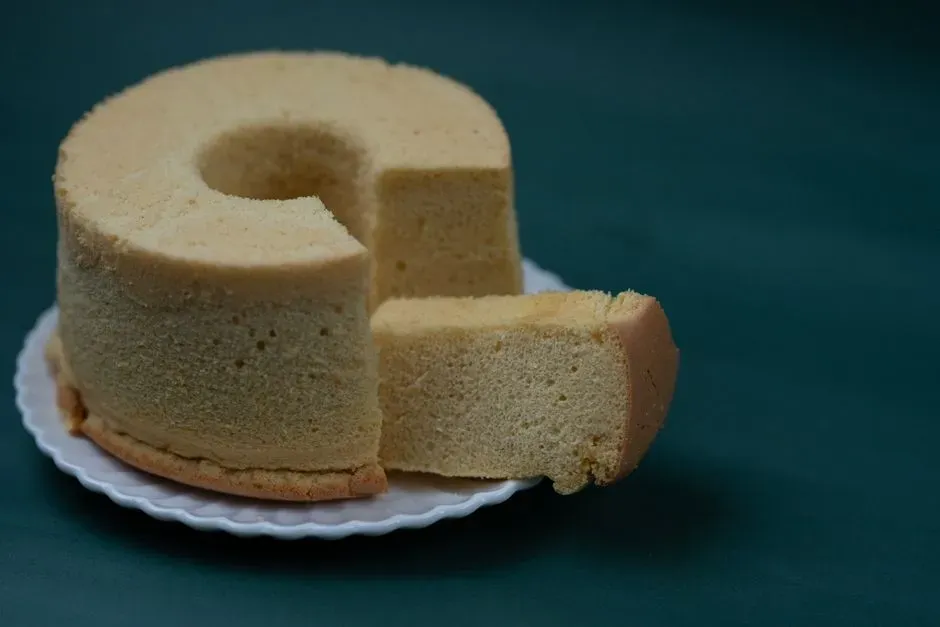
Harry Baker, a Los Angeles insurance agent, developed the chiffon cake and kept the recipe secret for years. General Mills bought it, and the formula was publicly released in 1948. By the 1950s it was a favorite in home kitchens.
Its lightness comes from combining vegetable oil with whipped egg whites. The result is tender like an oil cake but airy like an angel food cake. A lemon or orange version with a light glaze is a good place to start.
Chex Party Mix
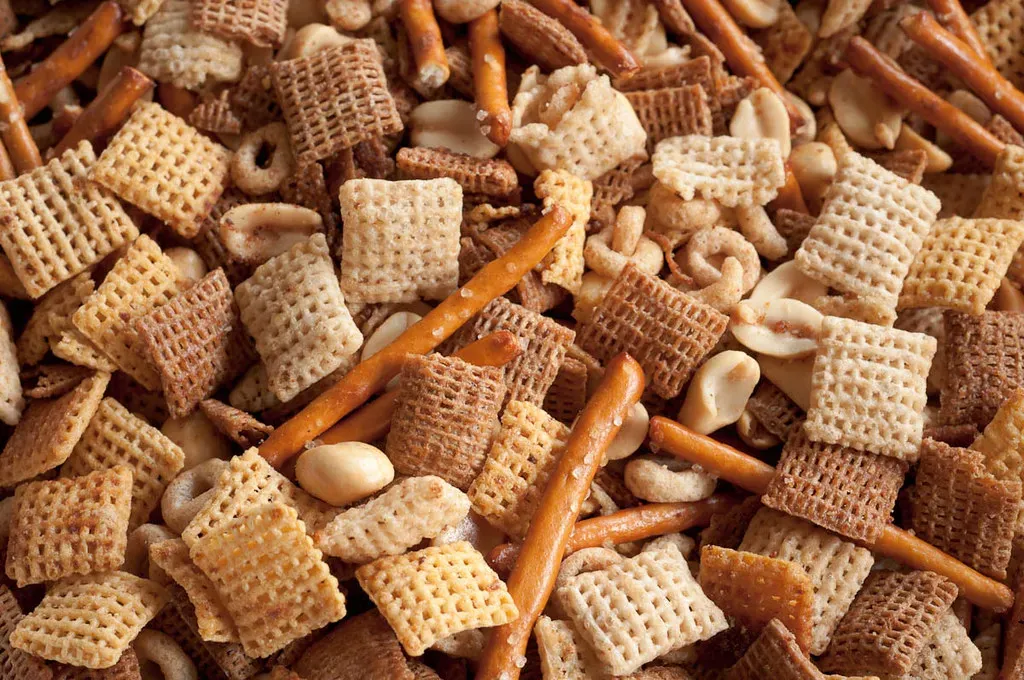
Cereal makers printed snack mix recipes on their boxes during the 1950s, and Chex Party Mix is the best known of them. The mix is made of cereal squares, pretzels, nuts and a seasoned butter coating, then baked low and slow. It was meant for gatherings, and it still fits that role.
Making it yourself lets you control the seasoning, which store versions often get wrong. Worcestershire sauce, garlic powder and onion powder give it that savory flavor. Stir it a few times while it bakes so the coating stays even.
Beef Stroganoff
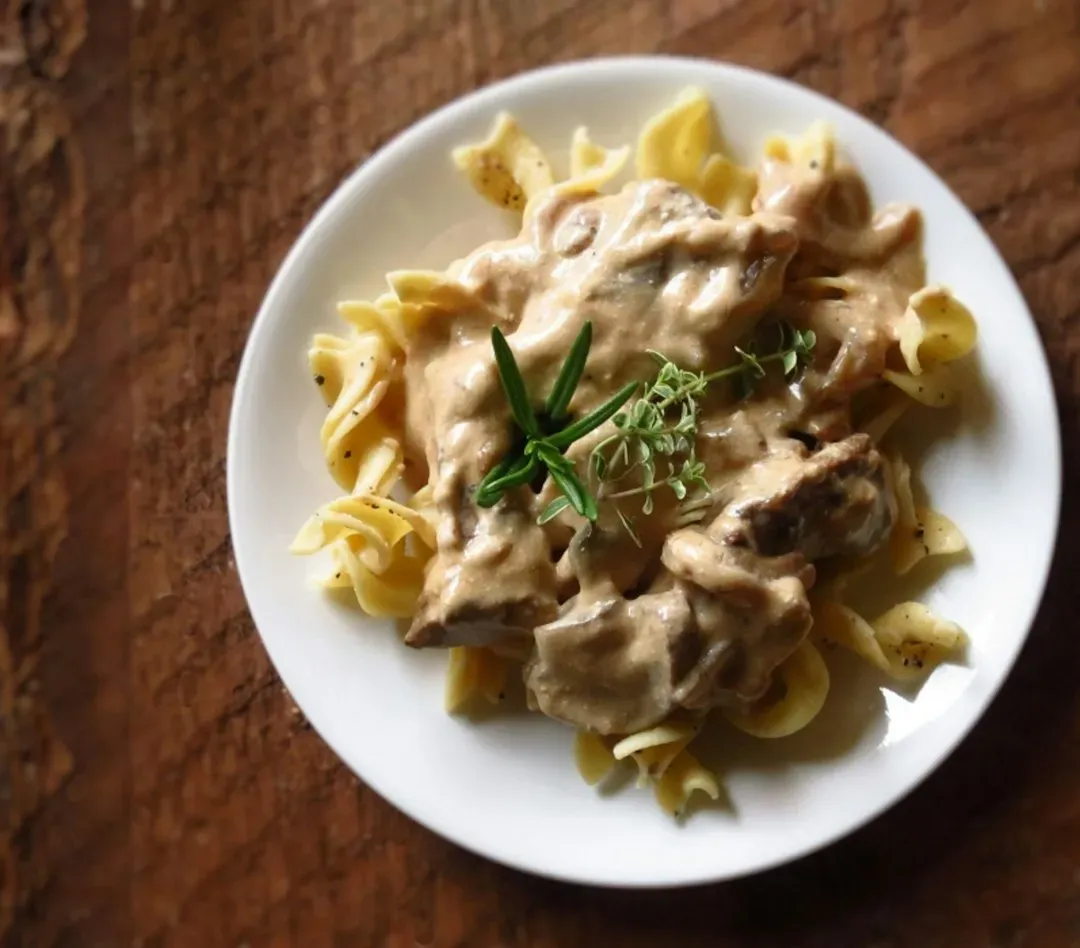
Beef stroganoff has Russian roots, but it became a popular dinner party dish in the United States in the years after World War II. Cookbooks of the period often presented it as an elegant yet manageable choice. Strips of beef are cooked quickly, then finished in a sauce with onions, mushrooms and sour cream.
Partner offer
Use a tender cut like sirloin and don’t crowd the pan, so the meat browns instead of steaming. Add the sour cream off the heat to keep it from curdling. Serve it over buttered egg noodles for the classic combination.
Pineapple Upside Down Cake
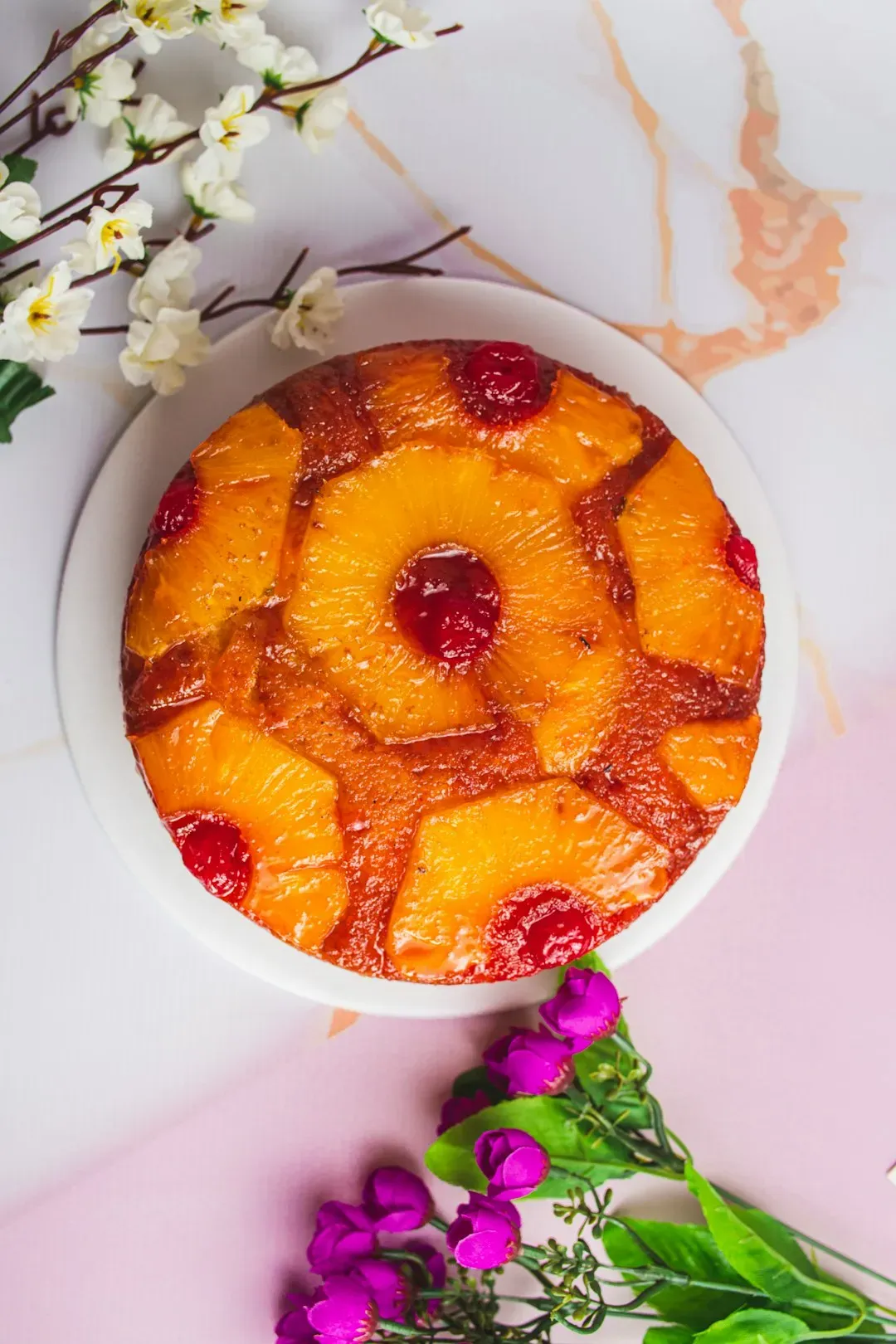
This cake rose to national fame after the Dole company ran a pineapple recipe contest in 1925. By the 1950s, canned pineapple rings and maraschino cherries made it a standard dessert, and it was often baked in a cast iron skillet. The look alone made it popular at family dinners.
The method is straightforward. Melt butter and brown sugar in the pan, arrange the fruit, pour in the batter and bake. Flip it out while it’s still warm so the caramel doesn’t stick.
Glazed Meatloaf
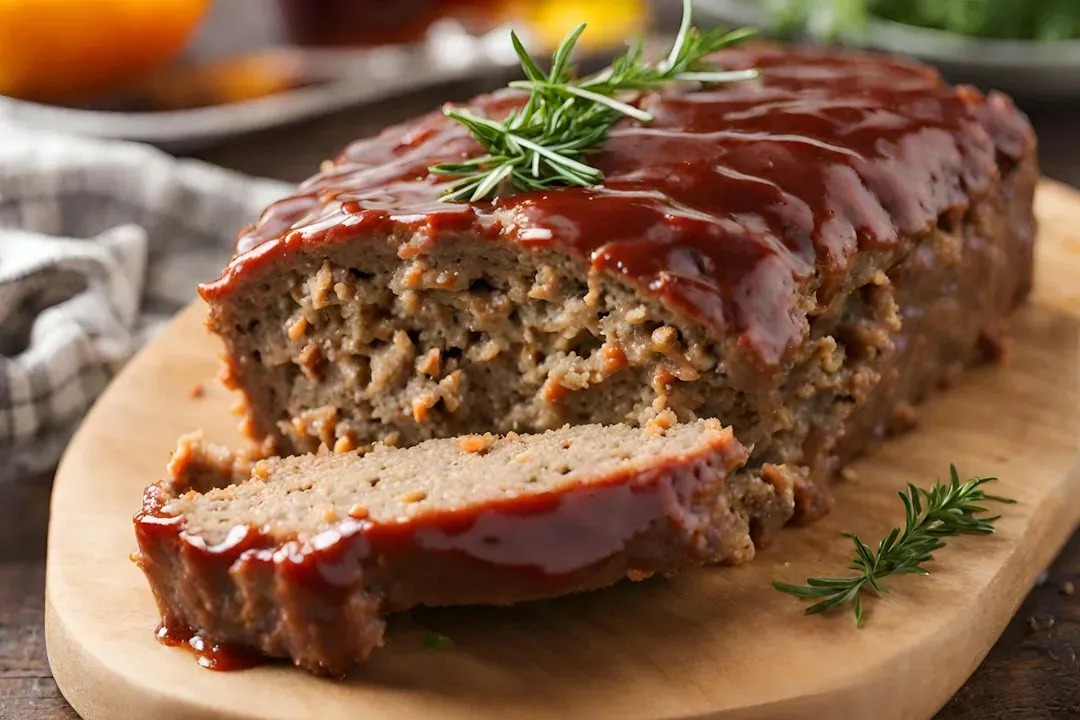
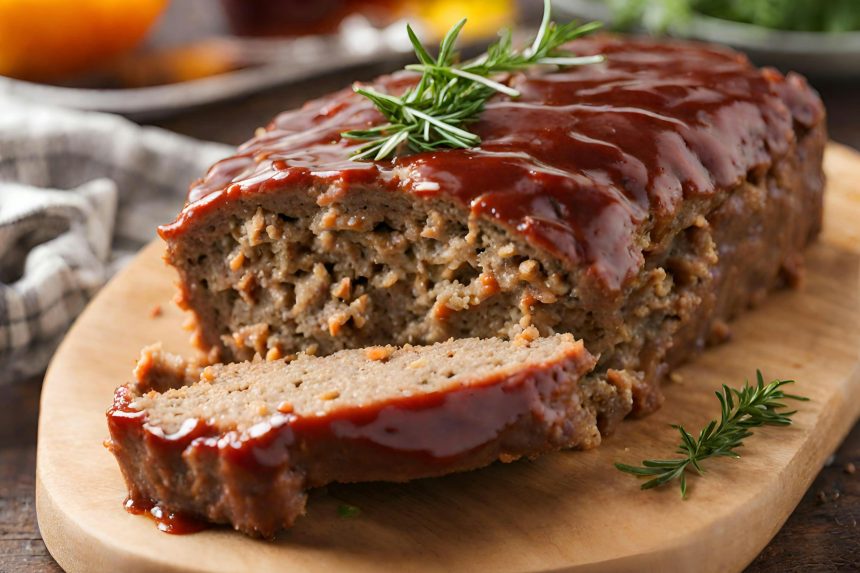
Meatloaf was an economical staple in postwar households because it stretched ground beef with breadcrumbs and eggs. Mid century recipes frequently topped it with a tomato based glaze, usually ketchup mixed with a little sugar and vinegar. It was practical cooking, and it fed a family well.
Soaking the breadcrumbs in milk keeps the loaf moist, and a mix of beef and pork adds flavor. Spread the glaze on in the last part of baking so it caramelizes without burning. Leftovers make an excellent sandwich the next day.
Deviled Eggs
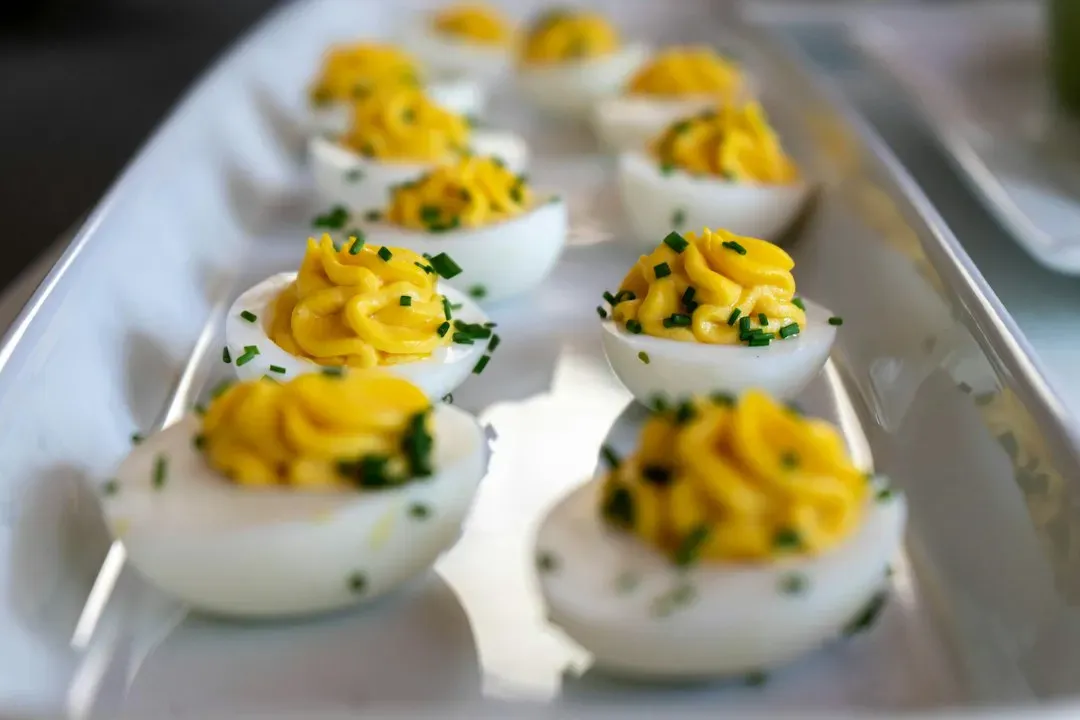
Deviled eggs were a standard on 1950s party tables, and they’ve never really gone away. The method hasn’t changed much: you halve hard boiled eggs, mash the yolks with mayonnaise and mustard, then spoon or pipe the filling back in. A dusting of paprika was the traditional finish.
The main trick is cooking the eggs properly, so the yolks are set but not chalky. Cool them quickly in ice water, which also makes peeling easier. A splash of pickle juice or a little vinegar brightens the filling.
Cheese Fondue
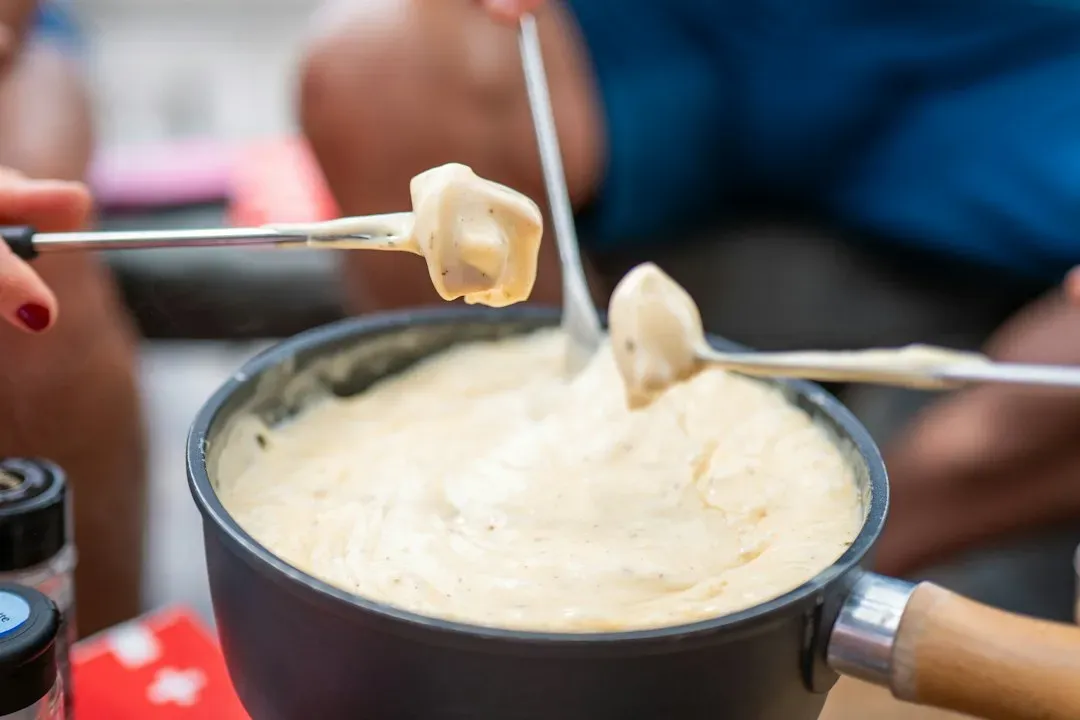
Fondue arrived in American homes in the 1950s and 1960s, when a shared pot of melted cheese suited the era’s love of entertaining. Traditional Swiss versions blend Gruyère and Emmental with white wine, a little kirsch and a touch of cornstarch. Guests dip cubes of bread on long forks.
It’s more forgiving than its reputation suggests. Grate the cheese finely, add it gradually over gentle heat and stir steadily so it stays smooth. Apple slices and steamed potatoes work well alongside the bread.
Lemon Meringue Pie
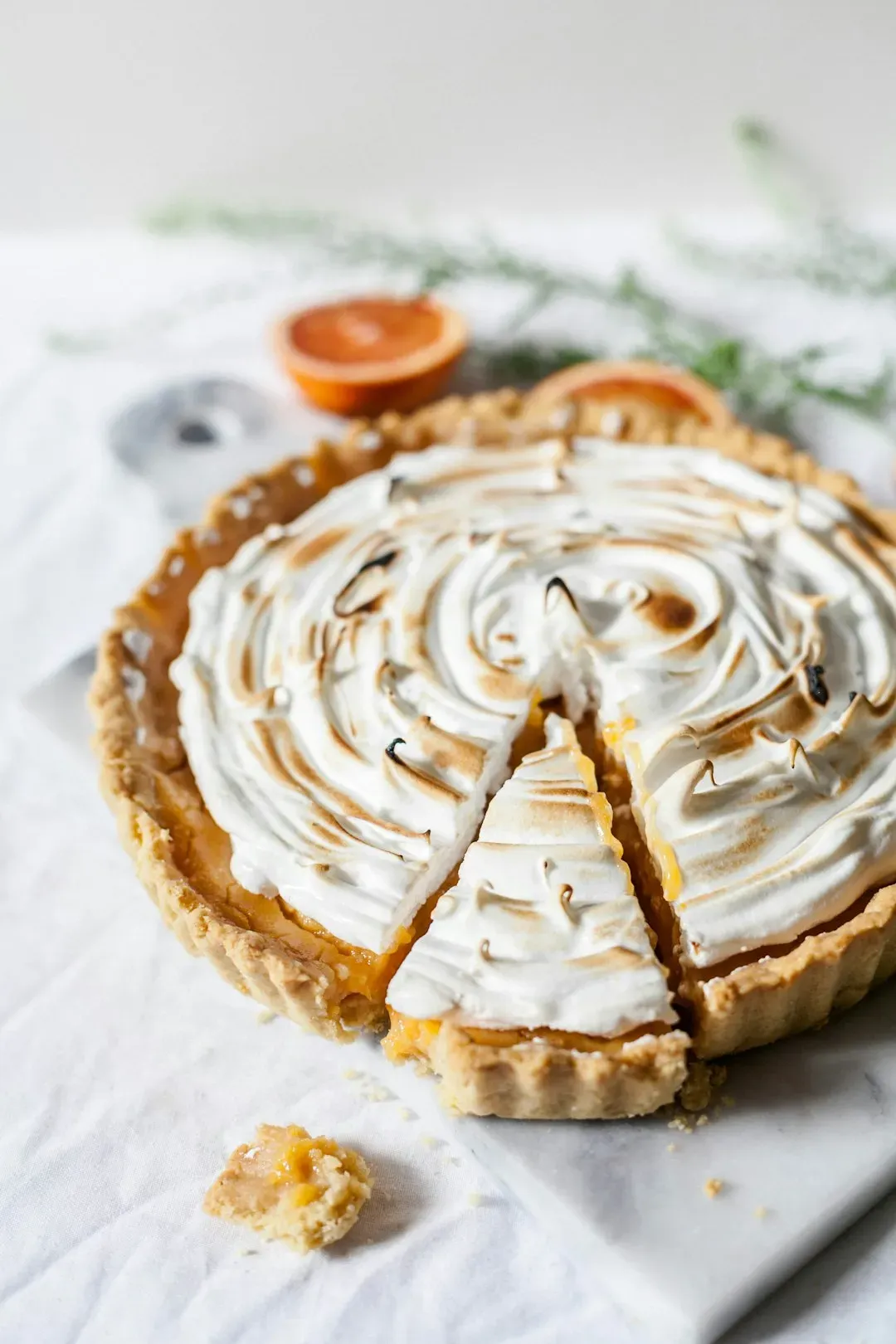
Lemon meringue pie was a showpiece dessert in mid century cookbooks, with a tart lemon filling under a tall, toasted meringue. It requires a few steps, but each is manageable: a baked crust, a cooked cornstarch thickened filling and softly whipped egg whites. Cooks of the era were proud of a tall, glossy top.
Spread the meringue over the filling while it’s still hot, and seal it right to the crust edges to prevent shrinking. Bake until the peaks are golden, then cool the pie fully before slicing. Chilling it for a few hours gives you clean, neat wedges.
Partner offer
Planning a trip to Vegas?
Compare hotel rates and show tickets on VEGAS.com.