Crime fiction didn’t arrive fully formed. It was built book by book, with each writer borrowing a trick, breaking a rule, or inventing a type of character that others quickly copied.
The ten novels and stories below mark some of those turning points. They are arranged by publication date, so you can follow the genre as it moves from gaslit Paris to the modern thriller.
The Murders in the Rue Morgue (1841)
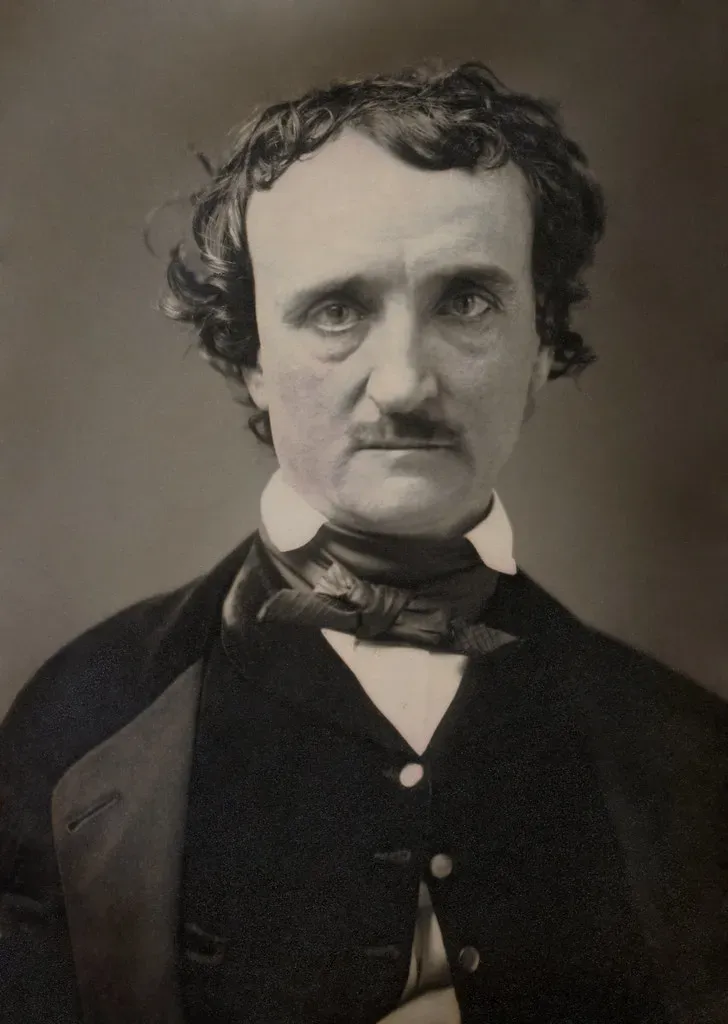
Edgar Allan Poe’s story appeared in Graham’s Magazine in 1841. It introduced C. Auguste Dupin, an amateur reasoner who solves a brutal double killing in Paris.
Many historians treat it as the first modern detective story. Nearly everything that followed borrowed from its pattern: a puzzling crime, a brilliant investigator, and a narrator who is a little slower than the hero.
The Moonstone (1868)
Wilkie Collins published The Moonstone in serial form in 1868, and it is often called one of the first full length detective novels in English. It follows the theft of a valuable diamond from an English country house.
The book gave the genre several lasting habits. These include a professional detective in Sergeant Cuff, a house full of suspects, and a story told through several narrators.
A Study in Scarlet (1887)
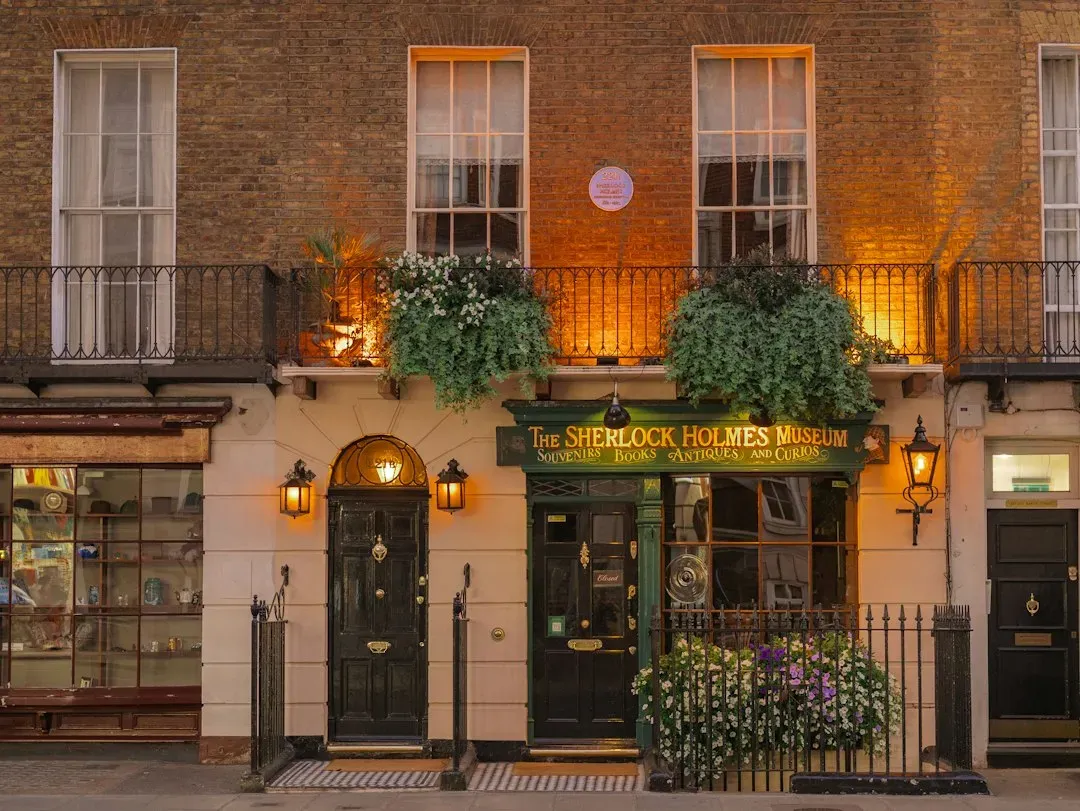
Arthur Conan Doyle’s first Sherlock Holmes story ran in Beeton’s Christmas Annual in 1887. It brought Holmes and Dr. Watson together for the first time.
Holmes made observation and deduction feel almost like a craft. Later detectives, from Poirot to modern television investigators, owe a good deal to that template.
The Mysterious Affair at Styles (1920)

Agatha Christie’s debut novel arrived in 1920 and introduced the Belgian detective Hercule Poirot. It is set in an Essex country house and turns on a poisoning.
The book helped establish the Golden Age formula of a closed circle of suspects and a fair play puzzle. Christie also wrote it with a strong sense of how clues could hide in plain sight.
The Murder of Roger Ackroyd (1926)
Christie’s 1926 novel is famous for its ending, which changed what readers thought a narrator could do. Critics argued about whether it was fair, and the debate has never fully gone away.
Its influence is easy to trace. Authors who play with unreliable narration, in crime fiction and well beyond it, are working in a space this book opened up.
The Maltese Falcon (1930)
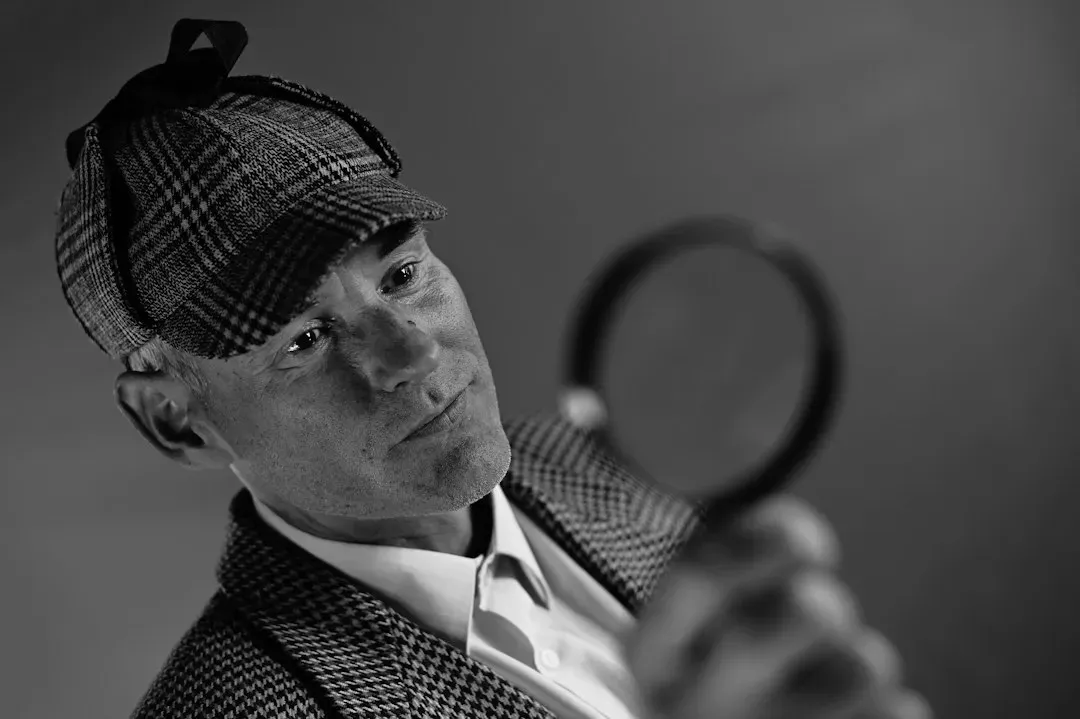
Dashiell Hammett’s novel was serialized in Black Mask magazine in 1929 and 1930 before appearing as a book. Its private detective, Sam Spade, is cynical, guarded, and morally flexible.
This was a different world from the country house puzzle. Hammett’s hard, plain prose helped define hardboiled fiction, and the story’s later film versions cemented the look of film noir.
The Big Sleep (1939)
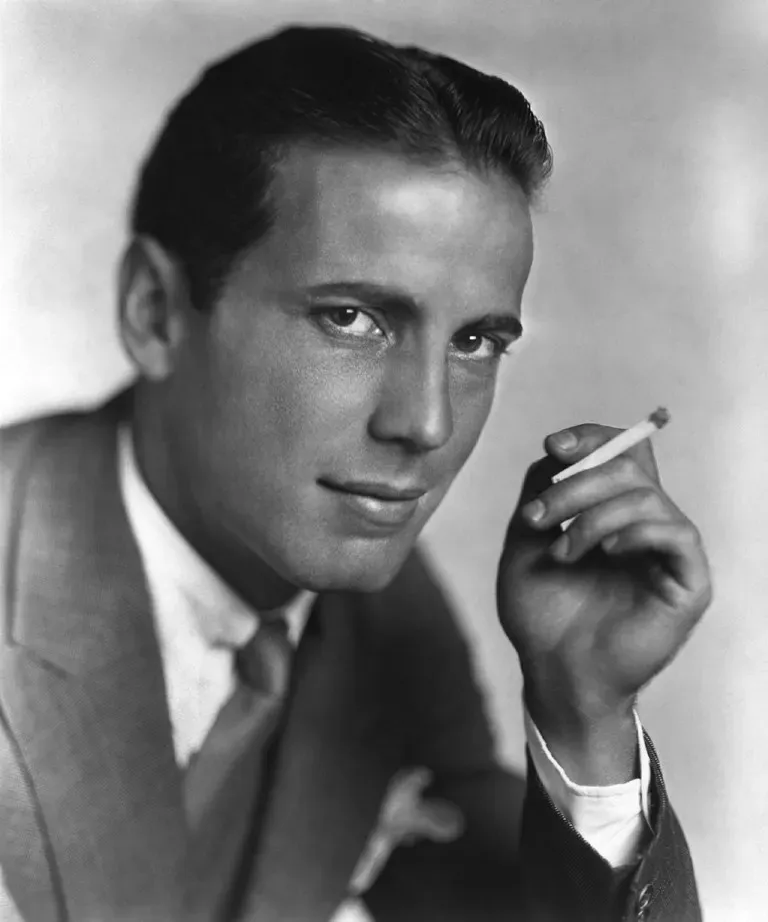
Raymond Chandler’s first novel introduced Philip Marlowe, a Los Angeles private eye with a sharp tongue and a private code. The plot is famously tangled, yet readers keep returning for the voice and atmosphere.
Chandler gave the genre a style as much as a structure. The 1946 film adaptation starring Humphrey Bogart helped carry that style to a far wider audience.
And Then There Were None (1939)

Christie’s 1939 novel strands ten strangers on an island, where they are killed one by one. It was first published in Britain under a different title, which was later changed because it caused offense.
It is widely cited as one of the best selling mysteries ever written. Its isolated setting and shrinking cast became a template for countless thrillers, films, and games.
The Talented Mr. Ripley (1955)
Patricia Highsmith turned the genre inside out in 1955 by making a charming killer her central figure. Readers follow Tom Ripley closely, and the book makes it uncomfortably easy to hope he escapes.
The novel shifted attention from who did it to why, and what it feels like to get away with it. Highsmith went on to write four more Ripley books, and the character has been adapted repeatedly for screen.
The Girl with the Dragon Tattoo (2005)

Stieg Larsson’s novel first appeared in Swedish in 2005, with an English translation following a few years later. Larsson died in 2004 and never saw its publication or the success of the Millennium series.
The book helped drive a wave of international interest in Scandinavian crime fiction. Its mix of investigative journalism, social critique, and a distinctive lead in Lisbeth Salander left a mark on many later thrillers.
Where the Trail Leads
From Poe’s Paris to Larsson’s Sweden, these ten works show how the genre kept reinventing itself. The puzzle, the private eye, the sealed circle of suspects, the charming killer, and the modern investigative thriller each found a form in these pages.
Publication dates and authorship for each title are well documented, though how much any one book influenced another is a matter of critical interpretation.