Newsrooms have a way of training writers that creative writing classes rarely match. Deadlines force decisions, editors cut weak sentences without apology, and reporters learn to notice what other people overlook.
Plenty of celebrated novelists spent years in that environment before their fiction caught on. Here are seven whose early reporting careers shaped the books they became known for.
Charles Dickens
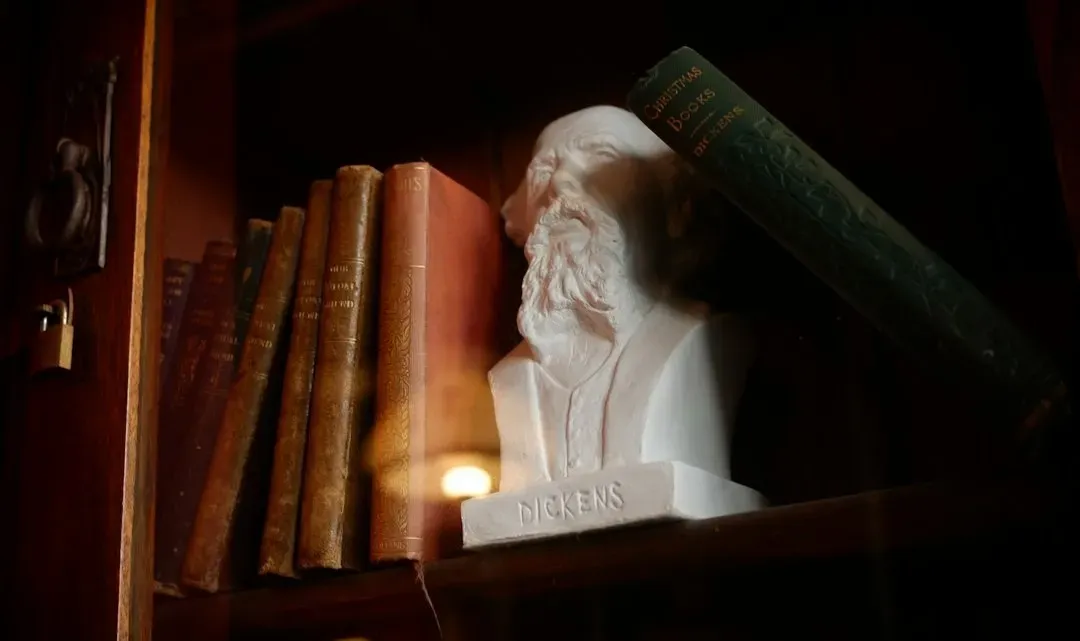
Before he was a household name, Dickens worked as a parliamentary reporter in London. He taught himself shorthand as a teenager and used it to record debates for papers including the Morning Chronicle in the 1830s. The job meant writing fast and accurately under pressure.
His first published book, Sketches by Boz, grew out of short pieces he wrote for periodicals about London street life. The Pickwick Papers followed in 1836 and 1837 as a serial. His habit of publishing novels in installments looks a lot like newspaper work, with regular deadlines and a readership waiting for the next chapter.
Mark Twain
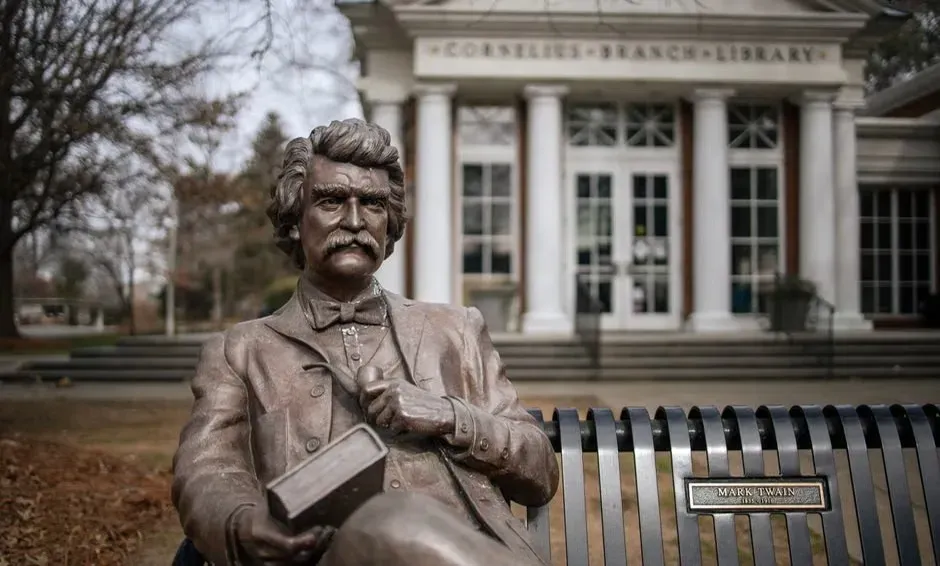
Samuel Clemens came to writing through printing shops and newspapers. In 1862 he joined the Territorial Enterprise in Virginia City, Nevada, a mining town paper where tall tales and real reporting often sat side by side. The following year he signed an article with the name Mark Twain for the first time.
That frontier training sharpened his ear for dialect and his taste for humor with a sting. His 1865 story about a jumping frog made him nationally known, and the novels that made his reputation, including Adventures of Huckleberry Finn, came later. Even then he kept writing journalism and travel letters alongside his fiction.
Willa Cather

Cather spent her early professional years in Pittsburgh, writing for newspapers and editing a magazine called the Home Monthly in the 1890s. She reviewed plays and books and turned out copy on a steady schedule. Fiction was something she pursued on the side.
In 1906 she joined McClure’s Magazine in New York and rose to managing editor, where she worked on investigative journalism. Her first novel, Alexander’s Bridge, appeared in 1912, and O Pioneers! came out in 1913. After that she left editing to write books full time.
Partner offer
Ernest Hemingway
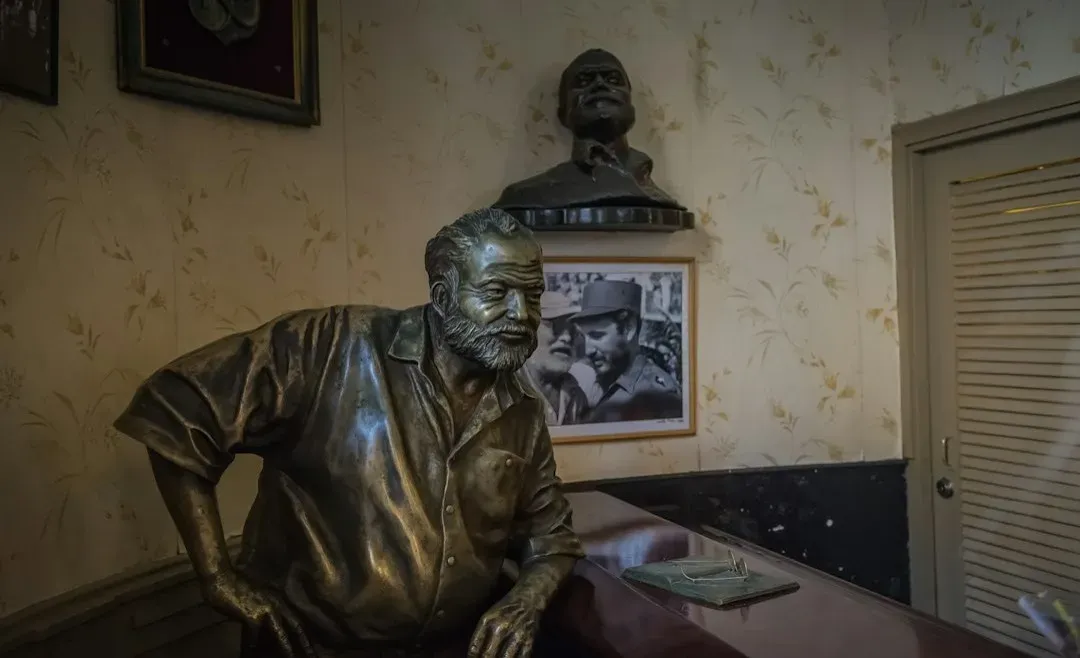
Hemingway was only eighteen when he started as a cub reporter at the Kansas City Star in 1917. He stayed for about six months, but the paper’s style guide, which pushed short sentences and plain, vigorous English, left a lasting mark. He later said that the rules were among the best he ever learned for writing.
After the First World War he wrote for the Toronto Star and reported from Europe while working on fiction in Paris. The Sun Also Rises was published in 1926, and he received the Nobel Prize in Literature in 1954. His spare prose still reads like a reporter who trimmed every unnecessary word.
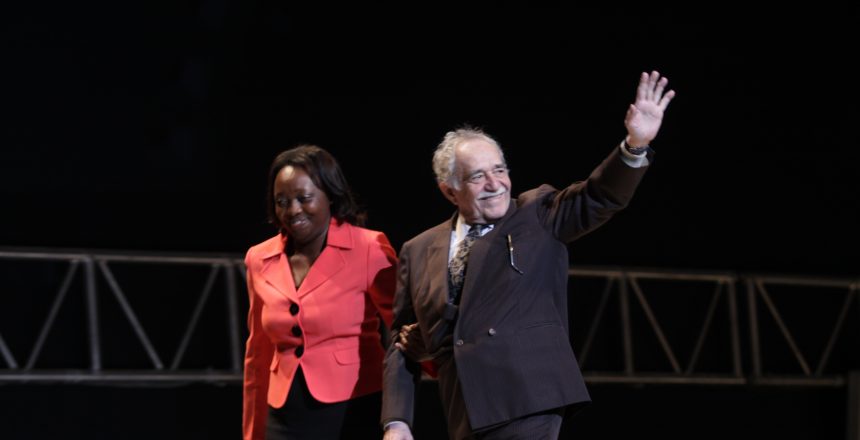
Gabriel García Márquez
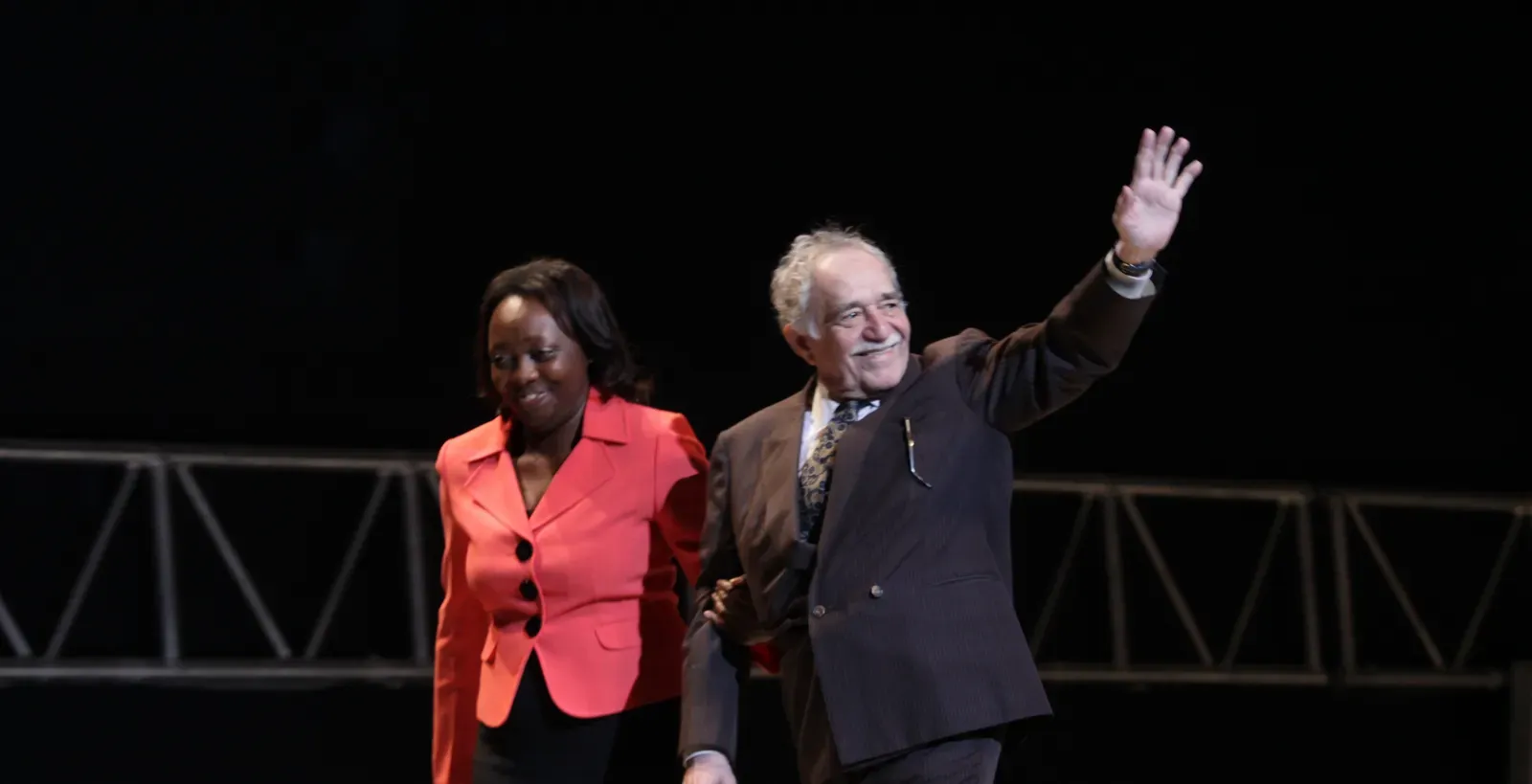
The Colombian writer began as a newspaper journalist in Cartagena in the late 1940s, then moved on to Bogotá and the paper El Espectador. He wrote reports, columns and film reviews, and later worked as a foreign correspondent in Europe. His long nonfiction account of a shipwrecked sailor was one of his best known pieces of reporting.
His early fiction, such as Leaf Storm in 1955, came out while he was still working in journalism. One Hundred Years of Solitude followed in 1967 and became one of the most widely read novels in the Spanish language. He won the Nobel Prize in Literature in 1982, and he often spoke of his reporting years as essential to his storytelling.
Tom Wolfe

Wolfe held a doctorate in American studies from Yale, yet he chose newsrooms over a university post. He worked at the Springfield Union in Massachusetts, then the Washington Post and the New York Herald Tribune. In the 1960s his energetic reporting helped define what came to be called New Journalism.
He waited a long time to try a novel. The Bonfire of the Vanities first appeared as a serial in Rolling Stone in the mid 1980s and was published as a book in 1987, when Wolfe was in his mid fifties. The sprawling story of New York money, race and ambition reflected the reporter’s habit of gathering details from the street.
Gillian Flynn

Flynn is a more recent example. She spent roughly a decade writing for Entertainment Weekly, covering television and film, until she was laid off in 2008. By then she had already been working on fiction in her spare time.
Her debut novel, Sharp Objects, came out in 2006, followed by Dark Places in 2009. Gone Girl, published in 2012, became a huge bestseller, and a film adaptation arrived in 2014. Her tight plotting and sharp, observational voice owe a good deal to years of writing on deadline for a magazine.
Partner offer
Planning a trip to Vegas?
Compare hotel rates and show tickets on VEGAS.com.