Most of us now sit through a three hour film with a drink in hand and a quiet negotiation going on with our bladder. There’s no curtain, no lobby break, no organ music. We just hope nothing important happens while we’re gone.
It wasn’t always like this. For a long stretch of cinema history, a long film came with a built in pause, and some films still do. Here’s where the habit came from, why it faded, and where it has turned up lately.
Where the Pause Began
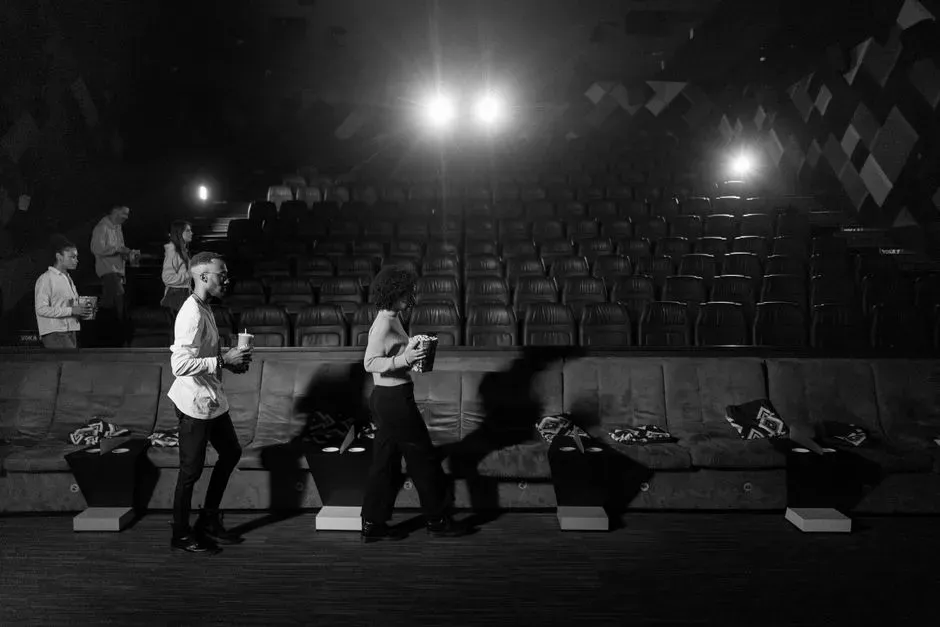
The intermission started as a practical fix. One film history writer notes that in the silent era you couldn’t run a movie much past two hours without stopping. Most musicians can’t play much more than two hours without a break.
That rarely mattered for short features, but it did for long films like Ben-Hur and Wings. A break gave the live musicians a rest, and the audience got one too.
The Roadshow Model
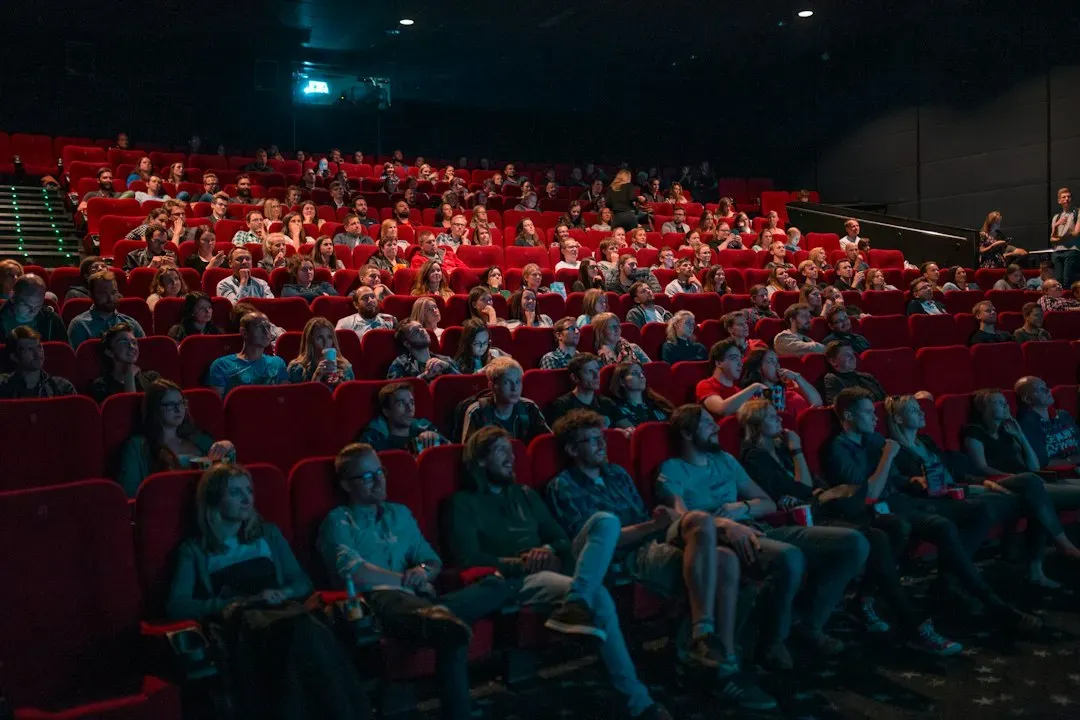
Intermissions grew up alongside roadshow screenings, which were a different kind of night out. Seats were bookable, films played at set times, usually twice a day, and there was at least one intermission. Ordinary cinemas ran continuous performances with no reserved tickets.
Roadshow runs could last for a long time. They continued for weeks, months, or sometimes years before the films reached regular theaters, often re-edited to run shorter. The break was part of what made the event feel special.
Sound Arrives and Breaks Fade
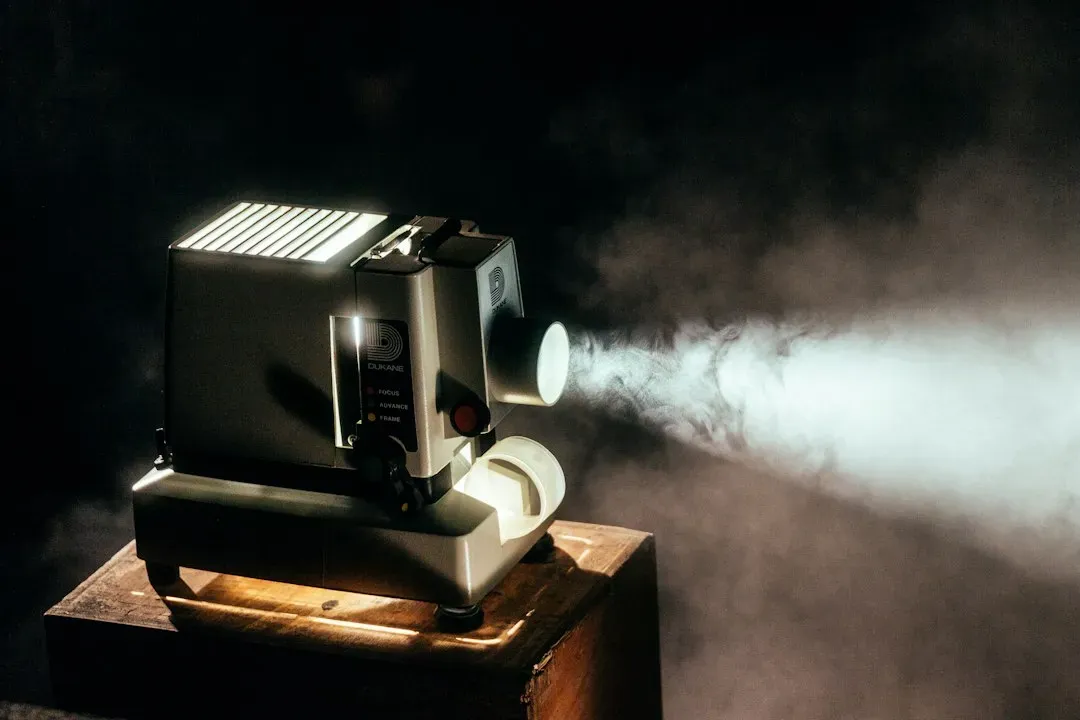
Sound changed the logic. When sound came around, intermissions mostly disappeared, because movies could run indefinitely. Without a live orchestra to rest, the original reason had gone.
The format didn’t vanish entirely, though. One survey of the period counts only two Hollywood roadshows in the 1930s: The Great Ziegfeld in 1936 and Gone with the Wind in 1939. Big events kept the pause alive.
Gone with the Wind Sets the Template
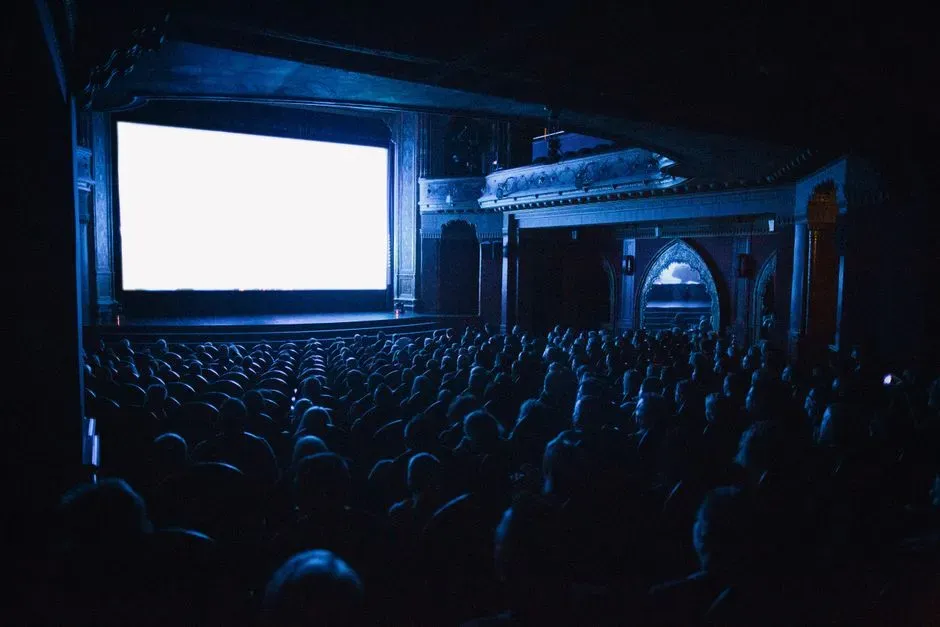
Gone with the Wind treated the break as part of the show. Film historians say its release methods changed the practice and the definition of roadshowing, setting the pattern for big releases from the early 1940s to the mid 1950s.
According to a film collectors’ forum, the original prints carried dedicated intermission and entr’acte music, and early engagements came with a letter from producer David O. Selznick. It explained where those sections fell and how to handle lights and curtains. That’s a community account rather than a studio document, so treat the detail with some care.
Europe Had Its Own Epics
Hollywood wasn’t the only source of long films with a break. As World War II ended, Marcel Carné released Children of Paradise, which ran 189 minutes. The French epic arrived in the middle of a different kind of debate.
The studio and director disagreed over whether to release it as one long movie with an intermission or as two normal length films. That’s why the opening credits now run twice. It’s a neat reminder that the break was often a structural choice, not just a convenience.
The Golden Age of Epics
The late 1950s and 1960s were the peak. Ben-Hur is the textbook example. It premiered at Loew’s State Theatre in New York City on November 18, 1959. Its break fell at a natural narrative break roughly halfway through a runtime of more than three and a half hours.
It paid off. Ben-Hur was the highest grossing film of 1959 and, at the time, the second highest grossing film in history, after Gone with the Wind. Lawrence of Arabia, Spartacus and El Cid belonged to the same tradition, according to fan lists, though those lists vary by source.
Why America Let It Go
The decline had more to do with business than taste. One recent explainer says several forces ended the era in the United States, and none had much to do with audiences disliking the format. The rise of multiplexes was the big one.
As they became standard through the 1970s, exhibitors focused on fitting as many screenings as possible into a single day. A fifteen minute pause meant fewer showtimes. One film writer notes that almost no American releases have included an intermission since Gandhi in 1982.
India Never Gave It Up
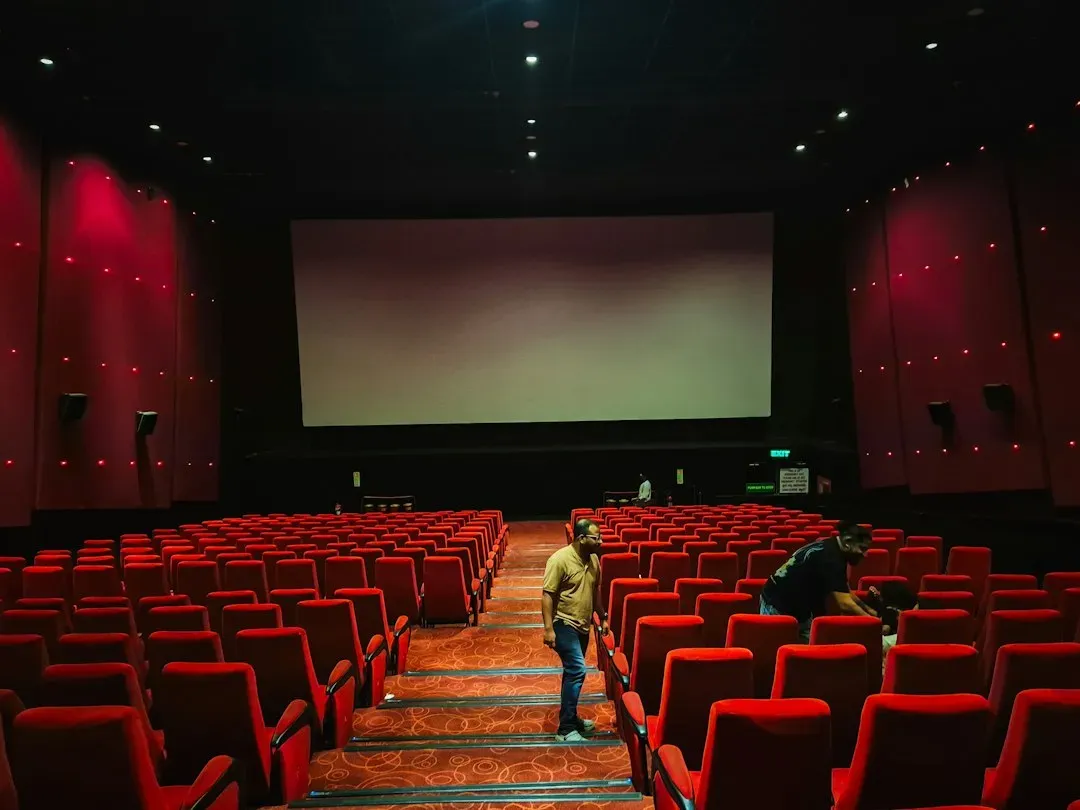
In India, the interval stayed. Unlike most movies in the West, films in India still have an intermission. A common explanation is that projectionists once needed time to change reels, though that’s described as a theory.
There’s an artistic argument too. Some Bollywood films had long runtimes, and filmmakers also used the interval to separate two contrasting moods. Theaters have a financial reason as well, since intermissions let them sell refreshments. Some films have opted out, and Trapped, a thriller, was shown in one go without a break in cinemas.
The Brutalist and the Modern Revival
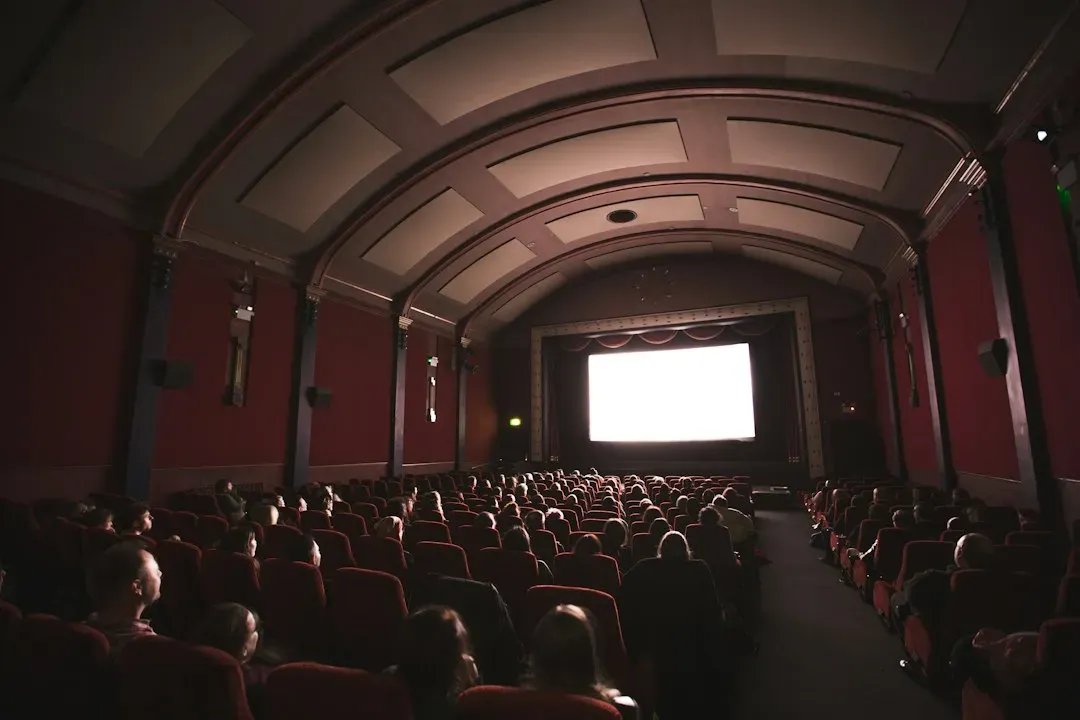
The most talked about recent example is Brady Corbet’s The Brutalist. A fifteen minute intermission sits roughly halfway through its 215 minute runtime. It wasn’t a late addition either, since Corbet said it was always scripted.
The break is built into the film itself. Corbet described it as a rolling intermission, with images, sound and a timer showing how much time is left. Its length was chosen to match the length of a film reel.
It stands out against a backdrop of very long modern releases, such as Oppenheimer at 180 minutes and Avengers: Endgame at 182. Theaters have also tried imposing breaks themselves. Martin Scorsese balked when theaters inserted intermissions into Killers of the Flower Moon, complaining they ruined his vision.
Where Things Stand
The intermission began as a rest for musicians and became a mark of prestige. It faded in America as theaters chased more showtimes, and it stayed in India as part of how films are shaped and sold. The Brutalist showed it can still work when a director plans for it.
Whether it returns widely is unclear, and the evidence so far is one prominent film rather than a trend.