In November 1947, studio executives issued a statement that they wouldn’t knowingly employ communists. It marked the start of an unofficial blacklist that shaped American film for more than a decade. Many writers lost their credits and their regular paychecks.
Plenty of them kept writing anyway. They used pseudonyms, friends who lent their names, and small producers who didn’t ask many questions. These eight screenwriters show how that quiet workaround operated, and what it cost them.
Dalton Trumbo, the Most Famous Ghost
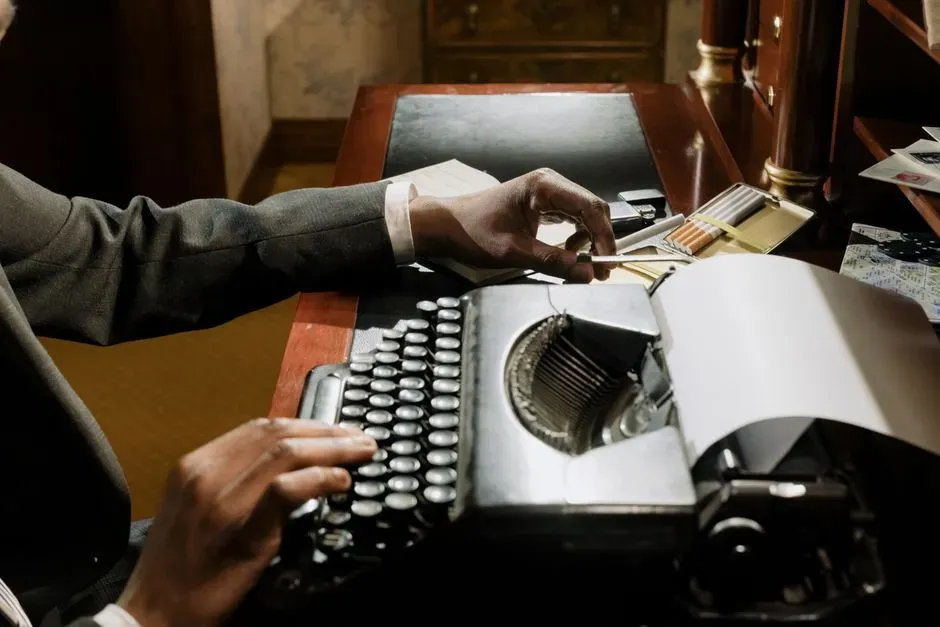
Trumbo was one of the Hollywood Ten, the group cited for contempt of Congress after refusing to answer questions from the House Un-American Activities Committee. He served a prison sentence in 1950 and then returned to writing under cover. He sold scripts to low budget producers for far less than his old rate.
The Brave One earned an Oscar for Best Story in 1957 under the name Robert Rich, a name that belonged to no real person. Trumbo’s own authorship was acknowledged later, and the Academy gave him the statuette in 1975. His public return came in 1960, when he received on screen credit for both Spartacus and Exodus.
Ring Lardner Jr., Writing for Television Under Aliases

Lardner, another of the Hollywood Ten, had won an Oscar for Woman of the Year in 1942. After his prison term and blacklisting, he turned to television. He contributed scripts to The Adventures of Robin Hood, a British series that employed several blacklisted American writers under pseudonyms.
His return was strong. He won the Academy Award for Best Adapted Screenplay for M*A*S*H, released in 1970. Few comebacks in Hollywood are so complete.
Michael Wilson and the Bridge on the River Kwai

Wilson was blacklisted after he declined to cooperate with the committee in 1951. He co wrote the adaptation of The Bridge on the River Kwai with Carl Foreman, though neither man received credit at the time. The credit went to Pierre Boulle, the French author of the novel, who did not write in English.
The film won the Oscar for Best Adapted Screenplay in 1958, and Boulle collected it. The Academy corrected the record in 1984 by awarding posthumous Oscars to Wilson and Foreman. Wilson also worked uncredited on Lawrence of Arabia, and he later wrote a version of Planet of the Apes.
Carl Foreman, From High Noon to Exile

Foreman wrote High Noon, released in 1952, which many critics later read as a comment on the pressures of the era. He was called before the committee in 1951 and ended up leaving the United States for Britain. There he continued to work, and he did so without the credits he had earned.
His uncredited work on The Bridge on the River Kwai is the best known example. In time he returned to full credit, and he later served as a producer on The Guns of Navarone. The 1984 Oscar finally recognized his part in the Kwai script.
Waldo Salt, Surviving on Anonymous Work
Salt was blacklisted in 1951 after he declined to testify. He wrote under other names, mostly for television and small projects, and sometimes had trouble finding work at all. He spent part of those years away from Hollywood.
He came back strongly in the late 1960s. Salt won the Academy Award for Best Adapted Screenplay for Midnight Cowboy, released in 1969. He later wrote Serpico and Coming Home, and he won another Oscar for the latter.
Albert Maltz and the Broken Arrow Credit
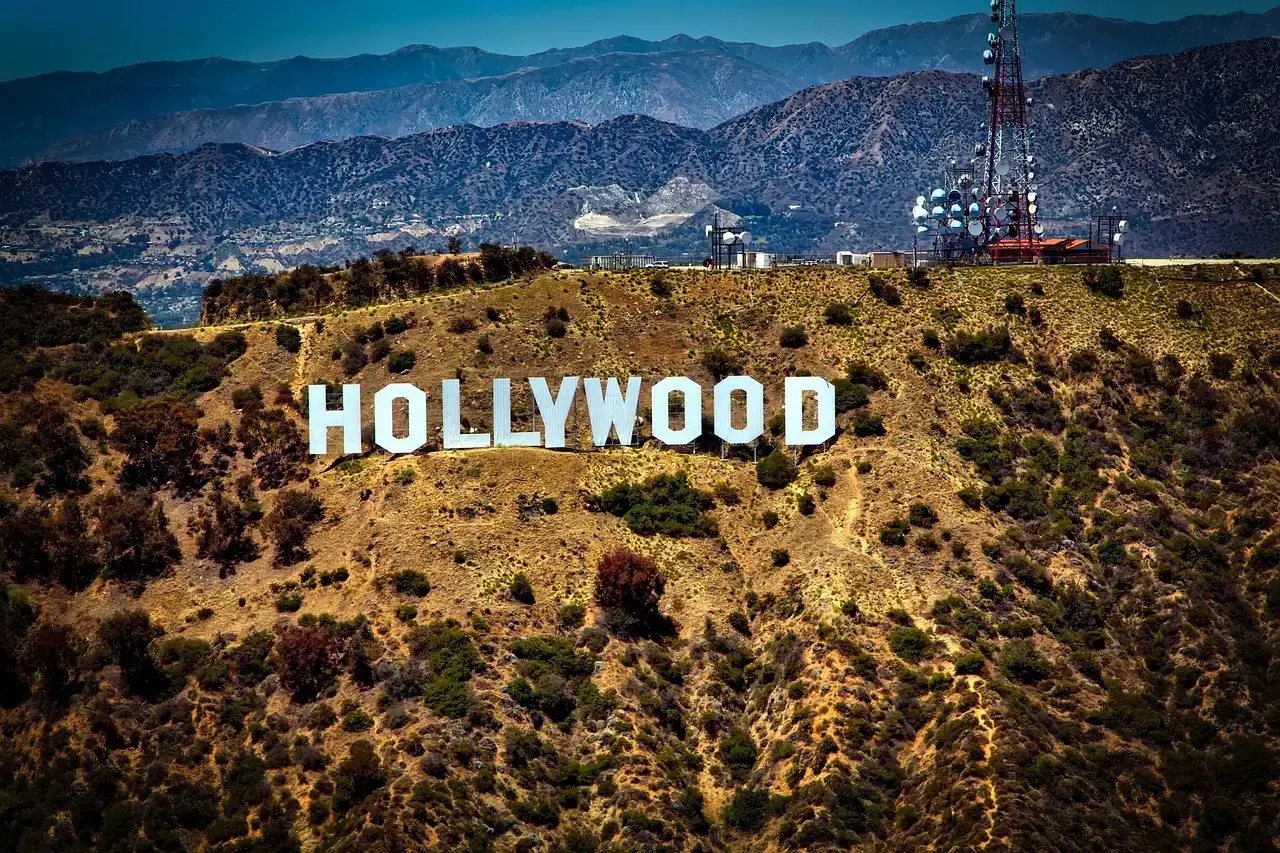
Maltz was one of the Hollywood Ten and served time in prison for his refusal to answer committee questions. He had written the script for Broken Arrow, a 1950 western that treated Native Americans with unusual sympathy. Credit for the screenplay went to Michael Blankfort, who acted as a front.
The Writers Guild officially restored Maltz’s credit decades later, in the early 1990s. Before that, he wrote under cover for the rest of the blacklist years. He received his own name again on Two Mules for Sister Sara in 1970.
Abraham Polonsky, Fronts and a Long Wait
Polonsky had earned an Oscar nomination for the screenplay of Body and Soul in 1947, and he directed Force of Evil in 1948. After 1951, the blacklist cut off his career as a director. He kept writing for television and for film through fronts.
Odds Against Tomorrow, released in 1959, carried the name of John O. Killens as writer, though Polonsky wrote it. He did not direct again until Tell Them Willie Boy Is Here in 1969, a gap of about two decades. That long wait is one of the clearest measures of what the blacklist took from a single career.
Bernard Gordon, the Man Behind Raymond T. Marcus
Gordon worked in lower budget films, and he is a good example of the writers who never became famous. He wrote Hellcats of the Navy, released in 1957, under the pseudonym Raymond T. Marcus. After leaving the country, he worked in Europe, where he took part in productions such as 55 Days at Peking.
His case shows that the pseudonym system extended well beyond the famous names. Producers of genre films often hired blacklisted writers because they came cheaply. Gordon later wrote a memoir about the period and about how he got by.
How the Blacklist Finally Cracked

The system began to fail when producers and stars started giving credit openly. Otto Preminger announced Trumbo’s credit on Exodus, and Kirk Douglas did the same for Spartacus. Both moves came in 1960.
The Academy changed its own rules, too. In 1957, it had dropped a bylaw that barred communists and those who refused to testify from Oscar eligibility, which ended the need for a front. In 2011, the Writers Guild also corrected the record, restoring Trumbo’s name to Roman Holiday, a film credited at the time to Ian McLellan Hunter.